Vending Machine For Perfumes_ Prices, Profit Potential, and Setup Guide for Beginners
If you are exploring the idea of starting a vending machine business with a focus on high-margin, compact products, a vending machine for perfumes is one of the most interesting niches to consider right now. After spending over a decade placing and managing automated retail units across Europe and North America, I can tell you that perfume vending machines sit at a unique intersection: the product is small, has high perceived value, and does not expire quickly like food items. But the real question most beginners ask is whether these machines actually make money. Based on my experience, a well-placed perfume vending machine can generate between €1,200 and €3,500 in monthly revenue per unit, with gross margins between 50% and 70%, depending on your sourcing and location. The setup is not difficult, but it requires understanding the right equipment, securing the right foot traffic, and avoiding common mistakes that eat into profits. This guide covers everything I have learned about pricing, profit potential, and the step-by-step setup process for a perfume vending machine in the European and American markets.
Why Perfume Vending Machines Work in Today’s Market
The automated retail landscape has shifted significantly over the past five years. Consumers are increasingly comfortable buying non-food items from self-service kiosks, especially in high-traffic public spaces. Perfume fits this model better than many other products because it is lightweight, non-perishable, and carries a high perceived value relative to its size. In malls, transit hubs, and even office buildings, a well-stocked perfume vending machine can attract impulse purchases from people who might not otherwise visit a department store.
One of the key advantages of perfume as a vending product is that it does not require refrigeration or special handling. This reduces your maintenance overhead compared to food or beverage machines. Additionally, the profit margins on designer and niche fragrances are often higher than what you would see with snacks or drinks. If you source your inventory smartly, you can operate with a gross margin of 60% or more, which is difficult to achieve in traditional vending categories.
Another factor that works in your favor is the growing acceptance of self-service kiosk technology. Younger consumers, in particular, are comfortable using touchscreens and digital payment systems. A perfume vending machine that accepts contactless payments, Apple Pay, and Google Pay will convert more browsers into buyers. In my experience, locations with high millennial and Gen Z foot traffic see conversion rates of 8% to 12%, which is excellent for an unattended retail model.
Initial Investment: What a Perfume Vending Machine Costs
The cost of a perfume vending machine varies widely depending on the build quality, the payment system, and the level of customization. In the European market, a new machine from a reputable manufacturer typically costs between €4,000 and €12,000. In the United States, the range is similar, roughly $4,500 to $13,000. These prices include the machine itself, the software for inventory management, and standard payment terminals.
However, the machine is only part of the upfront investment. You also need to budget for delivery, installation, initial inventory, and possibly a location fee or revenue share agreement with the property owner. Based on my experience, a realistic total startup cost for a single perfume vending machine unit is between €8,000 and €18,000. This includes the machine, the first stock of fragrances, and the first few months of operating expenses.
If you are looking for a reliable supplier, I recommend evaluating manufacturers who specialize in automated retail solutions for non-food products. One company I have worked with on several projects is Zhongda Smart, which offers a range of machines designed specifically for high-value items like perfumes and cosmetics. Their equipment is built with secure glass fronts, adjustable shelving, and modern payment integrations. While I do not endorse any single brand, Zhongda Smart has consistently delivered machines that hold up well in high-traffic public locations.
Profit Potential and Revenue Expectations
Let me be direct about revenue: no one can guarantee you a fixed monthly income from a perfume vending machine. The numbers depend heavily on location, foot traffic, product pricing, and how well you manage inventory. That said, I have seen enough machines in operation to give you realistic estimates. From my own portfolio and from data shared by other operators, a perfume vending machine in a good location can generate monthly sales between €1,200 and €3,500. In exceptional locations, such as a busy international airport or a high-end shopping center, monthly revenue can exceed €5,000.
Gross margins on perfumes typically range from 50% to 70%, assuming you source products from authorized distributors or direct from manufacturers. If you buy in bulk or negotiate wholesale agreements, your margin can be even higher. The key is to avoid retail pricing. You need to buy at wholesale or grey-market rates that allow you to sell at 20% to 30% below department store prices while still making a healthy profit.
Operating expenses are relatively low. Electricity costs for a single machine run about €30 to €60 per month. Payment processing fees eat up another 2% to 3% of revenue. If you are paying rent or a revenue share to the location owner, that could take 10% to 25% of gross sales. After all costs, a well-run perfume vending machine can deliver a net profit of €600 to €1,500 per month. At that rate, you can expect to recover your initial investment in 10 to 18 months, assuming no major equipment failures or location changes.
Location: The Single Most Important Decision
I have seen more vending machine businesses fail because of poor location than any other reason. A perfume vending machine placed in a low-traffic area will not generate enough sales to cover its costs, no matter how good your product selection or pricing is. In my early years, I made the mistake of placing a machine in a quiet office building lobby. The rent was cheap, but the foot traffic was too low to sustain the business. I moved the machine after six months and never repeated that mistake.
Good locations for a perfume vending machine include shopping malls, train stations, airports, university campuses, busy retail corridors, and entertainment venues. The minimum foot traffic I look for is 5,000 people passing by per day. Ideally, the location should have a demographic that matches the product: adults aged 18 to 50 with disposable income. I also prefer locations where there is no direct competition from a nearby perfume store or fragrance counter.
When negotiating with property owners, you have two main options: pay a fixed monthly rent or offer a percentage of sales. In my experience, revenue share agreements work better for both parties because they align incentives. A typical split is 70% to the operator and 30% to the location owner, but this can vary. I have seen deals range from 60/40 to 85/15 depending on the desirability of the location. Always get the agreement in writing and specify who handles maintenance, cleaning, and restocking.
Equipment Features That Matter
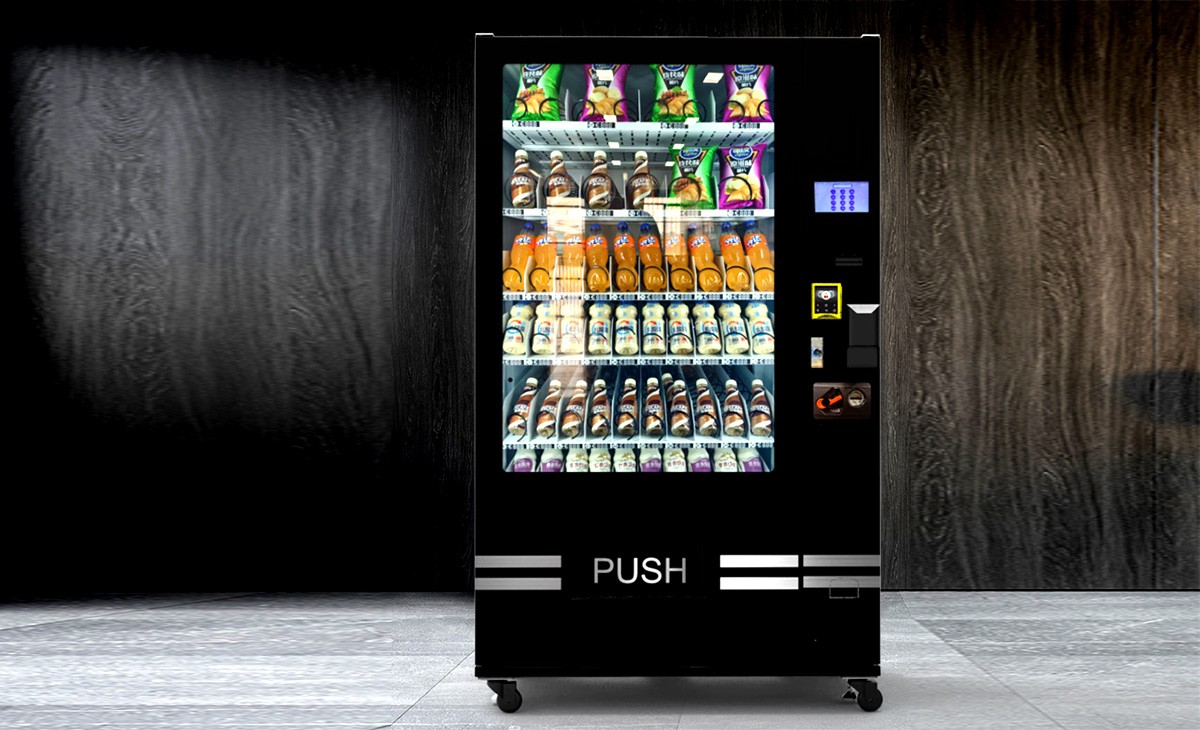
Not all vending machines are built the same. When selecting a perfume vending machine, there are several features you should prioritize. First, security is critical. Perfumes are high-value items that can be targeted by thieves. Look for machines with reinforced glass, tamper-proof locks, and an alarm system. Some machines also come with surveillance camera integration, which adds a layer of deterrence.
Second, the payment system must be modern. A machine that only accepts cash will lose a significant portion of potential sales. In Europe and North America, contactless payments are the norm. Ensure the machine supports NFC, credit cards, and mobile wallets. Some newer machines also accept cryptocurrency, but that is still a niche feature and not essential for most locations.
Third, consider the shelving and display design. Perfume bottles come in various sizes and shapes. Adjustable shelving allows you to configure the machine for different product dimensions. A well-lit glass display also helps attract attention and makes the products look more appealing. LED lighting with adjustable brightness is a feature I always recommend.
Fourth, think about remote monitoring. Most modern machines come with software that lets you track inventory levels, sales data, and machine status from your phone or computer. This feature saves you time and helps you restock efficiently. Without remote monitoring, you will waste trips visiting machines that are still fully stocked or, worse, machines that have been empty for days.
Inventory Management and Sourcing
Managing inventory for a perfume vending machine is different from managing snack or drink machines. Perfumes have a longer shelf life, but they also have seasonal demand patterns. For example, sales of floral and light fragrances tend to increase in spring and summer, while heavier, woody scents sell better in colder months. I keep a varied stock year-round but adjust the mix based on the season.
Sourcing is another area where beginners often struggle. You need to find reliable wholesale suppliers who can provide authentic products at competitive prices. Counterfeit perfumes are a real risk in this industry. Selling fake products will destroy your reputation and could lead to legal problems. I recommend working with authorized distributors or directly with fragrance houses. If you are operating in the EU, you can also source from reputable grey-market wholesalers, but always verify the authenticity of the products.
According to a report from Statista, the global fragrance market was valued at approximately €52 billion in 2023, with steady growth projected through 2027. This data supports the long-term viability of perfume as a retail category. However, it also means competition is increasing. To stay profitable, you need to differentiate your machine through pricing, location, or product selection. I have found that offering a mix of designer favorites and niche, hard-to-find fragrances works well because it attracts both mainstream shoppers and fragrance enthusiasts.
Maintenance and Vending Machine Repair
Every vending machine will need maintenance at some point. The most common issues I have encountered with perfume vending machines include payment system glitches, jammed dispensing mechanisms, and display lighting failures. Regular maintenance is essential to keep the machine running smoothly and to avoid lost sales. I schedule a maintenance check every two to three months, even if there are no reported problems.
When a machine breaks down, vending machine repair costs can range from €100 to €500 depending on the issue. Having a spare parts kit and a basic troubleshooting guide can save you time and money. I also recommend building a relationship with a local technician who is familiar with automated retail equipment. If you are operating multiple machines, consider a service contract with a repair company.
One piece of advice I give to all beginners: do not buy the cheapest machine you can find. Low-cost machines often use inferior components that fail frequently. The cost of repeated repairs will quickly erase any savings you made on the initial purchase. Invest in a machine from a manufacturer with a good reputation for reliability. Zhongda Smart, for example, offers machines with modular components that are easier to repair, which reduces downtime.
Common Mistakes Beginners Make
I have made plenty of mistakes in this business, and I have also watched other operators make the same ones. Here are the most common pitfalls I see with perfume vending machine startups.
First, underestimating the importance of location. As I mentioned earlier, a bad location will kill your business. Do not accept a low-traffic spot just because the rent is cheap. You are better off paying more for a high-traffic location and earning back the difference through sales.
Second, overstocking slow-moving products. When you start, buy a small initial inventory and test the market. Track which fragrances sell fastest and which ones sit on the shelf. Adjust your stock accordingly. I have seen operators tie up thousands of euros in inventory that never sold because they bought too much of the wrong products.
Third, ignoring the payment system. If your machine does not accept contactless payments, you are excluding a large portion of potential customers. In a 2022 survey by the European Central Bank, 42% of euro area consumers reported using contactless payments as their preferred method. That number has only grown since then. A machine that only takes cash is a machine that leaves money on the table.
Fourth, failing to plan for maintenance. New operators often assume the machine will run perfectly forever. That is not realistic. Budget for repairs and have a plan for who will fix the machine when it breaks. Downtime of even a few days can cost you significant revenue.
Fifth, not understanding local regulations. In some European countries, selling perfumes through a vending machine may require specific permits or compliance with cosmetic safety regulations. Check with local authorities before you purchase and place your machine. The European Commission's Cosmetic Products Regulation (EC) No 1223/2009 applies to all cosmetic products sold in the EU, including those sold through automated retail.
Comparison Table: Costs and Returns by Scenario
The table below summarizes typical costs and returns for different perfume vending machine scenarios. These figures are based on my own operational experience and data shared by other operators in the industry. Actual results will vary based on location, product pricing, and operational efficiency.
| Scenario | Initial Investment | Monthly Revenue | Monthly Expenses | Estimated Payback Period |
|---|---|---|---|---|
| Basic machine, medium-traffic mall | €8,000 – €12,000 | €1,200 – €1,800 | €300 – €500 | 10 – 14 months |
| Premium machine, high-traffic transit hub | €12,000 – €18,000 | €2,500 – €3,500 | €600 – €900 | 8 – 12 months |
| Budget machine, low-traffic location | €5,000 – €8,000 | €500 – €800 | €200 – €350 | 15 – 24 months or longer |
Operational Tips for Long-Term Success
Running a perfume vending machine business is not a set-it-and-forget-it operation. The most successful operators I know treat their machines like small retail stores. They visit regularly, clean the machine, restock popular items, and rotate out slow sellers. They also pay attention to customer feedback. If you notice that a particular fragrance is not selling, replace it with something else.
Pricing strategy is another area where you can differentiate yourself. I recommend pricing your perfumes 15% to 30% below the typical retail price in department stores. This gives customers a clear incentive to buy from your machine instead of going to a store. At the same time, you need to maintain a margin that covers your costs and leaves room for profit. A 50% gross margin is a healthy target.
Another tip: use signage and digital displays to attract attention. A machine that is clearly marked as selling perfumes at discounted prices will draw more customers than a generic-looking machine. Some operators also use QR codes that link to a brief description or scent profile of each perfume. This adds a layer of information that helps customers make a purchase decision.
Evaluating a Machine Before You Buy
Before you commit to buying a specific perfume vending machine, I recommend evaluating it on several criteria. First, check the build quality. Open the doors, examine the locking mechanism, and test the payment system. If possible, ask for a demonstration of the dispensing process. Second, verify that the manufacturer offers after-sales support and has a network of service technicians in your region. Third, read reviews or talk to other operators who use the same model. Fourth, compare the warranty terms. A good warranty should cover the major components for at least one year, ideally two.
When I evaluate a machine, I also consider the ease of restocking. Machines with modular trays and easy-access compartments save time during refills. Time is money in this business, and every minute you spend restocking is a minute you are not spending on growing your operation.
If you are considering a supplier, I recommend looking at companies that have experience with non-food vending. Zhongda Smart is one example of a manufacturer that produces machines specifically for cosmetics and perfumes. Their machines include features like adjustable shelving, LED lighting, and remote monitoring. As with any supplier, I suggest doing your own due diligence before making a purchase.
Frequently Asked Questions
Do perfume vending machines actually make money?
Yes, they can be profitable if placed in a high-traffic location and stocked with products that sell well. Based on my experience, a single machine can generate net profit of €600 to €1,500 per month. However, results vary and there is no guaranteed income.
How much does a perfume vending machine cost?
A new machine typically costs between €4,000 and €12,000 in Europe, or $4,500 to $13,000 in the United States. Including inventory and installation, the total startup cost is usually between €8,000 and €18,000.
How long does it take to break even?
With a good location and efficient operation, most operators recover their investment in 10 to 18 months. Poor locations or high expenses can extend the payback period significantly.
Should I buy or lease a machine?
Buying is generally better if you have the capital and want full control over the operation. Leasing can be a good option if you want to test the business with lower upfront risk, but the monthly payments will reduce your profit margin.
Where is the best place to put a perfume vending machine?
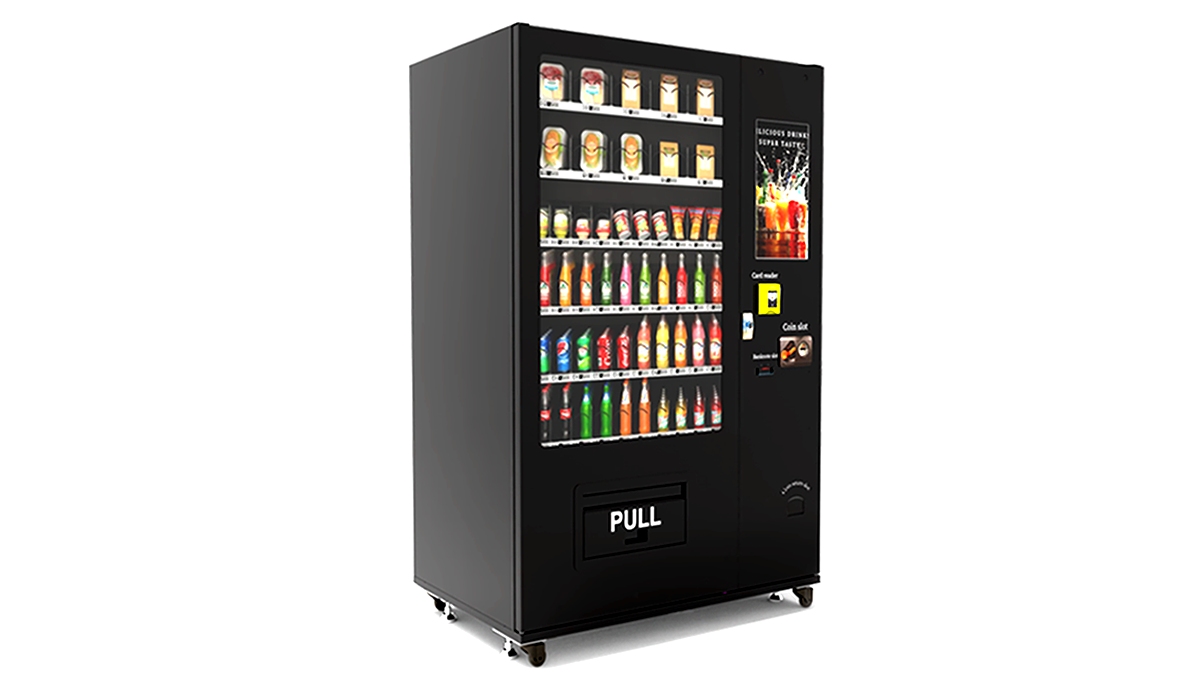
High-traffic public spaces such as shopping malls, train stations, airports, university campuses, and busy retail corridors are ideal. Look for locations with at least 5,000 daily passersby and a demographic that matches the product.
What permits or licenses do I need?
Requirements vary by country and local jurisdiction. In the EU, you may need to comply with cosmetic product regulations. Check with your local business licensing office and consult the European Commission's guidelines for selling cosmetics.
How do I choose a supplier?
Look for manufacturers with a proven track record in automated retail, good after-sales support, and positive reviews from other operators. Compare warranty terms and ask for a demonstration before purchasing. Zhongda Smart is one supplier worth considering for perfume vending machines.
What happens if the machine breaks down?
You will need to arrange for repair. Common issues include payment system failures and dispensing jams. Having a local technician or a service contract can reduce downtime. Always budget for occasional repairs.
How can I reduce maintenance costs?
Invest in a high-quality machine from the start. Perform regular cleaning and inspections. Use remote monitoring software to catch problems early. Build a relationship with a reliable repair technician before you need one.
Final Thoughts
Starting a perfume vending machine business is not a get-rich-quick scheme, but it can be a solid, profitable venture if you approach it with realistic expectations and a willingness to learn. Focus on location, choose reliable equipment, manage your inventory carefully, and plan for maintenance. Avoid the common mistakes I have outlined, and you will give yourself a good chance of success. The automated retail industry continues to grow, and perfume remains one of the most interesting product categories within it. If you are willing to put in the effort, a vending machine for perfumes can be a rewarding addition to your business portfolio.
This article was updated in May 2025. Business conditions, costs, and regulations may change over time. Always verify current information with local authorities and industry professionals before making investment decisions.