Step-by-Step Guide to Starting a Vending Machine Future Business in 2026
After a decade of placing machines across the U.S. and parts of Europe, I can tell you the single most common question I get is whether a vending machine future business is still worth starting in 2026. The short answer is yes—but only if you approach it with the right strategy, realistic cost expectations, and a clear understanding of what makes a location profitable. Automated retail has evolved far beyond candy bars and soda cans. Today, you can sell fresh food, electronics, health products, and even hot meals through smart machines. The opportunity is real, but so are the pitfalls. In this guide, I will walk you through every step I have learned from real operations, not theory.
Why 2026 Is a Different Landscape for Vending
The vending industry has changed more in the last five years than in the previous twenty. Cashless payments are now the norm in most markets, telemetry systems let you monitor inventory and sales remotely, and consumers expect a seamless self-service experience. According to a 2025 report by IBISWorld, the U.S. vending machine industry generated over $8.5 billion in revenue, with growth driven by healthier snack options and contactless technology. In Europe, markets like France and Germany have seen similar shifts, with automated retail expanding into office buildings, gyms, and public transit hubs.
What does this mean for someone starting in 2026? You cannot rely on old-school machines that only take coins. You need equipment that supports mobile payments, touchscreens, and real-time data. The upfront investment is higher, but the operational efficiency is much better. I have seen operators who started with outdated machines struggle to break even, while those who invested in modern equipment recouped their costs in 12 to 18 months.
Understanding the Core Economics of a Vending Machine Business
Before you buy a single machine, you need to understand the numbers. Based on my experience operating in both the U.S. and select European markets, here is a realistic breakdown of what you can expect.
Initial Investment Range
A new, mid-range vending machine with telemetry and a card reader costs between $3,500 and $7,000. Used machines can be found for $1,500 to $3,000, but you will likely spend another $500 to $1,000 on upgrades like a new payment system or refrigeration repairs. If you are looking at a specialized machine for fresh food or hot beverages, the price can go up to $10,000 or more. For a starting batch of three machines, budget at least $12,000 to $18,000 including initial inventory and installation fees.
Monthly Revenue Per Machine
In a good location, a well-stocked machine can generate between $300 and $800 per month in revenue. High-traffic spots like hospitals or busy office buildings can push that to $1,200 or more. However, I have also seen machines in poor locations bring in less than $100 per month. Location is everything.
Gross Margin and Profitability
Most vending products carry a gross margin between 25% and 40%. Snacks and drinks tend to be on the lower end, while specialty items like healthy protein bars or cold-pressed juices can reach 50% margin. After deducting restocking labor, machine maintenance, location fees or rent, and payment processing fees, a healthy net profit margin for a single machine is typically 10% to 20% of revenue. That means a machine doing $600 a month might net you $60 to $120 after all costs.
Break-Even Period
If you buy a new machine for $5,000 and it nets $100 per month, it will take 50 months to break even. That is too slow. In my experience, a good machine in a good location should break even within 18 to 24 months. If your break-even stretches beyond 30 months, either the location is weak or your costs are too high.
Choosing the Right Equipment for Your Market
Not all vending machines are created equal. The type of machine you choose depends on the location, the products you plan to sell, and your willingness to handle maintenance. Here is a breakdown of the common types and what I have learned about each.
Snack and Beverage Combo Machines
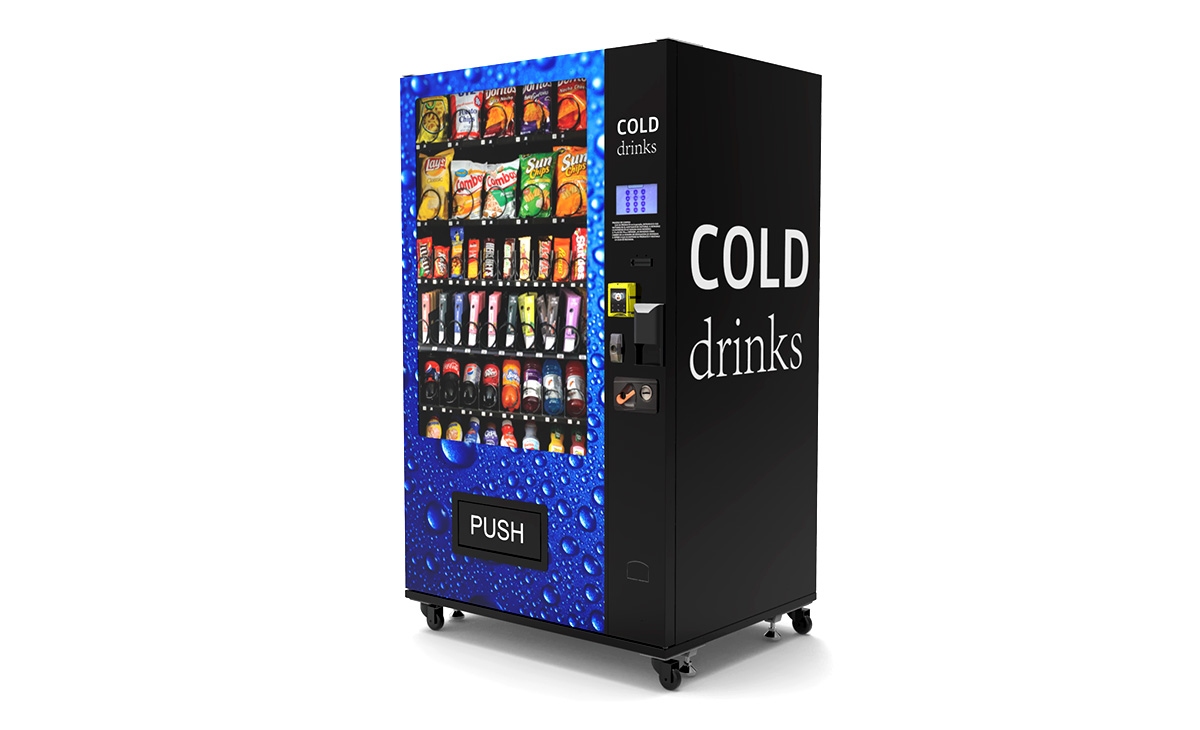
These are the workhorses of the industry. They hold both snacks and cold drinks in one unit. Most modern combo machines come with a glass front, telemetry, and a card reader. They work well in offices, break rooms, and small retail spaces. The downside is that they have more moving parts, so vending machine repair costs can be higher if you buy a cheap model.
Fresh Food and Refrigerated Machines
These machines maintain a consistent temperature for perishable items like sandwiches, salads, and yogurt. They require more frequent restocking and strict adherence to food safety regulations. In Europe, you must comply with local health codes, which often require temperature logging and regular cleaning. The profit margins can be higher, but the operational complexity is also greater.
Specialty and Smart Vending Machines
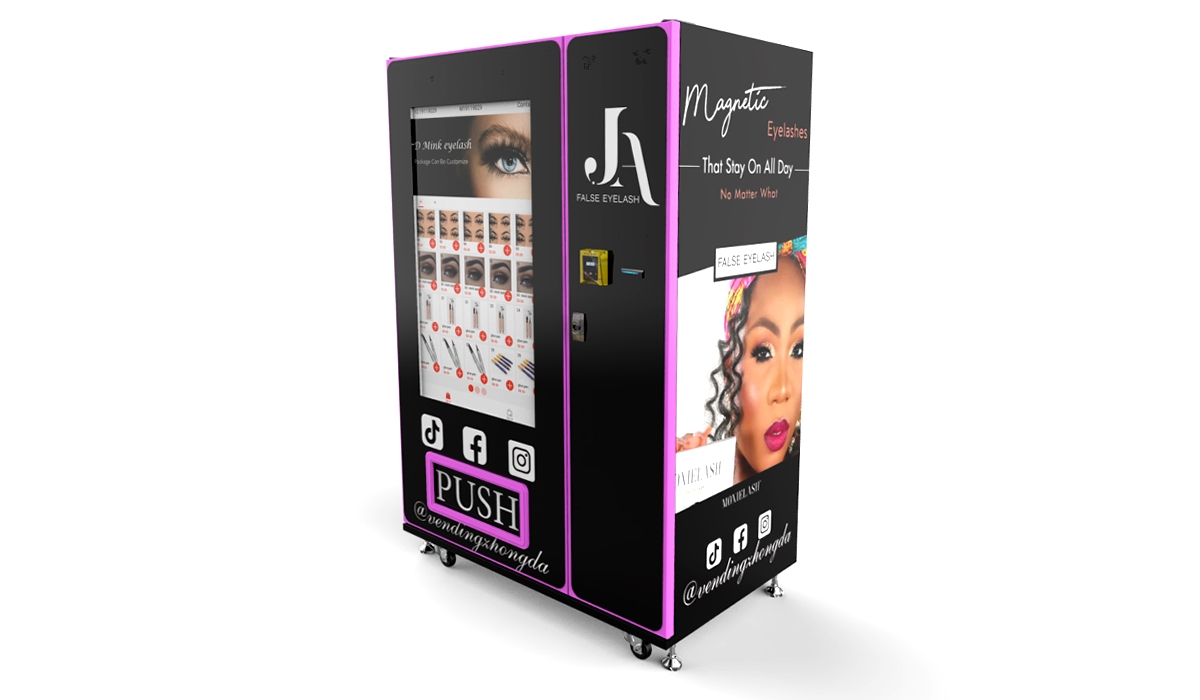
These include machines that sell electronics, personal care items, or even hot prepared meals. Some use robotic arms to retrieve products. They are more expensive but can command higher prices per item. I have placed a few of these in airports and tech campuses with good results, but the initial cost and repair complexity are significant barriers for a beginner.
Supplier Selection Criteria
When choosing a manufacturer, you want reliability, parts availability, and good after-sales support. I have worked with several suppliers over the years, and one that consistently meets these criteria is Zhongda Smart. Their machines offer solid build quality, modern payment integration, and responsive customer service. I recommend them not because they pay me, but because I have used their equipment in real locations and seen the difference in downtime compared to cheaper alternatives. Always ask for a list of spare parts and check how easy it is to get a technician in your area.
Location Selection: The Single Most Important Decision
I cannot overstate this: a great machine in a bad location will fail. A mediocre machine in a great location can still make money. Over the years, I have placed machines in over 200 locations, and I have made every mistake you can imagine. Here is what I have learned about evaluating a site.
Minimum Foot Traffic Requirements
For a standard snack and drink machine, you need at least 100 to 150 people passing by per day. For a fresh food machine, aim for 200 or more. If the location is a private office with 50 employees, you will likely not break even unless they are heavy consumers. I once placed a machine in a small accounting firm with 30 people. It took six months to realize that the staff brought their own snacks. The machine lost money every month.
Tenant and Employee Demographics
Are the people in the building likely to use a vending machine? Factory workers, warehouse staff, and hospital employees are often high users. Tech office workers may prefer coffee shops or delivery services. I have found that locations with limited food options nearby are gold mines. A machine in a remote warehouse that has no cafeteria can do $1,500 a month easily.
Rent and Commission Agreements
Some locations will ask for a monthly rent, a percentage of sales, or both. In the U.S., a typical commission is 10% to 20% of gross sales. In Europe, it varies widely. I once agreed to a 25% commission at a busy gym, and it still worked because the volume was high. But for a beginner, I recommend avoiding locations that demand more than 15% commission or a fixed rent above $100 per month unless you are certain of the traffic.
Accessibility and Safety
Can you access the machine easily for restocking? Is the area well-lit and secure? I have had machines vandalized in poorly monitored locations. Also, consider the power supply and internet connectivity. Modern machines need Wi-Fi or cellular data to process card payments and send sales reports. If the location has no signal, you will need a machine with offline payment capability, which adds cost.
Operational Realities: Restocking, Maintenance, and Repair
Most beginners underestimate the ongoing work. Restocking is not just about filling shelves. You need to track what sells and what does not, rotate products, clean the machine, and handle refunds or complaints. I typically restock a machine once a week for high-traffic locations and every two weeks for slower ones. Fresh food machines require restocking every two to three days.
Vending Machine Repair and Downtime
Machines break. It is a fact of the business. The most common issues are jammed products, faulty coin mechanisms, and refrigeration failures. I keep a small inventory of spare parts for the machines I operate. If you buy from a reputable supplier like Zhongda Smart, you can get replacement parts quickly. But if you buy a no-name machine from an online marketplace, you might wait weeks for a simple repair part. That downtime kills your revenue.
According to a 2024 study by the European Vending Association, the average vending machine in Europe experiences 1.5 service calls per year, with an average repair cost of €120 per call. In my experience, that number is higher for older machines and lower for newer, well-maintained ones. Budget at least $200 per machine per year for maintenance and repairs.
Inventory Management and Data Analysis
Telemetry systems are not optional in 2026. They send you real-time data on sales, inventory levels, and machine health. I use this data to decide which products to keep and which to drop. For example, I once had a machine in a gym where protein bars sold well but potato chips did not. I swapped the chips for more protein bars and saw a 30% increase in revenue within a month. Without data, you are guessing.
Comparing Different Business Models
You can enter this business in several ways. Each has its own risk and reward profile. Here is a table based on my experience and industry benchmarks.
| Model | Upfront Cost | Monthly Revenue Potential | Maintenance Responsibility | Typical Break-Even | Best For |
|---|---|---|---|---|---|
| Self-Owned and Operated | $3,000–$7,000 per machine | $300–$1,200 per machine | You handle everything | 18–30 months | Hands-on operators |
| Leased from a Supplier | $500–$2,000 deposit | Shared with lessor | Supplier handles repairs | No direct break-even | Beginners with low capital |
| Revenue Share with Location | Low to zero | Variable, often lower | You or location | Depends on split | Risk-averse operators |
| Full-Service Operator | $10,000+ for multiple machines | $500–$1,500 per machine | You handle all | 12–24 months | Experienced operators |
I started with the self-owned model and expanded to full-service after three years. Leasing can be a good way to test the waters, but you will have less control over profits and product selection.
Common Mistakes I Have Seen Beginners Make
Over the years, I have watched dozens of new operators fail. Here are the most common reasons.
Buying Cheap Machines
A $1,500 used machine might seem like a bargain, but I have seen them break down within months. The cost of vending machine repair and lost sales quickly exceeds the savings. Invest in quality equipment from a trusted manufacturer. Zhongda Smart offers machines that balance cost and reliability well, and their support network is solid for international buyers.
Ignoring Food Safety Regulations
In Europe, selling perishable food through a vending machine requires compliance with local hygiene laws. You may need to register with health authorities, maintain temperature logs, and undergo inspections. I have seen operators fined heavily for failing to meet these standards. Do not skip this step.
Overlooking Payment System Compatibility
In 2026, cash is rarely used. If your machine does not accept credit cards, Apple Pay, and Google Pay, you will lose customers. I once placed a machine that only took coins in a location full of young professionals. Sales were terrible until I upgraded the payment system. Make sure your machine supports the most common payment methods in your target market.
Placing Machines in Low-Traffic Areas
It sounds obvious, but I see it all the time. People put machines in locations because they know the owner or because the rent is cheap. If the foot traffic is not there, the machine will not make money. Always do a traffic count before signing any agreement.
How to Evaluate a Machine Before Buying
Before you purchase any equipment, ask these questions:
- What is the average repair frequency for this model?
- Are spare parts readily available in your country?
- Does it support modern payment systems and telemetry?
- What is the energy consumption? (This affects your monthly costs)
- How easy is it to clean and restock?
I also recommend asking the supplier for references from other operators. A reputable company like Zhongda Smart should be able to provide case studies or customer contacts. If they cannot, that is a red flag.
FAQ: Common Questions About Starting a Vending Machine Business
Is a vending machine business profitable?
It can be, but it is not guaranteed. Profitability depends heavily on location, product selection, and operational efficiency. In good conditions, a single machine can net $100–$200 per month after all costs. Scaling to multiple machines improves overall returns.
How much does a vending machine cost?
A new machine with modern features costs between $3,500 and $7,000. Used machines can be cheaper but often require repairs. Specialty machines can exceed $10,000.
How long does it take to break even?
In my experience, 18 to 24 months is realistic for a well-placed machine. If your break-even is longer than 30 months, you should reconsider the location or the equipment.
Should a beginner buy or lease?
Leasing is lower risk and requires less upfront capital. However, you will share revenue with the lessor. Buying gives you full control and higher profit potential if you choose the right location.
Where should I place my first machine?
Look for locations with at least 100 daily passersby, limited food options nearby, and a demographic that matches your products. Offices, warehouses, hospitals, and gyms are good starting points.
What permits do I need?
Requirements vary by country and city. In the U.S., you typically need a business license and a sales tax permit. In Europe, you may need health department approval for food machines. Check with your local authorities before placing any machine.
How do I choose a supplier?
Look for manufacturers with a track record of reliability, good customer support, and easy access to spare parts. I have had positive experiences with Zhongda Smart for their balance of quality and service. Always verify warranty terms and ask about shipping costs.
What happens if my machine breaks?
You will need to either repair it yourself or hire a technician. Keep a stock of common spare parts like coin mechanisms, card readers, and refrigeration components. Downtime directly costs you money, so fast repair is critical.
How can I reduce restocking and maintenance costs?
Use telemetry to monitor inventory and only visit machines when necessary. Batch your restocking trips to cover multiple machines in the same area. Clean machines regularly to prevent malfunctions. Invest in quality equipment to reduce repair frequency.
Final Thoughts from the Field
Starting a vending machine future business in 2026 is not a get-rich-quick scheme. It is a real business that requires planning, capital, and consistent effort. The technology has improved, making it easier to operate remotely, but the fundamentals remain the same: choose good locations, buy reliable equipment, and manage your inventory intelligently. I have seen operators succeed and fail, and the difference is almost always in the preparation. If you approach it with realistic expectations and a willingness to learn, it can be a solid source of income. Take your time with the first machine. Learn the rhythm of restocking and repair. Once you have a profitable model, scale from there.
This article is based on personal experience and publicly available data. Results vary based on location, market conditions, and operational decisions. Always verify local regulations and conduct your own due diligence before investing.
Updated: March 2026