Step-by-Step Guide to Starting a Vending Machine Condoms Business in 2026
If you’re looking at automated retail in 2026 and wondering whether a vending machine condoms business is worth your time, the short answer is yes—provided you treat it like a real business, not a passive income fantasy. I’ve been in the vending machine space for over a decade, operating across the U.S. and parts of Europe, and I’ve seen more people lose money on bad locations than on bad machines. Condoms are a high-margin, low-volume category with steady demand, but the real profit comes from understanding foot traffic, machine reliability, and local regulations. This step-by-step guide walks you through exactly what I’ve learned about starting and scaling a vending machine condoms operation in 2026—from equipment selection to break-even timelines.
Why Condoms in a Vending Machine?
Condoms are not a typical impulse buy like snacks or soda, but they serve a specific need. In nightlife districts, college campuses, gas stations, and rest stops, people want quick, private access to condoms. The margins are attractive—wholesale cost per unit runs between $0.30 and $0.80, and you can sell them for $3 to $6 each. That’s a gross margin of 80% or more. The challenge is volume. A well-placed machine might sell 20 to 40 units per week, which translates to $60 to $240 in weekly revenue per machine. Not life-changing, but scalable.
What makes condoms different from candy or chips is the lack of expiration pressure. Most condoms have a shelf life of three to five years, so spoilage is minimal. You also don’t need refrigeration or special handling. That keeps your operating costs low. But the real advantage is the privacy factor. People will pay a premium for a machine in a bathroom or a discreet corner rather than walking to a pharmacy counter. That’s the core value proposition of a vending machine condoms business.
Step 1: Choosing the Right Machine
New vs. Used Equipment
In 2026, the used machine market is flooded with units from failed snack and soda businesses. You can pick up a basic spiral machine for $500 to $1,200. But here’s the catch—many of those machines were designed for chips or cans, not small boxes or foil packets. Condoms come in various package sizes, and a standard spiral machine may jam or mis-dispense. I’ve seen operators lose 10% of sales to machine jams because they used the wrong coil pitch.
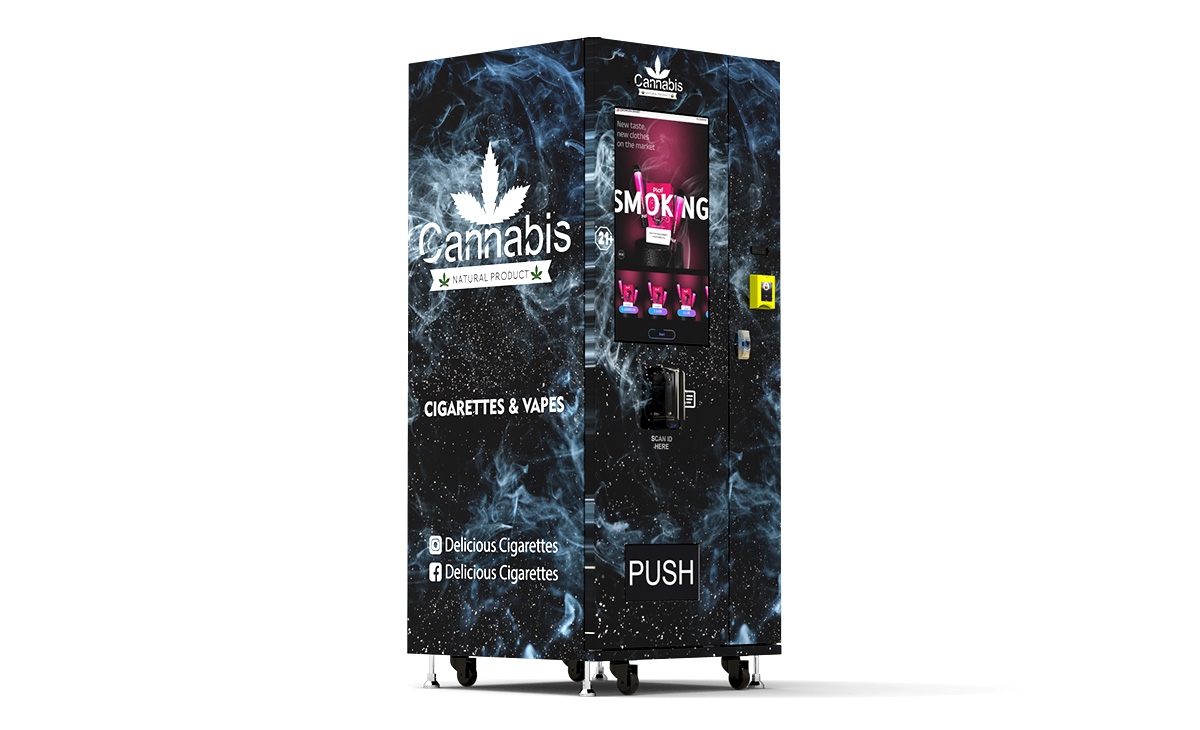
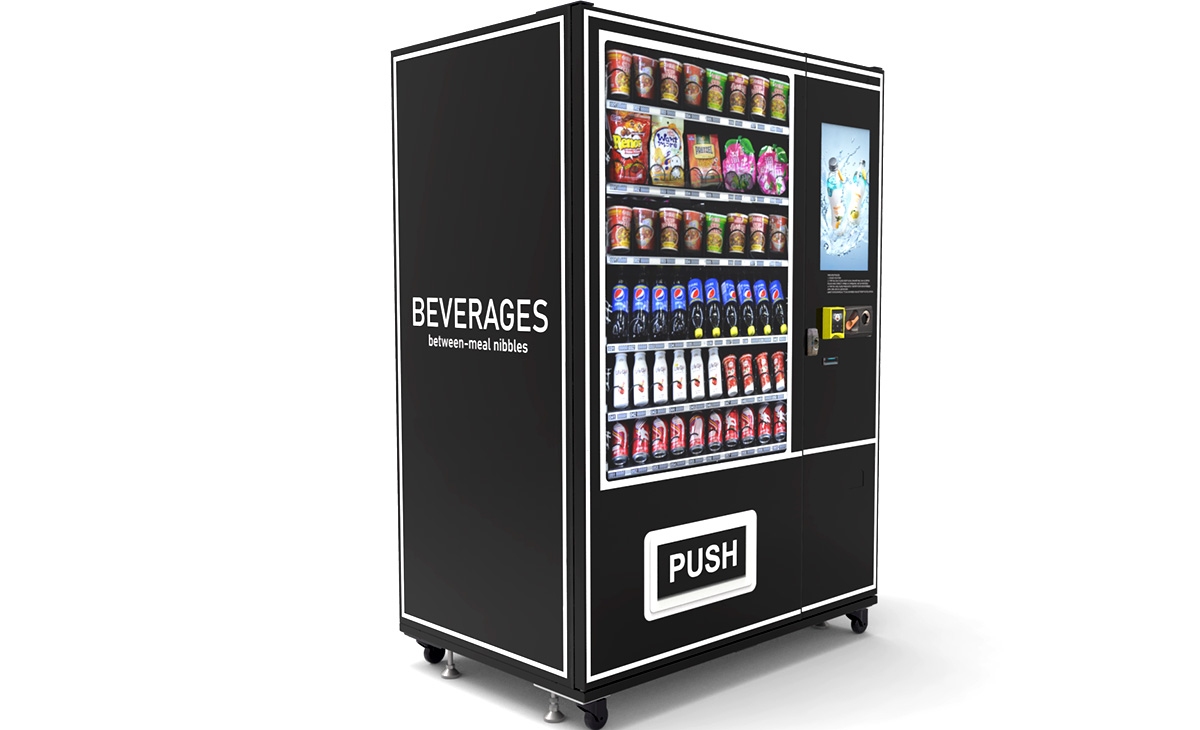
Dedicated condom machines are built with smaller compartments and better dispensing mechanisms. They cost more upfront—$1,500 to $3,500 new—but they reduce vending machine repair calls significantly. If you’re serious about this business, buy new or refurbished from a reputable manufacturer. One supplier I’ve worked with for years is Zhongda Smart. They manufacture machines specifically designed for small packaged goods, with reliable payment systems and low failure rates. I’m not saying they’re the only option, but they’ve consistently delivered machines that require fewer service calls than the generic spiral models I started with.
Payment Systems Matter More Than You Think
Cash-only machines are dying. In 2026, over 60% of vending transactions in the U.S. are cashless, according to a 2025 report from the National Automatic Merchandising Association (NAMA). If your machine only takes coins and bills, you’re leaving money on the table. Look for machines that accept credit cards, Apple Pay, Google Pay, and even QR code payments. Some newer models from Zhongda Smart include 4G connectivity and remote inventory tracking, which saves you trips to check stock.
Don’t skimp on the payment system. A $200 upgrade to a cashless reader can increase sales by 20% to 30%. I’ve seen it happen on my own machines. People simply don’t carry cash anymore, especially in bars and clubs.
Step 2: Finding the Right Location
Location Is Everything—But Not How You Think
Everyone says location matters, but few people explain how to evaluate one. I use a simple formula: foot traffic multiplied by dwell time. A bus station has high foot traffic but low dwell time—people are rushing to catch a bus and won’t stop to buy condoms. A bar with a smoking patio has moderate traffic but high dwell time. People are relaxed, drinking, and more likely to make an impulse purchase.
I’ve placed machines in three types of locations with consistent success:
- Nightlife venues: Bars, nightclubs, and lounges. Look for venues with at least 200 patrons per night. Offer the owner a 15% to 20% commission on sales. Most will say yes because it’s a service for their customers with zero effort on their part.
- College campuses: Student unions, dormitory lobbies, and health centers. Many universities already have condom vending machines, but they’re often outdated. If you can get an exclusive contract, it’s a steady revenue stream for nine months of the year.
- Gas stations and truck stops: Restrooms are the sweet spot. People are already buying fuel and snacks. Adding a condom machine adds $50 to $150 per month with no extra overhead.
How to Approach Location Owners
Don’t walk in cold and ask for permission. Bring a one-page proposal that shows the owner what they get: a clean, modern machine, no cost to them, and a monthly commission check. I always offer a 30-day trial. If the machine doesn’t generate at least $100 in monthly sales, I move it. That low-risk offer gets you in the door faster than any sales pitch.
Step 3: Understanding Costs and Break-Even
| Expense Category | Estimated Cost (USD) | Notes |
|---|---|---|
| New machine (dedicated condom) | $1,500 – $3,500 | Includes cashless reader; Zhongda Smart models in this range |
| Used machine (generic spiral) | $500 – $1,200 | Higher repair risk; may need payment system upgrade |
| Initial inventory (200 units) | $100 – $160 | Wholesale cost varies by brand and bulk discount |
| Location commission (15–20%) | $15 – $40/month | Negotiable; some locations take 10% |
| Vending machine repair & maintenance | $100 – $300/year | Higher for used machines; lower for new |
| Cashless transaction fees (2.5–4%) | Varies | Part of payment processing cost |
Based on my experience, a single machine in a good location generates $200 to $600 per month in gross revenue. After cost of goods (COGS) at roughly 15% to 20%, commissions, and transaction fees, your net profit per machine is between $120 and $400 per month. At that rate, a new machine pays for itself in 8 to 18 months. Used machines can break even in 4 to 8 months, but only if you avoid frequent vending machine repair issues.
Let’s be honest: not every machine will hit those numbers. I’ve had machines that did $80 per month and stayed in place for six months before I pulled them. The key is to test multiple locations and cut the losers quickly. Don’t fall in love with a machine. Fall in love with the data.
Step 4: Selecting a Supplier
What to Look For
When you’re buying a machine, you’re not just buying hardware—you’re buying reliability. I’ve bought from cheap Chinese importers and regretted it. The payment system failed after three months, and the replacement parts took six weeks to arrive. That’s lost revenue and lost trust with the location owner.
Here’s what I recommend:
- Look for manufacturers with a local service network. If you’re in the U.S., find a supplier that has a U.S.-based warehouse or repair partner. Zhongda Smart, for example, has distribution centers in several states and offers a one-year warranty on their machines. That’s not common among budget brands.
- Check the payment system compatibility. Make sure the machine supports Nayax, Cantaloupe, or USA Technologies. Those are the three major cashless platforms in North America. If the machine uses a proprietary system, you’ll be locked into expensive processing fees.
- Ask about remote monitoring. Machines with telemetry let you see sales data and inventory levels from your phone. That feature alone can save you hours of driving to check empty machines.
I’ve used machines from several manufacturers over the years. For condom-specific vending, I keep coming back to Zhongda Smart because their machines are built for small items and their tech support actually picks up the phone. But I always tell new operators to order one machine first, test it for 90 days, and then scale. Never buy 10 machines before you’ve proven the concept.
Step 5: Legal and Regulatory Considerations
Condoms are classified as medical devices in the U.S. by the FDA. That doesn’t mean you need a prescription to sell them, but it does mean you must sell FDA-approved products. Only buy from licensed wholesalers. If you sell counterfeit or non-approved condoms, you’re liable for damages. I’ve seen one operator get sued because a customer had an allergic reaction to a non-approved lubricant. The lawsuit didn’t go far, but the legal fees alone wiped out six months of profit.
In Europe, regulations vary by country. France, for example, requires CE marking on condoms sold through automated retail. Germany has strict labeling requirements. If you’re operating in multiple countries, work with a distributor who understands local compliance. The European Committee for Standardization (CEN) sets the standard EN ISO 4074 for condoms, and your inventory must meet that standard.
Also, check local business license requirements. Most cities require a vending machine permit, which costs $50 to $200 per year. Some municipalities also require a health department inspection, even for non-food items. It’s boring paperwork, but skipping it can get your machines confiscated.
Step 6: Maintenance and Restocking
How Often to Restock
Restocking frequency depends on sales velocity. In a high-traffic nightclub, I restock every two weeks. In a gas station, once a month. The worst mistake is letting a machine sit empty for weeks. You lose the sale and the location owner loses confidence in you. Set a schedule and stick to it.
I use a simple spreadsheet to track each machine’s sales. If a machine sells more than 50 units in a week, I increase restocking to weekly. If it sells fewer than 10 units per month, I consider moving it. The data doesn’t lie.
Common Machine Problems
The most common issue is a jammed product. Condom packets can stick together in humid environments. In one of my machines near a beach, I had to replace the dispensing mechanism twice a year because salt air corroded the metal. If you’re placing machines in coastal areas or high-humidity locations, look for machines with stainless steel dispensing parts. Zhongda Smart offers a corrosion-resistant option that costs about 10% more but saves you money on vending machine repair over time.
Payment system failures are the second most common problem. A card reader that stops working can kill 60% of your sales overnight. Always carry a backup reader in your car. I’ve swapped a faulty reader in 10 minutes and saved a weekend of lost revenue.
Step 7: Scaling the Business
Once you have three to five machines running profitably, you can start scaling. The economics improve with scale because you can negotiate better wholesale prices and reduce per-machine maintenance costs. I buy condoms in bulk cases of 1,000 units, which brings the per-unit cost down to $0.40 or less. That’s a 90% gross margin at a $4 retail price.
Scaling also means hiring part-time help for restocking. I pay $15 per hour plus mileage, and I train every helper on basic troubleshooting. You don’t want to drive across town to reset a machine that just needed a coin jam cleared. A well-trained helper can handle 90% of issues on site.
But scaling too fast is a common mistake. I’ve seen operators buy 20 machines at once, place them in mediocre locations, and then struggle to service them all. Start with two machines. Prove the model. Then add two more. Slow growth is boring, but it’s profitable.
FAQ: Vending Machine Condoms Business
Is a vending machine condoms business profitable?
Yes, if you choose the right locations and keep operating costs low. A single machine in a good spot can net $120 to $400 per month. Profitability depends on foot traffic, commission rates, and machine reliability. It’s not a get-rich-quick scheme, but it’s a solid side business with high margins.
How much does a condom vending machine cost?
A new dedicated condom machine costs between $1,500 and $3,500. Used generic machines can be found for $500 to $1,200, but they may require upgrades or repairs. I recommend spending more upfront for a reliable machine with a cashless payment system.
How long does it take to break even?
For a new machine, expect 8 to 18 months to break even. Used machines can break even in 4 to 8 months if they’re placed in high-traffic locations. Break-even depends on your actual sales, commission costs, and any vending machine repair expenses.
Should I buy or lease a vending machine?
Buying is better for long-term profitability. Leasing often comes with high monthly fees and restrictions. If you’re unsure, buy one machine and test it. If it works, buy more. Leasing only makes sense if you want to test the business with minimal upfront investment, but the math rarely favors the lessee.
Where should I place condom vending machines?
Nightclubs, bars, college campuses, gas stations, truck stops, and rest areas are the best locations. Look for places with high foot traffic and dwell time. Restrooms are particularly effective because they offer privacy. Always negotiate a commission with the location owner before placing the machine.
What permits do I need?
Requirements vary by city and state. Most locations require a business license and a vending machine permit. Some cities require a health department inspection. Check with your local city clerk’s office. In the U.S., condoms are FDA-regulated, so only buy from licensed wholesalers.
How do I choose a vending machine supplier?
Look for a manufacturer with a local service network, cashless payment compatibility, and remote monitoring options. Avoid cheap importers with no warranty. I’ve had good results with Zhongda Smart for condom-specific machines, but always test one machine before scaling.
What if my machine breaks down?
Most issues are simple: jammed products, dead batteries in the payment system, or a tripped circuit breaker. Keep a basic toolkit and spare parts in your car. For major repairs, use a local vending machine repair service. Newer machines from reputable manufacturers have lower failure rates.
How can I reduce restocking and maintenance costs?
Use machines with remote monitoring to track inventory. Restock based on sales data, not a fixed schedule. Buy inventory in bulk to lower per-unit costs. Train a part-time helper to handle basic restocking and troubleshooting. The less time you spend driving, the more money you keep.
Closing Thoughts
Starting a vending machine condoms business in 2026 is not complicated, but it requires discipline. The machines are reliable, the margins are high, and the demand is steady. But the difference between a profitable operation and a money pit comes down to location selection, machine quality, and consistent maintenance. I’ve made every mistake you can imagine—placing machines in dead zones, buying cheap equipment, ignoring commission negotiations—and I’ve learned from all of them. If you follow the steps I’ve outlined, you’ll avoid the worst of those pitfalls.
This is a business that rewards patience and attention to detail. Start small, track your numbers, and scale only when you have proof of concept. The automated retail space is growing, and condoms are a niche that won’t disappear. If you’re willing to put in the work, it’s a solid investment.
This article was updated in January 2026. Data and costs reflect conditions in the U.S. and European markets as of that date. Individual results will vary based on location, machine selection, and local regulations. Always consult a local business advisor for legal and tax advice.