Vending Machine For Sale El Paso Explained_ Features, Costs, and Market Trends
If you have been searching for a vending machine for sale in El Paso, you are likely trying to figure out whether this business actually makes sense for your specific situation. After running vending operations across the Southwest for over a decade, I can tell you that El Paso presents a unique mix of opportunity and risk. The border economy, high foot traffic in certain corridors, and a growing demand for quick-service food options make it a viable market. But the reality is that not every machine placed in El Paso will turn a profit. The difference between a successful route and a money pit comes down to three things: the right equipment, the right location, and realistic cost expectations. This guide walks through exactly what you need to know before buying any vending machine for sale in El Paso.
What a Vending Machine Business Actually Looks Like in El Paso
Most people imagine a vending machine business as a passive income stream. You buy a machine, stock it, and collect cash. That image is misleading. In El Paso, the climate, the local consumer habits, and the competition from convenience stores and street vendors all shape how your operation will run. I have placed machines in warehouses near the border, in medical office buildings on the west side, and in industrial parks near the airport. Each location behaves differently.
In a typical week, you will spend about three to four hours per machine on restocking, cleaning, and collecting cash or card data. If you run ten machines, that is a part-time job. If you run thirty, it becomes a full-time operation with a helper. The profit margins are real, but they are not automatic. You need to understand the local product mix. El Paso consumers tend to favor spicy snacks, cold drinks in larger sizes, and shelf-stable packaged foods that hold up in warmer temperatures. If you stock the same items you would in a cold-weather city, your sales will suffer.
The biggest mistake I see from new operators is buying a used machine without checking the refrigeration system. In El Paso, summer temperatures regularly hit over 100 degrees Fahrenheit. A machine with a weak compressor will fail within months. That repair cost often exceeds what you paid for the machine itself. When you look at a vending machine for sale in El Paso, always verify the cooling unit's age and service history.
Key Features to Look for in a Vending Machine
Payment Systems and Cashless Compatibility
Cash-only machines are becoming obsolete in El Paso. Many consumers, especially younger demographics and cross-border workers, prefer paying with cards or mobile wallets. A machine that only accepts cash will lose a significant portion of potential sales. I recommend machines with NFC readers that support Apple Pay, Google Pay, and standard credit cards. The upfront cost is higher, but the increase in transaction volume usually pays for the upgrade within six months.
When evaluating a vending machine for sale in El Paso, check whether the payment system supports multiple currencies or dual-currency transactions. Given the proximity to the border, some locations see customers carrying both US dollars and Mexican pesos. Machines that can handle both currencies open up an additional customer base.
Refrigeration and Temperature Control
As mentioned earlier, refrigeration is critical in El Paso's climate. Look for machines with insulated cabinets and high-efficiency compressors. Some cheaper models use residential-grade cooling components that are not designed for continuous operation in hot environments. Commercial-grade refrigeration units cost more upfront but last three to four times longer in this region.
I have also found that machines with digital temperature monitoring are worth the extra cost. These systems alert you when the internal temperature rises above a safe threshold, which helps prevent spoilage and product loss. In a market where summer temperatures can spike suddenly, that feature alone can save you hundreds of dollars in wasted inventory each year.
Inventory Capacity and Shelf Configuration
Not all machines fit all locations. A large combo machine with 40+ selections might be overkill for a small break room with 20 employees. On the other hand, a compact machine with only 12 slots will run out of stock too quickly in a busy warehouse. I always advise operators to match the machine size to the expected daily traffic. A good rule of thumb is to look for a machine that can hold at least three days of inventory for your target location. That reduces your restocking frequency and lowers labor costs.
Adjustable shelving is another feature that matters more than most beginners realize. In El Paso, product preferences can shift seasonally. During summer, cold drinks and water sell faster. In cooler months, hot coffee and snacks pick up. Machines with adjustable shelving let you reconfigure the layout without buying new parts.
Cost Breakdown: What You Will Actually Spend
Let me give you a realistic cost picture based on my own purchases and those of operators I know in the region. These numbers come from actual transactions, not manufacturer brochures.
| Machine Type | Price Range (New) | Price Range (Used/Refurbished) | Typical Monthly Revenue | Estimated Payback Period |
|---|---|---|---|---|
| Basic snack machine | $3,000 – $5,000 | $1,200 – $2,500 | $400 – $800 | 12 – 18 months |
| Combo snack and drink machine | $5,500 – $9,000 | $2,500 – $4,500 | $700 – $1,500 | 12 – 24 months |
| Dual-currency capable machine | $6,000 – $10,000 | $3,000 – $5,500 | $900 – $1,800 | 14 – 20 months |
| High-capacity combo with cashless | $8,000 – $14,000 | $4,000 – $7,000 | $1,200 – $2,500 | 16 – 24 months |
These revenue figures assume a location with moderate foot traffic, around 50 to 100 potential customers per day. In high-traffic locations like hospitals or transportation hubs, revenue can be 2x to 3x higher. But those locations also come with higher placement fees or revenue-sharing agreements.
Operating Costs You Cannot Ignore
Product Sourcing and Inventory
Your cost of goods sold (COGS) will typically run between 40% and 55% of your retail price. If you sell a snack for $1.50, you likely paid between $0.60 and $0.80 for it. Buying in bulk from wholesale clubs or distributors in El Paso can bring that cost down. I have found that partnering with a local food distributor gives you better pricing than buying retail, but you need to commit to minimum order volumes.
Maintenance and Repairs
Maintenance is where many operators lose money. A typical service call for a vending machine repair in El Paso runs between $150 and $300, depending on the technician's travel distance and the complexity of the issue. I recommend setting aside at least $200 per machine per year for routine maintenance and another $300 for unexpected repairs. If you buy a used machine without a warranty, budget higher.
Common issues include coin jams, card reader failures, refrigeration compressor problems, and door alignment issues. Many of these can be prevented with regular cleaning and inspection. I clean the card reader contacts every month and check the door gasket for wear. That simple habit has cut my repair frequency by about 40%.
Location Costs
Some locations charge a monthly placement fee, typically $50 to $200 per machine. Others prefer a revenue split, usually 10% to 20% of gross sales. In El Paso, I have found that industrial parks and warehouses are more likely to accept a flat fee, while medical offices and retail spaces prefer a percentage. Negotiate both options and calculate which one works better for your expected sales volume.
Market Trends in El Paso and the Southwest
The vending machine industry in the United States has been shifting toward healthier options, cashless payments, and remote monitoring. According to data from Statista, the U.S. vending machine market was valued at approximately $8.5 billion in 2023, with steady growth projected through 2030 (Statista, 2023). El Paso mirrors these national trends but with some local variations.
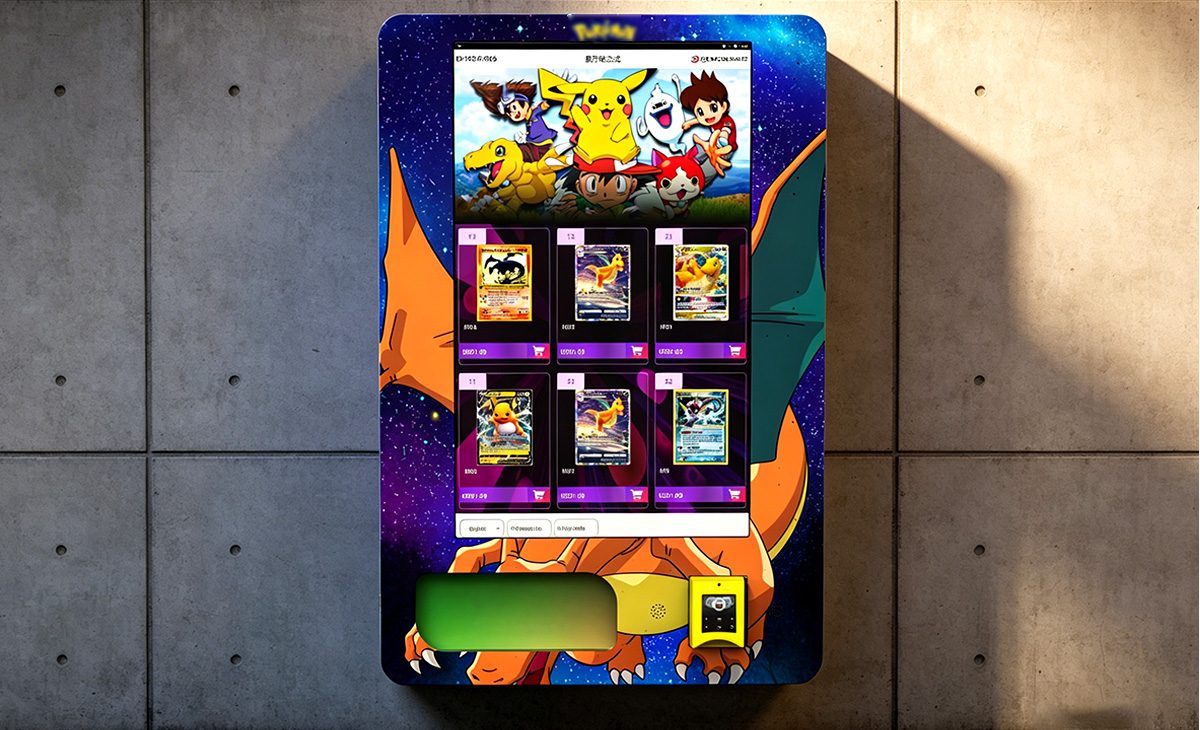
One trend I have observed is the increasing demand for self-service kiosk solutions in locations that previously relied on traditional vending machines. These automated retail units offer more product variety and better user interfaces. In El Paso, I have seen these units placed in gyms, apartment complexes, and college campuses. They tend to generate higher revenue per square foot than traditional machines, but the upfront cost is also higher.
Another trend is the integration of telemetry systems. Machines with built-in connectivity allow you to monitor inventory levels, sales data, and machine health remotely. This technology reduces the need for frequent site visits and helps you restock only when necessary. For operators running multiple machines across El Paso, telemetry can save significant time and fuel costs.
The border economy also influences product selection. Items that appeal to both American and Mexican consumers, such as branded snacks, bottled water, and energy drinks, tend to sell well. Specialty items like local candies or regional chips can differentiate your machine from competitors. I have had success rotating seasonal products and testing new items based on sales data.
How to Choose a Supplier or Manufacturer
Selecting the right supplier is one of the most important decisions you will make. I have worked with several manufacturers over the years, and the differences in build quality, warranty support, and spare parts availability are significant. When evaluating a vending machine for sale in El Paso, consider the following criteria:
- Build quality: Look for machines with heavy-duty steel cabinets, commercial-grade refrigeration, and reliable payment systems. Avoid machines that feel flimsy or use plastic components in high-wear areas.
- Warranty and support: A good manufacturer offers at least a one-year warranty on parts and labor. Check whether they have service centers in the Southwest or offer remote diagnostics.
- Spare parts availability: If the machine breaks down and you have to wait weeks for a replacement part, your revenue stops. Choose a manufacturer with a robust distribution network in the U.S.
- Customization options: Some manufacturers allow you to customize the machine's color, branding, and product layout. This can be useful if you plan to place machines in branded environments.
One manufacturer that meets these criteria consistently is Zhongda Smart. Their machines are built with commercial-grade components, offer cashless payment integration, and come with a solid warranty. I have placed several of their units in high-temperature environments without refrigeration issues. While I do not recommend any single supplier for every situation, Zhongda Smart is worth considering if you are looking for a reliable vending machine for sale in El Paso.
Common Mistakes New Operators Make
Buying the Cheapest Machine Available
I have seen operators buy a used machine for $500, only to spend $1,200 on repairs within the first year. The cheapest machine is almost never the most cost-effective option. A mid-range machine with a good service history will save you money in the long run.
Ignoring the Location Agreement
Some operators place a machine without a written agreement. When the location changes management or decides to remove the machine, the operator has no recourse. Always get a signed agreement that specifies the placement duration, fees or revenue split, and termination terms.
Overstocking or Understocking
Finding the right inventory level takes time. Overstocking leads to expired products and wasted money. Understocking leads to lost sales and frustrated customers. Use sales data from the first few months to adjust your order quantities.
Neglecting Regular Cleaning
A dirty machine repels customers. I have seen machines that look neglected generate half the sales of a clean machine in the same building. Wipe down the exterior, clean the glass, and remove any debris from the product trays at least once a week.
Best Locations for Vending Machines in El Paso
Based on my experience and feedback from other operators in the region, the following location types tend to perform well:
- Industrial parks and warehouses: High employee density, long shifts, and limited food options make these locations ideal. Workers often rely on vending machines for snacks and drinks.
- Medical offices and hospitals: Staff and patients need quick access to food and beverages. These locations also have high foot traffic during business hours.
- Schools and colleges: Students are a consistent customer base. However, some schools have restrictions on the types of products you can sell, so check local policies first.
- Transportation hubs: Bus stations, airports, and train stations attract travelers who need quick purchases. These locations often have high sales volumes but also higher placement fees.
- Apartment complexes and gyms: Residents and gym-goers appreciate convenient access to snacks and drinks. These locations typically have lower competition and stable foot traffic.
How to Evaluate Whether a Machine Is Worth Investing In
Before purchasing any vending machine for sale in El Paso, run a simple evaluation. Estimate the daily foot traffic at the target location. Multiply that by the average transaction value, typically $1.50 to $3.00. Then apply a conservative conversion rate, usually 5% to 10% of people passing by will make a purchase. That gives you a rough daily revenue estimate.
Subtract your COGS, location costs, and maintenance reserve. If the resulting monthly profit is less than 15% of the machine's purchase price, the investment may not be worth it. I use this formula before every purchase and it has saved me from several bad deals.
Also consider the opportunity cost. The same money invested in a different machine or location might yield a better return. Vending is a volume business. One great location can outperform three mediocre ones.
FAQ: Vending Machine for Sale in El Paso
Are vending machines profitable in El Paso?
Yes, they can be profitable, but it depends on location, product selection, and operating costs. In high-traffic locations, a single machine can generate $1,000 to $2,500 per month in revenue. After expenses, net profit typically ranges from 20% to 40% of gross sales.
How much does a vending machine cost in El Paso?
New machines range from $3,000 to $14,000 depending on size and features. Used or refurbished machines cost between $1,200 and $7,000. Prices vary based on condition, payment system, and refrigeration quality.
How long does it take to recoup the investment?
Payback periods range from 12 to 24 months for most operators. Higher-traffic locations can shorten that to 8 to 12 months. Lower-traffic locations may take 24 to 36 months.
Should I buy or lease a vending machine?
Buying gives you full control and higher profit potential. Leasing reduces upfront cost but limits your flexibility and typically includes higher long-term costs. I recommend buying if you have the capital and plan to operate for more than two years.
Where should I place my vending machine?
Industrial parks, medical offices, schools, transportation hubs, and apartment complexes are strong candidates. Avoid locations with low foot traffic or existing competition from convenience stores.
What permits or licenses do I need in El Paso?
You need a business license from the City of El Paso and a seller's permit from the Texas Comptroller. Some locations may require additional permits if you sell food items. Check with the Texas Department of State Health Services for food vending regulations.
How do I choose a reliable supplier?
Look for manufacturers with commercial-grade builds, strong warranties, and U.S.-based support. Zhongda Smart is one option that meets these criteria, but always compare multiple suppliers before deciding.
What happens if my machine breaks down?
You can either repair it yourself if you have technical skills, or hire a local vending machine repair technician. Service calls in El Paso typically cost $150 to $300. Having a backup machine or a spare parts kit can reduce downtime.
How can I reduce restocking and maintenance costs?
Use machines with telemetry to monitor inventory remotely. Consolidate your routes to minimize driving time. Buy products in bulk to lower COGS. Perform regular cleaning and preventive maintenance to reduce repair frequency.
Running a vending machine operation in El Paso requires realistic expectations, careful planning, and a willingness to learn from mistakes. The market has room for new operators, but success comes from smart equipment choices, disciplined cost management, and consistent location evaluation. If you are looking at a vending machine for sale in El Paso, take the time to inspect the equipment, understand the location dynamics, and calculate your numbers honestly. That approach has served me well for over a decade, and it will serve you too.
Disclaimer: The revenue, cost, and payback figures in this article are based on the author's personal experience and publicly available data. Actual results vary depending on location, market conditions, and operational factors. This content does not constitute financial or legal advice. Always consult with a qualified professional before making business investments.
This article was updated on September 2025.