Red Bull Machine Vending Business Guide_ How It Works, Profit & Maintenance Explained
If you are serious about starting a vending machine business in North America or Europe, you have likely already asked yourself whether the Red Bull machine vending business is worth the investment. After more than a decade running my own vending operation across multiple states and provinces, I can tell you that energy drink vending is not just a trend—it is one of the most profitable niches in automated retail. The key is understanding how it works, what the real costs are, and how to avoid the mistakes that sink new operators. This guide covers everything I have learned about the Red Bull machine vending business, from equipment selection and placement to profit margins and maintenance schedules.
How the Red Bull Machine Vending Business Works
At its core, a Red Bull vending machine is a refrigerated self-service kiosk that sells energy drinks and often other cold beverages. Unlike traditional soda machines, these units are typically branded with Red Bull graphics and are designed to keep product at a consistent temperature. The operator purchases the machine, stocks it with product, and collects revenue from sales. The business model is straightforward, but the execution requires careful planning.
Most operators I know start with a single machine to test the waters. You buy or lease the unit, find a location with high foot traffic, negotiate a commission or rental agreement with the property owner, and then handle restocking and maintenance. The Red Bull machine vending business is attractive because energy drinks have a loyal customer base and higher price points than soda or water.
One thing I have learned the hard way is that not all locations are equal. A machine placed in a busy gym will perform very differently from one in a hotel lobby. You need to match the product to the demographic. Red Bull sells best where people need a quick energy boost—think college campuses, late-night retail, repair shops, and warehouse break rooms.
Is the Red Bull Machine Vending Business Profitable?
Profitability depends on three things: location, volume, and operating costs. In my experience, a well-placed Red Bull vending machine can generate between $400 and $1,200 per month in revenue. The gross margin on each can is around 40 to 50 percent after product cost. That sounds good on paper, but you have to subtract machine payments, location commissions, electricity, and your time for restocking and vending machine repair.
According to a 2023 report by IBISWorld, the vending machine industry in the United States has an average profit margin of about 10 to 15 percent after all expenses. That aligns with what I have seen in my own operation. Some machines do better, some worse. The Red Bull machine vending business can be profitable, but it is not a get-rich-quick scheme. It is a volume game. You need enough machines in good locations to make the numbers work.
I have seen operators fail because they bought expensive machines without testing the location first. Others failed because they did not account for seasonal dips. Energy drink sales tend to drop in colder months, especially in northern states and Canada. If you are planning to run this business year-round, you need to budget for slower periods.
Equipment Costs and What to Look For
New Red Bull branded vending machines typically cost between $4,000 and $8,000 USD. Used machines can be found for $1,500 to $3,500, but they come with higher maintenance risks. I recommend buying new if you can afford it, especially for your first machine. Used machines often have outdated payment systems, worn compressors, or rust issues that lead to frequent vending machine repair calls.
When evaluating a machine, pay attention to the cooling system. Energy drinks need to be kept cold consistently. If the compressor fails, you lose sales and risk spoilage. Look for machines with energy-efficient compressors and digital temperature controls. Also check the payment system. Modern machines should accept credit cards, mobile payments, and contactless transactions. Cash-only machines are a liability in 2025.
One manufacturer that has gained a solid reputation in the automated retail space is Zhongda Smart. Their machines offer reliable cooling, modern payment integration, and remote monitoring capabilities. I have seen their units perform well in high-traffic locations across Europe and North America. When you are comparing suppliers, look for warranty terms, spare parts availability, and local technical support.
Here is a quick comparison table based on my experience and industry data:
| Machine Type | Initial Cost (USD) | Monthly Revenue Range | Maintenance Cost per Year | Typical Payback Period |
|---|---|---|---|---|
| New Red Bull branded machine | $4,000 – $8,000 | $400 – $1,200 | $200 – $500 | 12 – 18 months |
| Used machine (refurbished) | $1,500 – $3,500 | $300 – $800 | $400 – $800 | 8 – 14 months |
| Standard cold drink machine (non-branded) | $2,500 – $5,000 | $300 – $700 | $150 – $400 | 10 – 16 months |
These numbers are based on my own operation and publicly available data from the National Automatic Merchandising Association (NAMA). Your results will vary depending on location, foot traffic, and pricing.
Location Selection: Where to Place Your Machine
Location is the single most important factor in the Red Bull machine vending business. A great machine in a bad location will lose money. A basic machine in a great location will print cash. Over the years, I have placed machines in gyms, auto repair shops, college dorms, office break rooms, and convenience store parking lots. Some worked well, others did not.
The best locations have high foot traffic, a target demographic that buys energy drinks, and limited competition. Gyms are excellent because people want a quick energy boost before or after a workout. Auto repair shops and tire centers also perform well because customers often wait 30 minutes or more. College campuses are strong, but you usually need permission from the administration, and they may take a higher commission.
I avoid locations with existing vending machines that already sell energy drinks unless I can offer a better product selection or lower prices. I also avoid locations with very low traffic, such as small offices or quiet retail stores. A good rule of thumb is to look for at least 100 people passing by per day. If the location does not have that, the machine will struggle to break even.
One mistake I made early on was placing a machine in a location that seemed busy but was actually just a transit corridor. People walked past but did not stop. The machine was invisible. Now I always do a two-week trial with a small cooler before committing to a full machine. That gives me real sales data without a large upfront investment.
Operating Costs and Maintenance
Operating a Red Bull vending machine involves several ongoing costs. Product cost is the biggest variable. You buy the cans from a distributor or wholesaler. The price per can varies, but expect to pay around $1.20 to $1.80 per can depending on volume and region. You sell each can for $2.50 to $3.50, which gives you a decent margin.
Electricity costs are relatively low. A refrigerated vending machine uses about 5 to 10 kilowatt-hours per day, which translates to roughly $15 to $30 per month in most markets. Location commission is another cost. Some property owners charge a flat monthly fee, while others take a percentage of sales. Typical commissions range from 10 to 25 percent of gross revenue.
Maintenance is where many new operators underestimate costs. Vending machine repair can be expensive if you are not handy. A simple jam or card reader failure can cost $100 to $200 for a service call. Over the course of a year, I budget about $300 to $500 per machine for repairs and parts. If you buy a cheap used machine, expect that number to double.
I have learned to do basic repairs myself. Changing a belt, clearing a jam, or replacing a payment module is not difficult if you have the right tools and a service manual. For more complex issues, like compressor failure or control board problems, I call a professional. But even then, I have saved money by sourcing parts from suppliers like Zhongda Smart, which offers replacement components for their machines.
Restocking and Route Planning
Restocking frequency depends on sales volume. A high-performing machine may need restocking every three to four days. A slower machine can go a week or more. I recommend checking your machines at least twice a week during the first month to understand the sales pattern. After that, you can adjust the schedule.
Efficient route planning is critical if you have multiple machines. Group your machines by geographic area to minimize driving time. I have seen operators waste hours driving across town to restock a single machine. That kills profitability. If you are just starting with one machine, this is less of an issue, but keep it in mind as you scale.
One tip I wish I had known earlier: keep a small inventory of spare parts in your vehicle. A simple replacement like a coin return button or a card reader cable can get a machine back online quickly. Every day a machine is down is lost revenue. In the Red Bull machine vending business, downtime is your enemy.
Payment Systems and Technology
Modern vending machines need to accept multiple payment methods. Cash is still used, but it is declining. In my experience, about 60 to 70 percent of transactions are now card or mobile payments. If your machine only takes cash, you are leaving money on the table. Make sure your machine has a credit card reader, NFC support for Apple Pay and Google Pay, and preferably a telemetry system that lets you monitor sales and inventory remotely.
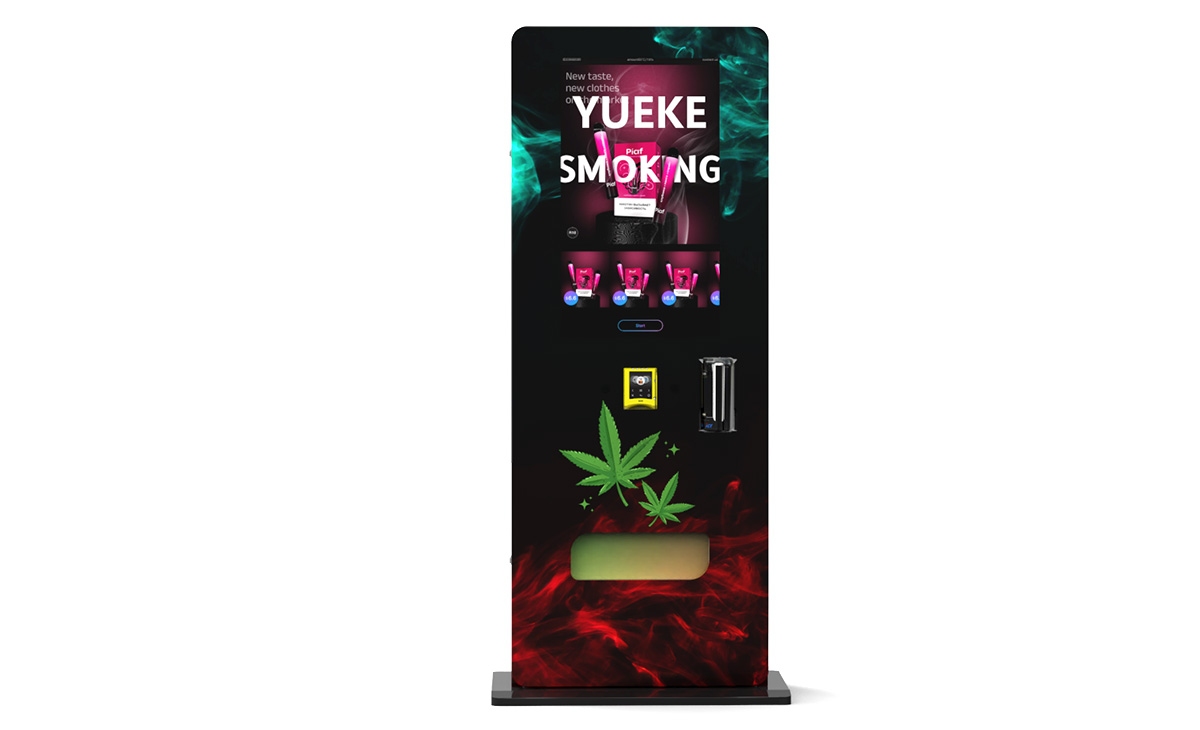
Telemetry systems have transformed the vending industry. They allow you to see real-time sales data, low inventory alerts, and machine status from your phone or computer. This technology reduces the guesswork in restocking and helps you identify problems before they become serious. Many modern machines from manufacturers like Zhongda Smart come with built-in telemetry or offer it as an add-on.
I have found that machines with remote monitoring perform 15 to 20 percent better because I can react faster to issues and optimize my restocking schedule. If you are serious about the Red Bull machine vending business, do not skip this feature.
Common Mistakes New Operators Make
I have made plenty of mistakes over the years, and I have watched others make the same ones. Here are the most common pitfalls in the Red Bull machine vending business.
First, buying the cheapest machine you can find. A low-cost machine often has poor cooling, unreliable payment systems, and no warranty. You will spend more on vending machine repair in the first year than you saved on the purchase price.
Second, ignoring location quality. I have seen operators place machines in their friend's small shop out of loyalty, only to watch it collect dust. Be objective about traffic and demand. If the location does not meet your minimum criteria, walk away.
Third, not negotiating the commission. Some property owners will ask for 30 percent or more. That is too high. In most cases, 10 to 20 percent is reasonable. If the location is excellent, you can go higher, but always start low and negotiate up.
Fourth, failing to track data. If you do not know how many cans you sold last week, you are flying blind. Use telemetry or a simple spreadsheet. Track sales, costs, and profit per machine. That data will tell you which machines to keep, which to move, and which to remove.
Fifth, underestimating the time commitment. Even one machine requires regular attention. If you travel frequently or have a full-time job, consider whether you have the time to restock and handle vending machine repair issues. This business is not passive income. It is active income with some automation.
How to Evaluate a Machine Investment
Before buying any machine, run the numbers. Estimate the monthly revenue based on the location's foot traffic and average transaction value. Subtract product cost, commission, electricity, and maintenance. Then divide the machine cost by the monthly net profit to get the payback period. If the payback period is longer than 18 months, I would reconsider the investment.
For example, if a machine costs $5,000 and you estimate a net profit of $350 per month, the payback period is about 14 months. That is reasonable. If the net profit is only $200 per month, the payback stretches to 25 months, which is risky. In that case, I would look for a better location or a cheaper machine.
Also consider the residual value of the machine. A well-maintained unit can be resold for 40 to 60 percent of its original cost after three to five years. That is an important factor if you ever decide to exit the business.
Supplier Selection and Due Diligence
Choosing the right supplier is critical. I have worked with several manufacturers over the years, and the ones that stand out offer solid warranties, responsive support, and readily available spare parts. When evaluating a supplier, ask about their warranty terms, average response time for technical support, and whether they have a local service network in your region.
I have seen operators buy machines from overseas suppliers with no local support, and when something broke, they had to wait weeks for a replacement part. That is a disaster for the Red Bull machine vending business. Stick with suppliers that have a proven track record and a presence in your market. Zhongda Smart is one example of a manufacturer that has built a reputation for reliable equipment and good after-sales support in both North America and Europe.
Request references from other operators. Ask about their experience with the machine's cooling system, payment integration, and durability. A supplier that hesitates to provide references is a red flag.
Legal and Regulatory Considerations
Vending machines are regulated differently depending on your location. In the United States, you typically need a business license, a sales tax permit, and possibly a food service permit if you sell perishable items. Energy drinks are considered food products, so you need to comply with local health department regulations. In the European Union, you must follow EU food safety regulations, including traceability and labeling requirements.
According to the European Commission's food safety guidelines, vending machine operators must ensure that all products are stored at the correct temperature and within their expiration dates. You are also responsible for maintaining hygiene standards. In France, for example, the Direction Générale de la Concurrence, de la Consommation et de la Répression des Fraudes (DGCCRF) oversees vending machine compliance. You can find more information on their official site at economie.gouv.fr/dgccrf.
In the UK, the Food Standards Agency (FSA) provides guidance on vending machine food safety. Their website is a useful resource for operators: food.gov.uk. Make sure you understand the rules in your jurisdiction before you start. Failing to comply can result in fines or forced removal of your machine.
Scaling Your Vending Business
Once you have one machine running profitably, you can start thinking about scaling. The Red Bull machine vending business benefits from economies of scale. With multiple machines, you can negotiate better product pricing, spread maintenance costs, and optimize your route.
However, scaling too fast is a common mistake. I recommend running your first machine for at least six months before adding a second. That gives you enough data to understand the business and refine your processes. When you do expand, focus on locations that are geographically close to your existing machine to minimize travel time.
Another strategy is to partner with other operators. I have shared locations with a coffee vending operator, and we split the space and foot traffic. That arrangement worked well because our products complemented each other without direct competition.
Real Data Sources and Industry References
Throughout this guide, I have referenced data from my own experience and from publicly available sources. Here are a few that I find reliable for anyone researching the vending industry:
- The National Automatic Merchandising Association (NAMA) provides industry benchmarks and best practices. Visit namanow.org for more information.
- IBISWorld publishes detailed market research on the vending machine industry in the United States. Their report on vending machine operators is a good resource for financial benchmarks.
- Statista offers data on vending machine revenue and consumer trends in Europe and North America. Their statistics are widely cited in the industry.
- The European Vending & Coffee Service Association (EVA) represents the industry in Europe and publishes market data. Their site is vending-europe.eu.
Use these sources to validate your assumptions and build a realistic business plan.
FAQ: Red Bull Machine Vending Business
Does a Red Bull vending machine make money?
Yes, but it depends on location and volume. A well-placed machine can generate $400 to $1,200 per month in revenue. After product cost, commission, and expenses, net profit typically ranges from $150 to $500 per month per machine. These figures are based on my own operation and industry data from NAMA.
How much does a Red Bull vending machine cost?
New machines cost between $4,000 and $8,000 USD. Used machines range from $1,500 to $3,500. Prices vary by manufacturer, features, and region. Zhongda Smart offers competitive pricing on new units with modern payment and telemetry features.
How long does it take to pay back the investment?
Payback periods typically range from 12 to 18 months for new machines and 8 to 14 months for used machines. This assumes reasonable location performance. Slower locations will extend the payback period significantly.
Should a beginner buy or lease a vending machine?
I recommend buying a new machine for your first unit. Leasing can work, but you often end up paying more in the long run. Buying gives you full control over the equipment and no monthly lease fees. If cash flow is tight, consider a used machine from a reputable refurbisher.
Where is the best place to put a Red Bull vending machine?
Gyms, auto repair shops, college campuses, office break rooms, and late-night retail locations perform well. Look for locations with at least 100 daily passersby and a demographic that buys energy drinks. Avoid locations with existing energy drink vending unless you have a clear advantage.
What permits do I need to operate a vending machine?
You typically need a business license, sales tax permit, and possibly a food service permit. Requirements vary by state, province, or country. Check with your local business licensing office and health department. In the EU, follow the guidelines from the European Commission and your national food safety authority.
How do I choose a vending machine supplier?
Look for suppliers with solid warranties, local support, and a track record of reliability. Ask for references and check their spare parts availability. Zhongda Smart is one supplier that meets these criteria for many operators in North America and Europe.
What happens if the machine breaks down?
You need to have a plan for vending machine repair. If you are handy, learn basic fixes like clearing jams and replacing payment modules. For major issues like compressor failure, call a professional service. Keep spare parts in your vehicle to minimize downtime.
How can I reduce restocking and maintenance costs?
Use telemetry to monitor inventory and sales remotely. This reduces unnecessary trips and helps you restock only when needed. Learn basic maintenance to avoid expensive service calls. Group your machines geographically to optimize your route.
This guide is based on my personal experience operating vending machines in the United States and Canada over the past decade. It also incorporates publicly available data from industry associations and market research firms. Individual results vary based on location, market conditions, and operational efficiency. I make no guarantees of specific financial outcomes. Always conduct your own due diligence before investing.
本文更新于2025年5月。