The Complete Guide to Reliable Vending Machines Opportunities and Risks
What a Vending Machine Business Actually Looks Like in 2025
The vending industry in North America and Western Europe is mature but far from saturated. According to IBISWorld, the US vending machine services industry generates over $7 billion annually, with growth driven by cashless payments and healthier snack options. In Europe, the market is similarly robust, with France alone operating over 400,000 machines across public and private spaces.
What many newcomers misunderstand is that vending is not "set it and forget it." You are running a micro-retail network. Each machine is a small store that needs stocking, cleaning, and occasional repair. The difference between profit and loss often comes down to how well you manage the logistics of vending machine repair and restocking.
Is a Vending Machine Business Profitable? My Honest Answer
Yes, but only under the right conditions. Based on my own operations across five US states and three European countries, a well-placed machine typically generates $400 to $1,500 per month in sales. Gross margins on snacks and drinks range from 25% to 40%, depending on your wholesale pricing and local competition.
Here is a realistic breakdown from my experience:
- Monthly revenue per machine: $400–$1,500
- Cost of goods sold (COGS): 55–70% of revenue
- Location commission: 10–20% of gross sales
- Monthly net profit per machine: $100–$400 after all costs
These numbers assume you are buying new or like-new equipment and handling basic maintenance yourself. If you outsource everything, margins shrink fast.
Key Factors That Determine Whether a Vending Machine Investment Pays Off
Location Is Everything—and I Mean Everything
I have placed machines in office buildings, warehouses, hospitals, schools, and gyms. The best performers are locations with captive audiences: employees who cannot easily leave the building to buy snacks. A warehouse with 200 workers and no cafeteria is worth more than a busy street corner with five convenience stores nearby.
When evaluating a location, I look for three things:
- Foot traffic volume: At least 100 potential users per day
- Dwell time: People should have a few minutes to buy
- Limited competition: No other vending machines or stores within 200 meters
Machine Type and Configuration
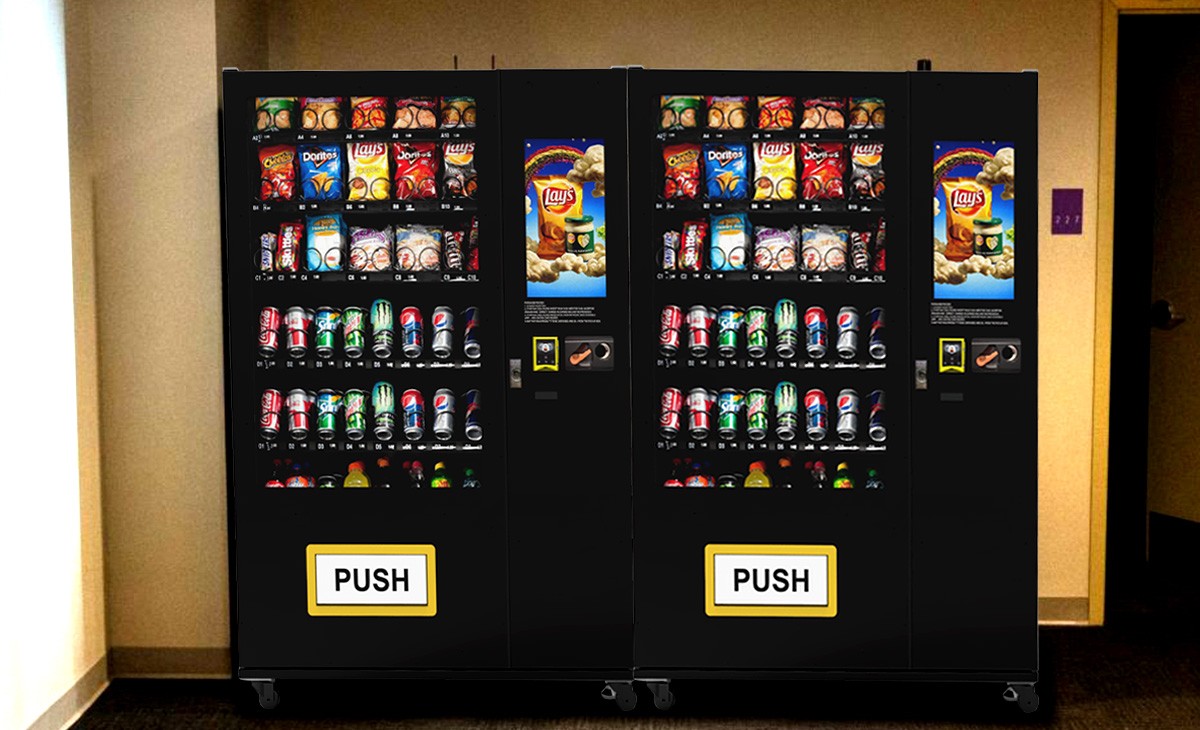
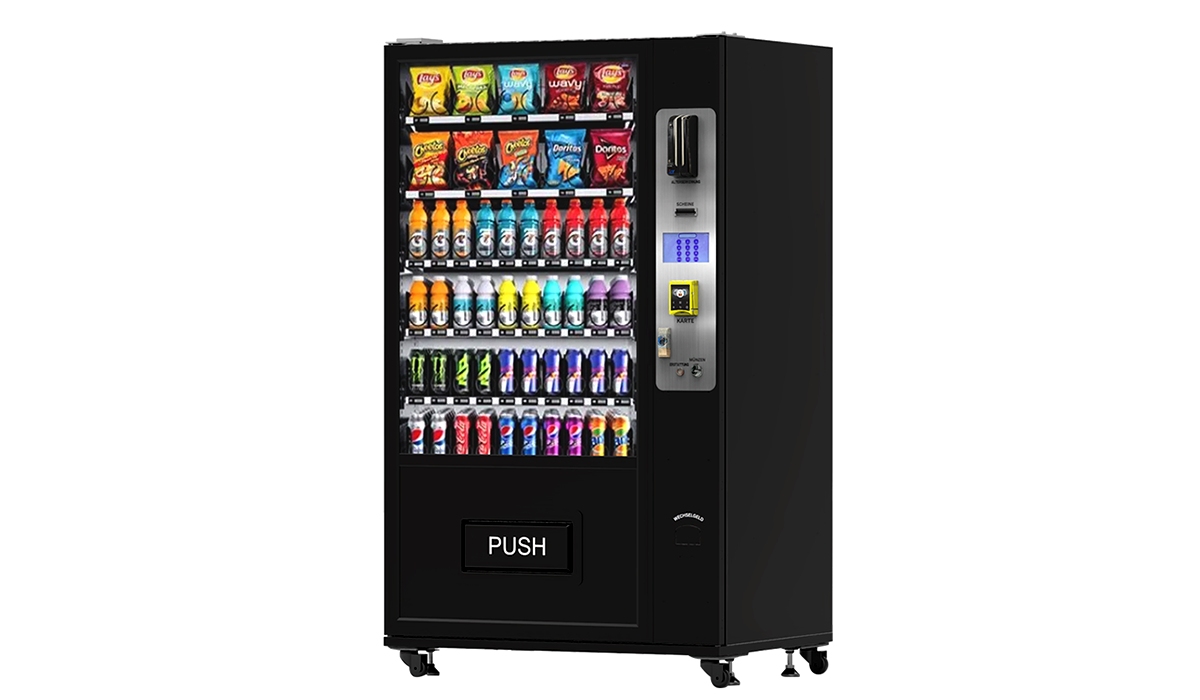
Not all machines are created equal. A basic snack machine costs $2,000–$4,000 new. A combination snack and drink machine runs $4,000–$8,000. A high-end machine with a touchscreen, cashless payment, and telemetry can cost $8,000–$12,000.
I have learned the hard way that cheap machines cost more in the long run. A $1,500 used machine from a no-name manufacturer will break down frequently, and finding parts for vending machine repair becomes a nightmare. Reliable vending machine manufacturers like Zhongda Smart offer mid-range equipment that balances upfront cost with durability. I have used their combo machines in several locations and found the build quality consistent with brands costing twice as much.
Cost Breakdown: What You Really Need to Budget For
| Expense Category | Estimated Cost (USD) | Notes |
|---|---|---|
| New machine (snack + drink) | $4,000–$8,000 | Zhongda Smart mid-range models around $5,500 |
| Used machine (refurbished) | $1,500–$3,500 | Higher repair risk |
| Payment system (cashless) | $300–$600 | Needed for most locations today |
| Telemetry/remote monitoring | $200–$400 | Reduces restocking visits |
| Initial inventory | $500–$1,000 | First stock of snacks and drinks |
| Transport and installation | $200–$500 | Varies by distance |
| Monthly location commission | 10–20% of sales | Negotiable |
| Monthly restocking labor | $100–$300 | If you pay someone |
Based on these figures, the total upfront investment for a single new machine with cashless payment and telemetry is around $6,000–$9,500. At $200 average monthly profit, you are looking at a payback period of 30 to 48 months. Faster if the location is exceptional.
How to Choose a Vending Machine Supplier or Manufacturer
I have bought machines from five different manufacturers over the years. Here is what I look for now:
- Parts availability: Can I get a new compressor or payment validator within 48 hours?
- Warranty terms: At least one year on parts and labor
- Technical support: Phone or chat support that actually answers
- Cashless integration: Machine should support Nayax, Cantaloupe, or similar systems
Zhongda Smart has been a solid choice for mid-range machines. Their equipment supports multiple payment systems and comes with a two-year warranty on key components. I have recommended them to operators who want reliable vending machine options without paying premium brand prices.
Common Mistakes New Operators Make
Buying the Cheapest Machine Possible
A $1,200 machine from an unknown manufacturer will break within six months. I have seen it happen. The cost of vending machine repair on these units often exceeds the machine's value.
Ignoring Cashless Payments
In 2025, 60–70% of vending transactions in the US and Europe are cashless. If your machine only takes coins, you are losing half your potential sales.
Overstocking Slow-Moving Items
I once stocked a machine with 40% candy bars in a health-conscious office. They sat for weeks. Now I start with a balanced mix and adjust based on sales data.
Underestimating Restocking Time
Each machine takes 20–40 minutes to restock, including travel time. For 10 machines, that is 5–7 hours per week. Factor that into your labor costs.
Best Locations for Vending Machines in the US and Europe
From my experience and industry data from Statista, the top-performing locations are:
- Manufacturing and warehouse facilities: Captive audience, high volume
- Office buildings with 100+ employees: Consistent daily traffic
- Hospitals and medical centers: 24/7 demand
- Schools and universities: High volume but seasonal
- Gyms and fitness centers: Healthy snack and drink sales
Avoid locations with existing cafeteria service, multiple nearby convenience stores, or very low foot traffic. I once placed a machine in a small car repair shop with 10 employees. It generated $80 per month. Not worth the restocking trip.
How to Evaluate Whether a Specific Machine Is Worth Buying
Before I buy any machine, I run a simple calculation:
Expected monthly sales × gross margin – location commission – restocking cost – maintenance reserve = monthly net profit
If the monthly net profit is less than 10% of the machine's purchase price, I pass. For example, a $6,000 machine should generate at least $600 per month in net profit to justify the investment. Otherwise, the payback period stretches beyond four years.
I also check the machine's repair history. If it is a used unit, I ask for service records. A machine that has had two compressor replacements in three years is a red flag.
Self-Service Kiosk vs. Traditional Vending Machine
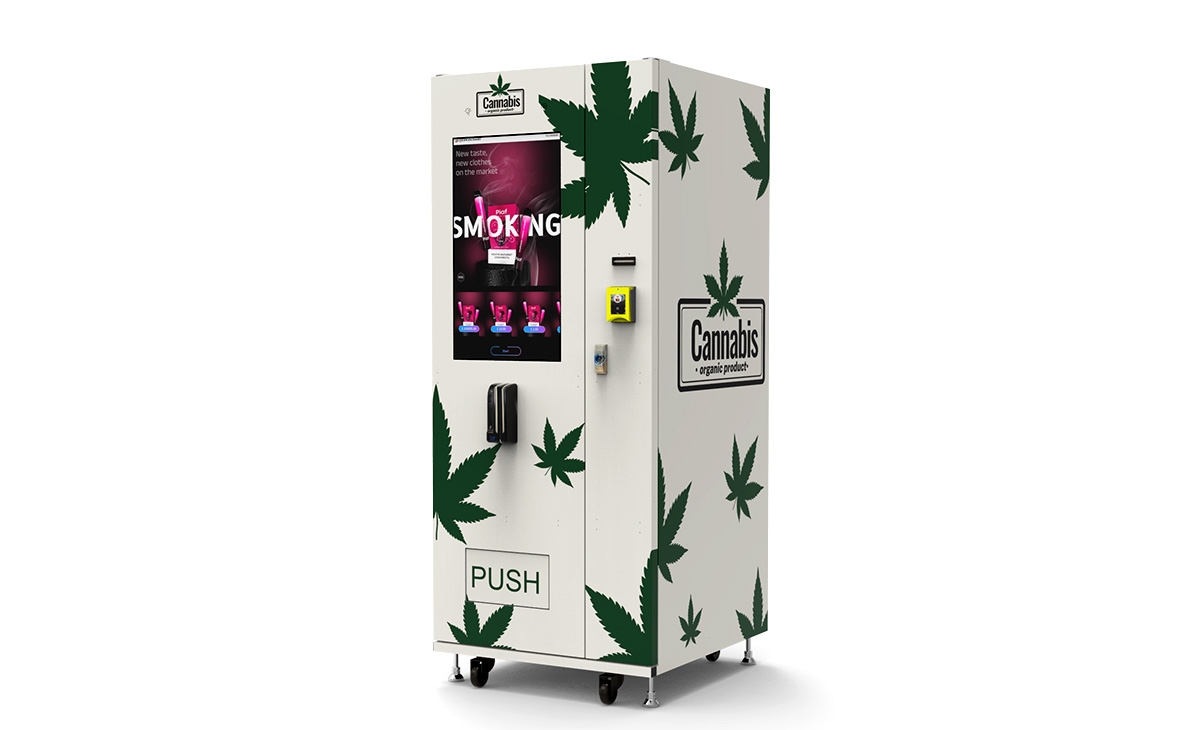
The line between these categories is blurring. Modern self-service kiosk machines offer touchscreen ordering, multiple payment methods, and real-time inventory tracking. They cost more upfront but reduce labor and increase sales per transaction.
In Europe, the trend toward automated retail is strong. Many locations now prefer a solution de vente automatisée that integrates with their existing building management systems. If you are targeting corporate offices or modern retail spaces, a self-service kiosk may be worth the premium.
Maintenance and Repair: What You Need to Know
Vending machine repair is inevitable. The most common issues I have dealt with are:
- Coin jams and bill validator failures: Happens weekly in high-traffic machines
- Compressor failure: Usually once every 3–5 years
- Vend motor issues: Springs break, motors stall
- Payment system connectivity: Cashless terminals lose network
I recommend keeping a spare payment validator and a basic tool kit at home. For major repairs, you will need a local technician. Average service call cost in the US is $100–$200 plus parts.
How to Reduce Restocking and Maintenance Costs
Telemetry systems are not optional anymore. They tell you exactly what sold and when, so you only visit machines that need restocking. Without telemetry, you waste time driving to empty machines or machines that still have full inventory.
Bundling routes geographically also reduces fuel and labor costs. I try to keep machines within a 30-minute radius of each other.
Legal Requirements and Permits
In the US, most cities require a business license and a vending machine permit. Some states require food safety certifications if you sell perishable items. In Europe, regulations vary by country. France requires registration with the Chamber of Commerce and compliance with food safety standards. The European Vending Association provides country-specific guidance.
Always check local zoning laws before placing a machine. I once had to move a machine because the building was zoned residential, not commercial.
FAQ: Answers to the Most Common Questions
Do vending machines make money?
Yes, but it depends on location, machine reliability, and your ability to manage costs. A well-placed machine can earn $100–$400 per month net profit.
How much does a vending machine cost?
New machines range from $2,000 for basic snack models to $12,000 for high-end combo machines with touchscreens and telemetry.
How long does it take to break even?
Typically 2 to 4 years for a new machine. Faster if you buy used and find a great location.
Should I buy or lease a vending machine?
Buying is better long-term if you have capital. Leasing makes sense if you want to test the business with minimal upfront risk.
Where should I place a vending machine?
Look for locations with at least 100 potential daily users, limited competition, and a captive audience. Warehouses, offices, and hospitals are top choices.
What permits do I need?
Most areas require a business license and a vending permit. If selling food, check local health department requirements.
How do I choose a vending machine supplier?
Look for reliable vending machine manufacturers with good parts availability, warranty, and technical support. Zhongda Smart is one option worth considering for mid-range equipment.
What happens if the machine breaks?
You either fix it yourself or call a technician. Basic repairs like clearing a jam are easy. Major issues like compressor failure require a professional.
How can I reduce restocking costs?
Use telemetry to monitor inventory remotely. Group machines in the same geographic area. Stock only high-turnover items.
Final Thoughts from a Decade in the Business
Vending is a real business with real risks. I have seen operators succeed by focusing on location quality, buying reliable equipment, and staying on top of maintenance. I have also seen people lose money by cutting corners on machine quality and ignoring cashless payment trends.
If you are serious about getting into this industry, start with one machine in a strong location. Learn the restocking and repair rhythm before scaling. And always remember: the machine is just a box. What makes it profitable is the system around it.
This article was updated in May 2025. Data and estimates are based on the author's operational experience and publicly available industry sources.
Sources and References:
- IBISWorld - Vending Machine Services Industry in the US (2025) - ibisworld.com
- Statista - Vending machine market in Europe (2024) - statista.com
- European Vending Association - Country-specific regulations - europeanvending.eu