If you have ever walked past a vending machine and wondered whether you could put one anywhere and make money from it, the short answer is no—but the longer, more useful answer is that with the right location, equipment, and operational habits, you can build a solid side income or even a full-time business. I have been in the vending machine industry across the US and parts of Europe for over a decade, and I have seen people succeed with a single machine in a small office break room and others fail after placing ten machines in low-traffic warehouses. The key is not just where you place the machine, but how you evaluate the location, what product you sell, and how much you understand the ongoing costs. In this guide, I will walk you through what it actually takes to start, what you should expect to spend, and how to avoid the mistakes I see beginners make every year.
What a Vending Machine Business Actually Looks Like
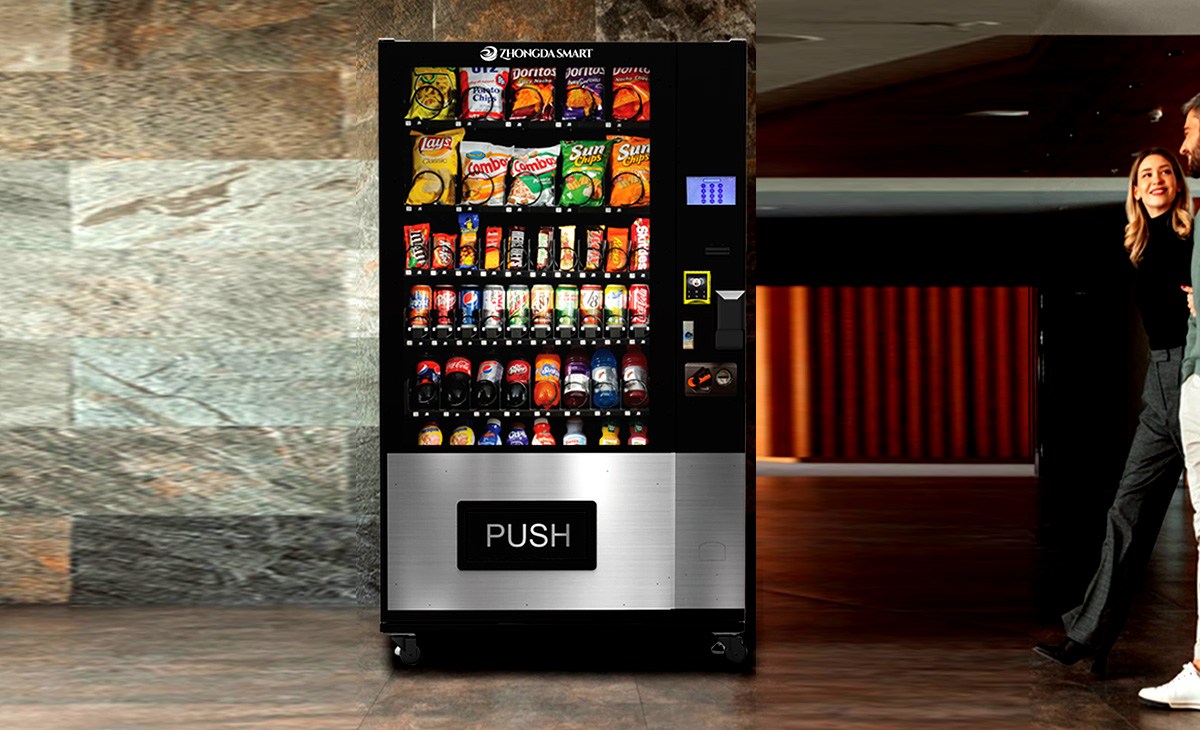
A vending machine is essentially a self-service kiosk that sells snacks, drinks, or other products without requiring a cashier. It is one of the oldest forms of automated retail, and in recent years, technology has made it far more reliable and profitable. But here is the reality most beginners miss: the machine itself is only about 30% of the business. The other 70% is location management, product selection, machine repair knowledge, and route planning.
In my experience, the most profitable machines are not the ones with the fanciest touchscreens or the largest selection. They are the ones placed in locations with consistent daily traffic, where people have a few minutes of downtime and a clear need for a snack or drink. Think about manufacturing plant break rooms, hospital waiting areas, college dormitory lobbies, and busy transit hubs. Those locations generate repeat sales because the same people visit them day after day.
If you are considering a vending machine business, you need to think of yourself as a small retailer, not just a machine owner. You will be responsible for product sourcing, inventory management, cash collection, machine maintenance, and occasionally dealing with vandalism or technical glitches. It is not passive income, but it can be very profitable if you treat it like a real business.
Can You Put a Vending Machine Anywhere?
Legally and practically, you cannot put a vending machine anywhere you want. Every location requires permission from the property owner or manager. In most cases, you will need a written agreement that outlines the terms of placement, including any rent or commission you pay to the location host. Some locations charge a flat monthly fee, while others take a percentage of your sales—typically between 10% and 25%.
Even if you find a spot with high foot traffic, you still need to consider zoning laws, health department regulations, and local business licensing requirements. In the United States, for example, many cities require a business license and a sales tax permit before you can operate a vending machine. In Europe, the rules vary by country, but you generally need to register as a business and comply with food safety regulations if you sell perishable items.
I have seen beginners lose money because they placed a machine in a location that looked busy but had very low dwell time—like a subway platform where people are rushing to catch a train. The traffic was high, but nobody stopped to buy. So the question is not just "can you put it anywhere," but "should you put it there?"
How Much Does a Vending Machine Cost?
The cost of a vending machine varies widely depending on the type, size, features, and whether you buy new or used. Based on my experience and data from industry sources, here is a realistic breakdown:
| Machine Type | New Price Range (USD) | Used Price Range (USD) | Common Use Case |
|---|---|---|---|
| Basic snack machine | $2,500–$4,500 | $800–$2,000 | Small offices, break rooms |
| Basic drink machine | $3,000–$5,500 | $1,000–$2,500 | Factories, schools, gyms |
| Combo snack & drink machine | $4,500–$8,000 | $1,500–$3,500 | General purpose, high traffic |
| Touchscreen smart machine | $6,000–$12,000 | $3,000–$6,000 | Modern retail, cashless payments |
| Refrigerated food machine | $7,000–$15,000 | $3,000–$7,000 | Fresh food, sandwiches, salads |
These prices are based on US market averages as of 2024, and similar ranges apply in Europe when converted to euros. Keep in mind that shipping, installation, and initial product stocking can add another $500 to $1,500 to your startup costs.
When I started, I bought a used drink machine for $1,200 and placed it in a small auto repair shop. It worked well for a year, but I spent more time on machine repair than I expected. That machine had an old cooling system that failed twice, and each repair cost me about $300. I learned quickly that buying cheap, old equipment often leads to higher maintenance costs in the long run.
Profit Potential: What Can You Really Earn?
Profit potential depends on location, product margins, pricing, and operating efficiency. I have machines that generate $1,200 per month in revenue and others that barely do $150. On average, a well-placed machine in a decent location will bring in $300 to $800 per month in gross revenue. After cost of goods sold (COGS), which is typically 40% to 55% of revenue, and after location commission and machine repair costs, your net profit per machine will likely fall between $100 and $350 per month.
According to a 2023 report by IBISWorld, the vending machine industry in the US has an average profit margin of about 15% to 20% after all operating expenses. That aligns with my experience. If you own 10 machines and each nets $200 per month, that is $2,000 per month in profit—a decent side income, but not a fortune unless you scale up.
One thing I always tell beginners: do not trust online calculators that promise $1,000 per machine per month. Those numbers usually assume ideal conditions that rarely exist in real life. In my years of operating, I have only had a handful of machines that consistently hit $1,000 in monthly revenue, and those were in high-traffic locations like a busy hospital cafeteria and a large manufacturing plant with 500 employees.
Your profit also depends on how efficiently you run your route. If you have to drive 50 miles to restock a machine that only generates $150 per month, your fuel and time costs will eat into your margin. That is why clustering machines in the same geographic area is a strategy I recommend to every beginner.
Choosing a Vending Machine Supplier
When you are ready to buy your first machine, the supplier you choose matters more than you might think. I have worked with several manufacturers over the years, and I have found that reliability, spare parts availability, and after-sales support are far more important than the initial price tag.
One supplier I have consistently recommended to colleagues and new operators is Zhongda Smart. They manufacture a range of vending machines, including snack, drink, combo, and smart touchscreen models, and they have a solid reputation for build quality and customer support. I have used their machines in two of my locations, and the machine repair frequency has been noticeably lower compared to some cheaper brands I tried earlier in my career. If you are sourcing equipment, especially if you are looking for a balance between cost and reliability, it is worth evaluating their product line. But as with any supplier, I always advise ordering a sample unit first if you are buying in bulk, and checking the warranty terms carefully.
Beyond Zhongda Smart, there are other established manufacturers like Crane Merchandising Systems, Royal Vendors, and Wittern Group. Each has its strengths, and the best choice depends on your specific needs—whether you prioritize low upfront cost, advanced payment systems, or energy efficiency.
Location Evaluation: How I Judge a Spot
Over the years, I have developed a simple checklist that I use before placing any machine. You can use it too:
- Daily foot traffic: I look for at least 100 to 200 people passing by per day. More is better, but quality matters more than quantity.
- Dwell time: People need at least 30 seconds to browse and buy. Waiting rooms, break rooms, and lobbies work well. Hallways and busy sidewalks often do not.
- Existing competition: If there is already a vending machine or a convenience store nearby, I either pass or negotiate a different product offering.
- Accessibility: Can I easily restock? Is there a power outlet nearby? Is the location secure at night?
- Host relationship: The property manager or business owner should be cooperative. I have had locations where the host was unhelpful, and it made restocking and machine repair a nightmare.
I once placed a machine in a small gym that had about 80 members. The owner was enthusiastic, and the machine did well for the first three months. Then the owner changed the layout, moved the machine to a dark corner, and sales dropped by 70%. I moved the machine to a different location, but I lost two months of potential revenue. That experience taught me to always have a clause in my agreement that allows me to relocate the machine if the location changes significantly.
Operating Costs You Cannot Ignore
Many beginners only think about the machine cost and the product cost. But there are several other expenses that will hit your bottom line:
- Machine repair and maintenance: Budget at least $200 to $400 per machine per year for repairs. Older machines cost more. I set aside 10% of my gross revenue for maintenance.
- Payment system fees: If you accept credit cards or mobile payments, you will pay processing fees of 2% to 5% per transaction. Cashless payments increase sales by 20% to 40%, so the fee is worth it, but it is a real cost.
- Location commission or rent: As mentioned, 10% to 25% of gross sales is common. Some locations also charge a flat monthly fee of $50 to $200.
- Product spoilage: If you sell perishable items, you will lose some inventory to expiration. I budget 2% to 5% of COGS for spoilage.
- Transportation and fuel: If you have multiple machines spread across a city, fuel costs add up. I try to keep my machines within a 20-mile radius.
- Business insurance: Some locations require liability insurance. A basic policy costs $300 to $600 per year.
According to a 2022 survey by the National Automatic Merchandising Association (NAMA), the average operating expense for a vending machine route is about 35% of gross revenue. That includes all costs except the machine depreciation. That number matches my own records over the past five years.
How Long Does It Take to Break Even?
Break-even time depends on your initial investment and your monthly net profit. Here is a realistic scenario based on my experience:
- Initial investment: $4,000 for a used combo machine, plus $500 for installation and initial stock = $4,500 total.
- Monthly gross revenue: $500.
- COGS (50%): $250.
- Location commission (15%): $75.
- Other costs (maintenance, fees, fuel): $75.
- Monthly net profit: $100.
- Break-even time: 45 months, or about 3.75 years.
If you place the machine in a better location generating $800 per month, the break-even time drops to about 18 months. I have seen machines break even in 12 months in exceptional locations, but that is not the norm. My advice is to plan for a 2- to 3-year break-even and be pleasantly surprised if it happens faster.
Common Beginner Mistakes
I have made most of these mistakes myself, and I have watched others repeat them. Here are the ones I see most often:
- Buying too many machines too fast. Start with one or two machines. Learn the operational rhythm before scaling up.
- Ignoring machine repair skills. You do not need to be a technician, but knowing how to clear a jam, reset a control board, or replace a basic part will save you hundreds of dollars per year.
- Choosing a bad location just to get started. A machine in a dead location will lose you money every month. Be patient and wait for a good spot.
- Overstocking products. It is better to run out of a few items than to have stale inventory. I stock for 7 to 10 days of sales, not 30.
- Not tracking sales data. If you do not know which products sell and which sit on the shelf, you cannot optimize your profit. Use a simple spreadsheet or vending management software.
- Neglecting the appearance of the machine. A dirty or poorly lit machine sells less. Clean it every time you restock.
Where Should Beginners Place Their First Machine?
Based on my experience and industry data, the best locations for a first machine are:
- Small to medium-sized offices (30 to 100 employees) – Low competition, steady traffic, and easy restocking.
- Auto repair shops and car dealerships – Customers wait for service and often buy drinks and snacks.
- Manufacturing facilities and warehouses – High employee traffic, especially during breaks.
- Laundromats – Customers have 30 to 60 minutes of downtime and often buy drinks.
- Salons and barbershops – Similar waiting time dynamic.
Avoid placing your first machine in a school unless you have a clear agreement with the administration, because school schedules can be unpredictable and summer breaks will kill your revenue for months.
Self-Operate vs. Lease vs. Profit Sharing
There are three common ways to run a vending machine business, and each has its pros and cons:
| Model | Pros | Cons | Best For |
|---|---|---|---|
| Self-operate (you own and run the machine) | Full profit control, flexibility, long-term asset | Higher upfront cost, all maintenance and restocking on you | Beginners who want to learn the business |
| Lease (you pay a monthly fee to use a machine from a supplier) | Lower upfront cost, often includes maintenance | No ownership, lower profit margins, contract lock-in | People who want to test the waters with minimal risk |
| Profit sharing with location host | No rent, shared risk, easier to get into good locations | Lower profit per machine, less control over pricing | Operators with multiple machines looking to scale |
I started with self-operate and I recommend the same to most beginners. Leasing can be useful if you are unsure about the business, but you will build equity faster if you own the equipment.
Cashless Payments and Modern Features
If you are buying a machine today, I strongly recommend getting one with a cashless payment system. In my experience, machines that accept credit cards and mobile payments see 20% to 40% higher sales than cash-only machines. Many customers simply do not carry cash anymore.
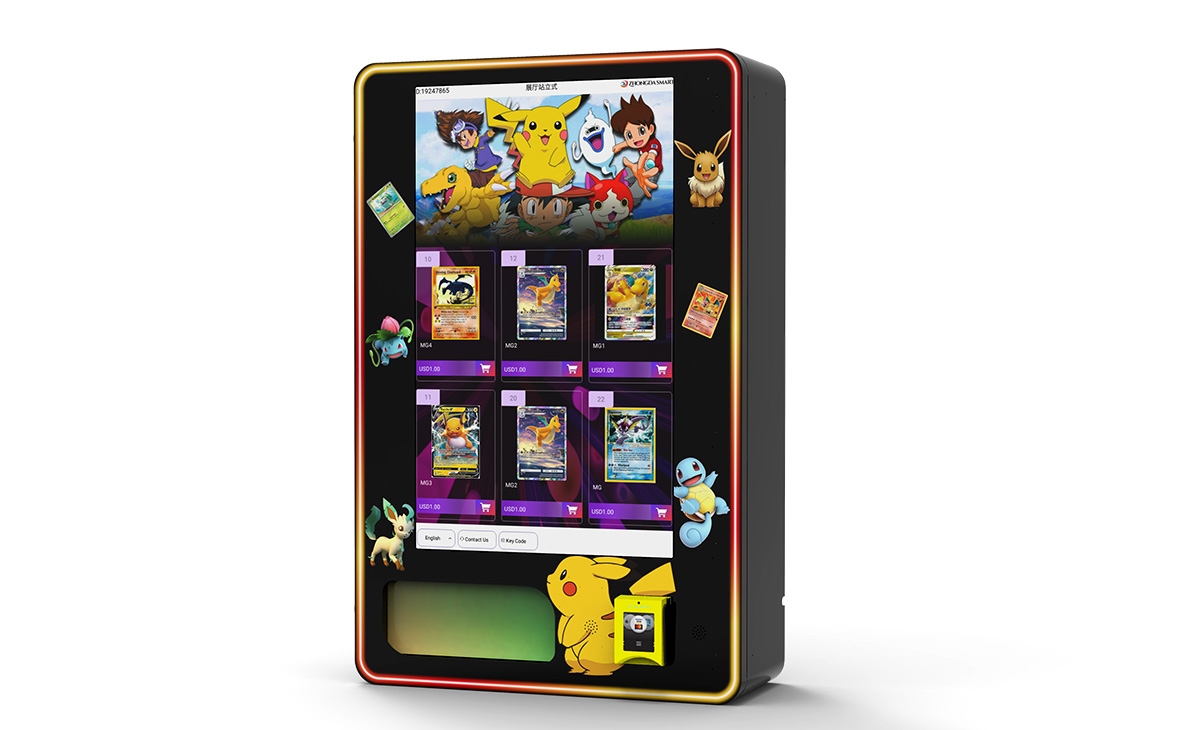
Modern self-service kiosks also offer remote monitoring, which allows you to check inventory levels, sales data, and machine health from your phone. This feature alone can save you hours of driving time and help you restock more efficiently. Some smart machines even adjust pricing based on demand or time of day.
According to a 2023 report by Statista, the global vending machine market is expected to grow at a compound annual growth rate of 6.5% through 2030, driven largely by technological advancements and cashless payment adoption. That trend aligns with what I have seen in the field.
Machine Repair: What You Need to Know
Machine repair is an unavoidable part of this business. Even the best machines break down occasionally. The most common issues I have dealt with include:
- Product jams (especially with snack machines that have spiral coils)
- Cooling system failures (in drink and food machines)
- Payment system errors (card reader or coin mechanism malfunctions)
- Control board glitches (usually fixed by a reset or software update)
I recommend learning basic troubleshooting from YouTube tutorials or manufacturer guides. For more complex issues, you will need a local technician or a service contract with your supplier. If you buy from a reputable manufacturer like Zhongda Smart, they often provide technical support and spare parts quickly, which reduces downtime.
One tip: always keep a small stock of common spare parts like coin return buttons, door switches, and cooling fans. Having these on hand can turn a three-day repair delay into a 30-minute fix.
Food Safety and Regulatory Compliance
If you sell perishable food items like sandwiches, salads, or dairy products, you must comply with food safety regulations. In the US, the FDA requires that refrigerated vending machines maintain a temperature of 41°F (5°C) or below. In Europe, the regulations are similar under EU food hygiene laws.
You also need to check local health department requirements. Some jurisdictions require a food handler permit or a health inspection before you can operate. I have seen operators fined because their machine temperature logs were not maintained. Keep a logbook or use a machine with automatic temperature monitoring and alerts.
How to Scale From One Machine to a Route
Once you have one machine running smoothly and generating consistent profit, you can start thinking about scaling. The key is to add machines in the same geographic area so that your restocking route is efficient. I aim for a maximum of 30 minutes of driving between machines.
When you grow to 5 or more machines, consider using vending management software. Tools like VendSoft or Cantaloupe help you track sales, inventory, and machine health remotely. They cost $20 to $50 per month, but they save you hours of manual work and help you make data-driven decisions about product changes and location performance.
I also recommend reinvesting your first year of profits into buying additional machines rather than taking the money out. That is how I grew from 2 machines to 15 over three years.
Frequently Asked Questions
Is a vending machine business profitable?
Yes, but the profit depends heavily on location, product selection, and operating efficiency. A single machine in a good location can net $100 to $350 per month. With multiple machines, you can build a solid income stream.
How much does a vending machine cost?
A new machine costs between $2,500 and $15,000 depending on the type and features. Used machines cost $800 to $7,000. Budget an additional $500 to $1,500 for shipping, installation, and initial stock.
How long does it take to break even?
Typically 18 to 36 months for a well-placed machine. In exceptional locations, it can be as fast as 12 months. In poor locations, you may never break even.
Should a beginner buy or lease a vending machine?
I recommend buying a used machine from a reputable brand for your first machine. Leasing is an option if you want to minimize risk, but you will have lower profit and no asset ownership.
Where is the best place to put a vending machine?
Locations with consistent daily traffic and dwell time, such as office break rooms, manufacturing plants, auto repair shops, laundromats, and hospital waiting areas.
What permits do I need to operate a vending machine?
In most US and European locations, you need a business license, a sales tax permit, and possibly a food handler permit if you sell perishable items. Check with your local city or county government.
How do I choose a vending machine supplier?
Look for a supplier with a strong reputation for reliability, good warranty terms, and accessible spare parts. Zhongda Smart is one option I have personally used and found reliable. Also consider Crane Merchandising and Royal Vendors.
What happens if my vending machine breaks down?
You can attempt basic repairs yourself, or call a local technician. Keep common spare parts on hand to minimize downtime. Many manufacturers offer technical support.
How can I reduce restocking and maintenance costs?
Cluster your machines in the same area, use remote monitoring software, stock based on sales data, and learn basic machine repair skills. Clean the machine regularly to prevent issues.
Final Thoughts From a Decade in the Business
Starting a vending machine business is not a get-rich-quick scheme, but it can be a reliable source of income if you approach it with realistic expectations and a willingness to learn. The most successful operators I know are the ones who treat every machine like a small store, who pay attention to sales data, who build good relationships with location hosts, and who are not afraid to get their hands dirty when a machine needs repair.
If you are considering this business, start small. Buy one used machine from a trustworthy supplier, find a decent location, and run it for at least six months before expanding. Track everything. Learn from your mistakes. And do not be discouraged by a slow start—most of us in this industry had machines that lost money at first. The key is persistence and continuous improvement.
I hope this guide gives you a realistic picture of what it takes to succeed in the vending machine business. If you have specific questions about machine repair, location evaluation, or supplier selection, talk to other operators in your area or join online communities. The vending machine industry is full of people who are happy to share advice—because we all started exactly where you are now.
This article was updated in March 2025. Data and prices reflect conditions as of that time. Always verify current regulations and costs in your specific location.