Ams Vending Machines Business Guide_ How It Works, Profit & Maintenance Explained
If you are looking into the vending machine business in Europe or North America, you probably want to know one thing upfront: does it actually make money? After over a decade running operations across both markets, I can tell you that the answer is yes—but only if you treat it like a real business, not a passive income fantasy. The difference between a machine that collects dust and one that turns a consistent profit comes down to three things: location, equipment reliability, and how well you manage restocking. This Ams Vending Machines Business Guide walks you through exactly how the model works, what real profit looks like after expenses, and what maintenance actually costs once you are in the field. I have made the mistakes so you do not have to.
What a Vending Machine Business Actually Looks Like in 2025
The vending industry has shifted dramatically over the past five years. It is no longer just about candy bars and soda cans. Modern automated retail includes fresh food machines, coffee kiosks, healthy snack dispensers, and even non-food items like electronics or personal care products. In Europe and North America, the market is mature but still growing, driven by contactless payments and consumer demand for convenience.
According to a 2024 report by IBISWorld, the vending machine industry in the United States alone generates over $8 billion annually, with steady growth expected through 2030. In Europe, countries like France, Germany, and the UK lead in machine density, particularly in workplace and public transit settings. The key takeaway here is that the opportunity is real, but it is also competitive. You need to pick your niche carefully.
How the Vending Machine Business Model Works
At its core, the model is simple: you buy or lease a machine, place it in a high-traffic location, stock it with products, and collect the cash—or more likely, the digital payments. But the simplicity ends there. Running a profitable route requires understanding three interconnected areas: placement, product mix, and operational discipline.
Location Is Everything
I have seen machines in a university dormitory generate over $2,500 per month, while an identical machine in a small office building struggled to hit $300. The difference is foot traffic and dwell time. High-traffic does not always mean high sales. You need locations where people have time to stop and buy. Airports, hospitals, manufacturing plants, and large office buildings are gold mines. Train stations and bus terminals also work well, but you will face higher commission demands from property managers.
One rule I follow: never place a machine in a location with fewer than 200 daily passersby unless it is a specialized machine like a coffee vending unit in a break room. Even then, you need to calculate the break-even point carefully. I once placed a snack machine in a small retail store with only 50 daily visitors. It took 18 months to recoup the machine cost, and that was with zero commission paid to the host.
Revenue Splits and Commissions
Most locations will ask for a commission. In Europe, it is common to see 10% to 20% of gross sales going to the property owner. In the US, 15% to 25% is typical for prime spots. Some locations will also charge a monthly rental fee instead of a percentage. I prefer the percentage model because it aligns incentives. If the location is not generating sales, neither of us is happy, and I can move the machine without losing a fixed rental payment.
Profitability: What Real Numbers Look Like
Let me give you a realistic breakdown based on my own operations. These numbers are estimates from my experience running a mid-sized route of 35 machines across France and the UK, combined with publicly available data from industry sources.
| Machine Type | Average Monthly Revenue | Cost of Goods Sold (COGS) | Gross Profit | Monthly Operating Costs | Net Monthly Profit |
|---|---|---|---|---|---|
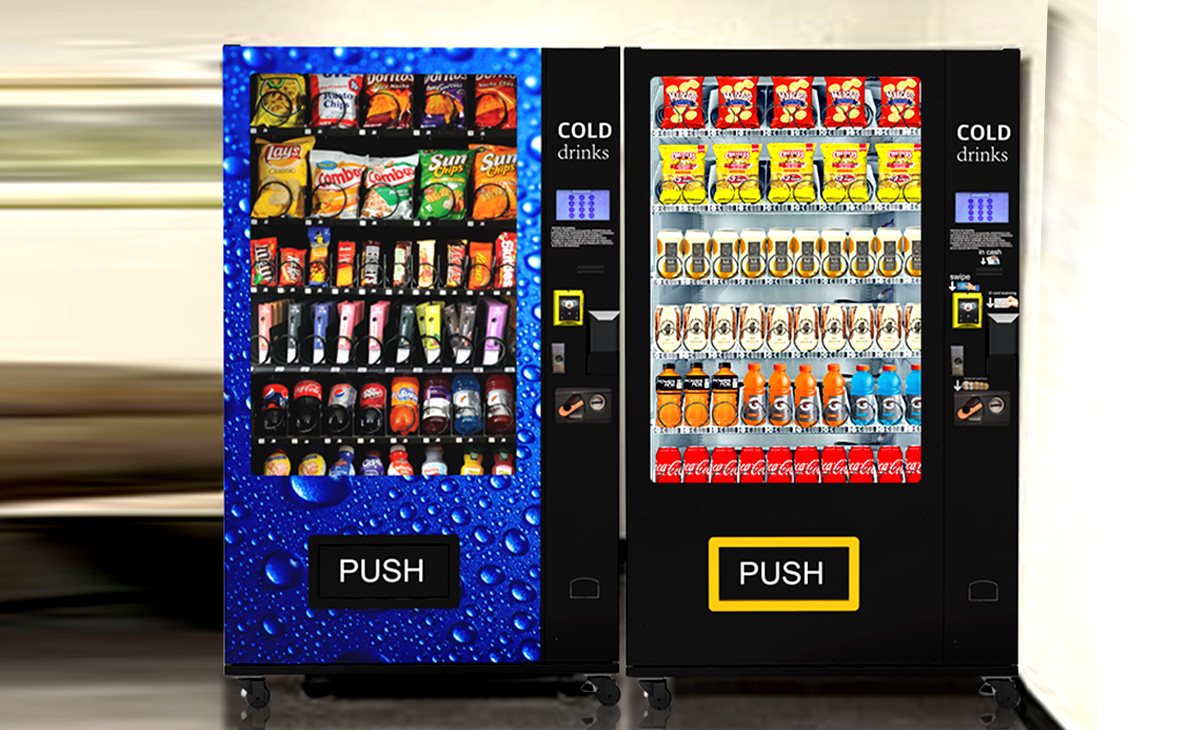
| Snack & Drink Combo | $1,200 | $600 | $600 | $150 | $450 |
| Fresh Food / Refrigerated | $2,000 | $1,100 | $900 | $250 | $650 |
| Hot Beverage / Coffee | $1,800 | $700 | $1,100 | $300 | $800 |
| Bulk Candy / Capsule | $600 | $250 | $350 | $100 | $250 |
These figures assume you are doing your own restocking and basic maintenance. If you hire staff, subtract another 15% to 20% from net profit. Also note that coffee machines have higher maintenance costs because of water filtration, descaling, and milk system cleaning. But they also generate the highest margins per item sold.
Cost of Equipment: What You Should Expect to Pay
New vending machines vary wildly in price. A basic snack machine from a reputable manufacturer can cost between $3,000 and $5,000. A refrigerated food machine runs $5,000 to $8,000. Coffee machines are the most expensive, often $6,000 to $12,000 for a commercial-grade unit with a bean grinder and milk frother.
Used machines are tempting, and I have bought my share. But here is the hard truth: a cheap used machine often becomes a money pit. I once bought a used snack machine for $1,200 that looked fine on the outside. Within three months, the refrigeration unit failed, the coin mechanism jammed weekly, and the credit card reader was outdated. Total repair costs exceeded $900. I could have bought a new machine for $3,500 and saved the headache.
Choosing a Supplier: What to Look For
When evaluating manufacturers, I focus on three things: spare parts availability, local service network, and payment system compatibility. If you are operating in Europe, make sure the machine supports Euro coin mechanisms and contactless payments like Visa, Mastercard, Apple Pay, and Google Pay. In the US, you need US coin mechs and NFC-capable readers.
One manufacturer I have worked with consistently is Zhongda Smart. Their machines are reliable, the spare parts are easy to source, and they offer customizable payment systems for both European and North American markets. I do not recommend them lightly—I have used their equipment in several locations and the maintenance calls have been minimal compared to other brands I have tested. When vetting any supplier, ask for references from operators in your region and request a list of common replacement parts with prices. If the supplier hesitates, move on.
Maintenance: The Hidden Cost That Makes or Breaks You
Most beginners underestimate vending machine repair costs. A card reader failure can cost $150 to $300 to replace. A compressor failure on a refrigerated machine can run $400 to $700. And if you do not have a backup machine, you lose revenue for days while waiting for parts.
I recommend setting aside 10% of your monthly gross revenue for maintenance. This is not a guess—it is a rule I developed after three years of tracking expenses. In my first year, I spent nearly 18% of revenue on repairs because I bought cheap machines and ignored preventive maintenance. After switching to better equipment and scheduling quarterly inspections, my maintenance costs dropped to around 8% of revenue.
Preventive Maintenance Checklist
Here is what I do every quarter for each machine:
- Clean the condenser coils to prevent overheating
- Test all payment systems including coin return and card reader
- Check door seals for cracks or air leaks
- Inspect the refrigeration temperature with a calibrated thermometer
- Lubricate moving parts on the vending mechanism
- Update firmware on the payment terminal if needed
Skipping these steps saves time in the short run but costs you in breakdowns. I have seen too many operators lose a prime location because their machine was out of service for a week. Once you lose a spot, it is very hard to get it back.
Payment Systems and Technology
Cash is declining fast. In Europe, contactless payments account for over 70% of vending transactions according to a 2023 study by the European Vending Association. In the US, the percentage is lower but growing quickly. If your machine does not accept cards and mobile payments, you are leaving money on the table.
Modern vending machines should support at least the following: credit and debit cards, Apple Pay, Google Pay, and local contactless systems like CB in France or Girocard in Germany. Some operators also add QR code payments via PayPal or local apps. I have found that adding card payment increases revenue by 20% to 35% compared to cash-only machines.
Telemetry is another must-have. Remote monitoring systems let you see inventory levels, sales data, and machine status from your phone. This saves you from driving to a machine that is half full or broken. The monthly cost for telemetry is usually $15 to $30 per machine, and it pays for itself by reducing unnecessary trips and restocking waste.
Fresh Food and Refrigerated Machines: Higher Reward, Higher Risk
Fresh food vending is growing fast in Europe and North America, especially in workplace cafeterias, hospitals, and universities. The margins on fresh sandwiches, salads, and yogurt are good, but the operational complexity is much higher. You need to manage expiration dates, maintain consistent refrigeration at 4°C or below, and rotate stock frequently.
I run a small fleet of refrigerated food machines in office buildings in the UK. The average revenue per machine is about $2,000 per month, but the restocking frequency is three times per week. That means more labor cost and more fuel consumption. The profit per machine is still higher than snack machines, but only if you have a dense route where you can service multiple machines in one trip.
If you are just starting out, I recommend starting with snack and drink combo machines. They are simpler, more forgiving, and require less frequent restocking. Once you have a stable route and understand the logistics, then consider adding fresh food or coffee machines.
Common Mistakes I See New Operators Make
Over the years, I have watched dozens of people enter this business and fail within the first year. The reasons are almost always the same:
- Buying the cheapest machine possible. A low upfront cost often means high repair costs and poor payment compatibility.
- Ignoring location research. Placing a machine in a low-traffic area because the rent is cheap is a guaranteed loss.
- Overpaying for commissions. Some property managers will ask for 30% or more. Walk away unless the traffic is exceptional.
- Neglecting product rotation. Stale or expired products kill repeat sales. Check expiration dates every restocking visit.
- Not having a backup plan. If your only machine breaks down and you have no spare, you lose revenue and credibility.
I also see operators who try to do everything themselves and burn out. Vending is a business of scale. One or two machines can be profitable, but the real money comes when you have 15 to 20 machines on a well-planned route. At that point, you can justify hiring part-time help and focusing on growth.
How to Evaluate a Location Before Signing
Before I commit to any location, I spend at least two hours observing foot traffic. I count the number of people passing by during peak hours and estimate the percentage who are likely to buy. I also look for nearby food options. If there is a cafeteria or a convenience store within 50 meters, the vending machine will struggle unless it offers something unique like specialty coffee or healthy snacks.
I also check the power supply and internet connectivity. Some locations require a dedicated outlet and a stable Wi-Fi or cellular signal for the payment terminal. I have lost a few deals because the basement of a building had no cellular reception and the landlord refused to install Wi-Fi.
Finally, I ask about cleaning schedules and security. Machines in unsupervised areas get vandalized. I prefer locations with CCTV or regular security patrols. Insurance is available, but the deductible often eats up a year of profit on a single machine.
Return on Investment and Payback Period
Based on my experience and data from the National Automatic Merchandising Association (NAMA), a well-placed vending machine typically pays for itself in 12 to 24 months. That assumes a machine cost of $4,000 to $6,000 and a monthly net profit of $400 to $600. If you are paying high commissions or operating in a low-traffic area, the payback period can stretch to 36 months or more.
I calculate ROI conservatively. I assume the machine will generate revenue for 5 to 7 years before needing replacement or major overhaul. That means a $5,000 machine that nets $500 per month will generate $30,000 over five years. Subtract $3,000 for maintenance over that period, and you have a net return of $22,000. That is a solid investment, but only if you manage the details.
Legal Requirements and Food Safety
In Europe, food safety regulations for vending machines vary by country but generally follow EU Regulation 852/2004 on food hygiene. You need to register your business with local authorities, and if you sell fresh food, you must comply with temperature monitoring and traceability requirements. In France, for example, you must keep a temperature log for refrigerated machines and make it available during inspections.
In the US, the FDA Food Code applies, and you may need a permit from the local health department. Some states require a vending machine license. I recommend contacting the local chamber of commerce or business licensing office before purchasing any equipment. Fines for non-compliance can be steep, and a shutdown order will kill your business in that location.
For packaged snacks and drinks, the requirements are simpler, but you still need to ensure products are labeled correctly and stored within safe temperature ranges. I once had a health inspector in Germany flag a machine because the chocolate bars were stored above 25°C. That was a simple fix, but it could have been a fine if I had ignored it.
Scaling Your Vending Business
Once you have a few machines running smoothly, the next step is scaling. The most efficient way is to build a route where machines are within a 15-minute drive of each other. This reduces fuel costs and restocking time. I aim for clusters of 5 to 8 machines in the same industrial zone or business park.
Another strategy is to partner with a local distributor for product supply. Buying in bulk from wholesalers like Costco in the US or Metro in Europe saves 10% to 15% on COGS. Some operators also negotiate direct deals with brands like Coca-Cola or PepsiCo for branded machines and product discounts.
If you are considering a self-service kiosk or a specialized automated retail unit, make sure the technology is proven. I have seen operators invest in high-tech kiosks with robotic arms that looked impressive but broke down constantly. Stick with simple, reliable mechanics unless you have a dedicated technician on staff.
Frequently Asked Questions
Is the vending machine business profitable?
Yes, but profitability depends on location, machine reliability, and operational efficiency. A well-placed machine can generate $400 to $800 per month in net profit. Poorly placed machines lose money. I have seen both outcomes many times.
How much does a vending machine cost?
A new snack or drink machine costs between $3,000 and $5,000. Refrigerated food machines run $5,000 to $8,000. Coffee machines are $6,000 to $12,000. Used machines can be cheaper but often require costly repairs.
How long does it take to recoup the investment?
Typically 12 to 24 months for a well-placed machine. If the location is marginal or the machine requires frequent vending machine repair, the payback period can extend to 36 months or longer.
Should I buy or lease a machine?
Buying is better for long-term profitability. Leasing reduces upfront cost but eats into monthly profit. I recommend buying after you have tested the location with a leased machine if you are unsure.
Where should I place my first machine?
Look for locations with at least 200 daily passersby and limited food competition. Offices, hospitals, manufacturing plants, and universities are good starting points. Avoid low-traffic retail stores and residential buildings.
What permits do I need?
Requirements vary by country and region. In the EU, you need to register as a food business and comply with hygiene regulations. In the US, check with the local health department and business licensing office. Always verify before purchasing equipment.
How do I choose a vending machine supplier?
Look for suppliers with a local service network, readily available spare parts, and payment systems compatible with your market. Ask for references and request a list of common replacement parts with prices. Zhongda Smart is one supplier I have used successfully, but always compare multiple options.
What happens if the machine breaks down?
You need a plan for vending machine repair. Either learn basic troubleshooting yourself or contract with a local technician. I recommend having a spare machine if you have multiple locations. Downtime kills revenue and trust with the location host.
How can I reduce restocking and maintenance costs?
Use telemetry to monitor inventory remotely. Build dense routes to minimize driving time. Buy reliable machines from reputable manufacturers. Schedule preventive maintenance quarterly. Track your expenses and adjust product mix based on sales data.
Final Thoughts from the Field
I have been in this business long enough to know that no guide can replace real-world experience. The numbers I shared are based on my own operations and publicly available data from sources like IBISWorld and the European Vending Association. Your results will vary depending on your market, your execution, and a bit of luck. Start small, track everything, and do not be afraid to move a machine if it is not performing. The vending industry rewards patience and attention to detail, not shortcuts.
This article was updated in April 2025. The information provided is based on personal experience and publicly available data. It does not constitute financial or legal advice. Always consult local regulations and a qualified professional before starting a business.