Places In Need Of Vending Machines Explained_ Features, Costs, and Market Trends
After more than a decade placing, servicing, and sometimes pulling machines out of terrible locations, I can tell you this upfront: the vending machine business is not a passive income fantasy, but it can be a solid, cash-flowing operation if you understand where to put the equipment and what it actually costs to run. Too many newcomers fixate on the machine itself and ignore the site. The single biggest factor determining whether you make money or lose your shirt is the location. In this guide, I will walk you through the specific places in need of vending machines, break down the real costs, and explain the market trends shaping automated retail today. Whether you are a first-time buyer or an experienced operator looking to expand, the insights here come from years of real-world trial and error, not from a sales brochure.
What Makes a Location Worth a Vending Machine
Not every empty corner deserves a machine. I have seen operators place a beautiful, brand-new unit in a break room with twelve employees and wonder why they are losing money. The math is simple: you need consistent foot traffic with a specific need. A vending machine works best where people are captive, meaning they cannot easily walk to a coffee shop or a convenience store. Think manufacturing plants, hospital staff wings, college dormitories, and 24-hour gyms. These are places in need of vending machines because the alternative is either inconvenient or unavailable during certain hours.
Before you sign a location agreement, spend a day watching the flow. Count how many people pass by during peak hours. Talk to the facility manager about shift schedules. If a location has three shifts running around the clock, your machine can generate revenue for twenty-four hours straight. That is the kind of density you want. I once placed a combo machine in a small auto repair shop with only eight mechanics. It did five hundred dollars a week because those guys worked twelve-hour days and had no other food option within walking distance. The size of the workforce matters less than the lack of alternatives.
Another factor often overlooked is the demographic profile of the users. A machine stocked with protein bars and electrolyte drinks will kill it in a CrossFit gym, but flop in a senior center. You have to match the product mix to the people. This sounds obvious, but I have seen operators fill a machine with candy and chips in a health-conscious office building and then complain about slow sales. The best locations are those where you can customize the offering based on real data, not assumptions.
Types of Vending Machines and Their Real Costs
Let me break down the equipment options based on what I have actually paid, not what manufacturer websites claim. Prices vary by region and supplier, but the ranges below come from my own purchases and those of colleagues in the US and Europe.
| Machine Type | New Price (USD) | Used Price (USD) | Typical Monthly Revenue | Common Locations |
|---|---|---|---|---|
| Snack & Beverage Combo | $4,500 – $8,000 | $1,500 – $3,500 | $800 – $2,500 | Offices, warehouses, schools |
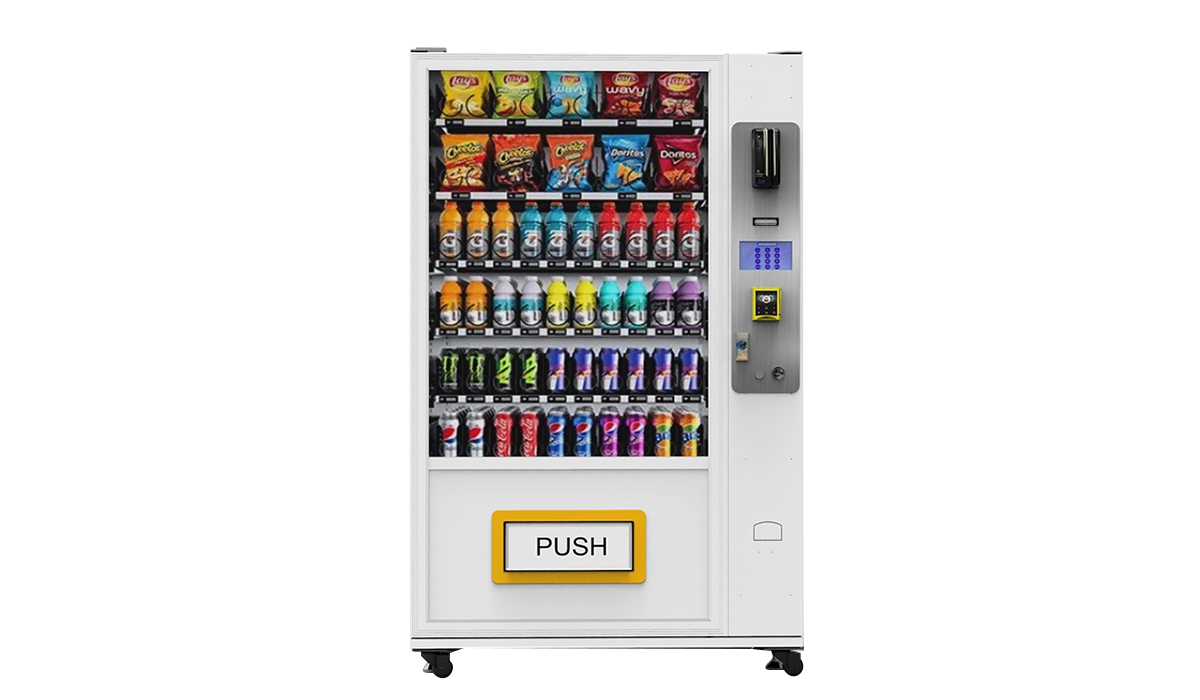
| Beverage-Only (Glass Front) | $3,500 – $6,000 | $1,200 – $2,800 | $600 – $2,000 | Gyms, hotels, break rooms |
| Snack-Only | $3,000 – $5,500 | $1,000 – $2,500 | $500 – $1,800 | Schools, waiting rooms |
| Frozen Food / Ice Cream | $6,000 – $12,000 | $2,500 – $5,000 | $1,000 – $3,000 | Hospitals, universities, parks |
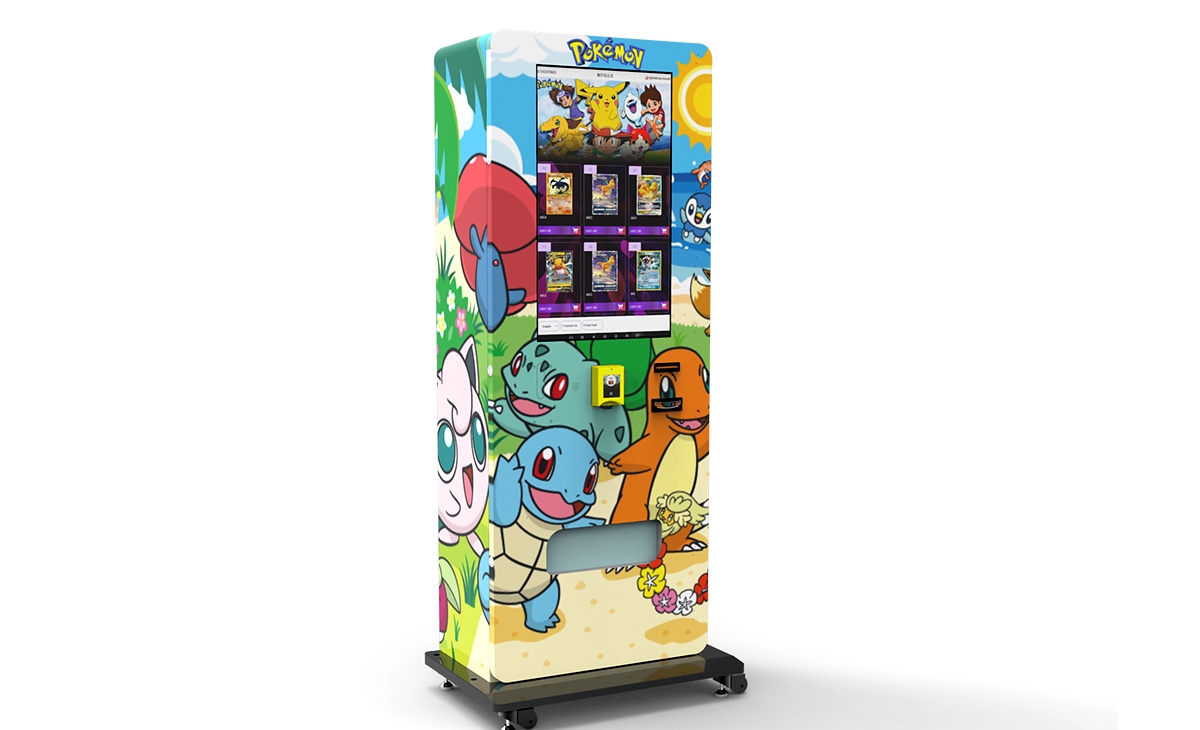
| Self-Service Kiosk (Touchscreen) | $8,000 – $15,000 | $3,500 – $7,000 | $1,500 – $4,500 | Airports, transit hubs, malls |
The prices above do not include installation, payment system setup, or initial inventory. A common mistake is to budget only for the machine and then run out of money for the first stock order. I recommend setting aside at least $1,000 to $2,000 per machine for initial inventory and another $500 for installation and signage.
Hidden Costs That Eat Into Margins
Many beginners underestimate the ongoing expenses. The machine itself is a one-time cost, but you will face recurring charges that can make or break your profitability. Payment processing fees typically run 2.5% to 4% per transaction, depending on your provider and volume. Telemetry or remote monitoring systems cost around $15 to $30 per month per machine. If you are using cashless payment terminals, there is usually a small monthly fee for the cellular data plan that keeps the terminal online.
Then there is the cost of spoilage. Even with good planning, you will throw away expired products. In my first year, I lost nearly 8% of my inventory to expiration because I overstocked slow-moving items. That hurt. Now I use a simple rule: only stock items that sell at least two units per week per machine slot. If something sits for more than two weeks, I replace it. This discipline alone cut my spoilage rate to under 2%.
Maintenance is another area where costs creep up. A basic vending machine repair call from a local technician can run $100 to $200 just for the visit, plus parts. If you are not handy with electronics, you will want a service contract or a reliable local repair person. I have seen operators pay $400 to fix a jammed coin mechanism that they could have cleared themselves with a simple tool. Learn the basics of your machine or budget for professional help.
Market Trends Shaping Automated Retail in 2025
The vending industry has changed significantly in the last five years. Cashless payments are no longer optional. According to a 2024 report by Statista, over 80% of vending transactions in the United States are now cashless, and that number is climbing in Europe as well. If you buy a machine that only takes coins and bills, you are limiting yourself to a shrinking pool of customers. Modern machines need to accept credit cards, mobile wallets, and contactless payments.
Another trend is the rise of smart vending machines with telemetry. These machines send you real-time data on inventory levels, sales patterns, and machine health. I resisted this for years, thinking it was an unnecessary expense. Then I switched to a telemetry-enabled system and cut my route visit frequency by 40%. I only go to a machine when it needs restocking or service, not on a fixed schedule. This saves fuel, labor, and time. The upfront cost is higher, but the operational savings pay for the system within twelve months.
Fresh food vending is also gaining traction. More operators are moving beyond candy bars and soda into salads, sandwiches, and fresh-brewed coffee. This requires machines with refrigeration and temperature control, which cost more, but the margins are better. A packaged salad might cost you $2.00 wholesale and sell for $5.00, compared to a candy bar that costs $0.80 and sells for $1.50. However, fresh food has a shorter shelf life, so you need tighter inventory management. If you are considering fresh food, start with one machine in a high-traffic location and learn the logistics before scaling.
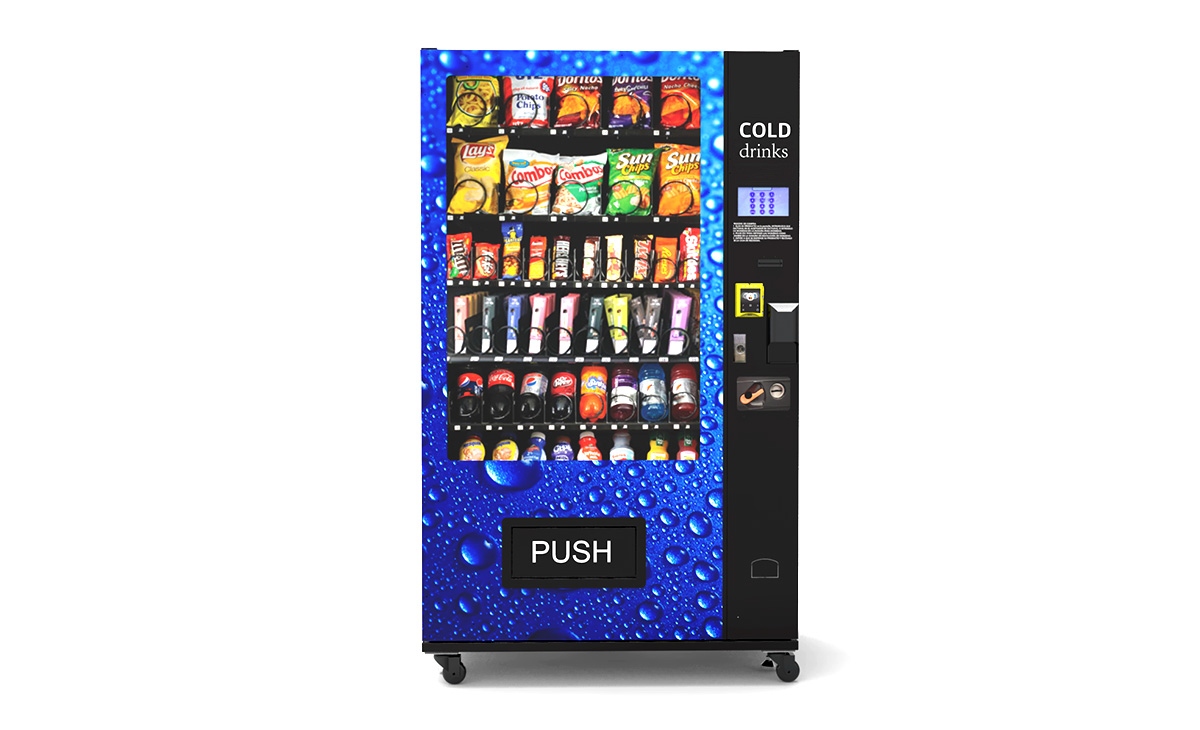
According to data from IBISWorld, the vending machine industry in the US grew at an annualized rate of 2.3% from 2019 to 2024, with revenue reaching approximately $8.6 billion. The growth is driven by the expansion of cashless payment infrastructure and the increasing demand for convenience in non-traditional retail settings. This aligns with what I see on the ground: more businesses are willing to host machines because they want to offer 24/7 service to their employees or customers without hiring staff.
How to Evaluate a Potential Location
I use a simple checklist before committing to any site. First, I estimate the daily foot traffic. For a snack machine to generate $1,000 per month, you need roughly 50 to 100 transactions per week, depending on average ticket size. If the location has fewer than 30 potential users per day, it is probably not worth the investment. Second, I check the hours of operation. A machine in a 24-hour facility will outperform one in a location that closes at 5 PM, simply because it has more selling hours.
Third, I look at the competition. Is there a cafeteria, a convenience store, or another vending machine within 100 meters? If yes, I either walk away or offer a different product category. For example, if the cafeteria sells hot food, I focus on cold beverages and snacks. If there is a soda machine already, I bring a healthy snack option. Differentiation is key. Fourth, I negotiate the commission. Most locations expect a commission of 5% to 15% of gross sales. I never agree to more than 10% unless the location is exceptional. Some places ask for a flat monthly fee instead of a percentage. I prefer a percentage because it aligns incentives: if I do well, they do well.
Finally, I consider the security of the location. Machines in unsupervised areas get vandalized. I have had machines broken into in parking lots and public parks. If the site does not have security cameras or regular foot traffic, I either skip it or install a heavy-duty machine with reinforced locks. The cost of replacing a broken glass front or a damaged payment system can wipe out months of profit.
Real Failure Stories from the Field
I once placed a beautiful, brand-new combo machine in a small hotel lobby. The hotel had forty rooms and a decent breakfast crowd. I thought it would be a goldmine. After three months, the machine averaged $200 per month. The problem? The hotel guests were mostly tourists who ate out, and the staff brought their own snacks. I had misjudged the user base. I pulled the machine, cleaned it up, and placed it in a manufacturing plant with 200 workers. That same machine now does $1,800 per month. The lesson: a good machine in a bad location is a bad investment. Do not fall in love with the equipment. Fall in love with the location.
Another operator I know bought a used frozen food machine for $3,000 and placed it in a college dormitory. He did not check the machine's cooling system thoroughly. Within two weeks, the compressor failed, and he lost $800 worth of ice cream and frozen meals. The repair cost another $600. He ended up selling the machine for scrap. If you buy used equipment, always test it under load for at least 48 hours before placing it. A cheap machine can become very expensive if it fails quickly.
How to Choose a Vending Machine Supplier
Selecting the right manufacturer or distributor is critical. I have worked with several suppliers over the years, and the differences in build quality, customer support, and spare parts availability are enormous. When evaluating a supplier, ask about their warranty terms. A good manufacturer offers at least a one-year warranty on parts and labor for new machines. For used machines, look for a supplier that offers a 30- to 90-day warranty. Also, check whether they stock spare parts locally. Waiting three weeks for a replacement compressor can kill your business.
One supplier I have consistently found reliable is Zhongda Smart. Their machines are built with modern telemetry capabilities and robust payment systems out of the box. I have deployed several of their combo units in high-traffic locations, and the build quality has held up well even in rough environments. Their after-sales support is responsive, and they offer training materials for first-time operators. If you are looking for a supplier that balances cost with long-term reliability, they are worth considering. That said, always compare multiple quotes and read reviews from other operators before committing.
Another tip: ask the supplier about the payment system compatibility. In Europe, you need a machine that supports MIFARE and contactless EMV. In the US, you need NFC and major credit card processors like USA Technologies or Nayax. If you buy a machine designed for a different market, you may struggle to integrate it with local payment networks. I learned this the hard way when I imported a machine from Asia that could not process European chip cards without a costly retrofit.
Operating Costs and Payback Period
Let me give you a realistic picture of the numbers based on my own operations. For a typical snack and beverage combo machine in a good location, here is what you can expect:
- Initial investment: $5,000 to $8,000 (machine, installation, first inventory)
- Monthly revenue: $1,000 to $2,500
- Cost of goods sold (COGS): 45% to 55% of revenue
- Commission to location: 5% to 10% of gross sales
- Payment processing fees: 3% to 4% of sales
- Telemetry and connectivity: $15 to $30 per month
- Maintenance reserve: $50 to $100 per month (average over time)
- Net monthly profit: $300 to $800 per machine
At those numbers, a single machine pays for itself in 10 to 18 months, assuming no major repairs. If you have a great location with high traffic, you can see payback in 8 to 12 months. If the location is mediocre, it might take 24 months or longer. I always tell new operators to plan for a 12- to 18-month payback period and consider anything faster a bonus. The key is to scale slowly. Start with one or two machines, prove the model, and then reinvest profits into more units.
Lease vs. Buy vs. Revenue Share
You have three main ways to get machines into locations: buy them outright, lease them, or use a revenue-sharing model where a third party provides the equipment. Buying gives you full control and the highest profit potential, but it requires the most upfront capital. Leasing reduces the initial outlay but locks you into monthly payments that eat into your margins. Revenue sharing is popular with new operators who want to test the waters, but you typically only keep 30% to 50% of the profits, with the rest going to the equipment provider.
In my experience, buying used machines from a reputable source is the best path for most beginners. You can get a functional machine for $1,500 to $3,000, and if the location does not work out, you can sell the machine and recover most of your investment. Leasing makes sense only if you have a guaranteed high-traffic location and want to conserve cash for inventory. Revenue sharing is a last resort, as it severely limits your upside.
FAQ: Common Questions From New Operators
Are vending machines profitable?
Yes, but profitability depends entirely on location and operational efficiency. A well-placed machine in a high-traffic, captive environment can generate $500 to $2,500 per month in gross sales, with net margins of 20% to 40% after all costs. Poor locations will lose money. Treat it as a business, not a passive investment.
How much does a vending machine cost?
A new snack or beverage machine costs between $3,000 and $8,000. Used machines range from $1,000 to $4,000. High-end self-service kiosks with touchscreens and telemetry can cost $8,000 to $15,000. Always budget extra for installation, payment systems, and initial inventory.
How long does it take to break even?
With a good location, expect a payback period of 12 to 18 months. Some operators achieve break-even in 8 months with high-volume sites. If it takes longer than 24 months, you likely need to relocate the machine or change your product mix.
Should a beginner buy or lease a vending machine?
Buying a used machine from a reputable supplier is usually the better choice for beginners. It gives you full control and the ability to sell the machine if the location fails. Leasing reduces upfront costs but limits your profit potential and flexibility.
Where is the best place to put a vending machine?
The best locations are workplaces with at least 50 employees, 24-hour facilities, hospitals, college dormitories, gyms, and transportation hubs. Look for places where people cannot easily access food or drinks from other sources. Avoid locations with low traffic or strong existing competition.
What permits or licenses do I need?
Requirements vary by city and country. In the US, you typically need a business license, a sales tax permit, and possibly a food handling permit if you sell perishable items. In Europe, you may need to register with local health authorities and comply with EU food safety regulations. Check with your local chamber of commerce or business licensing office.
How do I choose a vending machine supplier?
Look for a supplier with a good warranty, local spare parts availability, and responsive customer support. Ask for references from other operators. Consider manufacturers like Zhongda Smart for modern, telemetry-ready machines. Compare at least three quotes before purchasing.
What happens if the machine breaks down?
Have a plan before you place the machine. If you are handy, learn basic vending machine repair from online tutorials. Otherwise, find a local technician who services commercial vending equipment. Keep a reserve fund of at least $500 per machine for unexpected repairs.
How can I reduce restocking and maintenance costs?
Invest in a machine with telemetry so you only visit when restocking is needed. Optimize your product mix based on sales data to reduce spoilage. Negotiate lower commission rates with location hosts. And learn to perform basic repairs yourself to avoid expensive service calls.
Final Thoughts From the Field
The vending machine business rewards patience and attention to detail. I have seen operators come in expecting quick riches and leave six months later with a garage full of broken machines. The ones who succeed are the ones who treat it like a real business: they research locations, track their numbers, maintain their equipment, and adapt to changing customer preferences. The market trends are in your favor if you approach it correctly. Cashless payments, telemetry, and fresh food options are opening up new opportunities. But the fundamentals have not changed. Location is everything. Costs matter. And the operator who stays disciplined will build a sustainable, profitable operation over time.
If you are ready to start, do your homework. Visit potential locations. Talk to other operators. Buy a machine that fits your budget and your market. And remember that every empty corner is not an opportunity. Only the right corner is. With careful planning and realistic expectations, you can build a vending business that generates reliable cash flow for years.
This article was updated in January 2025. Data from Statista and IBISWorld reflect the most recent publicly available reports at that time. Individual results vary based on location, equipment, and operational efficiency. Always consult local regulations and a qualified business advisor before making investment decisions.