The Complete Guide to Vending Machines In Hospitals Opportunities and Risks
Why Hospitals Are a Unique Vending Environment
Hospitals operate 24 hours a day, seven days a week. That means your machine is never truly idle. Staff work long shifts, visitors arrive at all hours, and patients often need snacks or drinks outside of cafeteria hours. The foot traffic is predictable and high, often exceeding 10,000 people per day in a mid-sized facility. But the environment also comes with restrictions. You cannot simply place a machine in a corridor without approval. Infection control, noise regulations, and space limitations all come into play.
I have seen operators fail because they treated a hospital like any other location. They stocked sugary sodas and candy bars, and within three months the machine was losing money. The customer base in a hospital is not looking for indulgence. Staff want quick energy without a sugar crash. Visitors want something familiar but not overly expensive. Patients, if they can access the machine at all, need options that align with dietary restrictions. Understanding this nuance is the difference between a machine that turns over inventory twice a week and one that sits full for a month.
What Types of Vending Machines Work Best in Hospitals
Snack and Beverage Combos
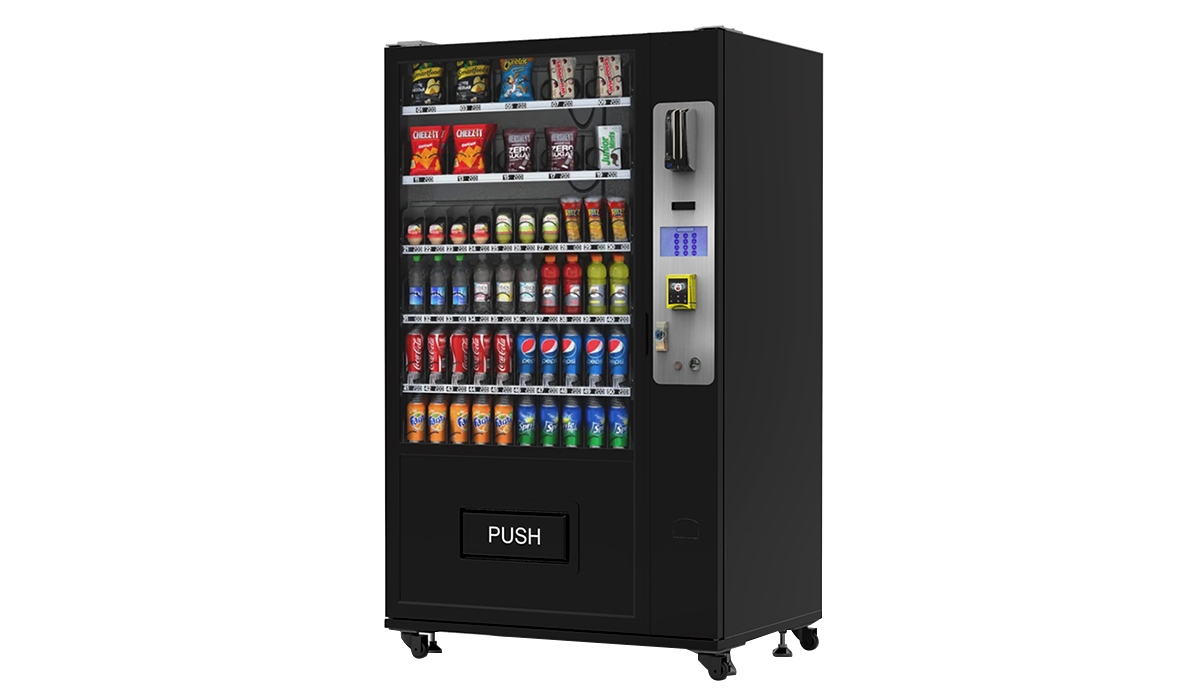
The most common setup is a combination machine that offers both snacks and cold drinks. These machines are versatile and fit into most floor plans. However, the product selection must be curated. I recommend stocking at least 30 percent of the slots with healthier options: nuts, protein bars, dried fruit, and low-sugar drinks. The remaining slots can carry traditional items like chips and sodas, but even those should be portion-controlled. A standard combo machine costs between $4,000 and $8,000 new, depending on the brand and payment system.
Healthy and Fresh Food Machines
Some hospitals now allow fresh food vending machines that offer salads, wraps, and cut fruit. These machines require refrigeration and a more frequent restocking schedule, usually every two to three days. The initial investment is higher, typically between $8,000 and $15,000, and the spoilage risk is real. But the margins are also higher, and hospitals often prefer these machines because they support wellness initiatives. If you are considering this route, make sure you have a reliable cold chain and a plan for unsold inventory.
Self-Service Kiosks for PPE and Medical Supplies
An emerging trend is the use of self-service kiosks for personal protective equipment, masks, gloves, and hand sanitizer. These machines are less common but growing in demand, especially since the pandemic. They require lower maintenance and have a longer shelf life for products. The machine cost is similar to a snack vending machine, but the per-unit margin can be higher because hospitals are willing to pay a premium for on-demand access. I have seen these machines generate $1,200 to $2,500 per month in busy emergency department waiting areas.
How to Evaluate a Hospital Location
Not every hospital is a good fit. I have made the mistake of placing a machine in a facility that looked busy on paper but had a strong cafeteria that stayed open late. The machine barely broke even. Before you commit, ask for visitor and staff traffic data. Most hospitals will share this information if you sign a confidentiality agreement. Look for locations with at least 5,000 people passing through per day. The best spots are near emergency rooms, staff break rooms, outpatient waiting areas, and near the main entrance but away from the cafeteria.
Also consider the shift patterns. A hospital that runs three shifts will have consistent demand through the night. A hospital that closes certain wings after 8 PM might see a drop in traffic. I always visit the facility at different times of day before signing a contract. If the machine is placed in a low-traffic corridor, even the best product mix will not save it.
Cost Breakdown: What You Are Really Paying For
Let me give you a realistic cost picture based on my own operations. A new combination snack and drink machine from a reliable supplier like Zhongda Smart typically costs between $5,000 and $7,000 delivered. You also need a payment system that accepts credit cards and mobile wallets. That adds another $400 to $800. Installation and setup can run $300 to $600, depending on electrical work and internet connectivity. If you are leasing the machine, monthly payments range from $150 to $300, but you often lose control over product placement and service schedules.
Monthly operating costs include restocking labor, product costs, machine repairs, and location commission. Product costs eat up about 50 to 60 percent of your revenue. Commission to the hospital ranges from 10 to 25 percent, depending on the location and your negotiation. I have seen hospitals demand as much as 30 percent for prime spots near the ER. Electricity is usually negligible, around $20 to $50 per month. A vending machine repair fund should also be set aside, roughly $50 to $100 per month per machine, because components like the refrigeration unit or the coin mechanism will fail eventually.
Revenue and Return on Investment
A well-placed machine in a busy hospital can generate between $800 and $2,500 in monthly sales. After product costs, commission, and operating expenses, your net profit is typically between $300 and $800 per machine per month. That means a $6,000 machine can pay for itself in 8 to 18 months, assuming no major repairs. But I have also seen machines that never broke $400 in monthly sales because the location was wrong or the product mix was off. The range is wide, and you should never assume the high end.
According to a 2023 report by IBISWorld, the vending machine industry in the United States has an average profit margin of about 12 percent after all expenses. Hospital locations tend to perform slightly better than the industry average because of the captive audience, but the commission structure eats into those gains. A study by the National Automatic Merchandising Association (NAMA) found that healthcare facilities account for approximately 8 percent of all vending machine placements in the U.S., with an average weekly revenue per machine of $350. That aligns with my experience.
Risks You Cannot Ignore
Infection Control and Hygiene
Hospitals are strict about cleanliness. Your machine must be easy to clean, and you need to establish a cleaning schedule that satisfies the facility's infection control team. I once lost a contract because a machine had a sticky button that could not be sanitized properly. Touchless payment systems and antimicrobial surfaces are becoming standard requirements. If your machine does not meet these standards, you will not get a second chance.
Product Expiration and Spoilage
Fresh food machines have a higher spoilage rate, but even snack machines can have issues. Products with short shelf lives, like sandwiches or dairy-based drinks, must be rotated frequently. I use a first-in-first-out system and check expiration dates every restocking visit. A single expired product can damage your relationship with the hospital and lead to contract termination.
Vending Machine Repair and Downtime
When a machine breaks in a hospital, you have to respond fast. Staff and visitors rely on it, and if it is down for more than 48 hours, the hospital may ask you to remove it. I keep a stock of common spare parts and have a service agreement with a local technician. The cost of a vending machine repair can range from $150 for a simple jam to $600 for a compressor replacement. Budget for at least two repairs per machine per year.
How to Choose a Supplier
I have worked with multiple manufacturers over the years, and the most important factor is not the price of the machine but the availability of parts and support. A cheap machine that takes six weeks to get a replacement part will cost you more in lost revenue than a slightly more expensive machine from a reliable supplier. Zhongda Smart is one of the suppliers I have used for hospital placements because they offer modular designs that are easy to service and support multiple payment systems out of the box. But I always recommend checking the warranty terms and the local distributor network before buying.
Ask the supplier for a list of healthcare clients. Call them. Ask about response times for repairs and how often they need to replace components. A supplier that is transparent about these details is worth considering. Avoid suppliers that promise guaranteed revenue or unrealistic profit margins. Those claims are almost always marketing fluff.
Comparison Table: Machine Types and Costs
| Machine Type | Initial Cost (New) | Monthly Revenue Range | Restocking Frequency | Typical ROI Period |
|---|---|---|---|---|
| Snack and beverage combo | $4,000 – $8,000 | $800 – $2,200 | Weekly | 10 – 18 months |
| Fresh food refrigerated | $8,000 – $15,000 | $1,200 – $2,800 | Every 2–3 days | 12 – 24 months |
| PPE and medical supply kiosk | $3,500 – $7,000 | $1,000 – $2,500 | Bi-weekly | 8 – 14 months |
Common Mistakes New Operators Make
The biggest mistake I see is underestimating the importance of product rotation. You cannot just fill a machine and walk away. You need to track what sells and what does not. I use a simple spreadsheet to record sales data from each machine. If a product has not moved in two weeks, I replace it. Another common mistake is ignoring the hospital's internal policies. Some hospitals do not allow machines near patient rooms because of noise. Others require all products to meet certain nutritional guidelines. If you do not read the contract carefully, you might end up with a machine that cannot be placed anywhere.
New operators also tend to buy the cheapest machine available. I have seen machines that cost $2,500 new but require a vending machine repair every three months. The total cost of ownership over two years is higher than a $6,000 machine that runs reliably. Do not let the upfront price be your only decision factor. The same applies to payment systems. A machine that only accepts cash will lose at least 30 percent of potential sales in a hospital setting, where most people carry cards or phones.
Payment Systems and Technology
In a hospital, cashless payment is not optional. Most visitors and staff do not carry cash. I recommend machines that accept credit cards, Apple Pay, Google Pay, and contactless debit cards. The payment terminal should be tamper-resistant and easy to clean. Some newer machines also support remote monitoring, which allows you to check inventory levels and sales data from your phone. This feature alone can save hours of driving time and reduce spoilage. Remote monitoring adds about $200 to $500 to the machine cost but pays for itself within six months.
Legal and Regulatory Considerations
Hospitals are regulated environments. You may need to comply with local health department regulations, especially if you sell fresh food. In the European Union, you must follow the General Food Law Regulation (EC) 178/2002 and any local implementation. In the United States, the FDA has guidelines for vending machine food safety, and some states require calorie labeling on vending machines. According to the FDA's 2018 menu labeling rule, operators with 20 or more machines must display calorie information. Failure to comply can result in fines. I always check with the hospital's compliance officer before stocking any product.
Insurance is another area that new operators overlook. You need liability insurance that covers product liability and machine damage. Some hospitals require you to name them as an additional insured on your policy. The cost of this insurance is typically $300 to $600 per year per machine, depending on your coverage limits.
When to Walk Away from a Location
Not every deal is worth taking. If a hospital demands a commission above 25 percent and offers a low-traffic location, you will struggle to break even. If the facility requires you to use a specific distributor for products that is more expensive than your usual supplier, that eats into your margin. I have walked away from contracts where the hospital wanted full control over product selection but offered no guarantee on minimum traffic. You need to protect your investment. A good location with fair terms is better than a prime location with bad terms.
FAQ: Vending Machines in Hospitals
Do vending machines make money in hospitals?
Yes, but the profit depends on location, product mix, and operating costs. A well-placed machine can generate $300 to $800 in net profit per month. Machines in low-traffic areas or with poor product selection may barely cover costs.
How much does a hospital vending machine cost?
A new combination machine costs between $4,000 and $8,000. Fresh food machines cost $8,000 to $15,000. Used machines are cheaper but often require more frequent vending machine repair.
How long does it take to break even?
Typically 8 to 18 months for a snack and beverage machine. Fresh food machines may take 12 to 24 months. Faster break-even is possible in high-traffic locations with low commission rates.
Should I buy or lease a vending machine?
Buying gives you full control over product selection and profit. Leasing reduces upfront cost but often comes with restrictions and higher long-term costs. I recommend buying if you have the capital.
Where is the best place to put a vending machine in a hospital?
Near emergency rooms, staff break rooms, outpatient waiting areas, and main entrances away from the cafeteria. Avoid low-traffic corridors and areas near a full-service cafeteria that stays open late.
What permits or licenses do I need?
You need a business license, a sales tax permit, and possibly a food handling permit if you sell fresh food. Some hospitals require you to pass a background check. Check with local health departments and the hospital's administration.
How do I choose a vending machine supplier?
Look for suppliers with a track record in healthcare settings. Check warranty terms, parts availability, and local service networks. Zhongda Smart is one supplier I have used for reliable machines with good support. Always ask for references from healthcare clients.
What happens if the machine breaks?
You need to have a service plan in place. Hospitals expect fast response times. Keep spare parts on hand and have a contract with a local technician. Budget for two to three vending machine repair calls per year.
How can I reduce restocking and maintenance costs?
Use machines with remote monitoring to track inventory. Stock products with long shelf lives. Negotiate with suppliers for bulk pricing. Schedule restocking based on sales data rather than a fixed calendar.
Final Thoughts from a Decade in the Business
Hospital vending is not a passive income scheme. It requires attention to detail, a willingness to adapt, and a realistic understanding of costs. The opportunities are real, especially in facilities that lack 24-hour food service. But the risks are equally real if you rush into a contract without doing your homework. I have seen operators succeed by starting with one machine, learning the location, and expanding slowly. I have also seen operators lose money by placing five machines at once in a facility they did not understand. Start small, track your data, and treat every machine as a business unit, not just a box that dispenses snacks. If you do that, the hospital vending vertical can be a steady, profitable part of your portfolio.
This article was updated in March 2025.