The Complete Guide to Zyn Vending Machine Opportunities and Risks
If you are looking into the Zyn vending machine opportunity, you are likely wondering whether this niche actually pays or if it is just another trend that will fade. After a decade running automated retail operations across the US and parts of Europe, I can tell you this: nicotine pouch vending can be profitable, but only if you understand the specific rules of this category. Unlike snack or soda machines, a Zyn vending machine faces stricter age verification requirements, different product spoilage rates, and a customer base that expects frequent restocks. This guide covers the real costs, the real risks, and the real returns I have seen from operating these self-service kiosks in high-traffic locations.
What Is a Zyn Vending Machine and Where Does It Fit
A Zyn vending machine is a specialized automated retail unit designed to dispense nicotine pouches. Unlike traditional candy or beverage machines, these units must integrate robust age verification systems because the product is age-restricted in most US states and European countries. Some operators use machines that scan a government-issued ID, while others rely on mobile app verification linked to a verified account. In my experience, the ID-scanning approach works better for high-traffic locations like bars or truck stops because it does not require the customer to pre-register.
The typical machine holds anywhere from 150 to 300 cans, depending on the model. Most units are compact, roughly the size of a medium snack machine, which makes them easier to place in tight spaces like convenience store corners or gas station lobbies. I have seen successful placements in smoke shops, vape stores, bars, nightclubs, truck stops, and even some college campuses where local laws permit. The key is finding locations with a high concentration of adult nicotine users who value convenience over price.
Is the Zyn Vending Machine Business Profitable
Profitability depends heavily on location and volume. Based on my own operations and conversations with other operators in the US, a well-placed machine can generate between $1,200 and $3,500 in monthly revenue. Gross margins on nicotine pouches typically range from 25% to 40%, which is lower than soda margins but higher than candy. The real challenge is turnover. Nicotine pouches have a shelf life of roughly 6 to 12 months, so slow-moving stock can eat into profits if you are not rotating inventory properly.
I have seen machines in busy nightlife districts sell out within three days, while the same machine in a quiet suburban gas station might only sell 20 cans a week. The difference is night and day. If you are serious about this business, you need to track sell-through rates weekly and be willing to relocate a machine if it is underperforming after three months. A machine that sits idle for weeks is a liability, not an asset.
According to a 2023 report by Statista, the global nicotine pouch market was valued at approximately $3.2 billion and is projected to grow at a compound annual rate of over 15% through 2030. That growth is driving more operators to explore automated retail solutions for this category. But growth does not guarantee individual success. Operator discipline matters more than market trends.
Initial Investment: How Much Does a Zyn Vending Machine Cost
The cost of a Zyn vending machine varies widely based on features and build quality. Entry-level units with basic age verification can start around $3,500 to $5,000. Mid-range machines with better security, remote monitoring, and higher capacity run between $6,000 and $9,000. High-end units with advanced age verification, touchscreens, and telemetry systems can exceed $12,000. I have personally purchased machines in all three categories, and I can tell you that the cheapest option often costs more in the long run due to breakdowns and poor customer experience.
When evaluating suppliers, look for manufacturers that offer modular components, easy-to-source replacement parts, and responsive technical support. One supplier I have worked with on several deployments is Zhongda Smart. Their machines offer solid build quality, integrated age verification, and a telemetry system that lets you monitor inventory and sales remotely. I recommend requesting a demo unit before committing to a bulk order, regardless of the supplier you choose.
Beyond the machine itself, you need to budget for installation, payment processing setup, initial inventory, and a cash reserve for maintenance. I typically advise new operators to set aside at least $2,000 per machine for the first six months of operating expenses. Total startup cost for a single machine, including inventory and fees, usually lands between $6,000 and $14,000.
Operating Costs You Cannot Ignore
Many first-time operators underestimate ongoing costs. The most obvious is inventory replenishment. If you are buying nicotine pouches at wholesale prices, you are looking at roughly $3 to $5 per can, depending on volume and supplier agreements. A machine that sells 100 cans per week will require roughly $1,200 to $2,000 in monthly inventory investment. Cash flow management is critical here because you need to restock before you have collected all the revenue from the previous cycle.
Payment processing fees are another recurring cost. Credit card transactions typically cost 2.5% to 3.5% per sale. Some machines also require a monthly cellular data plan for remote monitoring, which runs about $15 to $30 per month. If you are leasing the location, rent can range from a flat $100 per month to a 10% revenue share. I have found that revenue share arrangements work better for both parties because they align incentives.
Maintenance is the wild card. Vending machine repair can cost anywhere from $150 for a simple card reader fix to $500 for a compressor or motherboard replacement. I recommend keeping a spare card reader and a basic tool kit on hand. In my experience, the most common failure points are the age verification scanner and the payment terminal. Machines that use a self-service kiosk design with fewer moving parts tend to have lower repair frequency.
Location: The Single Most Important Decision
I have seen operators fail not because of bad equipment, but because of bad placement. A Zyn vending machine needs foot traffic of at least 50 to 100 adult customers per day to generate meaningful sales. The best locations are places where people already buy nicotine products: vape shops, smoke shops, bars, nightclubs, and truck stops. I have also seen success in laundromats and bowling alleys, but only in areas with a high density of adult customers.
Before signing a location agreement, I always do a simple traffic count. I stand near the proposed spot for two hours during peak time and count how many adults walk past. If the number is below 30 per hour, I walk away. I also check whether the location already sells nicotine pouches at the counter. If they do, the machine can serve as an after-hours sales channel. If they do not, you need to educate the location owner about the category, which is a harder sell.
One common mistake is placing a machine in a location that is inaccessible to the target audience. For example, a machine in a family-oriented restaurant will generate few sales because the customer profile does not match. Similarly, a machine placed near a high school entrance is not only bad for business but also legally risky. Always verify local age-restriction laws and placement regulations before installing.
Age Verification and Legal Compliance
Age verification is not optional. In the US, the FDA enforces age restrictions on nicotine products, and many states have additional requirements. In Europe, the EU Tobacco Products Directive and local laws impose similar restrictions. Most Zyn vending machines use either a built-in ID scanner or a mobile app that verifies age through a third-party service. I strongly recommend using machines that scan a physical ID rather than relying on a simple age button, because the legal liability is lower.
Some operators use a system where the machine remains in standby mode and only activates after a successful age verification. This is the safest approach. I have seen locations lose their business licenses because a machine dispensed to a minor. Do not cut corners here. If you are unsure about the legal requirements in your area, consult a local attorney who specializes in tobacco or nicotine product regulation.
Comparing Equipment Options
| Feature | Basic Unit ($3,500–$5,000) | Mid-Range Unit ($6,000–$9,000) | High-End Unit ($10,000+) |
|---|---|---|---|
| Age verification | Simple button or basic scanner | Built-in ID scanner | Advanced ID + biometric |
| Remote monitoring | Not included | Basic telemetry | Full telemetry & inventory tracking |
| Capacity | 150–200 cans | 200–300 cans | 300+ cans |
| Payment options | Cash only | Cash + card | Cash, card, mobile wallet |
| Average repair cost per year | $300–$600 | $200–$400 | $100–$250 |
| Typical lifespan | 3–5 years | 5–8 years | 8–10 years |
This table is based on my own experience and feedback from other operators. The high-end unit costs more upfront but typically pays for itself within 18 months through lower maintenance and higher sales volume. I have seen operators who bought cheap units end up spending more on vending machine repair in the first year than they saved on the purchase price.
How to Choose a Supplier or Manufacturer
Supplier selection is one of the most overlooked aspects of this business. I have worked with manufacturers from China, the US, and Europe, and the quality difference is significant. When evaluating a supplier, ask about their warranty terms, spare parts availability, and technical support response time. A supplier that cannot provide replacement parts within 48 hours is a liability.
Zhongda Smart is one manufacturer I have used for several deployments. Their machines come with a standard one-year warranty, and they offer remote diagnostics support. I recommend asking for a list of existing clients in your region and contacting them directly. A reputable supplier will not hide their references. Also, check whether the machine uses standard components or proprietary parts. Proprietary parts mean you are locked into that supplier for repairs, which can become expensive.
If you are importing machines from overseas, factor in shipping costs, customs duties, and potential voltage differences. I have seen operators receive machines that required a voltage converter, which added unexpected costs. Always confirm the electrical specifications before placing an order.
Common Mistakes New Operators Make
The most common mistake I see is buying a machine before securing a location. I have met operators who purchased five machines and then spent months searching for spots. Inventory sits, cash is tied up, and motivation fades. Secure at least one strong location before buying your first machine.
Another frequent error is underestimating restock frequency. Nicotine pouches are small and easy to steal if not properly secured, but more importantly, they sell quickly in good locations. I have had machines that needed restocking every two days. If you are not prepared for that cadence, you will lose sales and frustrate customers. A machine that is empty for two days loses repeat business.
Some operators also ignore the importance of product variety. Offering only one flavor or strength limits your appeal. I typically stock a machine with at least six different variants, including popular flavors like mint, citrus, and coffee, and varying nicotine strengths. Data from my machines shows that offering a wider selection increases sales by roughly 20% compared to machines with only three options.
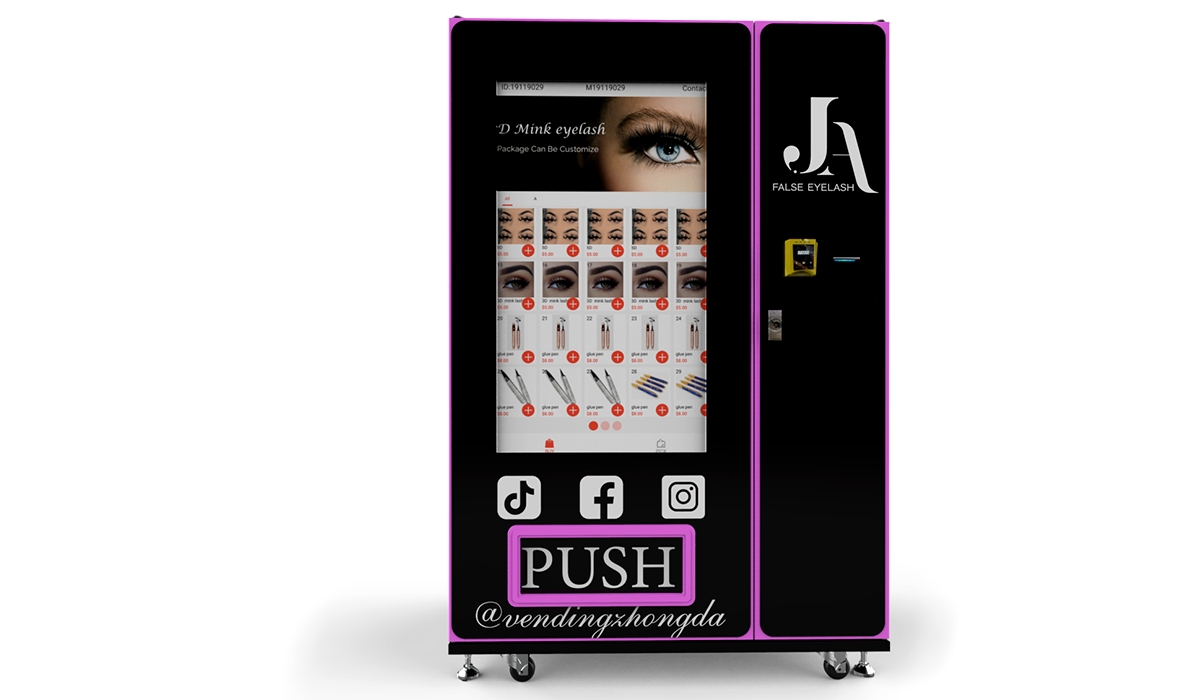
Finally, do not ignore the payment experience. Machines that only accept cash lose a significant portion of sales. In the US, card and mobile payments account for over 70% of transactions in many locations. A machine without a card reader is essentially leaving money on the table.
How to Evaluate Whether a Machine Is Worth the Investment
Before buying any machine, run a simple break-even calculation. Estimate your monthly revenue based on the location traffic, subtract your estimated costs (inventory, rent, processing fees, maintenance), and divide the initial investment by the monthly net profit. If the payback period exceeds 18 months, I would reconsider the location or the machine choice.
For example, if a machine costs $8,000 and you estimate a monthly net profit of $500, the payback period is 16 months. That is reasonable. If the same machine only generates $200 in monthly net profit, the payback period stretches to 40 months, which is too long for most operators. I have seen machines pay back in 10 months in high-traffic bars, and I have seen machines that never paid back because the location was poor.
I also recommend tracking sales data manually for the first three months, even if the machine has telemetry. Telemetry systems are useful, but they can fail or report inaccurate inventory counts. Cross-checking the data builds good habits and helps you spot issues early.
Real Data and Market Context
According to the Centers for Disease Control and Prevention (CDC), nicotine pouch use among US adults has increased significantly in recent years, with sales rising by over 300% between 2019 and 2022. This growth has created a clear opportunity for automated retail solutions. However, the same data shows that the market is still relatively small compared to cigarettes or vaping products, which means the customer base is concentrated in specific demographics and locations.
A 2022 study published by the National Library of Medicine noted that nicotine pouch users tend to be male, aged 21 to 35, and live in urban or suburban areas. This demographic profile aligns well with locations like bars, nightclubs, and convenience stores near college campuses. If your target location does not match this profile, you may struggle to generate consistent sales.
FAQ: Zyn Vending Machine Business
Do Zyn vending machines make money?
Yes, but profitability depends on location, volume, and cost control. A well-placed machine can generate $1,200 to $3,500 per month in revenue, with gross margins of 25% to 40%. Poor locations often result in losses.
How much does a Zyn vending machine cost?
Prices range from $3,500 for a basic unit to over $12,000 for a high-end machine with full telemetry and advanced age verification. Total startup cost, including inventory and installation, typically falls between $6,000 and $14,000.
How long does it take to break even?
In my experience, a well-performing machine breaks even in 10 to 18 months. Machines in marginal locations can take 24 months or longer. I recommend setting a maximum payback target of 18 months.
Should a beginner buy or lease a machine?
Buying is usually better if you plan to operate long-term. Leasing options exist but often come with higher total costs and less flexibility. If you are unsure, start with one purchased machine to test the waters.
Where should I place the machine?
The best locations are bars, nightclubs, vape shops, smoke shops, and truck stops. Look for places with high adult foot traffic and existing nicotine product sales. Avoid locations near schools or family-oriented venues.
What permits or licenses do I need?
Requirements vary by state and country. In the US, you typically need a tobacco retail license and must comply with local age verification laws. In Europe, check the EU Tobacco Products Directive and local regulations. Always consult a local attorney.
How do I choose a supplier?
Look for suppliers with good warranty terms, fast spare parts availability, and responsive technical support. Ask for references and check if the machine uses standard or proprietary parts. Zhongda Smart is one option worth evaluating.
What happens if the machine breaks down?
Most common issues involve the card reader, age verification scanner, or payment terminal. Keep spare parts on hand and have a local technician identified before you need one. Remote monitoring helps you detect problems faster.
How can I reduce restock and maintenance costs?
Use a machine with telemetry to track inventory remotely. Plan restock routes efficiently to minimize travel time. Buy spare parts in bulk and learn basic repairs yourself. Regular cleaning and inspection also prevent major breakdowns.
This guide reflects my personal experience operating Zyn vending machines in the US and Europe over the past decade. Every location is different, and results will vary. I encourage you to start small, track your data carefully, and scale only after you have proven the model in your specific market. The opportunity is real, but it rewards discipline, not shortcuts.
本文更新于2025年5月。数据来源包括Statista(2023年全球尼古丁袋市场报告)、CDC(尼古丁袋销售增长数据)以及美国国家医学图书馆(2022年尼古丁袋用户人口统计研究)。