If you are looking into refrigerated food vending machines, you likely have one core question: is this a viable business or just another expensive piece of equipment? After spending over a decade placing, repairing, and pulling machines across the US and Europe, I can tell you that the answer depends entirely on three things—location, machine reliability, and your willingness to treat this like a real logistics operation. The refrigerated food vending machine market has matured significantly since 2020. What used to be a niche for soda and chips has become a legitimate channel for fresh meals, salads, sandwiches, and even premium grab-and-go items. This guide walks you through the real costs, the common mistakes, and what I have learned about making these machines actually work in the real world.
What Exactly Is a Refrigerated Food Vending Machine?
At its simplest, a refrigerated food vending machine is a self-service kiosk that keeps perishable items at a safe temperature while handling transactions automatically. Unlike standard snack machines that operate at ambient temperature, these units maintain a consistent internal climate—typically between 34°F and 41°F (1°C to 5°C). This allows operators to sell items that would otherwise spoil within hours.
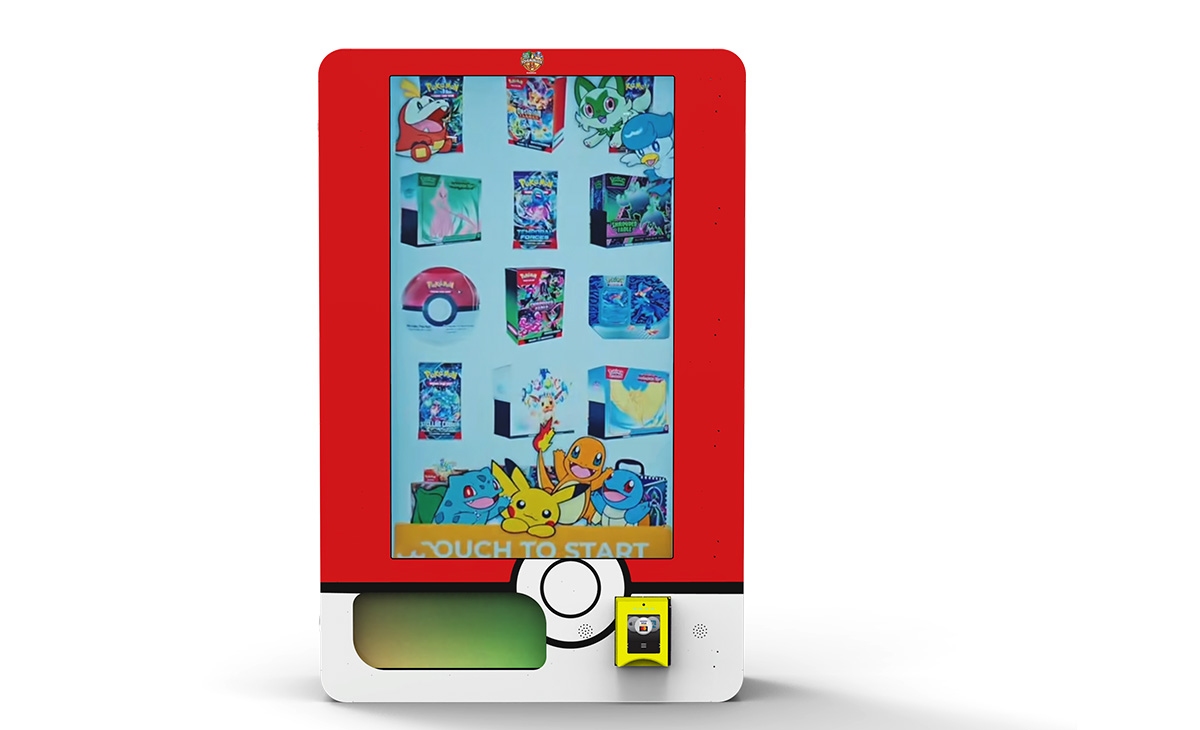
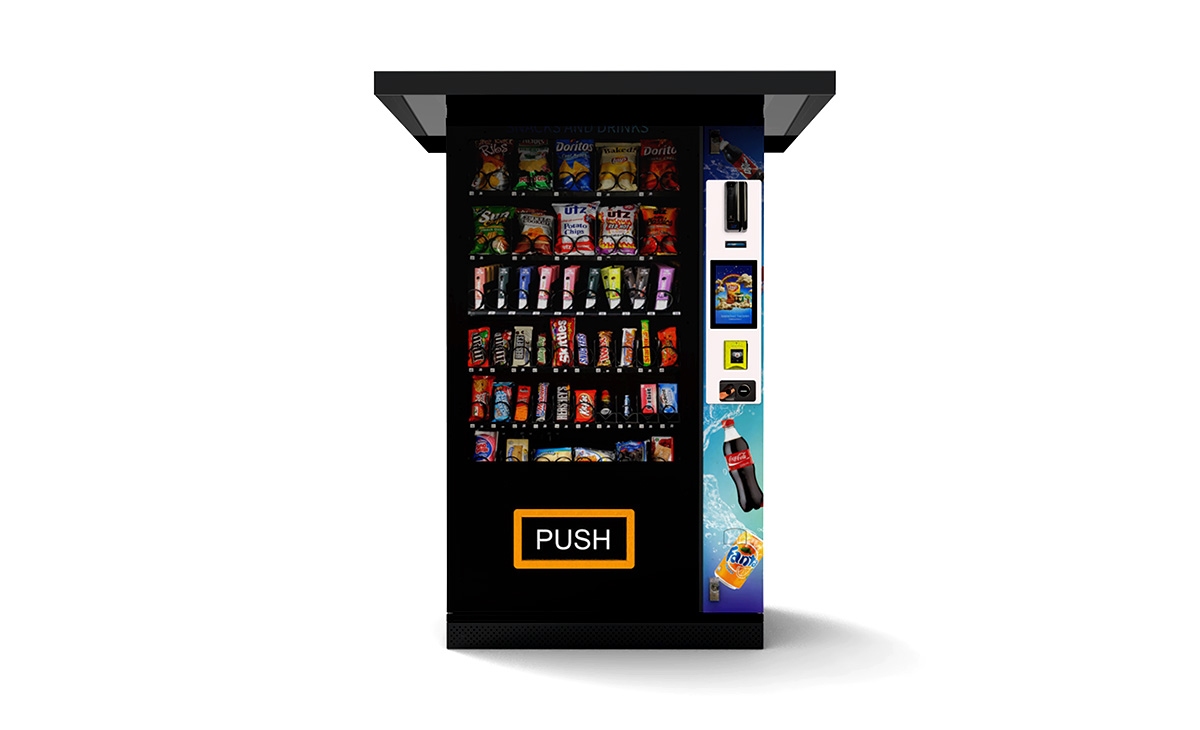
Most units I have worked with fall into one of two categories. The first is a glass-front merchandiser with spiral coils, similar to a traditional snack machine but with a built-in refrigeration system. The second is a robotic or tray-based system that picks items from a refrigerated storage area and delivers them to a retrieval bin. Both have their place, but the choice affects everything from initial cost to daily vending machine repair frequency.
In Europe, you will often hear these referred to as "distributeur automatique" for fresh food, while in North America, the term "automated retail" is gaining traction for high-end units that accept contactless payments and integrate with inventory software. Regardless of the name, the core function remains the same: sell fresh food without human intervention.
Why Refrigerated Vending Machines Are Growing in Popularity
The shift toward refrigerated food vending machines is not accidental. According to a 2023 report by Statista, the global vending machine market was valued at approximately USD 35 billion, with refrigerated units representing the fastest-growing segment. Several factors drive this trend.
First, consumer behavior has changed. People want convenience, but they also want fresher, healthier options. A bag of chips no longer satisfies the lunch crowd. Second, labor shortages in food service have pushed businesses toward automated solutions. A self-service kiosk that sells pre-packaged salads does not call in sick. Third, advances in telemetry and remote monitoring have made it possible to track inventory and machine health in real time, reducing spoilage and cutting down on unnecessary site visits.
From my own experience, the most successful placements are not in high-traffic tourist spots. They are in locations where people have a predictable need for a meal—office break rooms, hospital cafeterias, university dormitories, and manufacturing plant canteens. These are environments where the alternative is either a long walk to a cafeteria or no food option at all.
Key Features to Look for in a Refrigerated Vending Machine
Not all refrigerated machines are built the same. Over the years, I have learned that cutting corners on certain features leads to expensive vending machine repair bills down the road. Here is what I recommend you prioritize.
Reliable Refrigeration System
The compressor and condenser are the heart of the machine. Look for units that use commercial-grade refrigeration components, not off-the-shelf parts from a residential refrigerator. The difference in lifespan can be three to five years. I have seen machines from lesser manufacturers fail within 18 months because the cooling system could not handle continuous operation in a warm environment.
Temperature Monitoring and Alarms
A machine that loses cooling overnight can destroy an entire inventory of fresh food. Modern units should have built-in temperature sensors that send alerts to your phone or email. This is not a luxury; it is a necessity. I once lost over USD 400 in fresh sandwiches because a door seal failed and the machine did not notify anyone until the next restock run.
Payment System Flexibility
In 2025, if your machine only accepts cash, you are leaving money on the table. The vast majority of transactions in the US and Europe are now cashless. Look for machines that support credit cards, mobile wallets like Apple Pay and Google Pay, and local contactless payment systems. In France, for instance, compatibility with the Carte Bancaire system is essential. In the UK, contactless limits have been raised, making card payments even more dominant.
Telemetry and Remote Management
This is the feature that separates professional operators from hobbyists. A machine with good telemetry tells you exactly what sold, what is about to expire, and whether the temperature is stable. Without it, you are guessing when to restock. With it, you can optimize your route and reduce labor costs significantly. I have seen operators cut their restocking frequency by 30% simply by using data to predict demand.
Energy Efficiency
Refrigerated machines run 24/7. Energy costs can eat into your margins quickly. Look for units with LED lighting, efficient compressors, and good insulation. Some newer models use variable-speed compressors that adjust cooling output based on load, which can reduce energy consumption by up to 25% compared to older models.
Cost Breakdown: What You Really Pay for a Refrigerated Food Vending Machine
Let me be direct: the upfront cost is higher than a standard snack machine. But the per-transaction profit potential is also higher. Here is a realistic breakdown based on what I have seen in the market over the past five years.
| Machine Type | Price Range (USD) | Typical Capacity | Best Use Case |
|---|---|---|---|
| Basic refrigerated spiral machine | $4,000 – $7,000 | 40–60 items | Small offices, break rooms |
| Mid-range glass-front with telemetry | $7,000 – $12,000 | 60–100 items | Hospitals, universities |
| Premium robotic or tray-based unit | $12,000 – $20,000+ | 100–200 items | High-traffic corporate campuses, airports |
These prices are for new machines. Used units can be found for 30–50% less, but you assume the risk of older refrigeration components and potential vending machine repair costs. I generally advise against buying a used refrigerated machine unless you have a technician inspect the cooling system thoroughly.
Operational Costs You Cannot Ignore
Many newcomers focus only on the machine price and forget the recurring expenses. Here is what I factor into every location analysis.
Restocking and Labor
Depending on the location, you might restock every two to five days. For a refrigerated unit, you are dealing with perishable items that have a short shelf life. This means more frequent trips than a snack machine. Labor costs in the US range from USD 15 to 25 per hour for a route driver. In Europe, the range is similar when adjusted for local wages. If you are running five machines, expect to spend 10–15 hours per week on restocking and inventory management.
Spoilage and Waste
This is the silent profit killer. Even with good telemetry, you will have items that do not sell before their expiration date. A well-run operation keeps spoilage under 5% of revenue. A poorly managed one can see 15% or more. I have seen operators fail because they over-ordered inventory for a slow location. Start conservatively and increase stock based on sales data.
Energy Costs
A typical refrigerated vending machine consumes between 4 and 8 kWh per day. At USD 0.12 per kWh, that is roughly USD 15 to 30 per month per machine. In areas with higher electricity rates, such as parts of Germany or California, this can double. Always check the local utility rates before signing a placement agreement.
Maintenance and Repair
Vending machine repair costs vary widely. A simple door switch replacement might cost USD 100. A compressor failure can run USD 500 to 1,200. I recommend setting aside 10% of your monthly revenue for maintenance reserves. In my first year, I learned this the hard way when two machines needed compressor repairs in the same month.
How to Choose a Vending Machine Supplier
Supplier selection is one of the most critical decisions you will make. I have worked with manufacturers from the US, Europe, and Asia. Each has strengths and weaknesses. Here is what I look for.
First, consider after-sales support. Does the supplier have a local service network or a dedicated technical support line? If your machine breaks down and you cannot get a replacement part for two weeks, you lose revenue and damage your relationship with the location host. I have had good experiences with Zhongda Smart for their refrigerated models, particularly because they offer remote diagnostics and have a reliable parts supply chain for the European and North American markets. Their units tend to have robust refrigeration systems and intuitive telemetry interfaces, which reduces the learning curve for new operators.
Second, check the warranty terms. A standard warranty should cover the compressor and refrigeration system for at least two years. Some manufacturers offer extended warranties for an additional cost. I generally recommend purchasing the extension if you plan to place the machine in a high-heat environment like a factory floor or an outdoor location.
Third, ask about software integration. Your machine should be able to export sales data in a format that works with common inventory management tools. If the supplier locks you into a proprietary system with high monthly fees, that is a red flag.
Where to Place Refrigerated Vending Machines for Maximum Profit
Location is everything. I have seen identical machines generate USD 2,000 per month in one spot and USD 200 in another. Here are the criteria I use when evaluating a potential site.
Foot Traffic with Purpose
Not all traffic is equal. A busy train station might seem ideal, but if travelers are in a hurry and do not stop to buy food, your machine sits idle. Look for locations where people have a waiting period—a break room, a dormitory lobby, a hospital waiting area. These are "captive audience" locations where the alternative food option is limited.
Operating Hours
If the location is only accessible 9 to 5, your sales window is limited. Twenty-four-hour access locations like hotels, gyms, and 24-hour office buildings generate significantly higher revenue because they capture late-night and early-morning demand.
Competition from Other Food Sources
If there is a cafeteria or a fast-food outlet within a two-minute walk, your sales will suffer. I once placed a machine in a corporate office that had a subsidized cafeteria. The machine barely broke even because employees preferred the hot food option. I moved it to a manufacturing plant with no on-site food service, and revenue tripled within a month.
Rent and Commission Agreements
Location hosts often ask for a commission on sales or a flat monthly rent. Typical commission rates range from 5% to 15% of gross sales. I have seen some high-traffic locations demand 20% or more. Be cautious. A 20% commission plus cost of goods and operating expenses can leave you with very thin margins. I generally avoid locations that ask for more than 12% unless the traffic volume is exceptionally high.
How Much Revenue Can You Expect?
This is the question everyone asks, and the answer depends on variables that are within your control. Based on my own portfolio of 15 machines over three years, here are realistic figures.
A well-placed refrigerated food vending machine in a mid-traffic office location can generate USD 800 to 1,500 per month in gross sales. A high-traffic location like a university dormitory or a hospital can reach USD 2,500 to 4,000 per month. The gross margin on fresh food items typically ranges from 35% to 50%, depending on your sourcing and pricing strategy. After accounting for restocking labor, energy, spoilage, and maintenance, net profit per machine is usually between USD 300 and 800 per month.
These numbers are based on my experience and are not a guarantee. According to IBISWorld, the average vending machine operator in the US sees a profit margin of around 10–15% after all expenses. That aligns with what I have observed.
Return on Investment and Payback Period
A new refrigerated machine costing USD 8,000 that nets USD 500 per month will pay for itself in about 16 months. That is a reasonable target. If you can find a good used machine for USD 4,000 and place it in a strong location, the payback period can drop to under 10 months. However, if you place a machine in a weak location and net only USD 200 per month, the payback period extends to three years or more.
I always recommend running a conservative projection before buying. Assume lower revenue and higher spoilage than you expect. If the numbers still work, you have a viable business. If they are marginal, walk away.
Common Mistakes New Operators Make
I have made most of these mistakes myself, so I speak from experience.
Buying the Cheapest Machine
A low upfront price often means higher vending machine repair costs later. I bought a budget model once that saved me USD 2,000 initially. Over two years, I spent over USD 3,000 on repairs. I should have invested in a quality unit from the start.
Ignoring Temperature Fluctuations
If you place a refrigerated machine near a heat source or in direct sunlight, the compressor will struggle. I have seen machines placed next to ovens in break rooms fail within months. Always consider the ambient environment.
Overstocking in the First Week
It is tempting to fill the machine with a wide variety of items. But until you have sales data, you are guessing. Start with a limited selection of high-turnover items and expand based on what sells.
Skipping the Service Contract
Some operators try to handle all repairs themselves to save money. Unless you have experience with refrigeration systems, this is a mistake. A professional vending machine repair technician can diagnose and fix problems in a fraction of the time it takes a novice.
Real Data References
For those who want to dig deeper into the numbers, here are three sources I have found useful. The Statista report on vending machines provides market sizing and growth projections. The IBISWorld industry report on vending machine operators offers detailed financial benchmarks. For European operators, the European Vending & Coffee Service Association publishes annual data on market trends and operational costs. These are credible, publicly accessible resources that I have used to validate my own experience.
Frequently Asked Questions
Are refrigerated food vending machines profitable?
They can be, but profitability depends on location, machine reliability, and your ability to manage spoilage. A well-run machine in a good location can net USD 300 to 800 per month. A poorly placed machine can lose money.
How much does a refrigerated vending machine cost?
New machines range from USD 4,000 to over USD 20,000 depending on features and capacity. Used machines can be found for less, but they carry higher repair risks.
How long does it take to recoup the investment?
Typically 12 to 24 months for a new machine in a decent location. Faster payback is possible with a strong location and a used machine in good condition.
Should a beginner buy or lease a machine?
I recommend buying a single used machine from a reputable supplier to start. Leasing can work, but the monthly payments often eat into margins. Owning the machine gives you more control over placement and profits.
Where is the best place to put a refrigerated vending machine?
Locations with a captive audience and limited food options: office break rooms, hospital waiting areas, university dorms, manufacturing plants, and 24-hour gyms. Avoid locations with direct competition from cafeterias or fast food.
What permits or licenses do I need?
Requirements vary by city and country. In the US, you typically need a business license, a seller's permit, and possibly a food handling permit. In Europe, check with local health authorities. Some regions require temperature logs to be submitted regularly.
How do I choose a vending machine supplier?
Look for a supplier with a strong service network, a solid warranty, and telemetry support. Zhongda Smart is one option worth considering for their refrigerated models, but always compare multiple suppliers before committing.
What happens if the machine breaks down?
Have a backup plan. If you do not have repair skills, contract with a local vending machine repair service before you need one. Many operators keep a spare machine to swap in while repairs are made.
How can I reduce restocking and maintenance costs?
Use telemetry to track sales and optimize your restocking schedule. Choose machines with reliable components to reduce repair frequency. Group your machines geographically to minimize travel time between locations.
This article was updated in February 2025. The information provided is based on the author's professional experience and publicly available data. Individual results may vary. Always conduct your own due diligence before making equipment purchases or signing location agreements.