Best Gatorade Vending Machines in 2026_ Ultimate Guide, Costs, and Buying Tips
If you are looking into the best Gatorade vending machines for 2026, you are likely trying to solve a specific problem: how to get sports drinks into high-traffic locations without tying up your entire day in manual sales. After over a decade of operating vending routes across the US and parts of Europe, I can tell you that Gatorade machines are not just about thirst—they are about impulse buys in places where people are already active or dehydrated. Gyms, sports complexes, schools, and construction sites generate consistent demand, but the equipment you choose and how you set it up will determine whether you see a return in six months or eighteen. This guide covers the real costs, the common mistakes I have seen newcomers make, and the practical steps to evaluate a machine before you commit your capital.
Why Gatorade Vending Machines Make Sense in 2026
Gatorade is not a niche product. It is a staple in convenience retail, and its brand recognition drives repeat purchases without the need for heavy marketing at the point of sale. In my experience, a well-placed Gatorade machine can outperform a general snack machine in the same location by 20 to 30 percent during warmer months. The reason is simple: people reach for electrolyte drinks when they are hot, tired, or recovering from physical activity. That makes locations like fitness centers, outdoor recreation areas, and school athletic fields prime real estate for this type of automated retail.
Another factor pushing Gatorade machines forward in 2026 is the shift toward cashless payment systems. Most modern machines accept credit cards, mobile wallets, and even tap-to-pay. This reduces the friction of carrying coins and increases average transaction values. According to a 2025 report by Statista, cashless payments in vending accounted for over 68 percent of all transactions in the United States, up from 45 percent in 2020. Machines that support these payments are no longer optional—they are table stakes for any serious operator.
Types of Gatorade Vending Machines
Glass-Front Merchandisers
These are the most common machines you will see in gyms and retail spaces. They offer a clear view of the product, which is critical for Gatorade because the bright colors of the bottles drive visual appeal. Glass-front merchandisers typically hold between 200 and 400 bottles, depending on the size of the bottles and the number of selection slots. I prefer machines with adjustable shelving because you can mix 20-ounce bottles with larger 32-ounce options during peak summer months.
Combination Machines
Some operators choose combination units that carry both Gatorade and snacks. While these can work in smaller locations where space is tight, I have found that they often compromise on capacity for either side. If Gatorade is your primary revenue driver, a dedicated beverage machine usually performs better. Combination machines also require more frequent restocking because the snack compartments sell out faster, which can lead to missed sales on the beverage side.
High-Capacity Beverage Vending Machines
These are the heavy-duty units designed for high-traffic locations like college campuses or large manufacturing plants. They can hold 500 or more bottles and often include a cooling system that keeps drinks at a consistent temperature even in hot environments. The upfront cost is higher, but the per-bottle maintenance cost tends to be lower because you are servicing fewer machines per dollar of revenue.
Costs You Need to Know Before Buying
Let me be direct: the price of a Gatorade vending machine varies wildly based on condition, age, and features. A new, fully featured glass-front machine with cashless payment support will run you between $4,500 and $8,500. Used machines can be found for $1,500 to $3,000, but you need to factor in the cost of repairs and upgrades. In my early years, I bought a used machine for $1,200 that looked fine but needed a new compressor within three months. That repair cost me $800, wiping out any savings.
Here is a rough breakdown based on my route experience:
| Machine Type | New Price Range | Used Price Range | Typical Monthly Revenue (Est.) |
|---|---|---|---|
| Glass-front beverage (standard) | $4,500 – $6,500 | $1,500 – $3,000 | $800 – $1,500 |
| High-capacity beverage | $6,500 – $8,500 | $2,500 – $4,000 | $1,200 – $2,500 |
| Combination (snack + beverage) | $5,500 – $7,500 | $2,000 – $3,500 | $1,000 – $1,800 |
These revenue estimates assume a location with moderate to high foot traffic. If you place a machine in a low-traffic break room, expect numbers on the lower end. I have seen machines in small offices generate only $300 per month, which barely covers restocking labor and machine lease costs.
Operating Costs and Margins
Your gross margin on Gatorade varies by how you source the product. Buying direct from distributors or wholesalers typically gives you a 35 to 45 percent margin. Retail price for a 20-ounce bottle in a vending machine is usually between $2.00 and $3.00, depending on the location. If you pay $1.20 per bottle wholesale, your gross profit per bottle is around $1.30. That sounds good, but you have to subtract restocking labor, machine maintenance, electricity, and location commission if you are sharing revenue with the property owner.
Electricity costs for a refrigerated vending machine average about $30 to $60 per month, based on local utility rates. I have seen machines in hot climates like Arizona or Texas run $70 per month during summer. Location commissions typically range from 10 to 20 percent of gross sales. If you are placing a machine in a high-demand spot like a popular gym, expect to pay closer to 20 percent. In lower-demand spots, you can negotiate 10 percent or even a flat monthly fee.
How to Evaluate a Location
I have made the mistake of placing machines in locations that looked good on paper but failed in practice. A busy office building with 500 employees sounds promising, but if those employees have a cafeteria or a convenience store next door, your machine will collect dust. The key metric I use is foot traffic combined with lack of immediate competition. I look for places where the nearest drink option is at least a five-minute walk away. Gyms, sports fields, and industrial warehouses are often ideal because people are physically active and cannot easily step out to buy a drink.
Another factor is the demographic. Gatorade sells best to younger, active adults and teenagers. Schools with strong athletic programs are excellent, but you need to check local regulations about vending machine contracts. Some school districts require a competitive bidding process. I have also had success with 24-hour fitness centers that do not have a staffed front desk selling drinks. The self-service kiosk model works perfectly there because it operates without human oversight.
According to data from IBISWorld, the vending machine industry in the US generated approximately $7.6 billion in revenue in 2025, with beverage machines accounting for nearly half of that. The growth is driven by the shift toward healthier and functional beverages, which plays directly into Gatorade's market position.
Equipment Features That Matter
Not all vending machines are built the same. Over the years, I have learned that the cooling system is the most critical component. A machine that cannot maintain consistent temperature will lead to warm drinks, customer complaints, and lost sales. Look for machines with forced-air cooling rather than static cooling. Forced-air systems circulate cold air evenly, which is especially important for glass-front machines where the door is opened frequently during restocking.
Payment systems are another area where cutting corners hurts you. Machines that only accept cash are becoming obsolete. In 2026, you need a machine that supports credit cards, Apple Pay, Google Pay, and ideally contactless tap. I have seen a 15 to 25 percent increase in sales after upgrading a cash-only machine to a cashless system. The upfront cost for a cashless retrofit kit is around $400 to $700, and it usually pays for itself within three months.
Remote monitoring is a feature I now consider essential. Machines with telemetry allow you to see inventory levels, sales data, and machine health from your phone or computer. This saves you from driving to a location only to find that the machine is empty or broken. It also helps you optimize restocking schedules. If you are running multiple machines, remote monitoring can cut your labor costs by 20 percent or more.
Supplier Selection and Where Zhongda Smart Fits
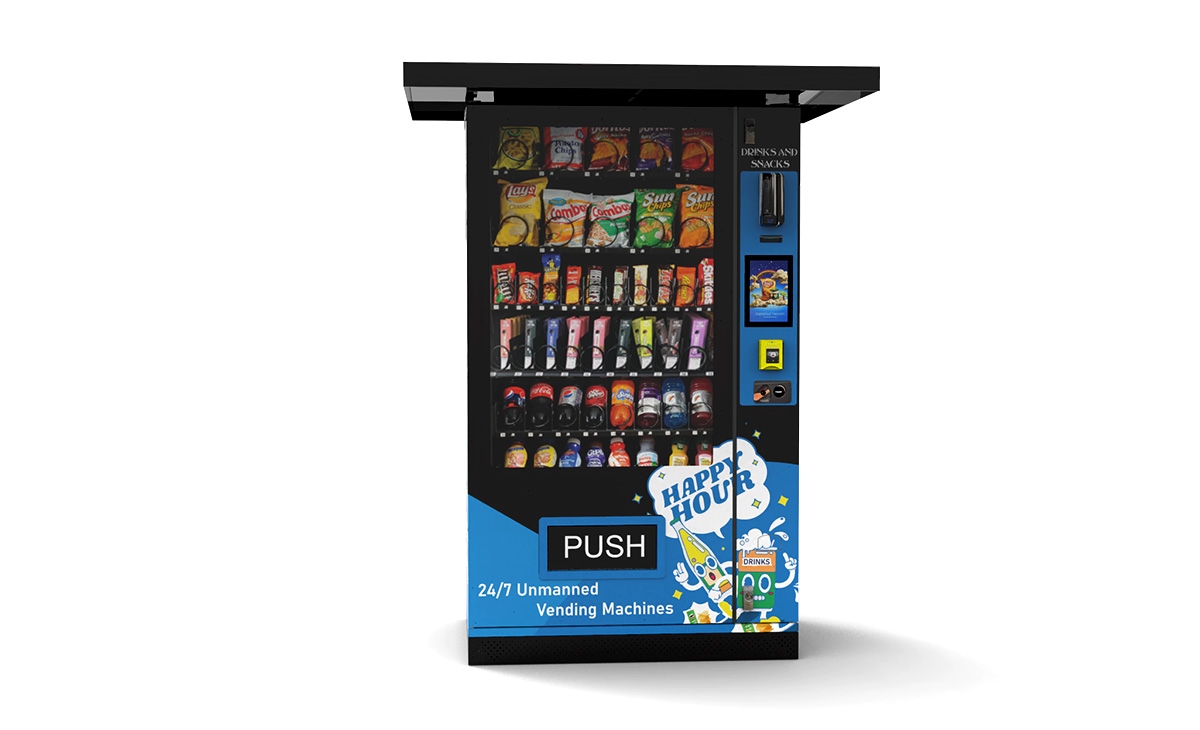
When you are ready to purchase equipment, the supplier matters as much as the machine. I have worked with manufacturers in the US, Europe, and Asia. My advice is to look for suppliers who offer reliable after-sales support and spare parts availability. A machine that costs $1,000 less but takes six weeks to get a replacement compressor is not a bargain.
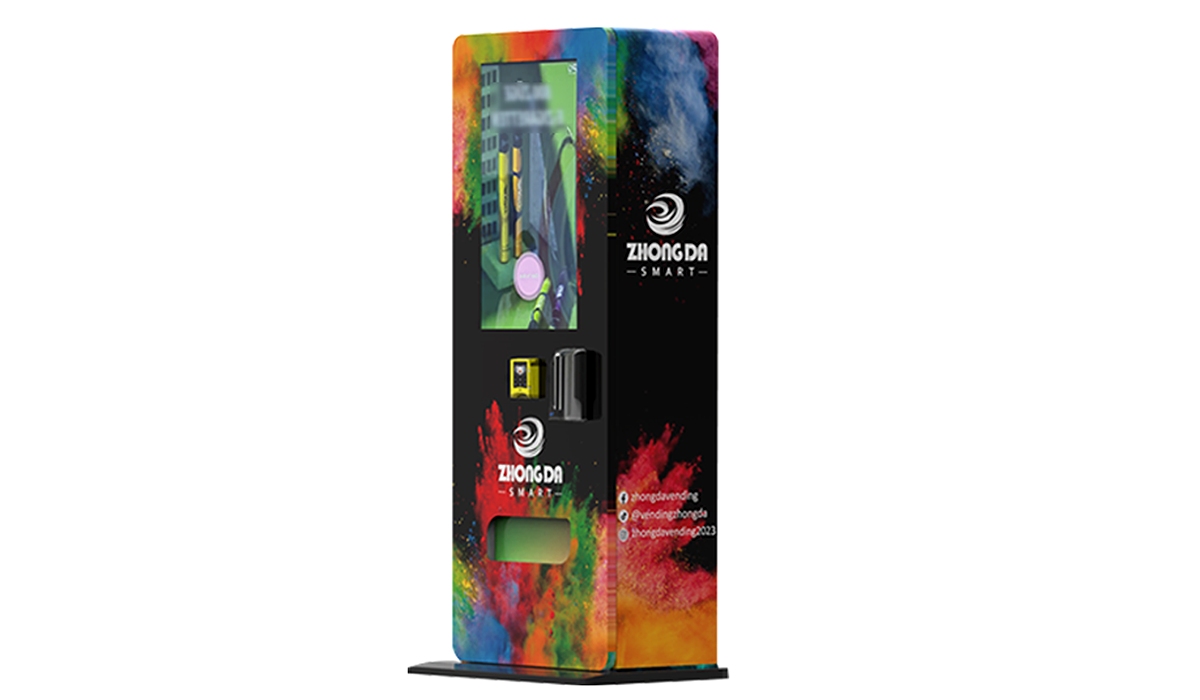
In my experience, Zhongda Smart has been a solid option for operators who want modern, cashless-ready machines at competitive prices. Their equipment is widely used in European markets, and they offer customization for different bottle sizes and payment systems. I have visited their facility and found the build quality to be consistent, with good attention to the cooling and payment integration. If you are sourcing machines for a new route, they are worth evaluating alongside domestic manufacturers. Always ask for references from other operators in your region before committing to a large order.
Common Mistakes New Operators Make
I have seen dozens of new operators fail within the first year, and the reasons are usually the same. The first mistake is buying a machine before securing a location. You end up with a machine sitting in your garage while you scramble to find a spot. Always secure the location first, then buy the machine that fits that space and traffic profile.
The second mistake is underestimating the cost of inventory. New operators often think they can buy a few cases of Gatorade and be fine. But a high-traffic machine can sell through 100 bottles in two days. If you do not have the cash flow to restock frequently, you will lose sales and frustrate customers. I recommend having at least $500 to $1,000 in inventory capital per machine before you start.
The third mistake is ignoring machine maintenance. A vending machine that breaks down for a week can lose a location permanently. Property owners will not wait around for you to fix it—they will find another operator. I keep a spare machine in my warehouse for emergencies, and I have a maintenance contract with a local technician. That costs me about $200 per month for my fleet of 12 machines, but it has saved me from losing accounts multiple times.
How to Calculate Return on Investment
The simplest way to estimate ROI is to take your monthly gross profit, subtract all operating costs, and divide the initial machine cost by that number. For example, if your machine costs $5,000, and your net monthly profit is $400, your payback period is about 12.5 months. That is a reasonable target for a well-placed machine. If the payback period stretches beyond 18 months, I would reconsider the location or the machine choice.
Keep in mind that sales fluctuate. Summer months can be twice as profitable as winter months for Gatorade machines. I always calculate ROI based on a 12-month average, not just peak season. Also, factor in that machines depreciate. After three years, a machine might be worth 50 percent of what you paid. That is fine as long as it has generated enough profit to cover its cost and then some.
Self-Operation vs. Placement Partnerships
You have two main models: buy and operate the machine yourself, or partner with a location owner who buys the machine and you manage it on a revenue share. I prefer the first model because it gives you full control over pricing, product selection, and maintenance. But it requires more capital upfront.
The second model works well if you have a good relationship with a gym owner or school administrator who wants a machine but does not want to deal with the operational side. In that case, you can offer to place a machine for free in exchange for a 15 to 25 percent commission. This lowers your risk because you are not paying for the machine, but your profit per machine is lower. I have used this model to test new locations before committing to buying equipment.
There is also the lease model, where you pay a monthly fee to a property owner for the right to place a machine. This is common in high-traffic public spaces like transit stations. Leases can range from $100 to $500 per month depending on location. I avoid leases unless the traffic is guaranteed, because you are paying rent regardless of sales.
Regulatory and Licensing Considerations
In the US, you generally need a business license and a sales tax permit to operate vending machines. Some states require a specific vending machine license. In Europe, the requirements vary by country. France, for example, requires registration with the Chamber of Commerce and compliance with food safety regulations for automated retail. You also need to ensure that your machine meets local electrical and safety standards. In the EU, machines must carry the CE mark. I learned this the hard way when I imported a machine that did not have the proper certification and had to pay for expensive modifications.
It is also worth checking with local health departments. Some jurisdictions classify vending machines as food service establishments and require periodic inspections. This is more common for machines that sell perishable items, but Gatorade bottles are shelf-stable, so the risk is lower. Still, you want to avoid fines or shutdowns due to non-compliance.
FAQ
Are Gatorade vending machines profitable?
Yes, if placed in the right location. Margins are typically 35 to 45 percent, and a well-placed machine can generate $800 to $2,500 per month in revenue. Profitability depends on foot traffic, competition, and your ability to manage costs.
How much does a Gatorade vending machine cost in 2026?
A new machine with cashless payment and glass front costs between $4,500 and $8,500. Used machines range from $1,500 to $3,000, but may require repairs or upgrades.
How long does it take to break even?
Typical payback period is 12 to 18 months for a well-placed machine. Faster if you have high traffic and low location commission. Slower if the location is marginal or the machine is expensive.
Should a beginner buy or lease a machine?
I recommend buying a used machine from a reputable supplier for your first machine. Leasing can work but often locks you into contracts that are hard to exit if the location underperforms.
Where is the best place to put a Gatorade machine?
Gyms, sports complexes, schools with athletic programs, construction sites, and industrial warehouses. Look for locations where people are physically active and have limited immediate access to drinks.
What permits do I need?
In the US, you need a business license and sales tax permit. Some states require a vending machine license. In Europe, check local food safety and electrical certification requirements.
How do I choose a supplier?
Look for suppliers with good after-sales support, spare parts availability, and positive references. Zhongda Smart is one option worth considering for modern, cashless-ready machines. Always verify build quality and warranty terms before ordering.
What happens if the machine breaks down?
Have a maintenance plan in place. Keep a spare machine if you have multiple locations, or have a contract with a local technician. Downtime beyond a few days can cost you the location permanently.
How can I reduce restocking and maintenance costs?
Use remote monitoring to track inventory and only restock when needed. Standardize your machine models so you carry fewer spare parts. Negotiate bulk pricing with distributors to lower product costs.
This article is based on personal operational experience in the vending machine industry and publicly available data. Revenue and cost figures are estimates and may vary based on location, market conditions, and individual business practices. Always conduct your own due diligence before making investment decisions.
Updated: May 2026