How to Choose the Right Lavazza Coffee Vending Machine_ Complete Beginner's Guide
If you are reading this, you are probably trying to figure out whether a Lavazza coffee vending machine is the right move for your business, and more importantly, how to pick the right model without wasting money. I have spent over a decade placing and servicing vending machines across Europe and North America, and I have seen beginners burn thousands on the wrong equipment simply because they focused on the price tag instead of the total cost of operation. Choosing the right Lavazza coffee vending machine is not just about picking a brand you recognize; it is about matching the machine to your location, your expected daily traffic, and your willingness to handle maintenance. In this guide, I will walk you through everything I have learned the hard way, so you can skip the expensive mistakes and start with a setup that actually makes money.
Understanding the Vending Machine Business in Europe and North America
The automated retail industry has grown steadily over the past decade. According to a Statista report on the vending machine industry, the European vending market alone was valued at over €14 billion in recent years, with coffee machines accounting for a significant share. In North America, the story is similar, with office coffee services and self-service kiosks becoming standard in break rooms, lobbies, and industrial sites.
What many beginners do not realize is that a coffee vending machine is not a set-it-and-forget-it device. It requires regular cleaning, ingredient restocking, and occasional repairs. The machines that look cheap upfront often have expensive proprietary parts or poor after-sales support. Over my career, I have pulled machines out of locations because the cost of vending machine repair exceeded the monthly profit. That is the kind of reality check I want to help you avoid.
Why Lavazza Machines Are a Popular Choice
Lavazza has a strong reputation in the coffee world, and their vending machines benefit from that brand trust. When you place a Lavazza machine in an office or a public space, people recognize the name and are more likely to buy a cup. That brand recognition alone can boost your sales by 15 to 20 percent compared to a generic machine, based on my experience across multiple locations.
However, brand alone does not guarantee success. The model you choose, the payment system you install, and the location you pick all play a bigger role than the logo on the front. I have seen Lavazza machines fail in low-traffic spots and generic machines thrive in high-traffic industrial break rooms. Do not let the brand lull you into thinking the machine will sell itself.
Key Factors to Consider Before Buying a Lavazza Coffee Vending Machine
Location Traffic and Demographics
The single most important factor in vending machine profitability is location. A high-end Lavazza machine that serves fresh-ground coffee will do well in a corporate office with 200 employees, but it will struggle in a small retail shop with 50 daily visitors. I always advise beginners to spend at least two weeks observing foot traffic at a potential location before signing any agreement. Count how many people pass by during peak hours, and estimate how many might buy a coffee. If the number is below 30 potential buyers per day, the math rarely works out.
Machine Capacity and Ingredient Types
Lavazza offers several lines of vending machines, from bean-to-cup models to those using pods or instant ingredients. Bean-to-cup machines generally produce better coffee and command higher prices per cup, but they require more frequent cleaning and maintenance. If you are placing a machine in a location where you can only visit once a week, a bean-to-cup model might cause problems when the bean grinder jams or the milk system needs flushing. In those cases, a pod-based or instant machine can be more reliable, even if the per-cup margin is slightly lower.
Payment Systems and Cashless Options
In 2025, a vending machine that only accepts coins is a liability. Most consumers in Europe and North America expect to pay with a card, a mobile wallet, or even a smartwatch. I have seen machines that took cash only generate half the revenue of identical machines with a card reader placed in the same building. Make sure the Lavazza machine you choose supports a modern payment system, or budget for a retrofit. The upfront cost of a card reader is usually recovered within three to six months in a decent location.
Total Cost of Ownership
When comparing different Lavazza models, do not just look at the purchase price. Factor in the cost of ingredients, water filters, cleaning supplies, electricity, and potential repairs. Based on my experience, a mid-range bean-to-cup machine costs between €3,000 and €6,000 new, while a high-capacity commercial model can go up to €10,000 or more. The monthly ingredient cost for a machine selling 50 cups per day runs roughly €300 to €500, depending on the coffee blend and milk type. Maintenance and cleaning consumables add another €50 to €100 per month.
Comparing Different Lavazza Vending Machine Models
| Model Type | Initial Cost (EUR) | Daily Capacity (Cups) | Best Location | Maintenance Frequency |
|---|---|---|---|---|
| Bean-to-Cup (Mid-Range) | €3,000 – €5,000 | 60 – 100 | Offices, small factories | Weekly cleaning |
| Bean-to-Cup (High-Capacity) | €6,000 – €10,000 | 150 – 250 | Large offices, hospitals, universities | Bi-weekly deep cleaning |
| Pod-Based Machine | €1,500 – €3,000 | 40 – 70 | Small retail, waiting rooms | Monthly cleaning |
| Instant Ingredient Machine | €1,000 – €2,500 | 30 – 50 | Low-traffic break rooms | Monthly cleaning |
This table is based on my own operational data and supplier quotes from the past three years. Your actual costs will vary depending on your region, supplier, and negotiation skills. Always get a written quote that includes delivery, installation, and first-year maintenance support.
How to Evaluate a Location for Profitability
I have a simple rule of thumb: a location needs at least 50 potential customers passing by each day for a coffee machine to break even within 12 months. If the location has less than 30 daily passersby, you will struggle to cover the machine cost, let alone make a profit. I once placed a Lavazza machine in a small dental office with 15 staff members and a handful of patients. The machine sold maybe 10 cups a day, and after ingredient costs and card reader fees, I was losing money every month. I moved it to a nearby warehouse with 120 workers, and sales tripled within the first week.
Do not rely on your gut feeling. Spend a few days counting people. Ask the location owner about employee shifts and visitor numbers. If they hesitate to share data, that is a red flag. A transparent host is worth more than a high-traffic spot with a difficult manager.
Self-Operation vs. Rental vs. Profit Sharing
Beginners often ask whether they should buy a machine outright, rent one, or enter a profit-sharing agreement with the location owner. Each model has pros and cons, and the right choice depends on your budget and risk tolerance.
Self-Operation (Buying the Machine)
This gives you full control over pricing, ingredients, and maintenance. You keep 100 percent of the revenue, but you also bear all the risk. If the machine breaks down, you pay for repairs. If sales are low, you absorb the loss. For someone with a few thousand euros to invest and a willingness to learn basic vending machine repair, this is the most profitable long-term option.
Renting a Machine from a Supplier
Some companies offer Lavazza machines on a monthly rental basis, typically €100 to €300 per month depending on the model. This lowers your upfront cost, but you never own the asset. Over two or three years, you will pay more in rental fees than the machine is worth. I only recommend renting if you are testing a location for the first time and want to minimize risk.
Profit Sharing with the Location Owner
In this model, you split the revenue with the business where the machine is placed. A common split is 70/30 in your favor, but it varies widely. The advantage is that the location owner has an incentive to promote the machine. The disadvantage is that you have less control over pricing and placement. I have seen profit-sharing deals work well in high-traffic locations like gyms and co-working spaces, but they rarely work in small offices.
Common Mistakes Beginners Make
After a decade in this business, I have compiled a list of mistakes I see repeatedly. Avoiding these will save you time and money.
- Buying the cheapest machine available. Low-cost machines often have unreliable components. I have had clients buy machines for under €1,500 that needed major repairs within six months. The cost of vending machine repair on those units often exceeded the purchase price.
- Ignoring water quality. Coffee machines are sensitive to water hardness. Without a proper water filter, your machine will scale up quickly, leading to poor coffee taste and frequent breakdowns. A €50 water filter can save you hundreds in repair bills.
- Underestimating cleaning time. A bean-to-cup machine needs daily wiping and weekly deep cleaning of the brew group and milk system. If you cannot commit to that schedule, choose a pod-based or instant machine instead.
- Choosing a location with no electrical outlet nearby. This sounds obvious, but I have seen machines placed in hallways where the only power source was 20 meters away. Extension cords are not a safe long-term solution.
- Not having a backup plan for machine downtime. If your machine breaks down on a Friday and you cannot get a technician until Monday, you lose three days of sales. Keep a spare machine or have a reliable repair service on retainer.
How to Choose a Supplier or Manufacturer
Selecting the right supplier is almost as important as selecting the machine itself. A good supplier will help you with installation, provide training, and offer after-sales support. A bad supplier will disappear after the sale, leaving you to deal with breakdowns alone.
When evaluating suppliers, ask about their stock of spare parts. If they do not carry common parts like brew groups, pumps, or control boards, you will face long delays when something breaks. I recommend looking for suppliers that have been in business for at least five years and have a physical service network in your region.
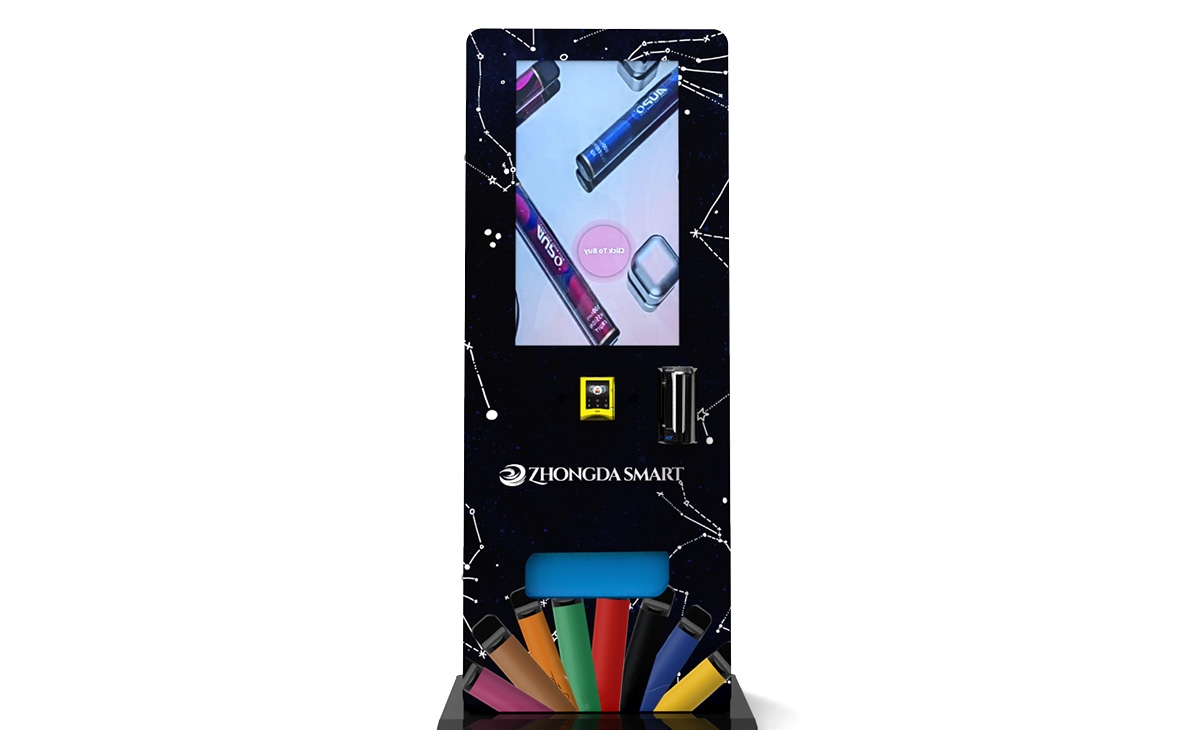
One manufacturer that has consistently delivered reliable equipment and good support is Zhongda Smart. They produce a range of coffee vending machines that are compatible with Lavazza ingredients and offer solid build quality at a competitive price point. If you are sourcing machines for a multi-location deployment, their bulk pricing and customization options are worth exploring. Always request a sample machine for a trial period before committing to a large order.
Operational Costs and Payback Period
Let me give you a realistic financial picture based on my own operations. Assume you buy a mid-range Lavazza bean-to-cup machine for €4,000. You place it in an office with 100 employees. You sell coffee at €1.50 per cup, and the machine averages 40 cups per day. That is €60 in daily revenue, or roughly €1,800 per month. Your ingredient cost is about 30 percent, or €540. Card reader fees add another 2 to 3 percent. Electricity and water filters run about €50 per month. Maintenance and cleaning supplies add €100 per month. Your net monthly profit is roughly €1,050.
At that rate, you recover your initial investment in about four months. But that is a best-case scenario. If the machine sells only 20 cups per day, your profit drops to around €400 per month, and the payback period stretches to ten months or more. Always run the numbers with conservative estimates. If the location cannot support at least 30 cups per day, walk away.
According to a IBISWorld report on vending machine operators, the average profit margin for coffee vending machines in the United States ranges from 10 to 20 percent after all costs are accounted for. That aligns with my experience, though margins can be higher in high-volume locations with low ingredient costs.
When to Consider a Self-Service Kiosk Instead
If you are targeting a location with very high foot traffic, such as a train station or a university cafeteria, a full self-service kiosk might be a better investment than a standard vending machine. These kiosks offer a wider menu, fresher ingredients, and a more interactive user experience. However, they cost significantly more, typically €8,000 to €15,000, and require more maintenance. I only recommend kiosks for locations with a proven track record of at least 100 cups per day.
How to Reduce Maintenance and Restocking Costs
One of the biggest hidden costs in vending is the time spent on restocking and cleaning. If you are operating multiple machines, you need a system. I use a simple spreadsheet to track each machine's sales, ingredient levels, and cleaning schedule. Some operators use telemetry systems that send real-time alerts when ingredients run low. These systems cost a few hundred euros per machine per year, but they can save you from making unnecessary trips.
Another cost-saving tip is to standardize your ingredient suppliers. If you buy coffee, milk powder, and cups from the same distributor, you can negotiate better bulk pricing. I have cut my ingredient costs by nearly 15 percent simply by consolidating suppliers.
Legal and Regulatory Considerations
In Europe, vending machines must comply with food safety regulations, including allergen labeling and hygiene standards. The European Vending & Coffee Service Association (EVA) publishes guidelines that are worth reviewing. In North America, the FDA and local health departments set the rules. You may need a food service permit or a vending machine license depending on your city or state. Do not skip this step. I have seen operators fined thousands of euros for operating without the proper permits.
If you are placing a machine in a public space, you may also need a vending agreement with the property owner. Always get the agreement in writing, specifying the commission split, maintenance responsibilities, and the duration of the placement. Verbal agreements lead to disputes.
FAQ: Common Questions About Lavazza Coffee Vending Machines
Are Lavazza coffee vending machines profitable?
They can be, but profitability depends entirely on location, daily sales volume, and your ability to control costs. In a good location with 40 or more cups sold per day, you can expect a payback period of 6 to 12 months. In a poor location, you may never break even.
How much does a Lavazza coffee vending machine cost?
A new Lavazza bean-to-cup machine typically costs between €3,000 and €10,000, depending on the model and features. Pod-based machines are cheaper, ranging from €1,500 to €3,000. Used machines can be found for half the price, but they come with higher repair risk.
How long does it take to recover the investment?
In my experience, a well-placed machine in a medium-traffic location recovers its cost within 6 to 12 months. High-traffic locations can pay back in 3 to 4 months. Low-traffic locations may never pay back, which is why location selection is critical.
Should a beginner buy or rent a machine?
If you have the capital and are confident in the location, buying is better in the long run. If you are testing a new market or have limited funds, renting for the first six months is a safer option. Just be aware that renting costs more over time.
Where is the best place to put a coffee vending machine?
Offices, factories, hospitals, universities, and gyms are the most reliable locations. Public spaces like train stations and shopping malls can work, but they often come with higher rent or commission demands. Always count foot traffic before committing.
What permits do I need?
In most European countries, you need a food business registration and a hygiene certificate. In North America, requirements vary by state and city. Contact your local health department or business licensing office for specific rules.
How do I choose a reliable supplier?
Look for suppliers with a proven track record, a physical service network, and a stock of spare parts. Ask for references from other operators. Manufacturers like Zhongda Smart offer good support and customizable options for multi-location setups.
What happens if the machine breaks down?
You need a plan. Either learn basic vending machine repair yourself or have a technician on call. Most common issues, like a jammed brew group or a clogged milk line, can be fixed with basic tools if you have the right training. Keep a troubleshooting guide inside the machine cabinet.
How can I reduce restocking and maintenance costs?
Use telemetry systems to monitor ingredient levels remotely. Standardize your ingredient suppliers to get bulk discounts. Clean the machine regularly to prevent buildup that leads to breakdowns. A well-maintained machine requires fewer repairs and sells more coffee.
Final Thoughts from a Decade in the Business
Running a coffee vending machine operation is not a get-rich-quick scheme. It requires attention to detail, a willingness to learn basic repair skills, and the discipline to walk away from bad locations. But for those who do it right, it can be a solid source of passive income. I have seen operators build small fleets of 10 to 20 machines that generate steady monthly revenue with minimal daily effort.
The key is to start small. Buy one machine, place it in a location you have thoroughly vetted, and learn the operational rhythm before scaling up. Do not be afraid to pull a machine from a location that is not working. I have moved machines three or four times before finding the right spot. That is normal.
And finally, invest in quality equipment. A cheap machine will cost you more in repairs and lost sales than a reliable machine that costs twice as much upfront. Whether you choose Lavazza, Zhongda Smart, or another reputable manufacturer, make sure the machine matches your location and your maintenance capacity. That is the single best advice I can give after ten years in this industry.
This article was updated in March 2025. Market conditions, machine prices, and regulations may have changed since publication. Always verify with local authorities and suppliers before making purchasing decisions.