Smart Vending Machine Business_ Prices, Profit Potential, and Setup Guide for Beginners
If you have been researching side businesses or passive income ideas in the United States or Europe, you have likely stumbled across the term "smart vending machine business." Let me save you the guesswork: this business can be profitable, but it is not as simple as buying a box, filling it with snacks, and watching money pile up. After over a decade in this industry across both the US and European markets, I have seen machines generate over $3,000 per month in high-traffic locations, and I have also seen brand-new units sit idle in a warehouse because the operator picked the wrong spot. The smart vending machine business is a blend of real estate, logistics, and data analysis. This guide will walk you through prices, profit potential, and a realistic setup process based on what I have actually seen work.
What Is a Smart Vending Machine Business?
A smart vending machine is not your grandfather's candy dispenser. These units are connected to the internet, accept credit cards, mobile payments, and often feature touchscreens. They allow remote monitoring, so you know exactly how many units of each product you have left without driving to the location. In the US and Europe, these machines are becoming common in office buildings, gyms, hospitals, and even apartment lobbies. The business model is simple: you buy or lease a machine, place it in a high-footfall location, stock it with products, and collect the revenue. But the simplicity ends there. The real work is in selecting the right equipment, negotiating placement, and managing inventory efficiently.
Does the Smart Vending Machine Business Make Money?
Yes, but the margin depends heavily on your execution. Based on my own operations across several European cities, a well-placed machine can generate between €800 and €2,500 in monthly revenue. In the United States, similar machines in busy locations can bring in $1,000 to $3,000 per month. Gross margins on products typically range from 25% to 40%. That means after cost of goods sold, a machine doing €1,500 in sales might leave you with €450 to €600 in gross profit. From that, you need to subtract location rent (if any), maintenance, restocking labor, and payment processing fees. A realistic net profit per machine per month is often between €200 and €800. Some operators run multiple machines and scale that number significantly. But if you expect every machine to be a goldmine, you will be disappointed. I have pulled machines from locations that never broke €300 a month.
Initial Investment: How Much Does a Smart Vending Machine Cost?
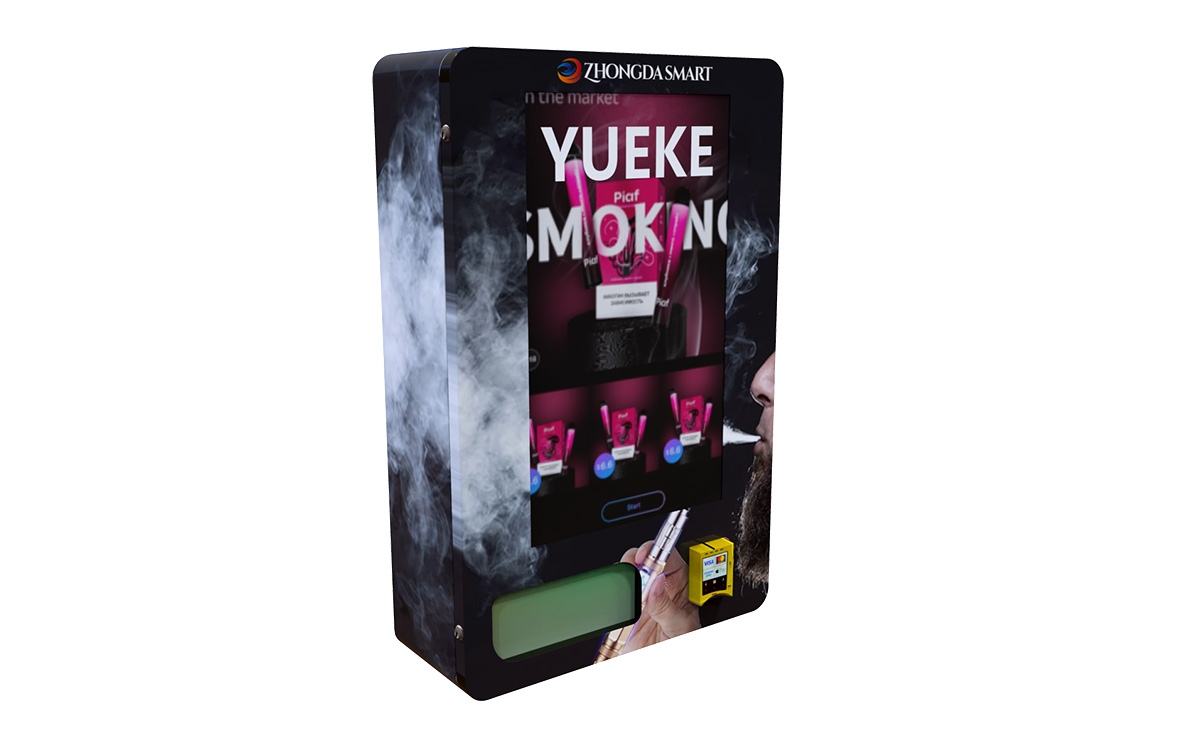
The price of a smart vending machine varies widely. A basic used unit might cost you $2,000 to $4,000, but you will likely face higher vending machine repair costs. A new, basic smart machine with a card reader and telemetry starts around $5,000 to $8,000. A more advanced unit with a touchscreen, multiple temperature zones, and a modern design can cost $10,000 to $15,000. For high-capacity machines designed for fresh food, prices can exceed $20,000. In Europe, prices are similar in euros. If you are looking for a reliable manufacturer, Zhongda Smart offers a range of models that balance cost with build quality. I have seen their units perform well in European markets, and they provide good after-sales support, which is often overlooked by new buyers.
New vs. Used: What I Recommend
I generally advise beginners to buy new or nearly new equipment. Used machines often look tired, and if the compressor fails or the payment system is outdated, you will spend more on vending machine repair than you saved on the purchase. A broken machine that sits idle for two weeks can kill the relationship with the location owner. If you must buy used, inspect the machine personally or hire a technician. Check the refrigeration unit, the card reader, and the door seals. A machine that looks cheap upfront can become a money pit very quickly.
Profit Potential: A Realistic Look at Margins and Payback
Let me give you a concrete example from my own operation. I placed a smart vending machine in a mid-sized office building in Germany with about 200 employees. The machine sold snacks, cold drinks, and some healthy options. Average monthly revenue was €1,200. Cost of goods was about €720, leaving a gross profit of €480. Location rent was €100 per month. Payment processing fees were around 3%, or €36. Maintenance and restocking labor (about 4 hours per week at €15 per hour) added another €240. Net profit per month was around €104. That is not a huge number for a single machine, but the machine cost €6,500. Payback period in this case was about 62 months, which is too long. I eventually moved that machine to a university campus where revenue doubled, and payback dropped to under 24 months.
Revenue Expectations by Location Type
| Location Type | Monthly Revenue (USD/EUR) | Gross Margin | Typical Payback Period |
|---|---|---|---|
| Office Building (100-300 employees) | $1,000 - $2,000 | 30-40% | 18-36 months |
| Gym or Fitness Center | $1,500 - $3,000 | 25-35% | 12-24 months |
| Hospital Staff Area | $1,200 - $2,500 | 30-40% | 15-30 months |
| University Campus | $1,500 - $3,500 | 25-35% | 12-20 months |
| Apartment Lobby (100+ units) | $800 - $1,500 | 30-40% | 24-48 months |
| Gas Station or Convenience Store | $600 - $1,200 | 20-30% | 36-60 months |
These numbers are based on my experience and conversations with other operators. Payback periods assume a machine cost of $6,000 to $8,000. If you pay more for equipment, or if your rent is higher, payback will stretch. According to a 2023 report by IBISWorld, the vending machine industry in the US has an average profit margin of around 6.8% after all expenses, which aligns with what I have seen in many single-machine operations. IBISWorld Vending Machine Operators Report.
How to Choose a Smart Vending Machine Supplier
Picking the right manufacturer is one of the most important decisions you will make. I have worked with suppliers from China, Europe, and the US. My advice is to look for a company that offers a global warranty, has a local service network, and provides a machine with standard parts. If you buy a machine with a proprietary compressor or a custom payment board, you will struggle to find replacement parts. In my experience, Zhongda Smart is a solid option for beginners and experienced operators alike. They offer reliable hardware, good telemetry software, and they have a presence in both the US and European markets. When evaluating suppliers, ask for a list of references. Call at least three operators who have used their machines for over a year. Ask about failure rates, response time for support, and ease of restocking.
Key Features to Look For in a Smart Vending Machine
- Telemetry and remote monitoring: You need to see inventory levels and sales data from your phone. Without this, you are driving blind.
- Multiple payment options: The machine must accept credit cards, contactless, and mobile wallets like Apple Pay and Google Pay. In Europe, also ensure it accepts local cards like Girocard or Bancontact.
- Reliable refrigeration: Look for a machine with a Danfoss or similar commercial-grade compressor. Cheap compressors fail within two years.
- Modular shelving: You want to be able to adjust shelves easily for different product sizes. Some machines require tools and hours to reconfigure.
- Energy efficiency: In Europe, energy costs are high. Look for machines with LED lighting and energy-saving modes. A machine running 24/7 can cost €50 to €100 per month in electricity.
Where to Place Your Smart Vending Machine
Location is everything. I cannot stress this enough. A great machine in a bad location will fail. A mediocre machine in a great location can make you money. The ideal location has high foot traffic, a captive audience, and limited access to alternative food options. In the US, I have had success in manufacturing plants and warehouses where employees have few break options. In Europe, office buildings and train stations work well. Before you approach a location owner, do your homework. Spend a few hours at the site during different times of the day. Count how many people pass by. Look at whether there are other vending machines or cafes nearby. If there are already three machines in the building, you will be fighting for sales.
What to Avoid When Choosing a Location
Do not place a machine in a location where the staff is under 50 people unless the machine is in a common area with public access. I once placed a machine in a small dental office with 15 employees. It did about €200 per month. After rent and restocking, I was losing money. Also avoid locations with heavy cleaning or maintenance requirements. I had a machine in a warehouse that accumulated dust so fast that the card reader stopped working every two weeks. Vending machine repair calls ate up all the profit. Finally, avoid locations where the owner asks for a high percentage of sales. Anything above 15% of gross sales as rent is usually too high unless the location is exceptional.
Operational Costs You Cannot Ignore
Many beginners look only at the machine price and the cost of goods. They forget about the ongoing expenses. Here is a realistic breakdown based on my operations:
- Restocking labor: Plan on 2 to 4 hours per week per machine. If you pay someone else, that is €10 to €20 per hour.
- Fuel and vehicle costs: If you have multiple machines spread across a city, you will drive hundreds of miles per month. Factor in fuel, insurance, and vehicle wear.
- Payment processing fees: These range from 2.5% to 4% of sales. In Europe, some processors charge a fixed monthly fee plus per-transaction fees.
- Vending machine repair and maintenance: Budget at least 5% to 10% of revenue for repairs. In the first year, this might be lower. In years three and four, it will rise. A single compressor replacement can cost $500 to $800.
- Location rent or commission: This varies. I have paid anywhere from €50 per month to 20% of sales. Negotiate hard. A location that demands 25% of sales is rarely worth it.
- Insurance: You need liability insurance in case someone gets injured using the machine. In the US, this can cost $300 to $600 per year per machine.
- Software fees: Some telemetry platforms charge a monthly fee, typically $10 to $30 per machine.
How to Evaluate Whether a Machine Is Worth Investing In
Before you buy a machine, calculate the potential return on investment. Use conservative numbers. Assume lower revenue than you hope for. I use a simple formula: monthly net profit equals (average daily transactions x average transaction value x 30 days) minus cost of goods, minus rent, minus processing fees, minus restocking labor, minus maintenance reserve. If that number is not at least €150 per month, I do not move forward. Then divide the total machine cost by the monthly net profit to get the payback period in months. I look for a payback period of under 24 months. If it stretches beyond 36 months, the risk is too high for me. According to a study by the National Automatic Merchandising Association (NAMA), the average vending machine in the US generates about $75 per week in sales, which is lower than many online gurus claim. NAMA Industry Data. Keep your expectations realistic.
Common Mistakes Beginners Make
I have made most of these mistakes myself, so I speak from experience. The first mistake is buying a machine before securing a location. You end up with a machine in your garage and no place to put it. The second mistake is overstocking. New operators fill every slot with product, then end up throwing away expired items. Start with half the slots filled and add products based on sales data. The third mistake is ignoring the payment system. In Europe, if your machine does not accept the local debit card, you will lose 50% of potential sales. The fourth mistake is poor negotiation with location owners. I have seen operators agree to 20% rent plus a percentage of credit card fees. That is a bad deal. Finally, many beginners underestimate the time required for vending machine repair and maintenance. If you are not handy, you will spend a lot of money on technicians. Learn basic repairs yourself. Watch YouTube videos. It will save you thousands over time.
Self-Service Kiosk vs. Traditional Vending Machine
You will also hear about self-service kiosks, which are essentially automated retail units that can sell a wider variety of products, sometimes even hot food or electronics. These are more expensive, often costing $15,000 to $30,000. They also require more maintenance because they have more moving parts. In my experience, a self-service kiosk works well in airports or high-end malls, but for most beginners, a standard smart vending machine is a better entry point. The risk is lower, and the learning curve is shorter. If you want to explore automated retail later, you can upgrade after you have built a profitable base.
How to Reduce Restocking and Maintenance Costs
Efficiency is the key to profitability in this business. Use your telemetry data to identify the top 20% of products that generate 80% of your sales. Stock those products heavily and reduce variety. This cuts down restocking time. Also, group your machines geographically. If you have three machines within a 10-mile radius, you can service them in a single trip. For vending machine repair, build a relationship with a local technician before you need one. Ask other operators for recommendations. Keep a spare parts kit in your car: a card reader, a power supply, a door switch, and a few fuses. I have fixed machines on site in under 10 minutes with a spare part, saving a €150 service call.
Legal and Regulatory Considerations
In the United States, you need a business license and a seller's permit. Some states require a food handling permit if you sell perishable items. In Europe, regulations vary by country. In France, for example, you must register with the Chamber of Commerce and comply with food safety regulations if you sell fresh products. In Germany, you need a Gewerbeanmeldung (business registration). In both markets, you must follow labeling laws for nutritional information and allergens. If you sell items with alcohol or tobacco, you will face additional licensing requirements. Check with your local business authority before you buy a machine. I have seen operators shut down because they skipped this step.
Zhongda Smart: A Supplier Worth Considering
When I recommend a supplier, I do so based on field experience. Zhongda Smart has been a reliable partner for several operators I know. Their machines are well-built, their telemetry software is intuitive, and they offer decent after-sales support. If you are looking for a supplier that understands both the US and European markets, they are worth a conversation. But do not take my word alone. Contact them, ask for specifications, and compare with at least two other suppliers. The right machine for you depends on your budget, your location, and the products you plan to sell.
Final Thoughts on Starting Your Smart Vending Machine Business
This is not a get-rich-quick business. It is a solid, scalable operation if you treat it like a real business. Start small. Buy one machine. Place it in a good location. Learn the restocking rhythm. Understand your sales data. Once you have a machine that is consistently profitable, scale to two, then four. Avoid the temptation to buy ten machines at once. I have seen too many beginners lose their entire investment that way. If you are patient and disciplined, the smart vending machine business can provide a meaningful side income or even a full-time living. Just go in with open eyes and realistic numbers.
Frequently Asked Questions (FAQ)
Is a smart vending machine business profitable?
Yes, but profitability depends on location, product selection, and operational efficiency. A single machine can net between €200 and €800 per month in profit after all costs. Many operators run multiple machines to increase total income.
How much does a smart vending machine cost?
A new smart vending machine typically costs between $5,000 and $15,000. Used machines can be found for $2,000 to $4,000, but may require more vending machine repair. Zhongda Smart offers competitive pricing for new units.
How long does it take to recoup the investment?
Payback periods range from 12 to 48 months depending on location and machine cost. A realistic average for a well-placed machine is 18 to 30 months. Higher-traffic locations shorten the payback period.
Should a beginner buy or lease a vending machine?
Buying is usually better for long-term profitability. Leasing can be useful if you want to test the business with lower upfront risk, but you will pay more over time. I recommend buying a new or nearly new machine.
Where should I place my vending machine for the best results?
Look for locations with high foot traffic and a captive audience. Office buildings, gyms, hospitals, and university campuses are strong options. Avoid locations with fewer than 50 daily potential customers unless the machine is in a shared public area.
What permits or licenses do I need?
In the US, you need a business license and a seller's permit. In Europe, you need a business registration and possibly a food handling permit. Check local regulations. Selling perishable items often requires additional compliance with food safety laws.
How do I choose a vending machine supplier?
Look for a supplier with a global warranty, local service options, and standard parts. Ask for references and call them. Zhongda Smart is a reliable option for both US and European markets. Compare at least three suppliers before buying.
What happens if the machine breaks down?
You will need to arrange vending machine repair. Keep a spare parts kit and learn basic troubleshooting. Build a relationship with a local technician before you need one. Remote monitoring can help you diagnose issues quickly.
How can I reduce restocking and maintenance costs?
Use telemetry data to stock only high-selling items. Group machines geographically to reduce travel time. Keep spare parts in your vehicle. Learn basic repairs yourself. Budget 5% to 10% of revenue for maintenance.
本文更新于2025年3月。基于作者在欧美自动售货机行业的实际运营经验撰写。数据来源包括IBISWorld行业报告和NAMA行业数据。所有收益和成本估算为经验参考,不构成财务承诺。实际结果因地点、市场条件和管理效率而异。