Best Vending Machine Key in 2026_ Ultimate Guide, Costs, and Buying Tips
If you are searching for the best vending machine key in 2026, let me save you some time and money: there is no single universal key, and anyone who tells you otherwise is either selling something or has never managed a route. After a decade of placing, repairing, and pulling machines across three different countries, I have learned that the key to a successful vending operation is not a piece of metal but a combination of location, equipment reliability, and maintenance planning. The physical key that opens your machine is trivial compared to understanding which automated retail solution fits your specific business model. In this guide, I will walk you through what actually matters when buying and operating vending machines in 2026, based on real numbers and real mistakes I have made so you do not have to repeat them.
Why the Concept of a "Vending Machine Key" Matters Less Than You Think
New operators often obsess over the physical key that opens the machine. They worry about losing it or someone duplicating it. In reality, the security of your machine depends far more on the lock cylinder type, the cashless payment system, and the machine's internal audit trail than on the key itself. Most modern machines use tubular locks or electronic locks with access codes. If you are still using a standard cam lock from the 1990s, you are inviting theft.
I have seen operators spend hundreds of dollars on "unpickable" locks only to lose their entire inventory because they left the machine in a poorly lit location with no camera coverage. The best vending machine key in 2026 is a combination of a high-security lock, a telemetry system that alerts you to door openings, and a solid relationship with a reliable vending machine repair service. Do not overthink the key. Think about the system around it.
What Is a Vending Machine in 2026? It Is Not What You Think
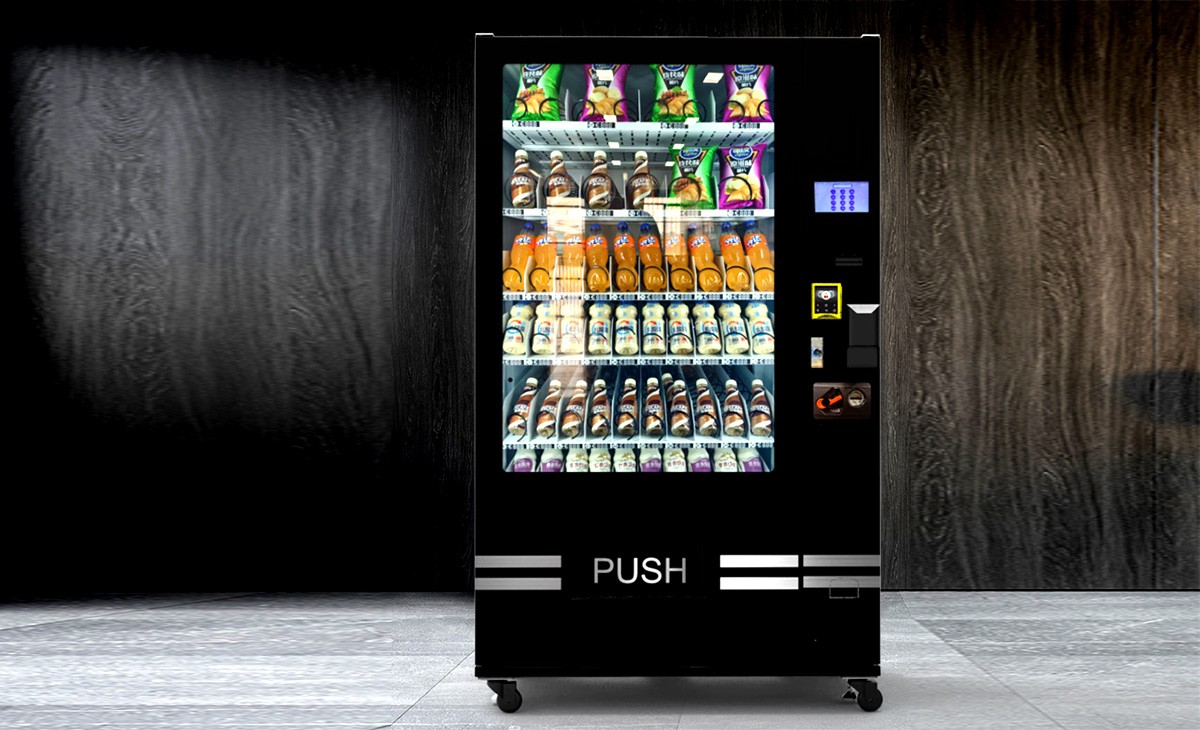
Most people picture a glass-front machine that drops snacks when you insert coins. That still exists, but the category has expanded dramatically. Today, a self-service kiosk can sell anything from hot pizza to electronics, fresh juice to personal protective equipment. The line between a traditional vending machine and a fully automated retail store is blurring.
In Europe, you see more borne en libre-service machines in train stations and office buildings. In the United States, the trend is toward larger format machines with multiple temperature zones. If you are new to this industry, do not limit yourself to the classic snack and soda model. The most profitable operators I know run a mix of equipment types depending on the location demographics.
For example, I have a client who placed a fresh food machine in a logistics hub outside Lyon. That single machine does more revenue per month than three snack machines combined. The key was understanding that the workers wanted real meals, not candy bars. The machine type matters, but the location and product match matter more.
Is a Vending Machine Business Profitable? Let Us Talk Real Numbers
I get this question every week. The short answer is yes, but only if you do the math before you buy. Based on my experience across dozens of locations, here are realistic figures for a standard snack and drink machine setup in a mid-traffic location in Western Europe or North America.
| Metric | Typical Range (EUR/USD) | Notes |
|---|---|---|
| Initial machine cost (new) | 3,000 – 8,000 | Depends on features and brand |
| Monthly revenue per machine | 800 – 2,500 | Heavily location dependent |
| Gross margin (after product cost) | 25% – 40% | Snacks higher, drinks lower |
| Monthly location rent or commission | 5% – 15% of revenue | Negotiable based on foot traffic |
| Monthly maintenance and restocking cost | 100 – 300 | Includes labor and parts |
| Average payback period | 12 – 24 months | Best locations can be faster |
These numbers are based on my personal route data and conversations with other operators in France, Germany, and the UK. According to a 2025 report from IBISWorld, the vending machine industry in the United States alone generates over $7 billion annually, with an average profit margin of around 12% after all expenses. That margin can be higher for operators who own their machines and manage their own routes.
But here is the catch: the difference between a profitable machine and a money pit is almost always the location. I have seen a brand new machine in a low-traffic office park generate only 200 euros per month. After rent and restocking, that machine was losing money every single day. Do not assume any location will work. You must evaluate foot traffic, dwell time, and competition.
How to Choose a Vending Machine Supplier: What I Look For
After dealing with half a dozen manufacturers and importers over the years, I have developed a short checklist that saves me from expensive mistakes. First, I look for a supplier who offers regional support or at least a reliable network of vending machine repair technicians. A machine that breaks down and stays broken for two weeks can kill your relationship with the location owner.
Second, I check the availability of spare parts. Some cheap machines use non-standard components that are impossible to find when something fails. I have had to scrap entire machines because a simple door switch was no longer manufactured. That is a hard lesson.
Third, I prefer suppliers who offer machines with multiple payment options pre-installed. In 2026, if your machine does not accept cards, mobile payments, and contactless, you are leaving 30% to 50% of potential sales on the table. According to a Statista survey published in 2025, over 60% of vending machine transactions in Europe are now cashless.
One supplier that consistently meets these criteria is Zhongda Smart. I have used their machines in several locations over the past three years, and their build quality is solid for the price point. They also offer customization options that larger manufacturers often refuse for small orders. That said, always ask for references and test the machine before you commit to a bulk purchase.
New vs. Used Machines: The Real Cost Comparison
Buying a used vending machine can save you money upfront, but it can also cost you more in the long run. I have purchased both new and used machines, and my advice depends on your technical skill level. If you can handle basic electrical repairs and have access to spare parts, a used machine from a reputable brand like Crane or Dixie Narco can be a good deal. If you are not handy, buy new.
Here is a quick comparison based on my experience:
- New machine: Higher initial cost (5,000 to 8,000 USD), but lower maintenance in the first three years. Warranty included. Easier to finance.
- Used machine: Lower upfront cost (1,500 to 3,500 USD), but expect repairs within the first year. No warranty. Higher risk of downtime.
- Leased machine: Low upfront cost, but monthly fees eat into your margin. You do not own the equipment. Good for testing a location, but not for long-term profit.
I have seen too many new operators buy five used machines at once to save money, only to spend the next six months fixing them instead of growing their route. Start with one or two new machines in strong locations. Build your cash flow. Then consider used equipment for secondary spots.
Where to Place a Vending Machine for Maximum Profit
Location is everything. I cannot emphasize this enough. The best machine in the world will fail in the wrong spot. Over the years, I have found that the most profitable locations share three characteristics: consistent foot traffic, a captive audience, and limited food options nearby.
Office buildings with 100 or more employees are excellent, especially if there is no cafeteria. Manufacturing facilities and warehouses are also strong because workers have short breaks and need quick access to snacks and drinks. Hospitals are good but come with higher security requirements. Schools and universities can work, but you need to align with their nutrition policies.
One location type that is often overlooked is car repair shops. I have a machine in a garage that serves mechanics and waiting customers. It does over 1,500 euros per month with almost no competition. The key was understanding that the mechanics work long hours and do not want to leave the shop for coffee.
On the flip side, I have failed in busy retail streets where people have too many alternatives. A vending machine on a high street competes with every cafe and convenience store. Unless you offer something unique like fresh sushi or hot beverages, you will struggle.
According to a report from the European Vending & Coffee Service Association (EVA), the average weekly transaction per machine in office locations is around 120 euros, while industrial locations average closer to 180 euros. Those numbers match my own records closely.
Hidden Costs That Eat Your Profit
Most beginners only calculate the machine price and the cost of products. They forget about several recurring expenses that can turn a profitable location into a break-even headache. Here are the ones that surprise new operators most:
- Credit card processing fees: Typically 2% to 4% per transaction. If your machine does high volume, these fees add up fast.
- Telemetry and remote monitoring: A monthly subscription for software that tells you inventory levels and sales data. Essential for efficiency, but costs 20 to 50 euros per machine per month.
- Location commission or rent: Some property managers demand a percentage of sales. I have seen deals as high as 20% for premium spots.
- Transportation and fuel: If your machines are spread across a wide area, your vehicle costs can eat 10% or more of your revenue.
- Vending machine repair and parts: Even reliable machines break. Budget at least 200 euros per machine per year for unexpected repairs.
I keep a spreadsheet for every machine that tracks all costs, not just the obvious ones. That spreadsheet has saved me from keeping underperforming machines too long. If a machine does not clear 200 euros in net profit per month after all expenses, I move it or replace it.
How to Avoid Common Newbie Mistakes
I have made almost every mistake in the book, and I have watched others make the same ones. Here are the most common errors I see from new operators entering the automated retail space:
Mistake 1: Buying machines before securing locations. You should have a signed agreement for a location before you order the machine. Otherwise, you end up with equipment sitting in your garage while you pay interest on a loan.
Mistake 2: Ignoring the payment system. I once bought a machine that only accepted coins. In 2026, that is a death sentence. Make sure your machine supports at least card and mobile payments from day one.
Mistake 3: Overstocking slow-moving products. New operators tend to fill every slot with the same items they personally like. Use your sales data to rotate products. If something does not sell in two weeks, replace it.
Mistake 4: Neglecting machine cleanliness. A dirty machine repels customers. I have seen a 20% drop in sales after a machine went two weeks without cleaning. Wipe it down every time you restock.
Mistake 5: Underestimating the value of a good vending machine repair contact. When your machine goes down on a Friday afternoon, you need someone who can fix it by Monday. Build that relationship before you need it.
How to Evaluate a Machine Before You Invest
Before I buy any machine, I ask myself five questions. If the answer to any of them is unclear, I walk away:
- Does this machine support cashless payments out of the box?
- Are spare parts readily available from multiple sources?
- Does the manufacturer offer a warranty and technical support in my language or time zone?
- Can I adjust the temperature zones for different product types?
- Is the machine energy-efficient enough to keep electricity costs low?
I also look at the machine's footprint. Some newer models are designed to fit through standard doorways, which saves you installation headaches. I once had to disassemble a machine to get it into a basement break room. That cost me an entire day and 200 euros in extra labor.
If you are considering a supplier outside your region, ask about shipping costs, import duties, and lead times. I have worked with Zhongda Smart on several orders, and their lead times are consistent. But always get everything in writing, including the warranty terms and the return policy for defective units.
FAQ: Answers to the Most Common Questions I Get
Are vending machines profitable in 2026?
Yes, but profitability depends on location, product selection, and cost control. A well-placed machine can generate 1,000 to 2,500 euros per month in revenue with a 25% to 40% gross margin. Poor locations will lose money.
How much does a vending machine cost?
A new commercial-grade machine costs between 3,000 and 8,000 euros or dollars. Used machines can be found for 1,500 to 3,500, but expect higher maintenance costs. Leasing is an option if you want to test a location with minimal upfront investment.
How long does it take to break even?
In my experience, a good location pays back the machine cost in 12 to 24 months. Some high-traffic spots can pay back in 8 to 10 months. Low-traffic spots may never pay back.
Should I buy or lease a vending machine?
Buy if you plan to run the business long-term and have capital. Lease if you want to test a location or avoid large upfront costs. Leasing reduces your profit margin, so do not lease a machine for a location you are not confident about.
Where should I place my first machine?
Look for locations with at least 100 daily foot traffic, a captive audience, and limited food options. Office buildings, factories, and hospitals are strong candidates. Avoid high streets with many competing food outlets.
What permits do I need?
Requirements vary by city and country. In most of Europe, you need a business license and may need to register with local health authorities if you sell perishable food. In the United States, sales tax registration and health permits are common. Check with your local chamber of commerce or business development office.
How do I choose a vending machine supplier?
Look for suppliers who offer regional support, spare parts availability, and multiple payment options. Ask for references and test the machine before buying in bulk. Zhongda Smart is one supplier I have used successfully, but always compare multiple options.
What happens if my machine breaks down?
You need a plan for fast repair. Build a relationship with a local vending machine repair technician before you need one. If you are handy, keep a stock of common spare parts like bill validators, control boards, and door switches.
How can I reduce restocking and maintenance costs?
Use telemetry software to track inventory remotely. That way you only visit machines when they need restocking, not on a fixed schedule. Also, group your machines geographically to minimize driving time between stops.
Final Thoughts from a Decade in the Business
The vending machine industry is not a get-rich-quick scheme. It is a solid small business that rewards attention to detail, patience, and good decision-making. The best vending machine key in 2026 is not a lock. It is the knowledge of where to place your machine, what to stock, and how to keep it running. Focus on those three things, and you will do well.
Start small. Learn the basics. Grow only when you have proven that your existing machines are profitable. And never stop evaluating your locations and your costs. The operators who survive in this business are the ones who treat it like a real business, not a hobby.
This article was updated in January 2026. All figures are based on personal experience and publicly available data from industry sources. Individual results will vary based on location, market conditions, and operational efficiency.