Best Vending Machine Store in 2026_ Ultimate Guide, Costs, and Buying Tips
If you are looking for the best vending machine store in 2026, you are probably trying to figure out whether this business still makes sense, how much it really costs to get started, and which equipment will actually hold up over time. I have been operating vending machines across the United States and parts of Europe for over a decade, and I can tell you this: the market has changed more in the last three years than in the previous ten. The old model of filling a machine with candy bars and checking it once a month is dead. Today, the best vending machine store is not a physical location you walk into — it is a combination of smart equipment, the right supplier, and a location that actually generates foot traffic. In this guide, I will walk you through everything I have learned about costs, equipment selection, placement, maintenance, and how to avoid the mistakes that eat up your margin before you even start.
What a Vending Machine Business Actually Looks Like in 2026
Most people still think of vending machines as those clunky metal boxes that spit out a warm soda or a stale bag of chips. That image is outdated. The modern vending machine is a self-service kiosk equipped with touchscreens, cashless payment systems, inventory tracking, and sometimes even refrigeration units that can handle fresh food. In 2026, the line between a vending machine and a small automated retail store has blurred. You can buy everything from electronics to fresh salads from a machine, and consumers in both the US and Europe have come to expect convenience, speed, and reliability.
From my experience, the biggest shift has been in payment technology. If your machine does not accept credit cards, Apple Pay, Google Pay, or local contactless systems, you are leaving at least 40 percent of potential sales on the table. According to a 2025 report by Statista, contactless payments accounted for over 60 percent of all point-of-sale transactions in Europe, and the trend is similar in North America. I have seen operators install card readers and watch their revenue jump by 30 percent within the first month. That is not a theory — that is real data from machines I have managed.
Is a Vending Machine Business Profitable in 2026?
Yes, but profitability depends entirely on three things: location, product mix, and maintenance discipline. I have placed machines in office break rooms that generated over $2,000 per month in revenue, and I have placed identical machines in retail corridors that barely did $200. The difference was not the machine — it was the people walking past it.
According to IBISWorld, the vending machine industry in the US alone generates over $7 billion annually, and the average profit margin for a well-run operation sits between 15 and 25 percent. That margin shrinks fast if you are paying high location commissions, dealing with frequent machine breakdowns, or stocking low-margin products. In my experience, a single machine in a good location can gross between $500 and $1,500 per month. After product costs, location commission, and maintenance, your net profit per machine is typically between $150 and $400 per month. That is not life-changing money from one machine, but if you scale to ten or twenty machines, it becomes a solid income stream.
What Affects Profitability the Most
I have broken down the main factors that determine whether a machine makes money or bleeds cash:
- Location quality: High foot traffic does not always mean high vending sales. A busy train station might have thousands of people walking through, but if they are all in a hurry and there are other food options nearby, your machine might get ignored. I have had better results in smaller office buildings with 100 to 200 employees who have no other food options within walking distance.
- Product selection: You need to match the products to the demographic. A machine in a gym should stock protein bars and bottled water, not candy and soda. A machine in a hotel lobby should stock travel-size toiletries and snacks. I learned this the hard way when I placed a snack-heavy machine in a medical office building and watched it underperform for six months before I switched to healthier options.
- Maintenance frequency: A broken machine loses money every hour it is down. I aim to check each machine at least once a week, and I have a backup plan for emergency repairs. If you cannot commit to regular servicing, your revenue will drop fast.
How Much Does a Vending Machine Cost in 2026?
This is the question I get asked most often, and the answer is not simple because the range is wide. You can buy a basic used machine for $1,500, but you will probably spend another $1,000 on repairs and upgrades within the first year. A new, mid-range machine with a card reader and telemetry system will cost between $4,000 and $8,000. High-end machines with large touchscreens, multiple temperature zones, and advanced inventory management can run $10,000 to $15,000 or more.
Here is a rough breakdown based on what I have seen in the market over the last few years:
| Machine Type | Price Range (New) | Typical Use Case | Estimated Monthly Revenue |
|---|---|---|---|
| Basic snack machine | $2,500 – $4,000 | Small offices, break rooms | $300 – $700 |
| Combo snack and drink machine | $4,500 – $7,000 | Medium offices, warehouses | $600 – $1,200 |
| Refrigerated fresh food machine | $7,000 – $12,000 | Schools, hospitals, gyms | $800 – $1,800 |
| High-end smart kiosk with touchscreen | $10,000 – $16,000 | Hotels, airports, retail | $1,200 – $2,500 |
These numbers are based on my experience and conversations with other operators. Your actual revenue will vary based on location, product pricing, and how well you maintain the machine. Do not trust anyone who promises a fixed return on investment. There is no such thing in this business.
How to Choose a Vending Machine Supplier
Picking the right supplier is more important than picking the right machine, because a good supplier will support you when things break — and things will break. I have worked with manufacturers in China, the US, and Europe, and I have learned that price is not the only factor. You need to consider warranty terms, availability of spare parts, and whether the supplier offers after-sales support in your region.
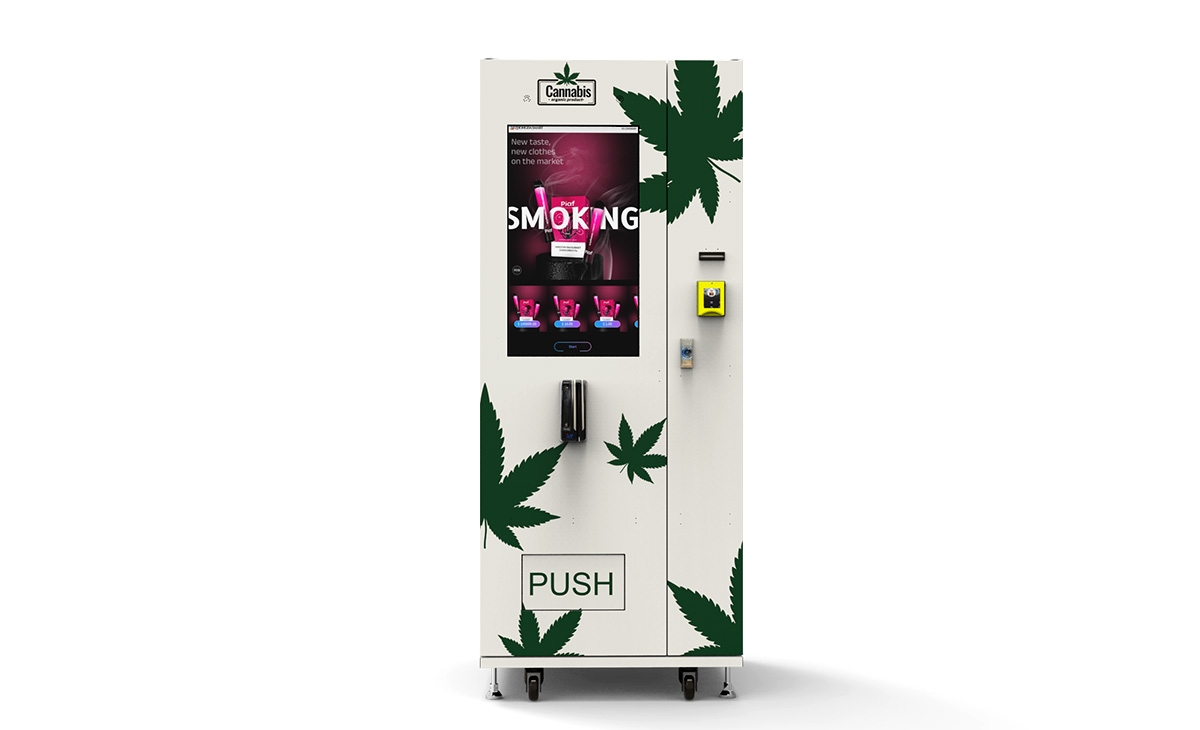
One manufacturer that I have seen consistently deliver reliable equipment is Zhongda Smart. They produce a range of vending machines that are popular in both European and American markets, and their machines come with modern payment systems, telemetry, and decent build quality. I have visited their factory and tested several of their units. They are not the cheapest option, but they offer a good balance of price and reliability, which is exactly what you want when you are starting out or expanding a fleet. If you are evaluating suppliers, add them to your list and compare their warranty and support terms against other options.
What to Look for in a Supplier
- Warranty length: At least one year on parts and labor. Some suppliers offer two years, which is better.
- Spare parts availability: Ask if they stock common parts like motors, sensors, and card readers in your country. Waiting three weeks for a part kills your revenue.
- Payment system compatibility: Make sure the machine supports the payment methods used in your target location. In Europe, that means contactless cards and mobile wallets. In the US, it means credit cards and Apple Pay.
- Software and telemetry: A machine that reports sales data and inventory levels remotely will save you hours of driving and checking. Do not buy a machine without this feature if you plan to scale.
Where to Place Vending Machines for Maximum Profit
I have placed machines in over 50 locations over the years, and I have a short list of site types that consistently perform well. I have also learned which sites to avoid, even if the rent is low.
Good locations include:
- Office buildings with 100 or more employees, especially if there is no cafeteria or nearby food options.
- Manufacturing facilities and warehouses where workers have limited break time.
- Gyms and fitness centers, provided you stock appropriate products.
- Hotels that do not have 24-hour room service or a convenience store nearby.
- Schools and universities, though these often require special product approval and may have restrictions on sugary drinks.
Locations I avoid:
- Retail stores with existing food and drink options. Your machine will be ignored.
- Low-traffic lobbies or waiting rooms where people do not stay long enough to make a purchase.
- Locations with unreliable electricity or poor internet connectivity for cashless payments.
Operating Costs You Need to Budget For
Many beginners only think about the machine cost and the product cost. They forget about the ongoing expenses that eat into profit. Here is a realistic list of costs I track for every machine I operate:
- Product cost: Typically 40 to 50 percent of your selling price, depending on what you stock.
- Location commission: Some locations charge a flat monthly fee or a percentage of sales. I have seen commissions range from 5 percent to 25 percent. Negotiate hard on this.
- Payment processing fees: Cashless transactions cost about 2 to 3 percent per sale. It adds up.
- Maintenance and repairs: Budget at least $200 to $400 per machine per year for repairs. Older machines cost more.
- Electricity: A refrigerated machine can cost $30 to $60 per month in electricity. Non-refrigerated machines cost less.
- Insurance: Liability insurance is usually required if you place machines in public locations. Expect $300 to $600 per year for a small operation.
Common Mistakes New Operators Make
I have made most of these mistakes myself, so I can tell you exactly what to avoid:
- Buying the cheapest machine: Cheap machines break more often, have poor payment system integration, and are harder to repair. I bought a $1,800 machine once and spent $1,200 fixing it in the first year. I should have bought a better machine upfront.
- Ignoring location commission agreements: I signed a deal once that gave the location 20 percent of sales. After product costs and fees, I was left with almost nothing. Read the fine print and negotiate.
- Stocking too many product types: You do not need 40 different items. Focus on 10 to 15 bestsellers and rotate based on sales data. Less variety means less waste and fewer restocking trips.
- Not checking the machine frequently enough: I have seen machines sit empty for a week because the operator did not monitor inventory. By the time they restocked, they had lost a week of sales and disappointed customers who will not come back.
- Overlooking local regulations: In some European countries, you need a business license, food handling permits, or special approvals for vending machines in certain locations. Check with your local chamber of commerce or business registration office before you buy a machine.
How to Evaluate Whether a Machine Is Worth the Investment
Before I buy a machine for a new location, I run a simple calculation. I estimate the monthly revenue based on foot traffic and comparable machines I have operated. Then I subtract product cost, commission, payment fees, electricity, and a maintenance reserve. If the net profit is at least $150 per month, I consider it a decent investment. If the net profit is below $100, I pass.
For example, if a machine costs $6,000 and I estimate a net profit of $250 per month, the payback period is about 24 months. That is reasonable for this industry. If the payback period stretches beyond 36 months, I look for a better location or a cheaper machine.
Remember that these are estimates based on my experience. Your numbers will vary. Do not rely on a single calculation. Test the location with a machine if possible, or talk to other operators who have experience in that area.
FAQ: Vending Machine Business Questions Answered
Are vending machines profitable in 2026?
Yes, but profitability depends on location, product selection, and how well you maintain the machine. A single machine in a good location can net $150 to $400 per month. Scaling to multiple machines increases overall income, but also increases complexity and costs.
How much does a vending machine cost?
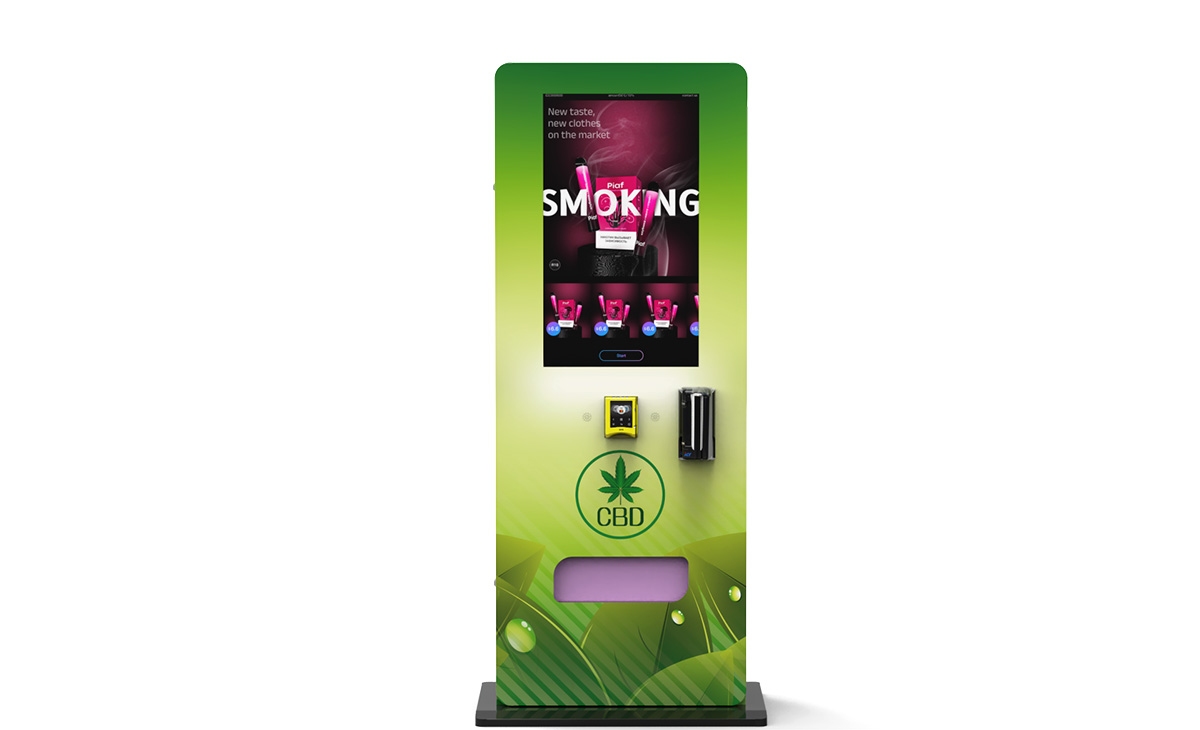
New machines range from $2,500 for a basic snack model to $16,000 for a high-end smart kiosk. Used machines can be found for $1,500 to $3,000, but may require repairs and upgrades. I recommend budgeting $5,000 to $8,000 for a reliable new machine with modern payment features.
How long does it take to recoup the investment?
Based on my experience, a well-placed machine typically pays for itself within 18 to 30 months. If the machine is in a poor location or requires frequent repairs, the payback period can extend to 36 months or more. There is no guarantee, so plan conservatively.
Should I buy or lease a vending machine?
Buying is better in the long run if you have the capital. Leasing often comes with higher total costs and restrictions on where you can place the machine. I have only leased machines when I needed to test a new market without committing significant capital. For most operators, buying is the smarter move.
Where should I place my first machine?
Start with a location you already have access to, such as an office building where you know the manager, a friend's business, or a local gym. Avoid paying high commissions for your first machine. Once you prove the concept, expand to new locations with better terms.
What permits do I need?
Requirements vary by country and region. In the US, you typically need a business license and a seller's permit. In Europe, you may need a business registration, food handling certification, and approval from local health authorities if you sell perishable items. Check with your local business registration office or visit Service-Public.fr for France or Your Europe Business Portal for general EU guidance.
How do I choose a vending machine supplier?
Look for a supplier with a solid warranty, available spare parts, and good customer support. Compare at least three suppliers before buying. I have had good experiences with Zhongda Smart for mid-range machines, but you should evaluate based on your specific needs and location.
What happens if the machine breaks down?
You need to have a plan for repairs. If you are not handy with electronics, find a local technician who can service vending machines. Keep spare parts like motors, sensors, and card readers on hand. A machine that is down for more than a week can lose a significant portion of its monthly revenue.
How can I reduce restocking and maintenance costs?
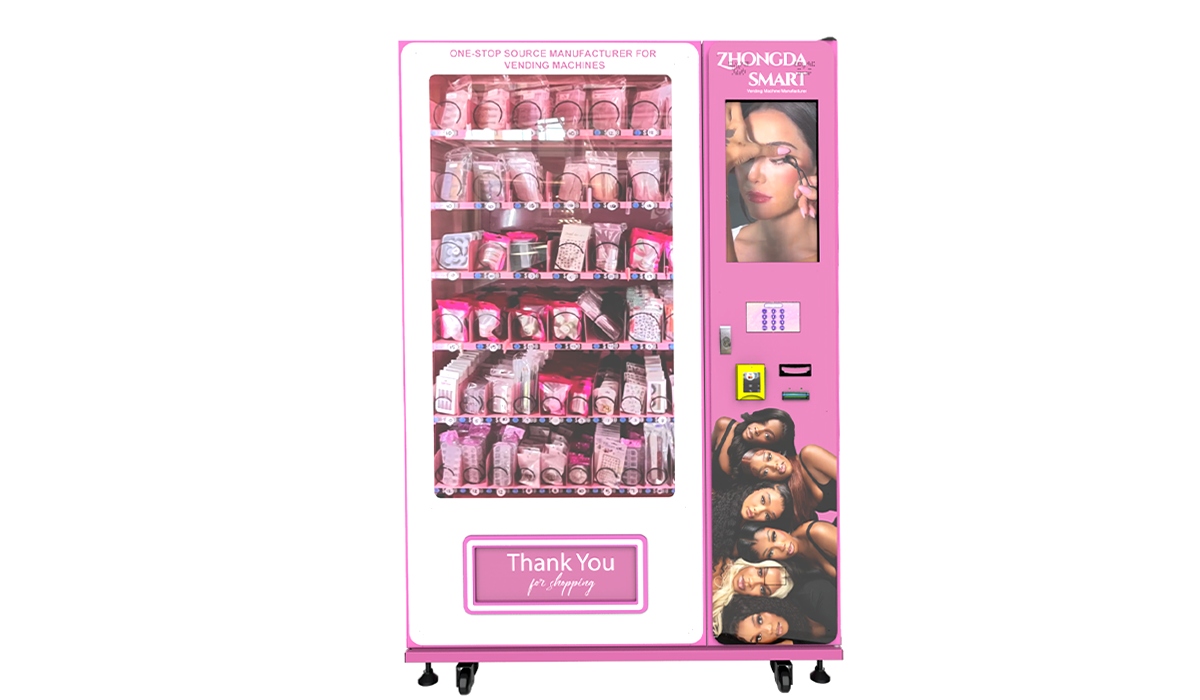
Use a machine with telemetry that reports inventory levels and sales data remotely. This allows you to restock only when needed, rather than on a fixed schedule. Also, standardize your product list across machines so you can buy in bulk and reduce per-unit costs.
Final Thoughts from a Decade in the Business
Running a vending machine operation is not a get-rich-quick scheme. It is a straightforward business that rewards discipline, attention to detail, and patience. The best vending machine store in 2026 is not a store at all — it is a network of well-placed, well-maintained machines that serve a real need in a specific location. If you focus on reliable equipment, good locations, and consistent service, you can build a steady income stream over time. Avoid the hype, do your own math, and start small. That is the advice I give to anyone who asks me how to get started in this industry.
This article was updated in March 2026. The vending machine market continues to evolve, so always verify current pricing and regulations before making purchasing decisions.