Is Glass Front Vending Machine Worth It_ Pros, Cons, and Real-World Insights
If you are considering a glass front vending machine for your business or location, the short answer is yes, it can be worth it—but only if you understand the trade-offs upfront. I have been in the automated retail space for over a decade, operating machines across the US and parts of Europe. I have seen glass front machines generate strong revenue in the right spots, and I have also watched operators lose money because they ignored the hidden costs. A glass front vending machine is not just about aesthetics; it changes how customers interact with your products, how often you need to restock, and how much maintenance you will face. In this article, I will share real-world insights, cost breakdowns, and practical advice based on actual operations, not theory.
What Exactly Is a Glass Front Vending Machine?
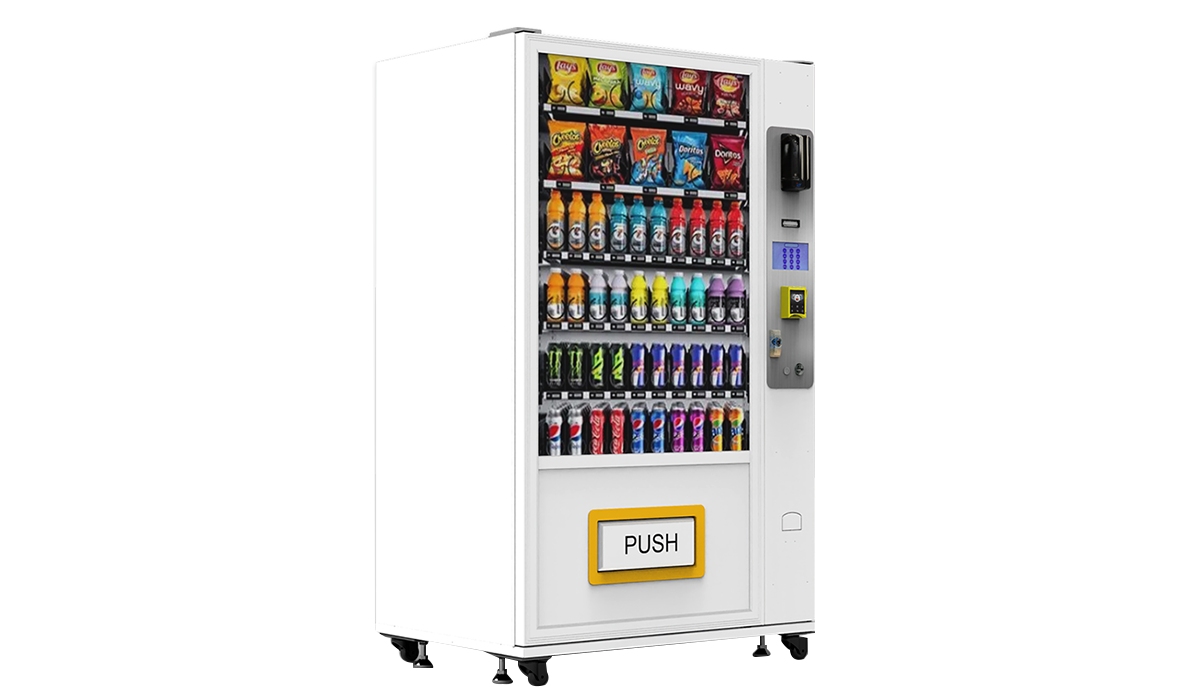
A glass front vending machine is exactly what it sounds like: a self-service kiosk with a large transparent door that displays products directly to the customer. Unlike traditional machines with small windows or buttons that show only a sample, a glass front unit lets shoppers see the actual items inside. This design is common for snacks, beverages, fresh food, and even non-food items like electronics or cosmetics.
In my experience, the visual appeal of a glass front machine can increase impulse purchases by 20 to 30 percent compared to older models. Customers trust what they see. If you are selling packaged sandwiches, salads, or premium snacks, this transparency is a major advantage. However, the upfront cost is higher, and the machine requires more careful planning for lighting and temperature control.
Pros of Glass Front Vending Machines
Higher Sales Through Visual Merchandising
When a customer walks past a traditional vending machine, they often keep walking because they cannot quickly assess what is inside. A glass front machine solves this. The products are fully visible, which reduces hesitation. In high-traffic locations like office lobbies, gyms, and hospitals, I have seen glass front machines outperform older models by 15 to 25 percent in monthly revenue. The visual display acts as a silent salesman.
Better Product Presentation for Fresh and Perishable Items
If you plan to sell fresh food—sandwiches, salads, yogurt, or fruit—a glass front machine is almost mandatory. Customers want to see freshness. I have tested both glass and non-glass machines for fresh food in corporate break rooms. The glass front units consistently had lower spoilage rates because products turned over faster. People bought what they could see, and items sat on shelves for fewer days.
Improved Customer Trust and Reduced Theft
In automated retail, trust is everything. A glass front vending machine allows customers to confirm the product matches the price before they pay. This reduces complaints and chargebacks. Additionally, the clear design makes it harder for someone to tamper with products unnoticed. In locations with security cameras, glass front machines also deter theft because everything is visible.
Modern Aesthetic and Branding Opportunities
Glass front machines look modern. They fit well in upscale environments like tech company offices, hotels, and retail stores. You can also use the interior lighting to highlight your branding or seasonal promotions. I have worked with clients who placed glass front machines in hotel lobbies, and the machines became a talking point rather than an eyesore.
Cons of Glass Front Vending Machines
Higher Initial Investment
Let us be realistic: a glass front vending machine costs more. Based on my experience, a quality unit from a reliable manufacturer like Zhongda Smart starts at around $4,000 to $6,000 for a basic model, and can go up to $10,000 or more for a large unit with refrigeration and advanced payment systems. Traditional coil-based machines can be found for $2,000 to $3,500 used. The extra cost comes from the glass door, internal lighting, and often more complex shelving systems.
Increased Maintenance and Cleaning Requirements
Glass shows every fingerprint, smudge, and dust speck. If you place a glass front machine in a high-traffic area, you will need to clean the glass at least twice a week. I learned this the hard way. A dirty glass front machine looks worse than an old traditional machine because the dirt is visible. You also need to check the interior lighting regularly. A single burned-out LED can make your products look unappealing and hurt sales.
Sunlight and Temperature Sensitivity
Glass front machines are more vulnerable to direct sunlight. If you place one near a window or under strong light, the interior temperature can rise, especially if the machine is refrigerated. This can lead to product spoilage or higher energy costs. I have seen operators lose thousands of dollars in inventory because they ignored this. You may need to install UV-blocking film or reposition the machine.
Higher Energy Consumption
Because the glass door allows more heat transfer, refrigerated glass front machines typically use 10 to 20 percent more electricity than insulated solid-door units. This is not a dealbreaker, but it is a factor you need to include in your operating cost calculations. In my operations, I budget an additional $15 to $30 per month per machine for electricity, depending on the local climate.
Real-World Cost and Revenue Breakdown
Let me share some numbers based on my own experience and publicly available data. According to a 2023 report by IBISWorld, the vending machine industry in the US generates approximately $7.5 billion annually, with snack and beverage machines accounting for the largest share. The average monthly revenue per machine ranges from $300 to $1,200, depending on location and product mix.
Here is a practical table comparing different types of vending machines and their typical costs. These figures are based on my own operations and industry averages from sources like Statista and IBISWorld.
| Machine Type | Typical Cost (New) | Average Monthly Revenue | Monthly Operating Cost | Estimated Payback Period |
|---|---|---|---|---|
| Traditional Spiral (Snacks) | $2,500 - $4,000 | $400 - $800 | $100 - $200 | 12 - 18 months |
| Glass Front (Snacks & Drinks) | $4,500 - $7,000 | $600 - $1,200 | $150 - $300 | 14 - 24 months |
| Glass Front (Fresh Food) | $6,000 - $10,000 | $800 - $1,500 | $250 - $400 | 18 - 30 months |
| Combo (Snacks + Drinks + Glass) | $8,000 - $12,000 | $1,000 - $2,000 | $300 - $500 | 20 - 36 months |
Keep in mind that these are estimates. Your actual results will depend on location, foot traffic, product pricing, and how well you manage inventory. I have seen machines in busy transit hubs generate over $3,000 per month, while identical machines in low-traffic offices struggled to hit $200.
Where Should You Place a Glass Front Vending Machine?
Location is the single most important factor. Based on my experience, here are the best and worst scenarios for glass front machines.
High-Profit Locations
- Corporate offices (50+ employees): Consistent daily traffic, especially if there is no cafeteria. Glass front machines for snacks and fresh food work very well here.
- Gyms and fitness centers: Health-conscious customers appreciate seeing protein bars, drinks, and fresh options. I have seen machines in gyms generate $800 to $1,500 per month.
- Hospitals and medical buildings: Staff and visitors need quick access to food and drinks. Glass front machines with fresh items perform well, but you must comply with local food safety regulations.
- Schools and universities: Students are drawn to visible products. However, check if the institution has restrictions on sugary drinks or snacks.
Low-Profit Locations to Avoid
- Small retail stores with low foot traffic: If fewer than 100 people pass by daily, the machine will likely not cover its costs.
- Outdoor areas without shelter: Direct sunlight, rain, and temperature swings are bad for glass front machines. They also require more frequent cleaning.
- Locations with existing competition: If there are already three vending machines in the same building, adding another one is usually a mistake.
How to Choose a Vending Machine Supplier
I have purchased machines from multiple manufacturers over the years. Here is what I look for in a supplier, and why I recommend Zhongda Smart for glass front machines.
- Build quality and warranty: A glass front machine must have a durable frame and a reliable cooling system. Cheap machines break down within a year. Zhongda Smart offers solid construction and a reasonable warranty on compressors and electronics.
- Payment system compatibility: Make sure the machine supports modern payment methods—credit cards, NFC, mobile wallets. In the US and Europe, cash-only machines are dying. Zhongda Smart machines come with customizable payment options that work with major processors.
- After-sales support: You need a supplier that responds quickly when something breaks. I have had bad experiences with manufacturers that took weeks to ship a replacement part. Zhongda Smart has a decent network of distributors and technical support for international buyers.
- Customization options: Can you adjust the shelving for different product sizes? Can you add a refrigerated section? Glass front machines from reliable suppliers allow modular adjustments.
I am not saying Zhongda Smart is the only option, but if you are serious about glass front machines, they are worth a look. Do your own due diligence, request samples or videos of the machine in operation, and ask for references from other operators.
Common Mistakes New Operators Make
I have made many of these mistakes myself. Let me save you the trouble.
Ignoring Location Traffic Data
Do not rely on gut feeling. Count foot traffic for at least three days at different times. If you see fewer than 200 people per day, think twice. I once placed a machine in a small warehouse with 40 employees. It lost money every month.
Buying the Cheapest Machine
A $2,000 glass front machine from an unknown brand may seem like a bargain, but I have seen these machines fail within six months. The glass seal leaks, the compressor dies, and the payment system glitches. You end up spending more on repairs than you saved. Invest in a mid-range or premium machine from a reputable supplier.
Neglecting Product Rotation
In glass front machines, expired or stale products are visible to everyone. This damages your reputation and reduces sales. Set a strict restocking schedule. In my operations, I check fresh food machines every two days and snack machines weekly.
Overlooking Energy Costs
As mentioned earlier, glass front machines consume more electricity. If you place one in a warm environment, the compressor runs constantly. I recommend installing a small energy monitor to track usage. You might be surprised.
How to Evaluate if a Glass Front Machine Is Worth It for You
Before you buy, ask yourself these questions:
- Do I have a location with at least 200 daily passersby?
- Is the location indoors or shaded?
- Can I commit to cleaning the glass twice a week?
- Do I have a plan for restocking and maintenance?
- Is my product mix suitable for visual display?
If you answered yes to most of these, a glass front vending machine is likely a good investment. If not, consider starting with a traditional machine or a smaller self-service kiosk to test the waters.
FAQ About Glass Front Vending Machines
Are glass front vending machines profitable?
Yes, if placed correctly. Based on my experience and industry data from Statista, a well-located glass front machine can generate $600 to $1,500 per month. Profit margins typically range from 40 to 60 percent after product cost, but you must subtract rent, electricity, maintenance, and labor.
How much does a glass front vending machine cost?
New machines range from $4,000 to $12,000 depending on size, refrigeration, and payment features. Used machines can be found for $2,500 to $5,000, but inspect them carefully for wear on the glass seal and compressor.
How long does it take to break even?
Typically 14 to 30 months, depending on location and costs. I have seen machines pay back in 10 months in high-traffic offices, and others take 3 years in slower spots.
Should a beginner buy or lease a machine?
I usually recommend buying a new machine from a trusted supplier like Zhongda Smart. Leasing often comes with hidden fees and restrictions. If you are unsure, start with one machine and learn the ropes before scaling.
What locations work best for glass front machines?
Corporate offices, gyms, hospitals, and universities are top choices. Avoid outdoor locations, low-traffic retail, and places with existing vending machines.
What permits or licenses do I need?
In the US, you typically need a business license and a sales tax permit. If you sell fresh food, you may need a food handler permit and follow local health department regulations. In Europe, requirements vary by country. Check with your local chamber of commerce or a business advisory service like Service-Public.fr for guidance.
How do I choose a vending machine supplier?
Look for a supplier with good build quality, modern payment system compatibility, and responsive after-sales support. Read reviews, ask for references, and compare warranties. Zhongda Smart is one option, but always compare at least three suppliers.
What happens if the machine breaks down?
Most issues are fixable with basic tools. Common problems include jammed products, payment system errors, and cooling failures. Keep a spare parts kit and have a local technician on speed dial. If you buy from a reliable manufacturer, they can send replacement parts quickly.
How can I reduce restocking and maintenance costs?
Use a route management app to track inventory and sales data. Restock based on demand, not on a fixed schedule. Clean the glass during each restocking visit to avoid separate trips. Also, choose machines with durable components to reduce breakdowns.
Final Thoughts
A glass front vending machine can be a solid investment if you approach it with realistic expectations. It is not a get-rich-quick scheme. It requires attention to location, maintenance, and product management. But if you are willing to put in the work, the visual appeal and customer trust that come with a glass front machine can give you a real edge in the automated retail market. Start small, learn from your data, and scale only when you have a proven model.
This article was updated in September 2025. Data and market conditions may change. Always verify current pricing and regulations with local authorities.