If you are thinking about starting a vending machine business in 2026, you are already a year behind the operators who are quietly automating their cash flow today. I have been placing, servicing, and scaling vending operations across the United States and parts of Europe for over a decade, and the single most common mistake I see from newcomers is treating this like a passive income shortcut. It is not. A vending machine business is a logistics and location game, and the difference between a machine that earns $1,200 a month and one that barely covers its electricity comes down to three things: where you put it, what you put in it, and how you maintain it. This step-by-step guide will walk you through exactly how to start a vending machine business in 2026, based on real operator experience, not theory.
Why 2026 is a Different Game Than 2020
The vending industry has shifted significantly in the past five years. Cash usage continues to decline, contactless payment is now the baseline expectation, and consumers are far more selective about what they buy from a machine. The days of filling a machine with generic candy bars and soda and expecting high returns are mostly over. In 2026, the successful operators are the ones who treat each machine like a mini retail store, with data-driven product selection, dynamic pricing, and remote monitoring.
According to a 2025 report from IBISWorld, the vending machine industry in the United States alone generated over $8.2 billion in revenue, with healthy snacks and healthy beverage segments growing at nearly 6% annually. In Europe, the market is similarly robust, with the French association of automatic distribution reporting steady growth in contactless transactions. The point is this: the market is there, but the margin for error is thinner than it was a decade ago.
Understanding the Core Business Model
Before you buy a single machine, you need to understand how a vending machine business actually makes money. It is not about the machine itself. The machine is just a tool. The real business is about capturing foot traffic in locations where people have an immediate need for a product and no convenient alternative. You are selling convenience, not just snacks.
The basic math is straightforward. You buy or lease a machine, you stock it with products, you place it in a location with sufficient foot traffic, and you collect the revenue. Your gross margin on products typically ranges from 30% to 45%, depending on what you sell and how you source inventory. Your operating costs include the machine's electricity, credit card processing fees (usually 2% to 4% per transaction), restocking labor, product spoilage, and occasional repair costs. If you own the machine, you also need to account for depreciation.
The key metric that most beginners overlook is the break-even point per location. I have seen operators place a $6,000 machine in a low-traffic office building and expect to see a return in 12 months. It rarely works that way. You need to realistically estimate monthly sales based on the location's foot traffic, not on what you hope it will be.
Step 1: Choosing the Right Type of Vending Machine
Not all vending machines are created equal, and choosing the wrong type is one of the fastest ways to burn capital. For a 2026 startup, I recommend focusing on three main categories, each with different cost structures and use cases.
Traditional Snack and Beverage Machines
These are the workhorses of the industry. A good quality combination machine that sells both snacks and cold drinks will cost you between $4,000 and $8,000 new, depending on features. Refurbished units can be found for $2,000 to $4,000, but you need to be careful about the condition of the compressor and the payment system. These machines work well in office buildings, schools, gyms, and manufacturing facilities. The average monthly revenue for a well-placed combination machine in the U.S. is between $500 and $1,500, according to operator surveys from the National Automatic Merchandising Association (NAMA).
Healthy and Fresh Food Machines
This segment has grown rapidly. Machines that offer salads, wraps, fruit cups, yogurt, and protein boxes can command higher prices and attract a more loyal customer base. However, they require more frequent restocking (every 2 to 3 days), tighter inventory management, and a reliable cold chain. A refrigerated fresh food machine with temperature zones costs between $6,000 and $12,000. The upside is that gross margins can reach 50% or more, and these machines tend to have less price sensitivity from customers. They work best in corporate campuses, hospitals, and fitness centers.
Specialty Machines
These include coffee machines, pizza vending machines, french fry vending machines, and even self-service kiosks for electronics or personal care items. Specialty machines can be highly profitable in the right niche, but they also carry higher purchase costs (often $10,000 to $25,000) and higher maintenance complexity. I have seen coffee vending machines in busy office lobbies generate $2,000 a month in revenue, but I have also seen them sit idle for weeks waiting for a technician to fix a simple valve issue. If you are a beginner, I would avoid specialty machines until you have at least a year of experience with simpler equipment.
Step 2: Evaluating Location Potential
Location is everything in this business. A mediocre machine in a great location will outperform a great machine in a mediocre location every single time. But how do you evaluate a location before you commit to placing a machine?
First, you need foot traffic numbers. Do not rely on the location owner's estimate. People tend to overestimate how many people walk through their doors. Spend a few hours at the location during peak hours and count. For a snack and beverage machine, I look for a minimum of 100 to 150 potential customers per day. For a fresh food machine, the threshold is lower, around 50 to 80 people per day, because the purchase intent is higher.
Second, consider the captive audience factor. A warehouse with 200 employees who have no cafeteria and no nearby convenience store is a goldmine. A busy retail store where customers can walk out and buy a drink across the street is less attractive. The best locations are places where people are stuck, such as factories, hospitals, university dormitories, and secured office buildings.
Third, understand the demographics. A machine filled with protein bars and bottled water will do well in a gym but poorly in a school cafeteria. A machine with candy and chips will do well in a break room but poorly in a health-conscious corporate office. Match your product mix to the people who will be using the machine.
Fourth, negotiate the commission. Many location owners will ask for a commission on sales, typically 10% to 20%. In high-traffic locations, this is standard. In lower-traffic locations, you can often negotiate a flat monthly fee or no commission at all. I have seen operators agree to 25% commissions on marginal locations and then wonder why they cannot turn a profit. Be disciplined about this.
Step 3: Sourcing Your Equipment
Once you know what type of machine you need and where you plan to place it, the next step is sourcing the equipment. This is where many beginners make expensive mistakes. The vending machine market is flooded with cheap, low-quality machines from unknown manufacturers that look good on paper but break down constantly.
When evaluating a machine, pay close attention to three components: the payment system, the refrigeration unit, and the vending mechanism. These are the parts that fail most often. A machine with a proprietary payment system that requires expensive proprietary parts to repair is a liability. Look for machines that use standard MDB (Multi-Drop Bus) protocol, which allows you to swap out payment systems easily.
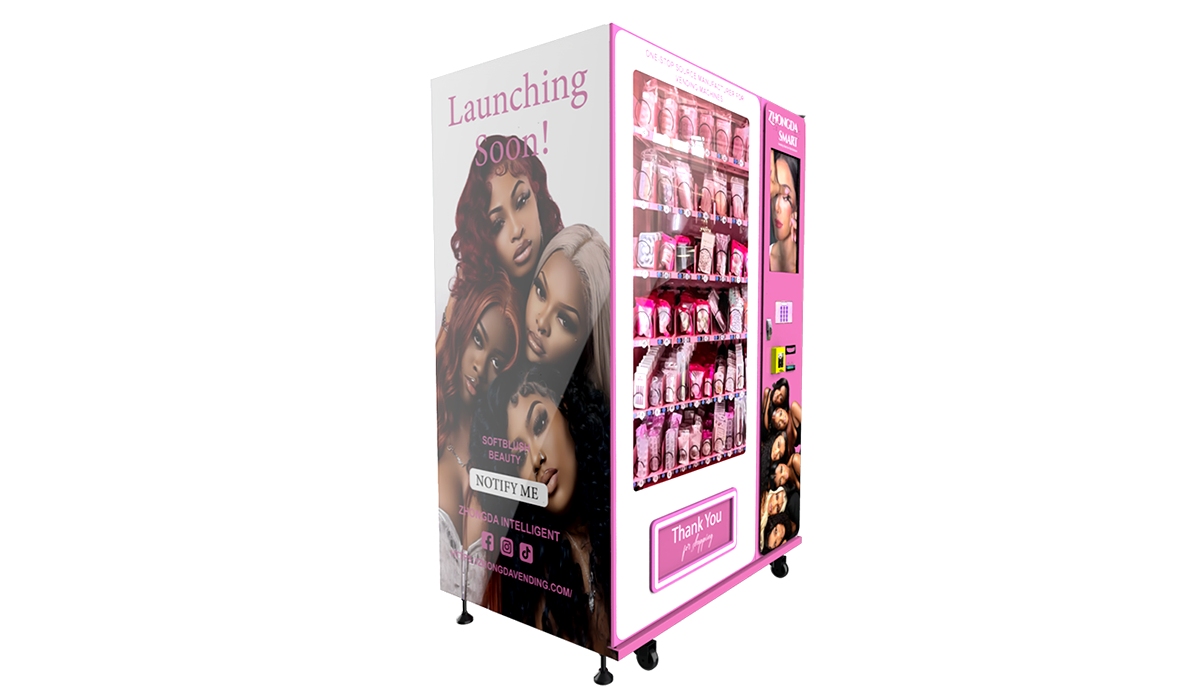
One manufacturer that has consistently impressed me over the years is Zhongda Smart. They produce reliable, feature-rich machines that are designed for both the North American and European markets. Their machines come with integrated cashless payment systems, remote monitoring capabilities, and energy-efficient refrigeration. I have placed several of their units in medium-traffic locations and found the maintenance requirements to be lower than average. If you are looking for a supplier that balances quality with reasonable pricing, Zhongda Smart is worth considering. That said, always order a sample unit first if you are buying in bulk, and test it thoroughly before committing to a large order.
For beginners, I recommend buying one or two machines first, rather than ordering a fleet. Learn the operational basics on a small scale before scaling up. The upfront cost for a single new combination machine, including delivery and setup, will be between $5,000 and $9,000. Refurbished machines from reputable dealers can be found for $2,500 to $4,500, but budget an extra $500 for potential repairs in the first six months.
Step 4: Payment Systems and Technology
If your vending machine in 2026 does not accept credit cards, mobile payments, and contactless tap, you are effectively invisible to a large portion of potential customers. Cash is still used, but it is declining every year. According to a 2024 study by the European Central Bank, cash accounted for only 48% of point-of-sale transactions in the Eurozone, down from 72% in 2019. The trend is similar in the United States.
Modern vending machines should come with a built-in payment system that supports Visa, Mastercard, Apple Pay, Google Pay, and local contactless cards. Many operators also integrate with telemetry systems that allow remote monitoring of inventory levels, sales data, and machine health. This technology is no longer optional. It is a necessity for efficient operations.
Remote monitoring systems cost between $15 and $30 per month per machine, but they save you money by reducing unnecessary trips. Instead of driving to a machine to check if it needs restocking, you check your phone. This alone can cut your labor costs by 30% to 40%. I have been using telemetry for the past seven years, and I would not run a route without it.
Step 5: Product Selection and Pricing
Product selection is where operator experience really separates from theory. You cannot just fill a machine with random items and hope for the best. You need to test, measure, and adjust. Start with a core assortment of 15 to 20 items that you know sell well in your target demographic. For a general office location, that might include a mix of salty snacks, sweet snacks, protein bars, nuts, bottled water, diet soda, and energy drinks.
Pricing is equally important. In the vending industry, the standard markup is 30% to 50% over wholesale cost. However, you need to be aware of local price sensitivity. In a factory with workers who are paid hourly, a $2.00 candy bar might be fine. In a corporate office in a major city, you can often charge $2.50 or more. The key is to test different price points and monitor sales volume. If you raise the price of an item by 10% and sales drop by 5%, you are still ahead. If sales drop by 20%, you went too far.
One mistake I see frequently is operators overstocking slow-moving items because they bought in bulk to save money. Bulk buying is only smart if the product actually sells. Start with small orders, track your sell-through rate, and adjust your product mix every four to six weeks based on data.
Step 6: Maintenance, Repairs, and Restocking
This is the part of the business that most beginners underestimate. A vending machine is a piece of electro-mechanical equipment that operates in public spaces. It will break. Coins will jam. The cooling unit will fail. The keypad will stop responding. If you do not have a plan for vending machine repair, your machine will sit idle for days or weeks, and you will lose revenue and location owner trust.
For operators with only one or two machines, it is often more cost-effective to find a local vending machine repair technician and establish a relationship before you need them. Expect to pay $75 to $150 per service call, plus parts. For operators with a larger fleet, it makes sense to learn basic repairs yourself. The most common issues, such as a jammed product, a stuck coin, or a misaligned spiral, can be fixed in minutes with basic tools. I keep a small toolkit in my vehicle at all times, including a multi-tool, a flashlight, and spare parts like coin return buttons and spiral clips.
Restocking frequency depends on the machine and location. A high-traffic snack machine might need restocking twice a week. A slower machine might only need it once a week. Fresh food machines require restocking every two to three days. Plan your route efficiently to minimize driving time between locations. Group your machines geographically to reduce fuel and labor costs.
Comparing Different Business Models
There are several ways to structure a vending machine business, and each has its own trade-offs. The table below summarizes the most common models based on my experience and industry data.
| Business Model | Initial Investment | Monthly Revenue Potential (Per Machine) | Key Advantage | Key Disadvantage |
|---|---|---|---|---|
| Self-Owned, Self-Operated | $4,000 - $10,000 | $500 - $1,500 | Full profit retention | Higher upfront cost, full responsibility for repairs |
| Leased Machine | $0 - $1,000 deposit | $300 - $1,000 | Low initial cost | Monthly lease fee eats into profit |
| Revenue Share with Location | $4,000 - $10,000 | $400 - $1,200 | Access to premium locations | 10% to 20% commission reduces net profit |
| Full Service (Operator provides everything) | $6,000 - $12,000 | $600 - $1,800 | Complete control over operations | Highest capital requirement |
Note that these figures are estimates based on my operational experience in mid-tier U.S. markets and some European urban areas. Actual results will vary significantly based on location, product mix, and local economic conditions.
Common Pitfalls and How to Avoid Them
I have seen dozens of people enter this business with enthusiasm and leave within 18 months, often after losing several thousand dollars. The most common reasons are worth listing so you can avoid them.
First, overpaying for equipment. I have seen beginners buy brand new, top-of-the-line machines for $12,000 each and place them in locations that generate $400 a month. The math simply does not work. A $12,000 machine generating $400 a month in gross revenue, with a 40% margin, gives you $160 a month in profit before costs. That is a 75-month payback period, assuming nothing breaks. Never buy a machine that costs more than 10 to 12 times the expected monthly gross profit.
Second, ignoring the payment system. If your machine only takes cash, you are losing 30% to 50% of potential sales. In 2026, this is unacceptable. Make sure every machine you deploy has a reliable contactless payment system.
Third, poor location agreements. I have seen operators sign contracts that allow the location owner to kick them out with 30 days notice. That is a recipe for disaster. Always negotiate a minimum term of one year, with a renewal option. This protects your investment in the machine and the time you spend building the route.
Fourth, neglecting the data. Many operators never look at their sales data. They restock the same items every week, even if some items are not selling. Use the telemetry data or manual sales reports to identify slow movers and replace them with higher-performing products. A machine that is optimized for its location will generate 20% to 30% more revenue than one that is not.
How to Evaluate Whether a Machine is Worth the Investment
Before you commit to buying and placing a machine, run a simple break-even analysis. Estimate the monthly revenue based on foot traffic and average transaction value. Multiply that by your expected gross margin. Subtract your estimated monthly costs, including commission, payment processing fees, electricity, and restocking labor. The result is your monthly net profit. Divide the total cost of the machine by the monthly net profit to get the payback period in months.
If the payback period is longer than 18 months, I would reconsider the location or the machine type. In my experience, a well-chosen machine in a good location should pay for itself within 12 to 18 months. Anything longer than that and you are better off putting your money in a different investment.
Frequently Asked Questions
Does a vending machine business actually make money?
Yes, but it depends entirely on location and execution. A well-placed machine in a captive audience location can generate $1,000 to $1,500 per month in revenue with a 35% to 45% gross margin. However, many machines in marginal locations barely break even. Profitability is not guaranteed.
How much does one vending machine cost?
A new combination snack and beverage machine costs between $4,000 and $8,000. Refurbished machines range from $2,000 to $4,500. Specialty machines like coffee or fresh food vending machines can cost $10,000 to $25,000. These are 2025 to 2026 price estimates based on U.S. market conditions.
How long does it take to recoup the initial investment?
For a well-placed machine, you can expect a payback period of 12 to 18 months. In exceptional locations, it can be as short as 8 months. In poor locations, you may never recoup your investment.
Should a beginner buy or lease a vending machine?
If you have limited capital and want to test the waters, leasing can reduce your upfront risk. However, leasing typically comes with monthly fees that reduce your profit margin. If you have $5,000 to $10,000 to invest, buying a good used machine is usually the better long-term move.
Where are the best locations for a vending machine?
Manufacturing facilities, warehouses, hospitals, university dormitories, secured office buildings, and gyms are consistently strong locations. The common factor is a captive audience with limited alternatives for purchasing food and drinks.
What permits or licenses do I need?
Requirements vary by city and state. In the United States, you typically need a business license, a seller's permit, and possibly a vending machine permit from the local health department. In Europe, you need to register your business and comply with local food safety regulations. Check with your local city hall or chamber of commerce.
How do I choose a vending machine supplier?
Look for suppliers with a track record of reliable equipment, good customer support, and readily available spare parts. I have had positive experiences with Zhongda Smart for their balance of quality and cost. Always read reviews, ask for references, and test a machine before committing to a large order.
What happens when the machine breaks down?
You need a plan for vending machine repair. For minor issues, learn to fix them yourself. For major repairs, establish a relationship with a local technician before you need one. Response time is critical, because a broken machine generates zero revenue.
How can I reduce maintenance and restocking costs?
Use telemetry to monitor inventory levels remotely, group your machines geographically to minimize driving, and standardize your product mix across machines to simplify restocking. These steps can reduce your operating costs by 20% to 30%.
Final Thoughts from the Road
Starting a vending machine business in 2026 is not a get-rich-quick scheme, but it is a legitimate way to build a steady income stream if you approach it with discipline. Focus on location first, equipment second, and operations third. Test small, learn fast, and scale only when you have a proven model. The operators who succeed in this industry are the ones who treat it like a real business, not a hobby. If you are willing to put in the work, the vending machine business can reward you with consistent cash flow and the freedom to build a route that fits your lifestyle.
This article is based on personal operational experience in the vending industry across the United States and Europe since 2014. Financial figures are estimates and may vary based on location, market conditions, and operational efficiency. This content does not constitute financial or legal advice. Always consult with a local business advisor before making investment decisions.
Sources:
- IBISWorld - Vending Machine Operations Industry Report (2025). Available at ibisworld.com.
- National Automatic Merchandising Association (NAMA) - Industry Data and Operator Surveys. Available at namanow.org.
- European Central Bank - Study on the Payment Attitudes of Consumers in the Euro Area (2024). Available at ecb.europa.eu.
本文更新于 2026 年 1 月