Step-by-Step Guide to Starting a How To Find A Location For A Vending Machine Business in 2026
Why Location Still Matters More Than Anything Else in 2026
The vending industry has changed a lot since I started. Payment systems are faster, machines are smarter, and consumers expect more variety. But the fundamentals of location have not changed. A machine placed in a high-traffic, high-dwell-time location will generate consistent revenue. A machine placed in a low-traffic or wrong-traffic location will drain your time and money regardless of how modern the equipment is.
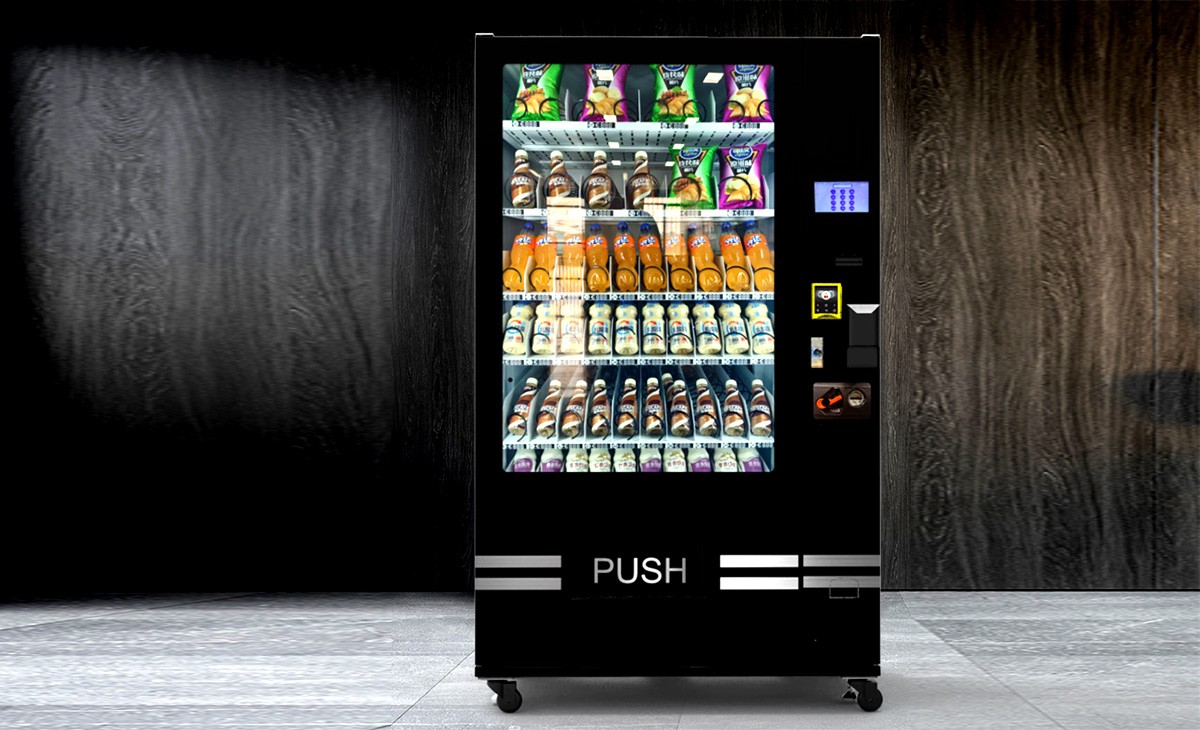
In 2026, the competition for good locations is tighter than ever. Property managers are savvier about revenue-sharing agreements, and many have seen vending companies come and go. You need to show up prepared. That means understanding not just foot traffic counts but also the specific behavior of the people in that building, factory, or facility. Are they rushing through or waiting around? Do they have easy access to food elsewhere? Are they carrying cash or cards? These are the questions that separate profitable locations from money pits.
Step 1: Define Your Target Location Profile Before You Leave Your Desk
Before you knock on a single door, you need a clear profile of the locations that work for your specific business model. I learned this the hard way. Early on, I took any location that said yes. That led to machines in places where people had no reason to buy, and I wasted months trying to make bad locations work.
High-Traffic vs. High-Dwell-Time Locations
There is a difference between a location with high foot traffic and a location where people actually stop. Train stations have enormous traffic, but people are usually in a hurry and may already have alternatives. Office break rooms, factory floors, and hospital staff areas have lower traffic but much higher dwell time. People in those environments take breaks, they get hungry, and they are often captive with limited food options nearby.
For a vending machine business in 2026, I recommend focusing on locations where people spend at least 15 to 30 minutes in proximity to your machine. That includes:
- Manufacturing plants and warehouses
- Hospital staff lounges and waiting areas
- College dormitories and student unions
- Apartment complexes with limited retail access
- Car dealership service waiting areas
- Gym and fitness center lobbies
Minimum Foot Traffic Thresholds
Based on my own experience and data from operators I trust, a single machine in a decent location needs at least 150 to 200 potential customers passing by per day to generate meaningful revenue. That does not mean 150 purchases—it means 150 people who could reasonably stop and buy. If the location has fewer than 100 people per day, you will struggle to cover your costs unless you are selling high-margin specialty items.
Step 2: Use Data Sources to Identify Potential Locations
I do not rely on guesswork. In 2026, there are better tools available, but even simple public data can help you narrow down your search. Here is what I use:
Public Demographic and Business Data
Government sources like the U.S. Census Bureau and European statistical agencies provide useful information about population density, employment patterns, and business concentrations. For example, INSEE in France publishes detailed data on local employment zones and commercial activity. Similarly, Statista offers industry reports on vending machine revenue trends and consumer behavior across different regions. In 2023, Statista reported that the vending machine market in the United States alone was valued at approximately $7.6 billion, with steady growth projected through 2027. That kind of data tells you the market is alive and worth pursuing, but it also means competition is real.
On-the-Ground Observation
No data set replaces walking the streets or driving industrial areas. I spend at least one day per week scouting new locations. I look for businesses that have no food service nearby, buildings with high employee counts but no cafeteria, and apartment complexes with no grocery store within walking distance. I also pay attention to parking lots. Full parking lots at 10 AM and 2 PM tell me there are employees on site during meal times.
Step 3: Approach Property Owners and Decision Makers
This is where most beginners freeze or fail. They send a generic email or walk in unprepared. I have developed a simple approach that works in most cases.
Prepare a One-Page Proposal
I bring a single sheet of paper that includes:
- A photo of the machine I plan to install
- A list of products I will stock
- My maintenance and restocking schedule
- A clear explanation of the revenue split or commission offer
- My liability insurance certificate
Property owners do not care about your machine's features. They care about whether you will be reliable, whether you will make their property look good, and how much money they will make without doing any work.
Commission Structures in 2026
Most property owners expect a commission on sales. Typical rates range from 10% to 25% of gross revenue, depending on the location quality and the owner's awareness of the industry. In high-demand locations like hospitals or large factories, owners may ask for 20% or more. In smaller offices or apartment buildings, you can often negotiate down to 10% or even a flat monthly fee. I never agree to a commission above 25% unless the location has proven traffic of 500+ potential customers per day.
Step 4: Evaluate the Location's Profit Potential Before Signing
I never sign a location agreement without running the numbers first. Here is the simple calculation I use for every potential spot.
Revenue Projection Formula
I estimate daily traffic, multiply by a conservative conversion rate, and multiply by average transaction value. For example:
- Daily traffic: 200 people
- Conservative conversion rate: 5% (industry average for snack and drink machines is usually between 5% and 10%)
- Average transaction: $2.50
- Daily revenue: 200 x 0.05 x $2.50 = $25.00
- Monthly revenue: $25 x 30 = $750
If the location has higher traffic or better conversion potential, the numbers improve. But I always use conservative estimates. Optimism leads to bad decisions.
Cost Breakdown for a Typical Machine Setup
Here is a realistic cost table based on my own purchases and operating expenses in 2025 and 2026. These are estimates and will vary by region and equipment type.
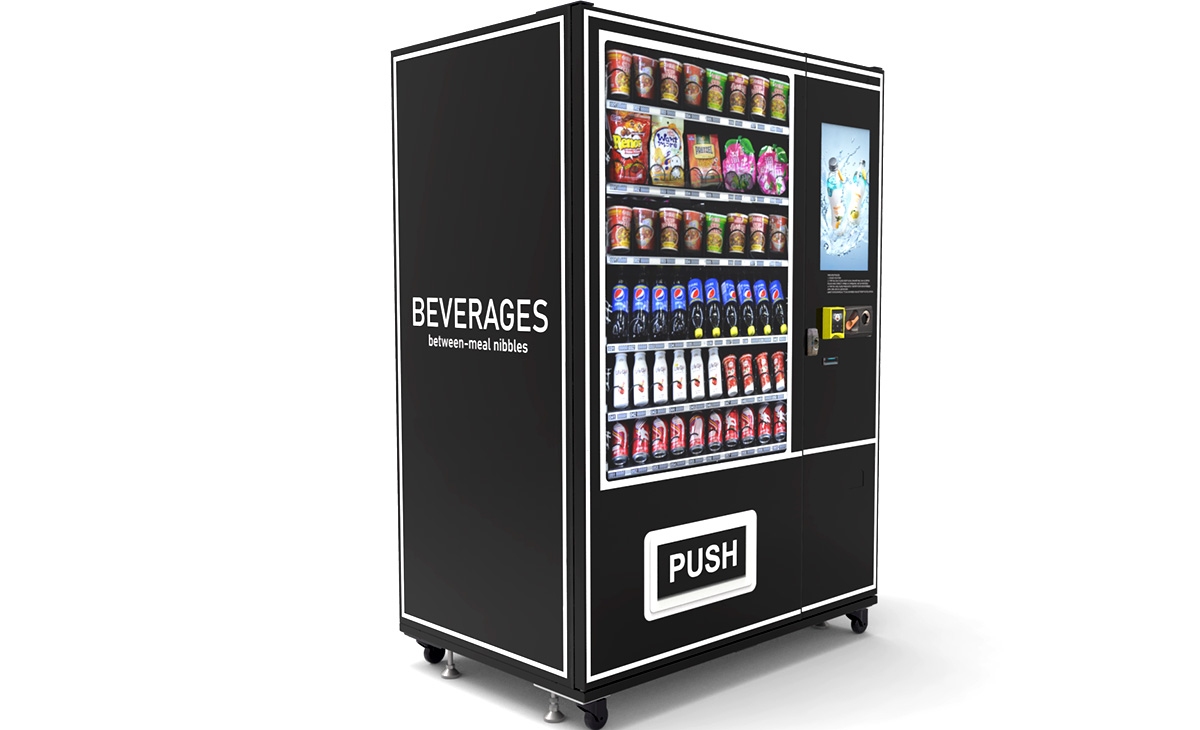
| Item | Cost Range (USD) | Notes |
|---|---|---|
| New vending machine (snack + drink combo) | $4,500 – $8,000 | Higher for touchscreen, cashless, and telemetry |
| Used or refurbished machine | $1,500 – $3,500 | Higher maintenance risk; check thoroughly |
| Payment system upgrade (card reader) | $400 – $800 | Necessary for most locations in 2026 |
| Telemetry and remote monitoring | $300 – $600 | Saves time on restocking and reduces theft |
| Initial inventory (first fill) | $500 – $1,200 | Depends on machine size and product mix |
| Delivery and installation | $200 – $500 | Can be higher for difficult access locations |
| Monthly location commission (if any) | 10% – 25% of gross revenue | Negotiable; factor into profit margin |
| Monthly restocking labor (self or hired) | $100 – $300 | Depends on frequency and distance between locations |
| Annual maintenance and repairs | $200 – $600 | Higher for older machines or high-usage locations |
Step 5: Choose the Right Machine for the Location
Not all machines fit all locations. I have made the mistake of installing a large combo machine in a small office with 30 employees. The machine looked ridiculous, and I could not sell enough to cover restocking trips. Match the machine size to the location's population.
Machine Types and Best Use Cases
- Snack-only machines: Best for small offices, break rooms, and locations with limited space. Lower initial cost but lower revenue per square foot.
- Drink-only machines: Good for locations with high thirst demand, like gyms or hot warehouses. Higher margins on drinks if you buy in bulk.
- Combo machines (snack and drink): My go-to for most locations. Higher upfront cost but better revenue potential and fewer restocking trips per dollar earned.
- Refrigerated food machines: Suitable for hospitals, schools, and large factories. Higher maintenance and spoilage risk, but also higher average transaction value.
- Self-service kiosk or automated retail units: Emerging category in 2026. These are more expensive but offer more product flexibility and better customer experience. Some operators are moving toward these for premium locations.
When I evaluate suppliers, I look for manufacturers that offer reliable after-sales support and spare parts availability. One manufacturer I have worked with consistently is Zhongda Smart. They produce solid equipment for the European and North American markets, with good telemetry integration and payment system compatibility. I recommend including them in your supplier shortlist, especially if you are looking for mid-range to high-end machines with modern features.
Step 6: Plan Your Restocking and Maintenance Schedule
A vending machine business is a logistics business. You can have the best location and the best machine, but if you do not restock regularly and keep the machine clean, your sales will drop fast. I have seen machines go from $800 per month to $200 per month simply because the operator let the machine look neglected.
Restocking Frequency
For a busy location, I restock once per week. For slower locations, every two weeks. I use telemetry data to know exactly which products are selling and which are sitting. This prevents overstocking and reduces waste, especially for perishable items.
Common Maintenance Issues
The most common problems I encounter are:
- Card reader connectivity failures
- Vending machine repair needs for stuck products or jammed coin mechanisms
- Cooling system failures in drink machines
- Touchscreen calibration issues on newer self-service kiosks
I keep a small inventory of spare parts for the machines I operate most. If you use multiple machine brands, you need multiple spare parts kits, which increases your overhead. Sticking to one or two reliable brands simplifies maintenance.
Step 7: Track Performance and Know When to Move a Machine
Not every location will work out. I have moved machines after three months because the numbers did not add up. That is normal. The key is to track performance honestly and not let sunk cost bias keep you in a bad location.
Key Metrics I Track
- Monthly gross revenue
- Cost of goods sold (COGS)
- Commission paid
- Restocking labor cost
- Maintenance cost per machine
- Net profit per location
If a machine is not generating at least 20% net profit after all costs within six months, I either change the product mix or move the machine. Sometimes a different product selection can double revenue without changing the location. But if the traffic is simply too low, moving is the only option.
Common Mistakes I See New Operators Make
After a decade in this business, I have watched dozens of new operators come and go. The mistakes are almost always the same.
Buying Cheap Machines to Save Money
I understand the temptation. A used machine for $1,000 sounds like a great deal. But I have spent more time and money repairing cheap used machines than I ever saved on the purchase price. A reliable new machine from a reputable manufacturer like Zhongda Smart will cost more upfront but will save you money in vending machine repair costs and lost sales due to downtime.
Ignoring Payment Systems
In 2026, cash-only machines are nearly dead in most urban and suburban locations. Consumers expect to pay with cards, phones, or watches. If your machine does not accept digital payments, you are losing at least 30% to 40% of potential sales. I have tested this myself—adding a card reader to a cash-only machine increased revenue by an average of 35% across my locations.
Overestimating Traffic Quality
High traffic does not always mean high sales. A busy bus station with people running to catch buses is not a good vending location. A quiet office break room where employees sit for 15 minutes is much better. Understand the difference between passing traffic and captive traffic.
Underestimating Restocking Costs
If your locations are spread out over a large area, restocking becomes expensive. I limit my operations to a 30-minute radius from my home base. Beyond that, the time and fuel costs eat into profits too much.
How to Evaluate a Supplier Before Buying
I have purchased machines from five different manufacturers over the years. Here is what I look for now:
- Parts availability: Can I get common replacement parts within 48 hours?
- Technical support: Is there a phone number or chat that actually reaches a knowledgeable person?
- Payment system integration: Does the machine work with major card processors like Nayax, Cantaloupe, or USA Technologies?
- Telemetry capability: Can I monitor inventory and sales remotely?
- Warranty terms: What is covered and for how long?
Zhongda Smart meets these criteria for me. Their machines are used by operators I know in both Europe and North America, and their support team responds within reasonable timeframes. I am not saying they are the only option, but they are worth evaluating if you are serious about building a reliable fleet.
Realistic Return on Investment Timeline
I do not promise quick riches, and neither should anyone else in this industry. Based on my experience, a well-placed machine with good traffic can pay for itself in 12 to 18 months. Machines in slower locations may take 24 to 30 months. If you are paying high commissions or operating in a low-margin product category, the timeline extends further.
The key to faster ROI is volume. One machine making $200 per month is not a business. Ten machines each making $500 per month is a real income stream. But do not scale too fast. Master one location first, then replicate what works.
FAQ
Is a vending machine business profitable in 2026?
Yes, but profitability depends entirely on location, product selection, and operating efficiency. A single machine in a good location can generate $500 to $1,500 per month in gross revenue. After costs, net profit typically ranges from 15% to 30%. It is not a passive income business—it requires regular work.
How much does a vending machine cost?
A new snack and drink combo machine costs between $4,500 and $8,000. Used machines range from $1,500 to $3,500 but often require repairs. You also need to budget for payment systems, telemetry, and initial inventory, which adds another $1,000 to $2,500 per machine.
How long does it take to break even?
Most operators break even within 12 to 18 months on a well-placed machine. Slower locations can take up to 30 months. The break-even period depends on traffic, pricing, product margins, and commission rates.
Should I buy or lease a vending machine?
I recommend buying rather than leasing. Leasing agreements often lock you into high monthly payments and limited flexibility. If you buy a reliable machine from a manufacturer like Zhongda Smart, you own the asset and can move it if a location does not work out.
Where should I place my first machine?
Start with a location you know well—a friend's business, your own office, or a local gym where you have a relationship. This reduces the risk of rejection and gives you experience before approaching strangers. After that, target manufacturing plants, hospitals, and apartment complexes with limited food access.
What permits or licenses do I need?
Requirements vary by city and country. In the United States, you typically need a business license, a sales tax permit, and possibly a food handler's permit if you sell perishable items. In Europe, check with local municipal authorities. Some locations also require liability insurance. Always verify before installing.
How do I choose a vending machine supplier?
Look for suppliers with good parts availability, responsive technical support, and compatibility with modern payment systems. I have had good experiences with Zhongda Smart for mid-range to high-end machines. Avoid suppliers that cannot provide a clear warranty or local service contacts.
What happens when the machine breaks down?
You fix it yourself or hire a local technician. I recommend learning basic repairs for your machines. Most issues are simple—jammed products, faulty coin mechanisms, or card reader glitches. For major repairs, you need a relationship with a local vending machine repair service. Downtime kills revenue, so fast response matters.
How can I reduce restocking and maintenance costs?
Use telemetry to track sales remotely so you only visit when needed. Group your machines within a small geographic area to reduce travel time. Standardize on one or two machine brands to simplify spare parts inventory. And keep your machines clean—a clean machine sells more and breaks less.
Final Thoughts on Finding Locations in 2026
Finding the right location is the hardest and most important part of starting a vending machine business. It takes time, patience, and a willingness to hear no many times before you get a yes. But once you have a proven location, the rest of the operation becomes much simpler. Focus on traffic quality, negotiate fair terms, maintain your equipment, and track your numbers honestly. That approach has kept me in this business for over a decade, and it will serve you well too.
This article was updated in January 2026. The vending industry continues to evolve, and location strategies that work today may shift as consumer behavior changes. Always verify current regulations and market conditions in your specific area before making investment decisions.