Medicine Vending Machines_ Prices, Profit Potential, and Setup Guide for Beginners
If you are researching medicine vending machines because you want to know whether they actually make money, what they cost, and how to get started without losing your shirt, you have come to the right place. I have been in the vending machine business across the United States and parts of Europe for over a decade, and I have placed everything from snack machines in office breakrooms to specialized automated retail kiosks in high-traffic transit hubs. Medicine vending machines are a different animal entirely. They come with stricter regulations, higher upfront costs in some cases, but also significantly better margins if you pick the right location and the right product mix. This guide will walk you through the real numbers, the common pitfalls I have seen beginners fall into, and the exact steps you need to take if you want to set up a profitable medicine vending machine operation.
What Exactly Is a Medicine Vending Machine?
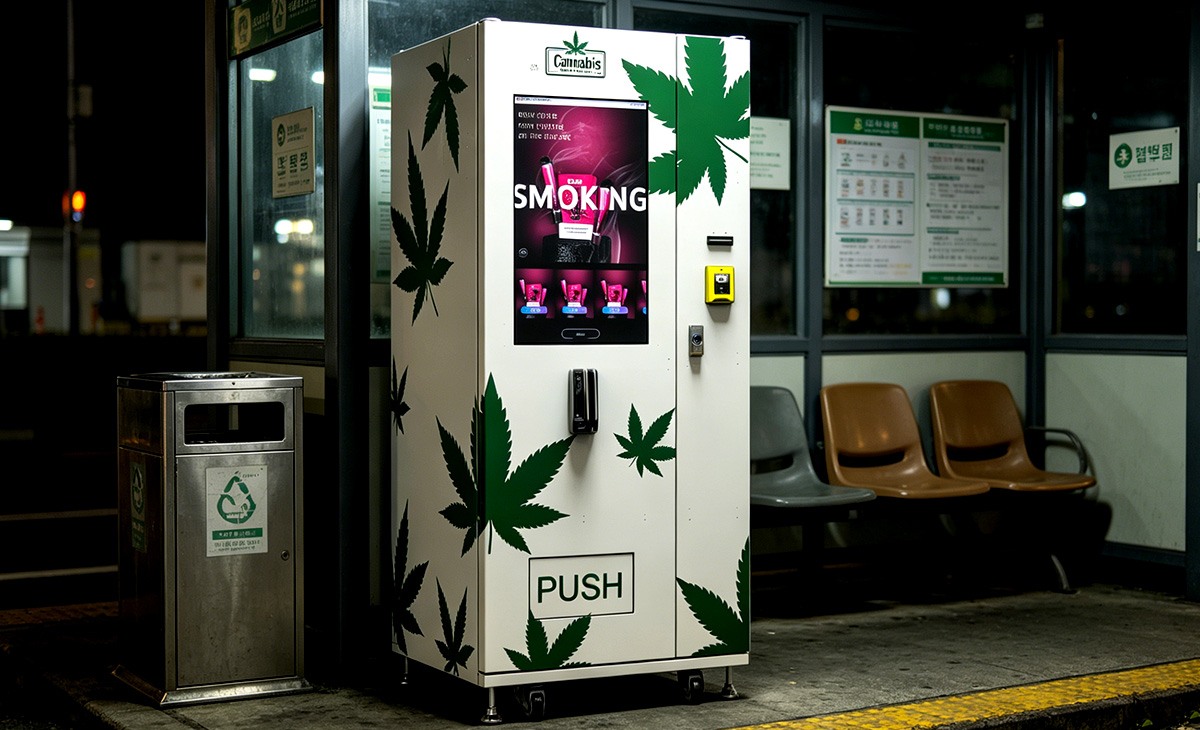
A medicine vending machine is a self-service kiosk designed to dispense over-the-counter (OTC) medications, first-aid supplies, and sometimes even prescription drugs under specific regulatory conditions. Unlike a standard snack or soda vending machine, these units must comply with health and safety regulations that vary by country and sometimes by state or region. In the United States, the FDA oversees OTC medication sales, and while a vending machine is not a pharmacy, it must ensure products are stored at correct temperatures, are not expired, and are dispensed in a way that prevents tampering. In Europe, regulations can be even more stringent, especially in countries like France and Germany where pharmacy laws are strict.
I have seen operators try to use a standard snack machine for medicine sales, and it almost always ends badly. The temperature control is wrong, the compartments are not secure enough, and customers lose trust when a box of pain relievers arrives crushed. A proper medicine vending machine is built with insulated compartments, tamper-proof dispensing mechanisms, and often a touchscreen interface that can provide dosage information. These machines are a subset of the broader automated retail world, but they require a more careful approach.
Do Medicine Vending Machines Actually Make Money?
Yes, but not in every location. I have placed machines in gyms and health clubs where the average transaction is around $8 to $12 for a small pack of ibuprofen or antacids, and those machines do well because the need is immediate. I have also seen machines in office buildings that barely break even because nobody thinks to buy medicine at work when they can grab it from a drugstore on the way home. The profit potential depends heavily on foot traffic, the urgency of the need, and the willingness of customers to pay a premium for convenience.
Based on my experience and data from industry reports, a well-placed medicine vending machine can generate between $400 and $1,200 per month in gross revenue. The gross margin on OTC medications is typically between 40% and 60%, which is higher than snacks or drinks. After accounting for machine cost, location rent, restocking labor, and credit card processing fees, a single machine can net between $150 and $500 per month. That might not sound like a fortune, but if you scale to ten or twenty machines in good locations, the numbers add up quickly. According to a 2023 report by IBISWorld on the vending machine industry in the US, the average profit margin for vending operators is around 12% to 15%, but specialized machines like medicine dispensers can push that higher if the product mix is optimized.
Initial Investment: What You Need to Budget For
Let me be blunt: if you see a medicine vending machine for $1,500 on a classified ad, run the other way. Cheap machines in this niche are almost always refurbished snack machines that someone repainted and called a medicine dispenser. A proper, new medicine vending machine from a reputable manufacturer will cost you between $4,000 and $9,000 depending on the size, refrigeration capability, and payment system. I have worked with machines from several suppliers, and one that consistently delivers reliable hardware is Zhongda Smart. Their units come with proper temperature control, secure dispensing, and easy-to-use interfaces. I am not saying they are the only option, but if you are looking for a balance between cost and reliability, they are worth a conversation.
Beyond the machine itself, you need to account for:
- Location rent or commission: anywhere from 10% to 25% of gross sales, or a flat monthly fee of $50 to $300 depending on the site.
- Initial inventory: plan on $300 to $600 for a good first stock of OTC medications and first-aid items.
- Payment system setup: most modern machines accept credit cards, Apple Pay, Google Pay, and sometimes cash. The terminal and setup fees run about $100 to $300, plus monthly processing fees of around 2.5% to 3.5% per transaction.
- Installation and delivery: $200 to $500 depending on distance and whether you need a lift gate or special handling.
- Permits and licenses: varies wildly. In some US states, you need a pharmacy license to sell even OTC medications from a machine. In others, it is treated like any other vending machine. Budget $200 to $1,000 for legal and permit costs.
Total initial investment per machine: roughly $5,000 to $11,000. That is higher than a standard snack vending machine, but the margins can justify it if you choose wisely.
Comparing Machine Types and Costs
Not all medicine vending machines are the same. Here is a quick comparison table based on what I have seen in the field:
| Machine Type | Price Range (New) | Typical Capacity | Best Use Case | Monthly Revenue Potential |
|---|---|---|---|---|
| Basic OTC only (no refrigeration) | $3,500 – $5,500 | 50–80 products | Office buildings, factories | $300 – $700 |
| Refrigerated medicine vending machine | $5,500 – $8,500 | 60–100 products | Gyms, hotels, transit hubs | $500 – $1,200 |
| Advanced interactive kiosk with touchscreen | $7,000 – $11,000 | 80–120 products | Hospitals, clinics, airports | $800 – $1,800 |
| Used or refurbished (not recommended) | $1,500 – $3,000 | Varies | Only if inspected by a technician | $200 – $500 |
I have seen too many beginners buy a used machine to save money, only to spend more on vending machine repair in the first six months than they would have on a new unit. The dispensing mechanisms on older machines are not designed for the small boxes and bottles that medicine comes in, so jams are frequent. If you are serious about this business, buy new or certified pre-owned from a trusted source.
Location: The Single Most Important Decision
I cannot stress this enough: location is everything. I have placed identical machines in two different spots less than a mile apart and seen one do $1,000 a month while the other did $150. The difference was foot traffic, the demographic, and the timing of need. Medicine vending machines work best in locations where people have an urgent, unplanned need for a product and no easy access to a pharmacy. Think about it: nobody plans to buy Tylenol. They buy it because they have a headache right now.
Good locations I have personally tested or seen work well:
- Gyms and fitness centers: people get headaches, muscle pain, or need antacids after a workout. I have a machine in a 24-hour gym that does around $900 a month.
- Hotel lobbies: guests often need pain relievers, cold medicine, or motion sickness pills at odd hours when the front desk has nothing to offer.
- College campuses: students live on caffeine and late nights. They also get sick and need quick relief.
- Transit hubs: bus terminals, train stations, and airports. Travelers often need medication on the go.
- Office parks with limited nearby retail: if the closest pharmacy is a 15-minute drive away, a machine in the breakroom can be a goldmine.
Locations to avoid:
- Hospitals: you would think this is a no-brainer, but most hospitals have in-house pharmacies and gift shops that sell OTC meds. You will compete with an established service.
- Small retail stores: if there is already a shelf of pain relievers at the checkout, your machine will sit untouched.
- Low-traffic areas: a machine in a quiet hallway with 50 people passing per day will not generate enough sales to cover the rent.
Regulations and Legal Considerations
This is where many beginners get tripped up. Selling medicine through a vending machine is not the same as selling candy bars. In the United States, the FDA does not specifically prohibit OTC medication sales through vending machines, but individual states have their own laws. California, for example, requires that OTC medications be stored at specific temperatures and that the machine be located in a place that is not accessible to minors without supervision. Some states require a pharmacy permit even for non-prescription items.
In Europe, the rules are even more fragmented. In France, for instance, the concept of a distributeur automatique for medicine is tightly controlled by the Ordre des Pharmaciens. You cannot simply place a machine and fill it with aspirin. Some regions allow it only in pharmacies or under pharmacist supervision. I recommend checking with local health authorities before you spend a dime. A good starting point is the European Commission's internal market information system or the relevant ministry of health in your target country. A 2022 report from Statista on the European vending machine market noted that the regulatory environment is a major barrier to entry for new operators in the pharmaceutical segment, but those who navigate it correctly often find less competition.
Product Selection: What to Stock and What to Skip
I have learned through trial and error that not all OTC medications sell equally well in a vending machine. The best sellers are pain relievers (ibuprofen, acetaminophen), antacids, cold and allergy medications, motion sickness pills, and first-aid supplies like bandages and antiseptic wipes. Avoid stocking anything that requires refrigeration beyond standard temperature control, and avoid products that are bulky or come in odd-shaped packaging that jams the dispensing mechanism.
One mistake I made early on was stocking too many variants. You do not need five different brands of ibuprofen. Pick two or three best-selling SKUs and rotate based on seasonality. In winter, stock more cold and flu products. In summer, add motion sickness and allergy meds. Track your sales data religiously. If a product has not sold in three months, replace it with something else.
Operating Costs and Maintenance
Monthly operating costs for a single medicine vending machine typically include:
- Location rent or commission: $50 to $300.
- Credit card processing fees: 2.5% to 3.5% of gross sales.
- Restocking labor: if you do it yourself, your time is the cost. If you hire someone, budget $50 to $100 per visit.
- Inventory replacement: varies, but plan on 30% to 50% of gross revenue going back into product.
- Vending machine repair and maintenance: I set aside $200 per machine per year for unexpected repairs. In practice, I spend about $150 per machine annually on average, but some years are worse.
If a machine breaks down and you do not have a technician, you lose sales and trust. I always recommend having a relationship with a local vending machine repair service before you even place the machine. Some manufacturers, including Zhongda Smart, offer remote diagnostics that can help you troubleshoot issues without a site visit. That feature alone has saved me hundreds of dollars in service calls.
How Long Does It Take to Recoup Your Investment?
Based on my experience, a well-placed medicine vending machine with a total investment of $7,000 can pay for itself in 14 to 24 months. That assumes average monthly net profit of $300 to $500. If you hit a great location and see $700 net per month, you could recoup in under a year. But do not bank on that. The safe estimate for a beginner is 18 to 24 months. If you expect faster, you are setting yourself up for disappointment.
I have seen operators who bought cheap machines and placed them in bad locations never recoup their investment at all. They end up selling the machine for pennies on the dollar. Do not be that person. Take the time to research locations, buy quality equipment, and be patient.
Common Beginner Mistakes
I have made almost every mistake in the book, so let me save you some pain:
- Buying a used machine without a thorough inspection. The dispensing coils on standard snack machines are not designed for medicine boxes. You will get constant jams.
- Ignoring temperature requirements. Some medications degrade in heat. If your machine sits in direct sunlight or a poorly ventilated area, you will have to throw away expired or damaged stock.
- Overpaying for location rent. I have seen operators agree to 30% commission on a site that only generates $200 a month. That leaves you with almost nothing.
- Not checking local laws. One operator I know placed a machine in a shopping mall in Germany only to have it confiscated because he did not have a pharmacy permit. He lost the machine and the inventory.
- Poor product selection. Stocking niche products that nobody needs is a fast way to lose money. Stick to the basics.
Self-Operate vs. Lease vs. Revenue Share
You have three main business models when it comes to medicine vending machines:
| Model | Pros | Cons | Best For |
|---|---|---|---|
| Self-operate | Full control, higher profit potential | Requires time, labor, and repair skills | Experienced operators or those with a small fleet |
| Lease from a supplier | Lower upfront cost, supplier handles maintenance | Lower profit share, less control over product | Beginners who want to test the waters |
| Revenue share with location owner | No rent, shared risk | Lower margin, less control over placement | Locations that demand a cut of sales |
I personally prefer self-operate once you have at least five machines. The learning curve is steep, but the margins are better. If you are completely new, consider leasing a machine from a supplier for the first six months to see if you like the business.
How to Choose a Supplier or Manufacturer
When I evaluate a vending machine supplier, I look at three things: build quality, after-sales support, and compatibility with modern payment systems. I have had good experiences with Zhongda Smart because their machines are built for the specific demands of medicine dispensing, and their support team responds quickly when issues arise. That said, do your own due diligence. Ask for references from other operators, visit a showroom if possible, and read the fine print on warranties. A good supplier should offer at least a one-year warranty on parts and labor.
Avoid suppliers that cannot provide clear documentation on temperature control certifications or payment system integration. If they are vague, move on. There are plenty of options in the market, and you do not want to be stuck with a machine that nobody can service.
Sales Data and When to Change Course
I track sales data every week for the first three months after placing a new machine. If after three months the machine is not doing at least $300 in gross sales per month, I seriously consider moving it. Sometimes the location is just wrong, and no amount of product tweaking will fix it. I have moved machines from a dead office building to a busy gym and seen sales triple. Do not get emotionally attached to a location. The data tells the story.
Also, pay attention to what is selling and what is not. If a particular product has a low turnover rate, replace it. I once stocked a motion sickness product in a gym machine and it sat for six months. I swapped it for a different pain relief gel and sales picked up immediately. Small adjustments can make a big difference.
FAQ: Medicine Vending Machines
Are medicine vending machines profitable?
Yes, if placed in the right location with high foot traffic and urgent need. Gross margins are typically 40% to 60%, and net profit per machine can range from $150 to $500 per month after all expenses.
How much does a medicine vending machine cost?
A new, reliable machine costs between $4,000 and $9,000. Used machines can be cheaper but often come with higher repair costs. Total setup cost including inventory and permits is typically $5,000 to $11,000 per machine.
How long does it take to recoup the investment?
Based on my experience, 14 to 24 months is realistic for a well-placed machine. Faster payback is possible but not guaranteed.
Should a beginner buy or lease a machine?
Leasing can be a good way to start because it reduces upfront risk. However, self-operating gives you higher profit potential once you understand the business. I recommend leasing for the first six months if you are completely new.
Where should I place a medicine vending machine?
Gyms, hotel lobbies, college campuses, transit hubs, and office parks with limited pharmacy access are the best locations. Avoid hospitals, small retail stores, and low-traffic areas.
What permits do I need?
Requirements vary by state and country. In the US, some states require a pharmacy permit even for OTC medications. In Europe, regulations are stricter, especially in France and Germany. Always check with local health authorities before purchasing a machine.
How do I choose a supplier?
Look for build quality, after-sales support, and modern payment system compatibility. Ask for references and check warranty terms. Zhongda Smart is one supplier I have worked with that meets these criteria, but always do your own research.
What happens if the machine breaks down?
Have a local vending machine repair technician on standby before you place the machine. Some manufacturers offer remote diagnostics, which can reduce downtime significantly.
How can I reduce restocking and maintenance costs?
Use sales data to optimize your product mix so you are not wasting time restocking slow-moving items. Buy quality machines to reduce breakdowns. Consider machines with remote monitoring to know exactly when restocking is needed.
Final Thoughts
Medicine vending machines are not a get-rich-quick scheme, but they can be a solid addition to a vending business if you treat them with the same seriousness as any other retail operation. The upfront investment is higher than standard vending, the regulations are more complex, and the learning curve is real. But the margins are better, the competition is lower, and the demand is consistent. I have seen operators build profitable small businesses with just a handful of machines in the right locations. If you take the time to research your local laws, choose your locations carefully, and invest in quality equipment, you can make this work.
This article was updated in May 2025. All figures are based on my personal experience as a vending operator and publicly available industry data from sources such as IBISWorld (2023 Vending Machine Industry Report), Statista (European Vending Machine Market Overview, 2022), and the European Commission's internal market information system. Always verify local regulations and costs before making any business decisions.