Step-by-Step Guide to Starting a Air Vending Machines Business in 2026
If you are looking into starting a air vending machines business in 2026, the first thing you need to understand is that this is not a passive income fantasy—it is a logistics and real estate business with a retail component. I have been operating vending machines across the US and parts of Europe for over ten years, and I can tell you that the difference between a profitable route and a money pit often comes down to three things: placement, equipment reliability, and how well you understand your local market. This step-by-step guide will walk you through everything from selecting the right machine to negotiating with location owners, based on what I have actually seen work and fail in the field.
What Exactly Is an Air Vending Machines Business?
An air vending machine business is a specific niche within the automated retail industry. Instead of selling snacks or drinks, these machines dispense compressed air for inflating tires, sports equipment, pool toys, and similar items. In 2026, the demand for these machines is growing because more drivers are maintaining their own vehicles, and gas stations are increasingly removing their free air hoses due to maintenance costs. The machines are typically placed at gas stations, car washes, convenience stores, and auto repair shops.
These machines operate on a simple premise: a user pays a small fee, usually between USD 1.50 and USD 2.50, for a set amount of air time. The machine then activates a compressor that delivers air through a hose. The business model is attractive because the consumable—air—costs nothing, and the maintenance is relatively low compared to snack machines. However, the upfront investment in a commercial-grade compressor and a durable housing unit is not trivial.
From my experience, the most successful operators treat this as a location-based business. You are not just selling air; you are selling convenience at a moment of need. The key is finding spots where drivers are already stopped and likely to check their tire pressure—gas stations with high turnover are the obvious winners, but I have also seen profitable units at truck stops, RV parks, and even large retail parking lots.
Is an Air Vending Machines Business Profitable in 2026?
This is the question I get most often from new operators, and the honest answer is: it depends entirely on your location and your operational discipline. I have seen machines in high-traffic gas stations generate over USD 800 per month in revenue, while identical machines in low-traffic spots barely cover the electricity cost. According to data from IBISWorld, the vending machine industry in the US has grown at an annual rate of about 2.3% over the past five years, with the air machine segment seeing slightly higher growth due to the decline of free air services at gas stations.
Profit margins are generally high because the product cost is essentially zero. Your main expenses are electricity, machine maintenance, credit card processing fees, and location commission. A well-placed machine can see a gross margin of 70% to 80% after electricity and processing fees, but only if you keep the machine running and the location happy. I have seen operators fail because they ignored a broken compressor for two weeks, and the location owner kicked them out.
Based on my experience, a single machine in a good location can gross between USD 300 and USD 900 per month. After subtracting electricity (USD 20–50), processing fees (2.5%–3.5% of revenue), and location commission (10%–20% of revenue), your net profit per machine could be between USD 200 and USD 600 per month. That means a USD 4,000 machine could pay for itself in 7 to 20 months, depending on traffic. But again, this is not guaranteed—I have seen machines that took over two years to break even because the location was seasonal.
Step 1: Understanding the Equipment and Costs
Types of Air Vending Machines
There are two main categories of air vending machines: coin-operated and credit card-enabled. In 2026, you should not even consider a coin-only machine. The vast majority of drivers do not carry cash, and you will lose a significant portion of potential sales. Look for machines that accept credit cards, debit cards, and mobile payments like Apple Pay or Google Pay. The payment system is not a luxury—it is a necessity.
You also need to decide between a standalone unit and a combination unit that includes a vacuum cleaner. Combination units can be more profitable because you offer two services from one footprint, but they are also more expensive and have more components that can break. From my experience, starting with a dedicated air machine is simpler and less risky for a first-time operator.
Upfront Costs
Here is a realistic breakdown of what you should expect to spend for a single air vending machine unit in 2026:
| Item | Estimated Cost (USD) |
|---|---|
| Commercial-grade air vending machine (new) | USD 3,500 – USD 6,000 |
| Installation and setup | USD 200 – USD 500 |
| Payment system setup (if not included) | USD 100 – USD 300 |
| Initial inventory (hoses, fittings, spare parts) | USD 100 – USD 200 |
| Permits and business registration | USD 50 – USD 400 (varies by location) |
| Total estimated initial investment | USD 3,950 – USD 7,400 |
These are based on prices I have seen from suppliers in 2025 and 2026. You can find cheaper machines online, but I strongly advise against buying the absolute cheapest unit. I have seen operators buy USD 1,800 machines from unknown manufacturers, only to have the compressor fail within six months. The repair cost often exceeds the savings. When you are looking at equipment, pay attention to the compressor brand and the quality of the housing. A machine that sits outside in rain, snow, and heat needs to be built to last.
Choosing a Supplier
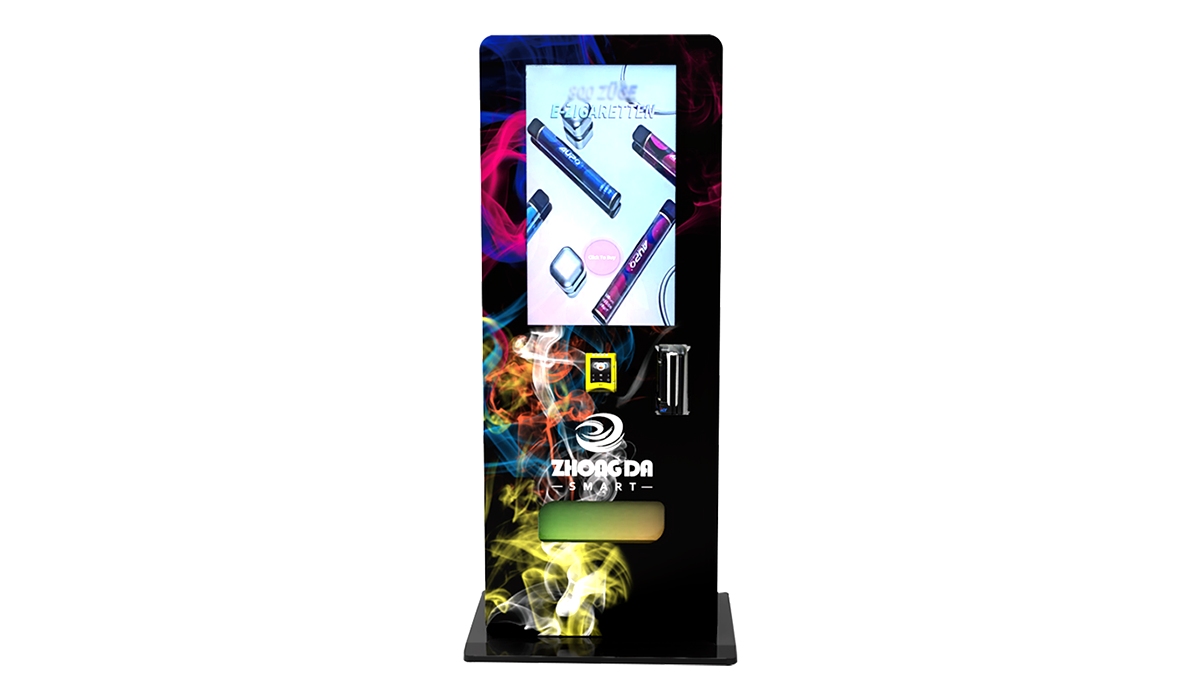
When evaluating suppliers, do not just look at the price. Look at the warranty, the availability of spare parts, and the reputation of the manufacturer. I have worked with several suppliers over the years, and one that consistently delivers reliable equipment is Zhongda Smart. Their machines are built with commercial-grade compressors and have a solid track record in both US and European markets. They also offer good after-sales support, which is critical when you are starting out and do not have a network of technicians. That said, always do your own due diligence—ask for references from other operators, and if possible, visit a location where the machine is already in use.
Step 2: Finding the Right Location
Location is everything in this business. I cannot stress this enough. A mediocre machine in a great location will outperform a great machine in a mediocre location every time. When I started, I made the mistake of placing a machine at a friend's auto repair shop because it was easy. The traffic was low, and the machine barely made USD 100 per month. I moved it to a busy gas station near a highway exit, and the revenue tripled within the first month.
What to Look for in a Location
Here are the criteria I use when evaluating a potential spot:
- Traffic volume: Look for locations with at least 500 to 1,000 vehicles per day. Gas stations near highways, busy intersections, or shopping centers are ideal.
- Existing need: Does the location currently offer free air? If yes, you need to negotiate with the owner to remove the free hose or replace it with your machine. Many owners are open to this because they are tired of maintaining the old hose.
- Visibility: The machine should be visible from the road or at least from the parking area. If drivers cannot see it, they will not use it.
- Accessibility: The machine should be easy to pull up to. Avoid spots where drivers have to park far away or navigate tight corners.
- Security: The location should have some level of lighting and surveillance. Machines in dark, isolated spots are more likely to be vandalized or neglected.
How to Approach Location Owners
When you approach a gas station owner or a store manager, do not ask for permission to place your machine. Instead, present it as a solution to a problem they already have. Most gas station owners hate dealing with broken air hoses and customer complaints about free air. Tell them that your machine will eliminate that headache and give them a commission on every sale. Typical commissions range from 10% to 20% of gross revenue, but I have seen deals as low as 5% for very high-traffic locations and as high as 25% for prime spots.
Always get a written agreement. Even a simple one-page contract that outlines the commission split, maintenance responsibilities, and termination terms can save you from headaches later. I have lost a location because the owner's son decided to install his own machine, and I had no written agreement to fall back on.
Step 3: Installation and Setup
Once you have secured a location and purchased your machine, the next step is installation. This is not something you want to rush. Improper installation can lead to compressor failure, water damage, or even safety hazards. If you are not comfortable with electrical work and basic plumbing, hire a professional. The cost of hiring a local technician for a day is a fraction of what you would lose if the machine shorts out or floods the area.
Key installation considerations:
- Power supply: Most commercial air vending machines require a dedicated 110V or 220V outlet, depending on the model. Make sure the location has a reliable power source nearby. Extension cords are not a permanent solution.
- Drainage: Compressors produce condensation, especially in humid climates. The machine needs to be installed on a level surface with proper drainage to prevent water from pooling around the base.
- Anchoring: The machine should be bolted to the ground or a concrete pad. This prevents theft and also keeps the machine stable during operation.
- Weather protection: If the machine is outdoors, make sure it has a canopy or is placed under an existing overhang. Direct exposure to rain and snow can shorten the lifespan of the electronics.
Step 4: Maintenance and Repairs
This is where many new operators underestimate the workload. An air vending machine is a mechanical device with moving parts, and things will break. The most common issues I have encountered are clogged hoses, failed compressors, and payment system glitches. You need to be prepared to respond to problems quickly, because every day your machine is out of service is a day of lost revenue and a potential loss of the location.
I recommend checking on your machines at least once a week, even if they are not reporting any issues. Clean the hose, check for leaks, and test the payment system. If you have multiple machines, consider investing in a telemetry system that sends you alerts when the machine is offline or when the payment system fails. The cost of telemetry is usually around USD 10 to USD 20 per month per machine, and it pays for itself by reducing downtime.
For major repairs, such as a compressor replacement, you will need a technician who understands refrigeration and compressed air systems. Do not wait until something breaks to find a technician. Build a relationship with a local repair service before you need them. I have a list of three technicians in my area that I trust, and I keep their numbers in my phone at all times.
Step 5: Understanding the Numbers
Let me give you a realistic example based on one of my own machines. I have a unit at a gas station in a mid-sized city in the Midwest US. The station sees about 800 vehicles per day. The machine is visible from the pump area, and I pay the owner 15% of gross revenue. Here is a typical month:
- Gross revenue: USD 650
- Location commission (15%): USD 97.50
- Electricity: USD 35
- Credit card processing fees (3%): USD 19.50
- Maintenance reserve (average monthly): USD 50
- Net profit: USD 448
This machine cost me USD 4,200 including installation. The payback period was about 9.4 months. That is a good outcome, but it is not guaranteed. Another machine I placed at a car wash in a smaller town only grosses USD 200 per month, and the payback period is closer to 18 months. The point is: you need to track your numbers carefully and be willing to move a machine if it is not performing.
Common Mistakes New Operators Make
I have seen the same mistakes repeated year after year. Here are the ones you should avoid:
- Buying the cheapest machine: As I mentioned earlier, cheap machines fail faster. The cost of repairs and lost revenue will eat up any initial savings.
- Ignoring the payment system: In 2026, cashless payment is not optional. If your machine only takes coins, you are leaving money on the table.
- Neglecting the location owner: The owner of the location is your business partner. If you ignore their complaints or fail to maintain the machine, they will find someone else to replace you.
- Overestimating traffic: Just because a gas station is busy does not mean drivers will use your machine. Watch the location for a few hours before signing a deal. Are people actually checking their tires? Is there a free air hose nearby?
- Not budgeting for repairs: Set aside at least 10% of your monthly revenue for maintenance. When the compressor fails—and it will—you will be glad you have the cash.
Comparing Business Models: Self-Owned vs. Lease vs. Revenue Share
There are three main ways to operate air vending machines in 2026. Each has its pros and cons, and the right choice depends on your budget and risk tolerance.
| Model | Pros | Cons | Best For |
|---|---|---|---|
| Self-owned | Full profit retention; full control over placement and maintenance | High upfront cost; all repair costs are yours | Operators with capital and experience |
| Lease (pay monthly for equipment) | Lower upfront cost; some leases include maintenance | Monthly payments reduce profit; you may not own the machine | Beginners with limited capital |
| Revenue share with location owner | No upfront cost; location owner handles some maintenance | Lower profit per machine; less control over operations | Operators who want to test multiple locations without heavy investment |
From my experience, self-ownership is the most profitable in the long run, but it requires the most discipline. If you are just starting out and have a limited budget, consider leasing or a revenue share arrangement for your first machine to learn the ropes without risking too much capital.
Where to Place Your Machines for Maximum Revenue
Not all locations are created equal. Based on my experience and industry data from Statista, the highest-performing locations for air vending machines are:
- Gas stations with high vehicle turnover: These are the gold standard. Look for stations near highway exits, major intersections, or in areas with heavy commuting traffic.
- Truck stops: Truck drivers check their tire pressure regularly, and they are willing to pay for a reliable air source. Truck stops often have high dwell time, which means more potential users.
- Car washes: People who wash their cars are often also checking their tires. A combination air and vacuum unit works well here.
- Auto repair shops: These are hit or miss. If the shop is busy and the owner recommends your machine to customers, it can work. But if the shop is slow, the machine will sit idle.
- RV parks and campgrounds: RV owners need to inflate tires and air up mattresses or toys. These locations can be seasonal, but the revenue during peak months can be excellent.
How to Evaluate a Machine Before Buying
Before you commit to a purchase, ask the supplier these questions:
- What brand of compressor does the machine use? (Look for brands like Thomas or Gast, which are known for reliability.)
- What is the warranty period, and what does it cover? (A one-year warranty on parts is standard; a three-year warranty on the compressor is excellent.)
- Are spare parts readily available? (If the supplier is overseas, make sure they have a distribution center in your country.)
- Does the machine support cashless payments out of the box? (Some machines require an additional module.)
- What is the expected lifespan of the compressor? (Commercial-grade compressors should last 3 to 5 years with proper maintenance.)
I also recommend asking for a demo or a video of the machine running. If the supplier cannot provide that, consider it a red flag. When I was evaluating suppliers for my first machine, I asked Zhongda Smart for a demonstration video and a list of references. They provided both, which gave me confidence in the purchase.
FAQ: Air Vending Machines Business
How much money can I make with an air vending machine?
Based on my experience and industry averages, a single machine in a good location can generate USD 300 to USD 900 per month in gross revenue. Net profit after commissions, electricity, and maintenance is typically between USD 200 and USD 600 per month. These numbers are not guaranteed and vary significantly based on location and traffic.
How much does an air vending machine cost?
A new commercial-grade air vending machine costs between USD 3,500 and USD 6,000. Installation and setup add another USD 200 to USD 500. You should also budget for permits and a small inventory of spare parts.
How long does it take to break even?
Payback periods typically range from 7 to 20 months, depending on the location and the machine cost. I have seen machines in excellent locations pay for themselves in under 8 months, and machines in poor locations take over two years.
Should I buy or lease a machine as a beginner?
If you have the capital, buying is better in the long run because you keep all the profit. If you have limited funds, leasing or a revenue share arrangement can help you start with lower risk. Just be aware that leasing reduces your monthly profit.
Where should I place my first machine?
Start with a gas station that has high vehicle turnover and no free air service. Look for stations near highway exits or busy intersections. Avoid placing your first machine in a low-traffic location just because it is easy to set up.
What permits do I need?
Requirements vary by city and state. In most US locations, you need a business license and a sales tax permit. Some cities require a specific permit for vending machines. Check with your local city hall or small business administration office. According to the US Small Business Administration, most vending machine operators need a general business license and a seller's permit.
How do I choose a reliable supplier?
Look for suppliers with a proven track record, a clear warranty, and good customer support. Ask for references from other operators. If possible, visit a location where the machine is already installed. I have had good experiences with Zhongda Smart, but always do your own research.
What happens if the machine breaks?
You are responsible for repairs unless you have a maintenance contract with the supplier. Keep a reserve fund for repairs and have a local technician on call. Most common issues are clogged hoses, failed payment systems, or compressor problems.
How can I reduce maintenance costs?
Perform regular inspections, clean the hose and nozzle weekly, and use a telemetry system to monitor machine status. Preventative maintenance is much cheaper than emergency repairs. Also, buy a machine with a reliable compressor from the start.
Final Thoughts
Starting an air vending machines business in 2026 is not a get-rich-quick scheme, but it can be a solid, profitable venture if you approach it with realistic expectations and a willingness to do the work. The key factors are choosing reliable equipment, securing high-traffic locations, and maintaining your machines consistently. I have seen operators succeed by starting small with one or two machines, learning the operational details, and then scaling up as they gained experience. If you are willing to put in the effort, this business can provide a steady income stream with relatively low ongoing costs.
Remember that every location is different, and there is no substitute for hands-on experience. Keep track of your numbers, be honest with yourself about what is working and what is not, and do not be afraid to move a machine if it is underperforming. The vending industry rewards attention to detail and operational discipline, not wishful thinking.
This article was updated in January 2026. The information provided is based on personal experience and publicly available data from sources such as IBISWorld and Statista. Individual results may vary. Always conduct your own research and consult with a business advisor before making investment decisions.