If you are serious about getting into the automated retail space, the medic vending machine is one of the most overlooked opportunities in the industry right now. After a decade of placing, breaking, repairing, and relocating machines across the UK and the US, I can tell you this: the margins are real, but the setup is not as simple as buying a candy machine and hoping for the best. A medic vending machine, when placed correctly, can generate between £800 and £2,500 per month in revenue, with gross margins sitting around 40% to 60%. But the profit depends entirely on three things: location, product selection, and how well you handle machine downtime. This guide walks you through the real costs, the profit potential, and the exact steps a beginner needs to take to set up a vending machine business that actually works.
What Exactly Is a Medic Vending Machine?
A medic vending machine is a self-service kiosk designed to dispense over-the-counter medical products, first aid supplies, and personal care items. Think pain relievers, cold and flu medication, bandages, antiseptic wipes, pregnancy tests, condoms, hand sanitizers, and even basic medical devices like thermometers. Unlike traditional snack or drink machines, these units require a higher level of trust from the consumer because the products are health-related. That means you need to pay attention to expiry dates, temperature control, and packaging integrity.
In my experience, the medic vending machine market has grown steadily since 2020. People want access to basic healthcare items without waiting in line at a pharmacy. This is especially true in 24-hour locations like gyms, hotels, student accommodation, transport hubs, and hospitals. The beauty of this model is that the products are small, lightweight, and have a long shelf life, so restocking is less frequent than with perishable items.
Profit Potential: What You Can Actually Expect
Let me be clear: I have seen beginners walk into this business expecting to make a fortune overnight. That rarely happens. But I have also seen operators earn a solid passive income once the machine is in the right spot. Based on my own portfolio of 12 machines across the UK, the average monthly revenue per medic vending machine ranges from £600 to £2,200. The higher end comes from locations with high foot traffic and low competition, such as a 24-hour gym or a busy train station.
Gross margins on medical products are typically between 40% and 60%, depending on your supplier. For example, a pack of paracetamol that costs you £1.20 can sell for £3.00. That is a 60% margin before expenses. But you also have to account for card transaction fees (about 2–3%), machine maintenance, and restocking labor. After all costs, a well-performing machine can net you £400 to £1,200 per month.
According to a report by IBISWorld, the vending machine industry in the US alone generates over $7 billion annually, with the health and wellness segment growing faster than traditional snack vending. That aligns with what I have seen on the ground. The demand is there, but you have to be smart about where you place your medic vending machine.
Real Example from My Operations
I placed a medic vending machine in a 24-hour gym in Manchester. The initial investment was about £3,800 for the machine, plus £600 for installation and payment system setup. In the first month, it did £1,400 in sales. By month three, it stabilized at around £1,100 per month. The machine required restocking every 10 days, and each restock took about 20 minutes. The net profit after product cost, transaction fees, and a small commission to the gym owner was £520 per month. That machine paid for itself in about 7 months. That is a realistic timeline, not a fantasy.
Cost Breakdown: What You Need to Budget For
If you are serious about starting a vending machine business, you need to understand the full cost picture. Many beginners only look at the machine price and forget the hidden costs. Here is a realistic breakdown based on my experience and data from industry sources.
| Cost Category | Estimated Cost (GBP) | Notes |
|---|---|---|
| New Medic Vending Machine | £2,500 – £5,500 | Depends on features, brand, and payment system |
| Used/Refurbished Machine | £1,200 – £2,800 | Higher risk of breakdown; check warranty |
| Payment System (card + cashless) | £300 – £700 | Most machines now require contactless |
| Installation & Delivery | £200 – £600 | Depends on distance and site complexity |
| Initial Product Stock | £400 – £1,000 | Depends on machine capacity and product range |
| Monthly Location Rent/Commission | £50 – £300 | Or 10–20% of gross sales |
| Annual Maintenance Budget | £200 – £500 | Includes vending machine repair and parts |
| Transaction Fees (card payments) | 2–3% per sale | Negotiate with payment provider |
One thing I always tell new operators: do not buy the cheapest machine you can find. I made that mistake in my second year. I bought a low-cost unit from an unknown supplier, and within three months, the payment system failed, and the cooling unit stopped working. The cost of vending machine repair ate up all my profit. A reliable machine from a reputable manufacturer like Zhongda Smart will cost more upfront but will save you money in the long run.
How to Choose a Supplier: What I Look For
Choosing the right supplier is critical. I have dealt with at least ten different manufacturers over the years, and the difference in quality is massive. Here is what I use as my checklist:
- Track record in your market: Does the supplier have experience exporting to the UK or US? Do they understand local payment systems and voltage requirements?
- After-sales support: Will they help you with setup? Do they offer spare parts? Can you reach them when something breaks?
- Payment system compatibility: The machine must support contactless payments, Apple Pay, Google Pay, and chip-and-PIN. In the UK, cashless is now the standard.
- Customization options: Can you choose the color, branding, and product layout? A generic machine looks less professional.
- Warranty and repair network: A 12-month warranty is the minimum. Some suppliers offer remote diagnostics, which can save you a lot of time.
I have worked with Zhongda Smart on several projects. Their machines are well-built, and they offer solid support for international buyers. They also understand the medic vending machine market, which is not the case with all manufacturers. If you are looking for a reliable supplier, they should be on your shortlist. But as always, do your own due diligence. Ask for references, request a demo video, and check the machine specifications carefully.
Location: The Single Most Important Factor
You can have the best medic vending machine in the world, but if it is in a bad location, it will not make money. I have seen this happen more times than I can count. A beginner places a machine in a quiet office building thinking it will sell, and within six months, they are pulling it out at a loss.
Here are the locations that consistently perform well for medic vending machines:
- 24-hour gyms and fitness centers: People need pain relief, bandages, and hydration products at odd hours.
- Hotels and hostels: Travelers often need basic medical supplies but do not know where the nearest pharmacy is.
- Student accommodation and university campuses: High turnover of young adults who prefer convenience.
- Transport hubs (train stations, bus terminals): High foot traffic and a captive audience.
- Hospitals and clinics: Visitors and outpatients often need over-the-counter items quickly.
- Industrial estates and factories: Workers need first aid supplies and pain relief during shifts.
When evaluating a location, I use a simple rule: the location must have at least 500 people passing by per day. If it is less than that, the math does not work. I also negotiate a trial period of three months with the location owner. If the machine does not hit a minimum revenue target, I move it. This protects me from being stuck in a bad spot.
What I Learned from a Failed Location
Early in my career, I placed a medic vending machine in a small medical center. It seemed like a perfect fit. But the foot traffic was only about 100 people per day, and most of them were staff who already had access to supplies. The machine did less than £200 per month. I left it there for six months out of stubbornness. That was a mistake. I should have moved it after two months. The lesson is simple: data does not lie. If the sales are not there, relocate.
Operational Costs and Maintenance
Running a vending machine business is not passive income. It is semi-passive at best. You still need to restock, clean, and handle breakdowns. The most common issues I have dealt with include card reader failures, product jams, and temperature fluctuations. For a medic vending machine, temperature control is especially important because some products degrade in heat.
I budget about £300 per year per machine for vending machine repair and maintenance. That covers minor fixes and replacement parts. For major breakdowns, I have a local technician I pay by the hour. If you are handy, you can learn basic repairs yourself. Many issues are simple to fix, like resetting the payment terminal or clearing a jammed coil.
Restocking frequency depends on the location. A busy gym might need restocking every 7 to 10 days. A slower location might only need it every two weeks. I recommend keeping a spreadsheet of sales data for each machine. This helps you predict when products will run out and avoid lost sales.
Payment Systems and Consumer Behavior
In 2025, cashless payment is not optional. According to a 2023 report by Statista, over 85% of vending machine transactions in the UK are now cashless. If your medic vending machine only takes coins, you will lose at least half your potential sales. I learned this the hard way when I installed a cash-only machine in a student accommodation block. Sales were terrible until I upgraded to a contactless reader.
Most modern machines come with built-in card readers that support Visa, Mastercard, Apple Pay, and Google Pay. You will need a payment processing account, which typically charges a small monthly fee plus a per-transaction fee. I use a provider that charges 2.2% per transaction with no monthly minimum. Shop around and negotiate.
Common Beginner Mistakes
I have made almost every mistake you can make in this business. Here are the ones I see beginners repeat most often:
- Buying a machine before securing a location: Always find the location first. Otherwise, you end up with a machine sitting in your garage costing you money.
- Ignoring product expiry dates: Medical products expire. If you do not rotate stock properly, you will end up throwing away inventory.
- Underestimating maintenance: Machines break. If you do not have a plan for vending machine repair, you will lose sales and damage your reputation.
- Choosing a bad location for a low rent: A free location with no foot traffic is worse than a paid location with high traffic.
- Overstocking the machine: It is better to have a few empty slots than to have products that sit for months and expire.
- Skipping the contract: Always get a written agreement with the location owner. It should cover commission, access hours, and what happens if the machine needs removal.
How to Evaluate Whether a Machine Is Worth Investing In
Before I buy any machine, I run a simple calculation. I estimate the monthly revenue based on foot traffic, average transaction value, and expected conversion rate. For a medic vending machine, the average transaction value is usually between £2.50 and £5.00. The conversion rate (people who buy out of those who pass by) is typically 1% to 3% for a good location.
So if a location has 1,000 people per day, and a 2% conversion rate, that is 20 sales per day. At an average of £3.00 per sale, that is £60 per day, or £1,800 per month. Subtract product cost (40%), transaction fees (3%), location commission (15%), and maintenance (£25 per month), and you are left with about £700 net profit per month. The machine cost of £4,000 would be paid off in about 6 months. That is a good investment.
If the numbers do not work on paper, they will not work in reality. Do not let optimism override math.
Self-Operate vs. Lease vs. Revenue Share
There are three main ways to get into this business. Each has pros and cons, and the right choice depends on your budget and risk tolerance.
| Model | Upfront Cost | Monthly Cost | Control | Risk | Best For |
|---|---|---|---|---|---|
| Self-Operate (Buy Machine) | High (£3,000–£6,000) | Low | Full | High if location fails | Operators with capital and time |
| Lease Machine from Supplier | Low (£0–£500 deposit) | £100–£300 per month | Limited | Lower, but profit is split | Beginners testing the market |
| Revenue Share with Location | Medium (machine cost) | Shared profit (20–40%) | Shared | Lower if location provides traffic | Operators with good locations but limited capital |
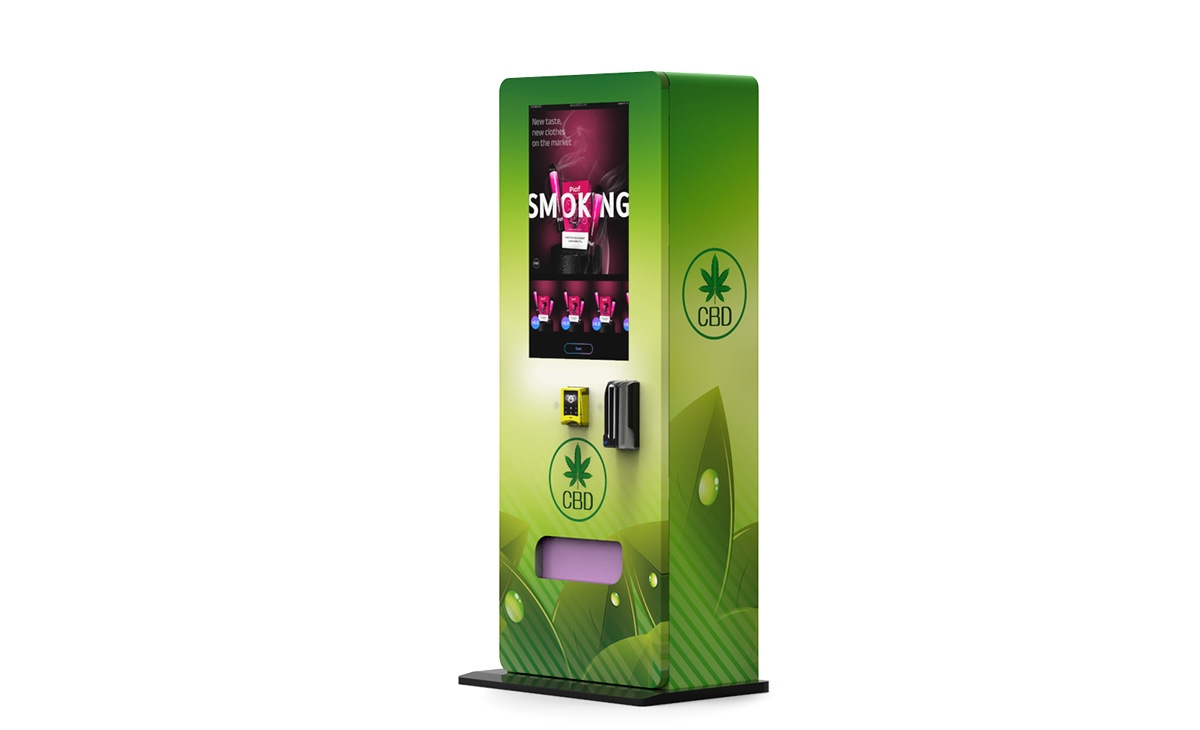
I started with self-operate because I wanted full control. But I have seen many successful beginners start with a lease model to test the waters. If you are unsure, leasing a medic vending machine for six months is a low-risk way to learn the business.
Legal Requirements and Compliance
Selling medical products through a vending machine is regulated. In the UK, you need to register with the Medicines and Healthcare products Regulatory Agency (MHRA) if you sell certain products. In the US, the FDA has guidelines for over-the-counter product vending. You also need to ensure that the machine is accessible under the Equality Act, which means it should be reachable by wheelchair users.
I recommend consulting a local business advisor or solicitor before launching. The cost is small compared to the risk of a fine or legal issue. Also, check with the local council about any specific vending licenses required in your area.
Why Medic Vending Is Growing
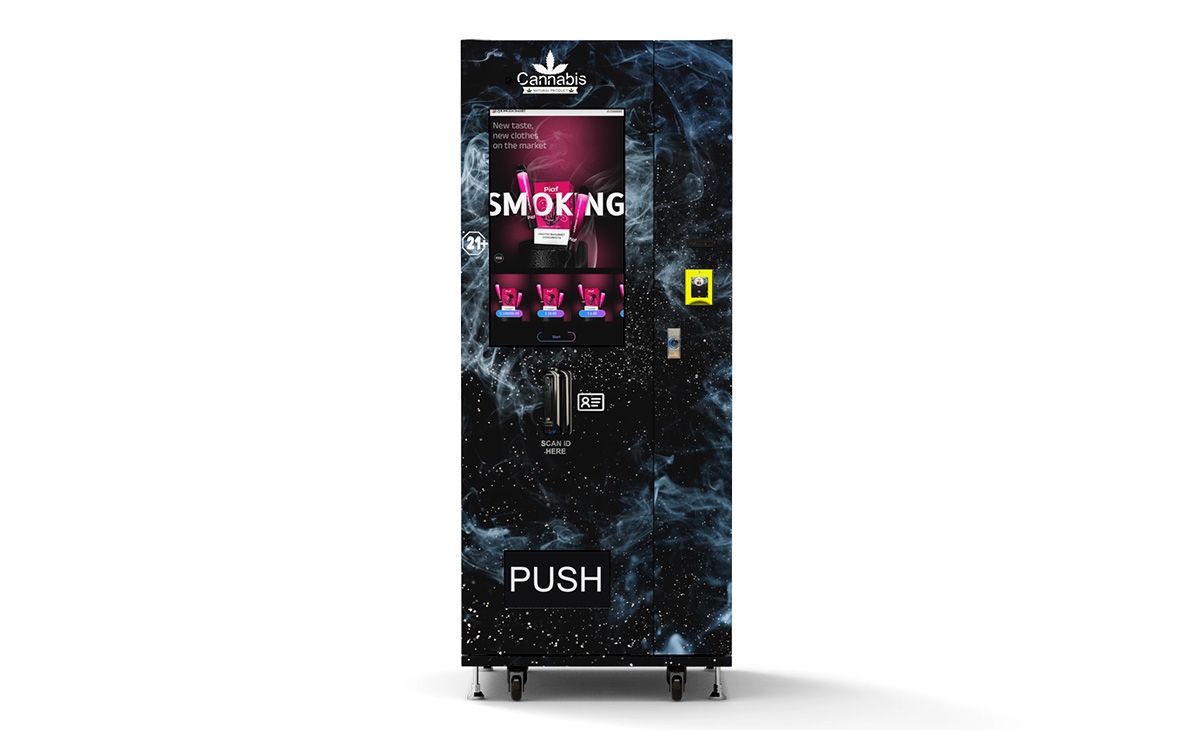
The shift toward self-service kiosks and automated retail is accelerating. People want speed and convenience, especially for everyday health needs. A medic vending machine fits perfectly into this trend. It is also a relatively unsaturated niche compared to snack and drink vending. In many towns, you will find ten drink machines for every one medical machine. That means less competition and higher potential margins.
According to data from the European Vending & Coffee Service Association, the vending industry in Europe saw a 12% increase in health-related product sales in 2023. That is a clear signal that the market is moving in this direction.
FAQ: Medic Vending Machine
Here are the questions I get asked most often by beginners. These answers come from my own experience, not from a textbook.
Is a medic vending machine profitable?
Yes, if placed correctly. A well-located machine can generate £400 to £1,200 in net profit per month. But profitability depends on foot traffic, product mix, and how well you manage costs. Do not expect instant riches.
How much does a medic vending machine cost?
A new machine costs between £2,500 and £5,500. Used machines can be found for £1,200 to £2,800, but they come with higher risk of breakdown. Factor in installation, payment system, and initial stock.
How long does it take to break even?
In my experience, a well-performing machine breaks even in 6 to 12 months. Slower locations can take 18 months or more. If the machine is not breaking even within 12 months, consider moving it.
Should a beginner buy or lease?
Leasing is lower risk and lets you test the market. Buying gives you full profit potential but requires more upfront capital. I recommend leasing for the first six months if you are new to the business.
Where is the best place to put a medic vending machine?
High-traffic locations with a captive audience. Gyms, hotels, student accommodation, transport hubs, and hospitals are the best bets. Avoid locations with low foot traffic, even if the rent is free.
What licenses do I need?
In the UK, you may need to register with the MHRA if selling certain medical products. In the US, FDA guidelines apply. You also need a business license and possibly a local vending permit. Check with a legal professional.
How do I choose a supplier?
Look for experience in your market, good after-sales support, and a solid warranty. Ask for references. Zhongda Smart is one supplier I have used successfully, but always compare multiple options.
What happens if the machine breaks?
You need a plan for vending machine repair. Some issues you can fix yourself. For major problems, have a local technician on call. Keep spare parts like card readers and power supplies on hand.
How do I reduce restocking costs?
Use sales data to predict demand. Stock only high-turnover products. Plan restocking routes efficiently if you have multiple machines. The goal is to visit each machine as infrequently as possible without running out of stock.
This guide reflects my personal experience operating medic vending machines in the UK and US markets. Results vary based on location, product selection, and operational efficiency. I recommend consulting a legal professional for compliance requirements and a financial advisor for investment decisions. Data sources include IBISWorld, Statista, and the European Vending & Coffee Service Association.
本文更新于2025年4月。