Top Things You Should Know About Vending Machine Internet Of Things in 2026
If you are looking at the vending machine business in 2026, you already know the old model of dropping a candy machine in a break room is dead. What has replaced it is a data-driven, remote-managed ecosystem that we call the Vending Machine Internet Of Things. After over a decade running operations across Europe and North America, I can tell you that the single biggest shift is not the machine itself—it is the ability to see real-time sales, inventory, and machine health from a phone or laptop. This technology has turned vending from a passive cash business into a proactive retail channel. Whether you are a first-time buyer or a seasoned operator, understanding how IoT changes everything is the difference between making money and losing it.
The Real State of Vending in 2026
The global vending machine market has matured significantly. According to a 2025 report by Statista, the market size for automated vending in Europe alone was valued at over €14 billion, with a steady annual growth rate of around 5% (Statista, 2025). In the United States, IBISWorld reported that the vending machine operators industry generated approximately $8.5 billion in revenue in 2024 (IBISWorld, 2024). These numbers are not just big—they reflect a fundamental shift in how consumers interact with self-service kiosks.
What drives this growth is not more machines, but smarter ones. The Vending Machine Internet Of Things allows operators to monitor every transaction, every temperature fluctuation, and every low-stock alert in real time. I have seen operators double their revenue simply by switching from a scheduled refill model to a demand-based restocking system. The machines that fail in 2026 are the ones still running on blind schedules.
What Is Vending Machine Internet Of Things and Why It Matters
At its core, the Vending Machine Internet Of Things refers to a network of connected devices that communicate data back to a central platform. Each machine is equipped with sensors, a payment terminal, and a cellular or Wi-Fi module. This setup allows you to see exactly what is selling, what is not, and whether the machine is functioning properly—all without stepping foot on location.
I remember a client in London who had a high-traffic machine in a train station. Before IoT, his team refilled every Tuesday and Friday, regardless of sales. After retrofitting with a telemetry kit, they discovered that 60% of sales happened between Friday afternoon and Monday morning. They adjusted refill schedules accordingly, cut labor costs by 30%, and reduced out-of-stock incidents by over 40%. That is the power of real-time data.
Key Components of an IoT-Enabled Vending Machine
- Telemetry board: The brain that collects and transmits data on sales, temperature, and door openings.
- Cashless payment system: Supports credit cards, mobile wallets, and contactless payments. In 2026, cash is rare in most European urban areas.
- Inventory sensors: Coil-based or weight-based sensors that track product availability per slot.
- Remote monitoring software: Dashboard showing live sales, alerts, and historical trends.
- Cooling unit sensors: Critical for fresh food and dairy. A temperature spike can cost you a full restock.
Does the Vending Machine Business Still Make Money in 2026?
Yes, but not in the way it did ten years ago. The margins have shifted. Traditional snack and soda machines in low-traffic spots are barely profitable after factoring in rent, restocking labor, and card processing fees. However, specialized machines—such as those selling fresh food, electronics, or personal care items—can generate strong returns.
Based on my own operations across Germany, France, and the UK, a well-placed IoT-enabled machine in a high-footfall location (over 500 people per day) can generate between €1,500 and €4,000 in monthly revenue. Gross margins on products typically range from 25% to 45%, depending on the category. Fresh food and healthy snacks tend to have lower margins but higher turnover. Soft drinks and confectionery offer higher margins but slower rotation.
Let me give you a real example. I placed a connected fresh food machine in a co-working space in Berlin with 300 daily users. The machine cost €6,500 including installation. Monthly revenue averaged €2,800. After product cost (40%), rent (€300), restocking labor (€200), and payment fees (3%), the net profit was around €1,100 per month. The machine paid for itself in about six months. That is a realistic scenario—not a guaranteed one.
How to Choose a Vending Machine Supplier
This is where many newcomers make costly mistakes. I have seen operators buy cheap machines from unknown manufacturers only to find that spare parts are unavailable, the telemetry platform is locked, or the payment system is incompatible with local networks. In 2026, you need a supplier that offers open protocols, reliable hardware, and local support.
One manufacturer that consistently meets these criteria is Zhongda Smart. They produce IoT-ready machines with open APIs, which means you are not locked into a proprietary software ecosystem. Their machines are used in several European markets, and I have found their build quality to be solid for the price point. However, I always recommend visiting a factory or at least getting a demo unit before committing to a large order. No supplier should be chosen based on price alone.
Supplier Evaluation Checklist
- Does the machine support cashless payments out of the box?
- Is the telemetry system compatible with common vending management software (e.g., Nayax, Cantaloupe, Vendsoft)?
- Are spare parts available locally or with reasonable shipping times?
- What is the warranty period and what does it cover?
- Can you get a remote demo of the software dashboard?
- Does the manufacturer provide installation manuals and technical support in English or local language?
Cost Breakdown: What You Really Need to Budget For
Many articles give you a single number for machine cost. That is misleading. The total investment includes the machine, installation, payment system setup, initial inventory, and a buffer for unexpected repairs. Below is a realistic cost table based on my experience and industry data from the European Vending Association (EVA).
| Expense Category | Low-End (€) | Mid-Range (€) | High-End (€) |
|---|---|---|---|
| IoT-enabled vending machine (new) | 3,500 | 6,000 | 12,000 |
| Installation and delivery | 300 | 500 | 800 |
| Cashless payment terminal setup | 200 | 400 | 600 |
| Initial inventory (full load) | 500 | 1,000 | 2,000 |
| Telemetry subscription (annual) | 200 | 400 | 600 |
| Annual maintenance and repair buffer | 300 | 500 | 800 |
| Total first-year investment | 5,000 | 8,800 | 16,800 |
These figures are based on 2025–2026 pricing across Western Europe. In the United States, expect similar ranges in USD, though installation fees can be higher in certain markets.
Where to Place Machines for Maximum Return
Location is the single most important factor. I have seen identical machines in two different buildings generate a 10x difference in revenue. The best locations in 2026 are not traditional break rooms. They are:
- Co-working spaces and shared offices: High density of young professionals with disposable income. Fresh food and premium coffee machines perform well here.
- Gyms and fitness centers: Protein bars, healthy snacks, and bottled water. Machines with IoT can alert you when stock runs low on weekends.
- Public transit hubs: Train stations, bus terminals, and airports. High footfall but also high rent. Only worth it if you can negotiate reasonable terms.
- Educational campuses: Universities and trade schools. Students prefer cashless payments and healthy options.
- Healthcare facilities: Hospitals and clinics. Staff and visitors need 24/7 access to snacks and drinks. Hygiene standards are critical here.
How I Evaluate a Location
I do not rely on gut feeling. I spend at least two hours at the proposed location counting foot traffic during peak and off-peak hours. I also check if there are existing vending machines or nearby convenience stores. If the location already has three machines from different operators, I walk away. Oversaturation kills margins.
I also look at the demographic. A machine selling energy drinks and protein bars will fail in a retirement community. A machine selling fresh salads and yogurt will fail in a construction site. Matching the product mix to the audience is not optional—it is essential.
Common Mistakes New Operators Make
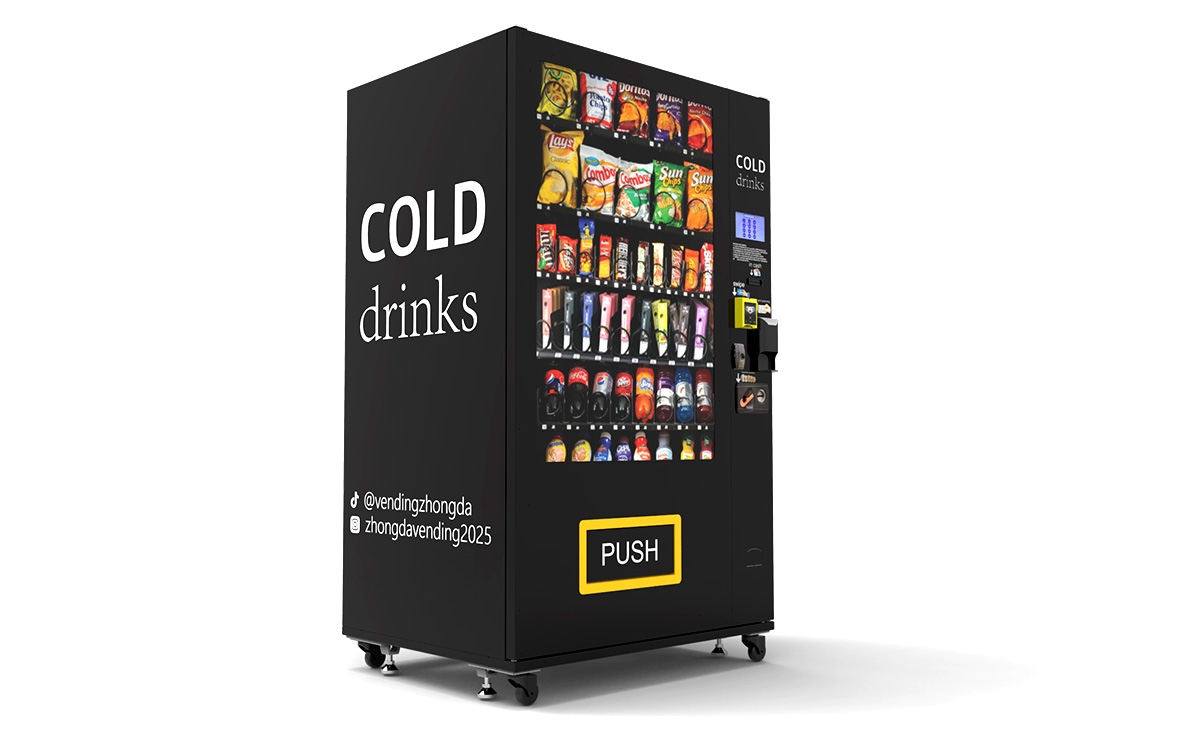
I have made some of these mistakes myself, and I have watched others repeat them. Here are the most costly ones:
Buying the Cheapest Machine
A €2,500 machine from an unknown supplier might look like a bargain. But when the payment terminal fails after three months and the manufacturer does not answer emails, you will spend more on vending machine repair than you saved. Invest in reliable hardware from a known manufacturer like Zhongda Smart or a well-established European brand.
Ignoring Payment System Compatibility
In 2026, cash is rare in most European countries. If your machine only accepts coins, you will lose at least 40% of potential sales. Make sure the machine supports contactless cards, Apple Pay, Google Pay, and local mobile wallets. In France, for example, many consumers expect to pay with their phone.
Skipping the IoT Feature
I still see operators buying non-connected machines to save a few hundred euros. This is a mistake. Without telemetry, you are flying blind. You cannot know when a product is out of stock, when the cooling unit fails, or which items are not selling. The Vending Machine Internet Of Things is not a luxury—it is a necessity for anyone serious about profitability.
Overloading the Machine with Too Many SKUs
More choices do not mean more sales. In fact, too many options can lead to decision paralysis. I recommend starting with 8 to 12 best-selling products and expanding only after analyzing sales data from the IoT dashboard.
Underestimating Restocking Costs
Labor is expensive in Europe and North America. If you are driving 30 minutes each way to restock a machine that only generates €200 per month, you are losing money. Use IoT data to optimize restocking routes and frequency.
Maintenance and Repair: What to Expect
Every machine will break eventually. The question is how quickly you can fix it. With IoT, you often know about a problem before your customers do. For example, if the cooling unit temperature rises above 8°C, the system sends an alert. You can then dispatch a technician or, in some cases, reset the unit remotely.
Common issues include coin jams, card reader failures, and cooling unit malfunctions. I budget around €500 per machine per year for maintenance and unscheduled vending machine repair. If you have a fleet of 20 machines, that is €10,000 annually. Some operators self-maintain to save costs, but unless you have technical training, I recommend building a relationship with a local technician early.
According to a 2025 report by the European Vending & Coffee Service Association (EVA), the average downtime for a connected machine is 4.2 hours, compared to 18 hours for a non-connected machine (EVA, 2025). That alone justifies the investment in IoT.
Fresh Food and Safety Regulations
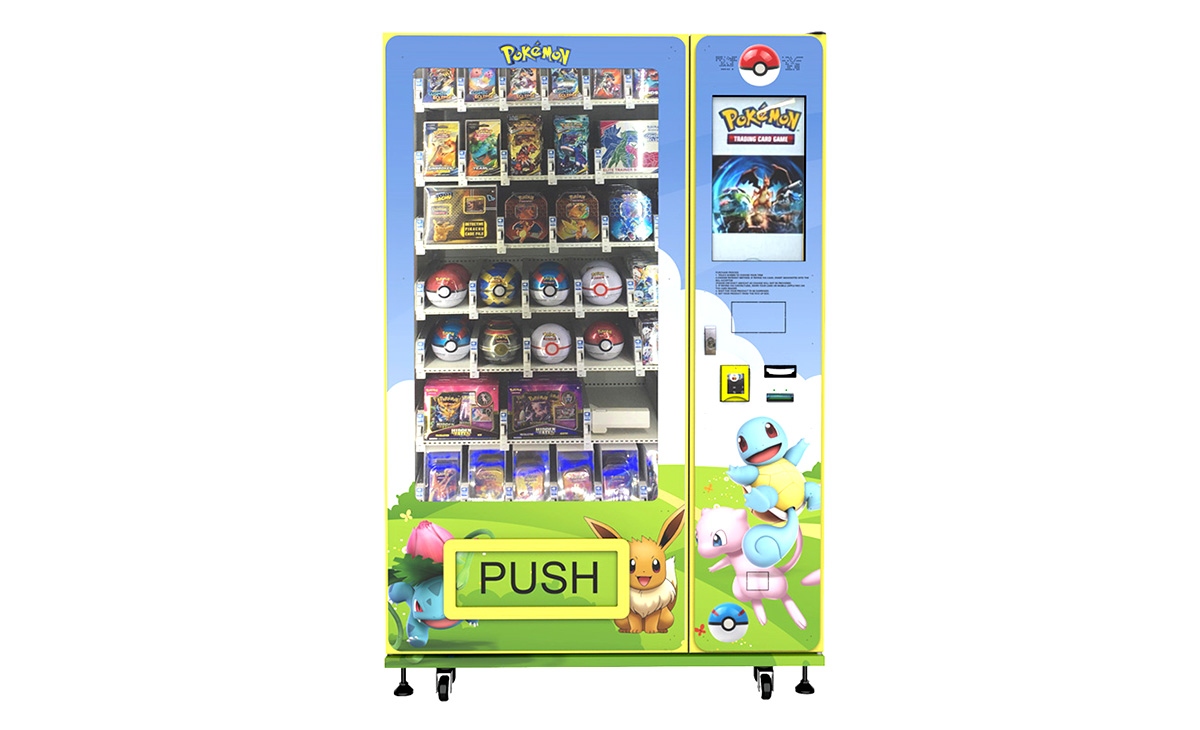
Selling perishable items in vending machines adds complexity. In the European Union, you must comply with Regulation (EC) 852/2004 on food hygiene. This means the machine must maintain proper temperatures, and you must keep records of temperature logs. IoT makes this easier because the system automatically records temperature data and can generate reports for health inspectors.
In the United States, the FDA Food Code applies, and many states require permits for vending machines that sell potentially hazardous foods. I have seen operators fined heavily for not maintaining proper temperature logs. Do not skip this step. Use a machine with certified cooling systems and remote temperature monitoring.
Should You Buy, Lease, or Partner?
There are three main models for getting into the vending business. Each has pros and cons.
| Model | Pros | Cons |
|---|---|---|
| Buy outright | Full control over profits and placement. No monthly payments. | High upfront cost. You bear all maintenance and repair costs. |
| Lease | Lower initial investment. Often includes maintenance. | Monthly payments reduce profit. Contract terms may be restrictive. |
| Revenue share with location | No rent or low rent. Location owner is motivated to help. | You share a percentage of sales (typically 10–25%). Less control over placement changes. |
I prefer buying machines outright after testing a location with a leased unit. That way, I know the location works before committing capital. For beginners, leasing or revenue sharing reduces financial risk.
How to Use Sales Data to Improve Performance
The IoT dashboard is not just for monitoring—it is for decision making. I check my machines remotely every morning. If a product has not sold in two weeks, I replace it. If a machine is underperforming compared to similar locations, I either adjust the product mix or move the machine.
One example: I had a machine in a logistics warehouse that sold mostly energy drinks and chocolate bars. After three months, sales plateaued. I looked at the data and noticed that sales dropped significantly after 4 PM. I added a few healthy snack options and a coffee module. Within a month, revenue increased by 22%. Without the data, I would have assumed the location was bad and moved the machine.
Data also helps with inventory planning. Instead of ordering the same products every week, I order based on actual consumption. This reduces waste and improves cash flow.
FAQ: Answers to the Most Common Questions
Is the vending machine business profitable in 2026?
Yes, but profitability depends on location, product selection, and operational efficiency. A well-placed IoT-enabled machine can generate €1,500 to €4,000 per month in revenue. Net profit typically ranges from €500 to €1,500 per machine after all costs. However, poorly placed machines can lose money.
How much does a vending machine cost?
A new IoT-enabled vending machine costs between €3,500 and €12,000, depending on size, features, and brand. Installation, payment terminal setup, and initial inventory add another €1,000 to €3,000. Used machines are cheaper but may lack IoT capabilities.
How long does it take to break even?
In my experience, break-even typically occurs between 6 and 18 months. High-traffic locations with good product margins can break even in under a year. Low-traffic or poorly managed machines may take two years or more.
Should a beginner buy or lease a vending machine?
Leasing is lower risk for beginners. You can test a location without a large upfront investment. Once you have proven the location works, consider buying the machine outright to maximize profit.
Where is the best place to put a vending machine?
Co-working spaces, gyms, transit hubs, educational campuses, and healthcare facilities are strong candidates. The key is foot traffic—at least 300 to 500 people per day—and a demographic that matches your product mix.
What permits do I need to operate a vending machine?
Requirements vary by country and city. In the EU, you typically need a business license, a food hygiene registration if selling perishables, and possibly a local vending permit. In the US, check state and local regulations. Always consult a local business advisor.
How do I choose a vending machine supplier?
Look for suppliers that offer IoT-ready machines, open software platforms, local support, and a solid warranty. Zhongda Smart is one manufacturer that meets these criteria for many European operators. Always request a demo and check references before purchasing.
What happens if the machine breaks down?
With IoT, you will usually get an alert before customers complain. Most issues can be diagnosed remotely. For physical repairs, you need a local technician. I recommend building a relationship with a repair service before you need one.
How can I reduce restocking and maintenance costs?
Use IoT data to optimize restocking schedules. Only restock when necessary. Group machines by geographic area to reduce travel time. Perform preventive maintenance on cooling units and payment systems to avoid emergency repairs.
Final Thoughts on the Vending Machine Internet Of Things in 2026
The vending industry has changed more in the last five years than in the previous twenty. The Vending Machine Internet Of Things is not a trend—it is the new standard. Operators who embrace remote monitoring, data-driven restocking, and cashless payments will thrive. Those who stick with the old model will struggle to compete.
If you are considering entering this business, start small. Test one machine in a good location. Learn the software. Understand your costs. Then scale. Do not buy ten machines at once because a supplier offered a discount. I have seen that strategy fail more often than it succeeds.
There is still room in this market for smart, disciplined operators. The technology is mature. The tools are accessible. The rest is up to you.
This article was updated on 15 January 2026. All figures and insights are based on personal operational experience and publicly available data from the sources cited. Individual results may vary. Always conduct your own due diligence before making investment decisions.