Step-by-Step Guide to Starting a Vending Machine Cameras Business in 2026
If you are looking at starting a vending machine cameras business in 2026, you are likely wondering if it is still a profitable move or if the market is already saturated. After spending over a decade operating automated retail routes across the US and Europe, I can tell you that the security camera vending niche is far from dead. In fact, it is one of the few segments where demand keeps climbing because businesses and homeowners are increasingly looking for self-service kiosk solutions for surveillance equipment. The key is knowing where to place the machines, what inventory to carry, and how to avoid the costly mistakes that kill most new operators within the first six months. This guide walks you through everything I have learned the hard way, so you can start with a clear plan and realistic expectations.
Why Vending Machine Cameras? Understanding the Niche
Most people think of vending machines as snack or soda dispensers. But the automated retail space has expanded significantly. Security cameras are a high-margin, low-perishable product that fits perfectly into a vending format. Unlike food items, cameras do not expire, they do not require temperature control, and they have a perceived value that allows for healthy markups.
In my experience, the typical customer for a vending machine that sells cameras is not a large corporation. It is often a small business owner, a property manager, or a homeowner who needs a quick replacement or an additional unit. They do not want to wait for shipping or drive to an electronics store. If your machine is in the right location, they will pay a premium for convenience.
The vending machine cameras niche also benefits from the growing awareness around property security. According to a 2023 report by Statista, the global video surveillance market was valued at over $55 billion and is projected to grow steadily through 2030. This trend supports the demand for accessible, point-of-sale camera options.
Step 1: Choosing the Right Equipment for Your Cameras Vending Business
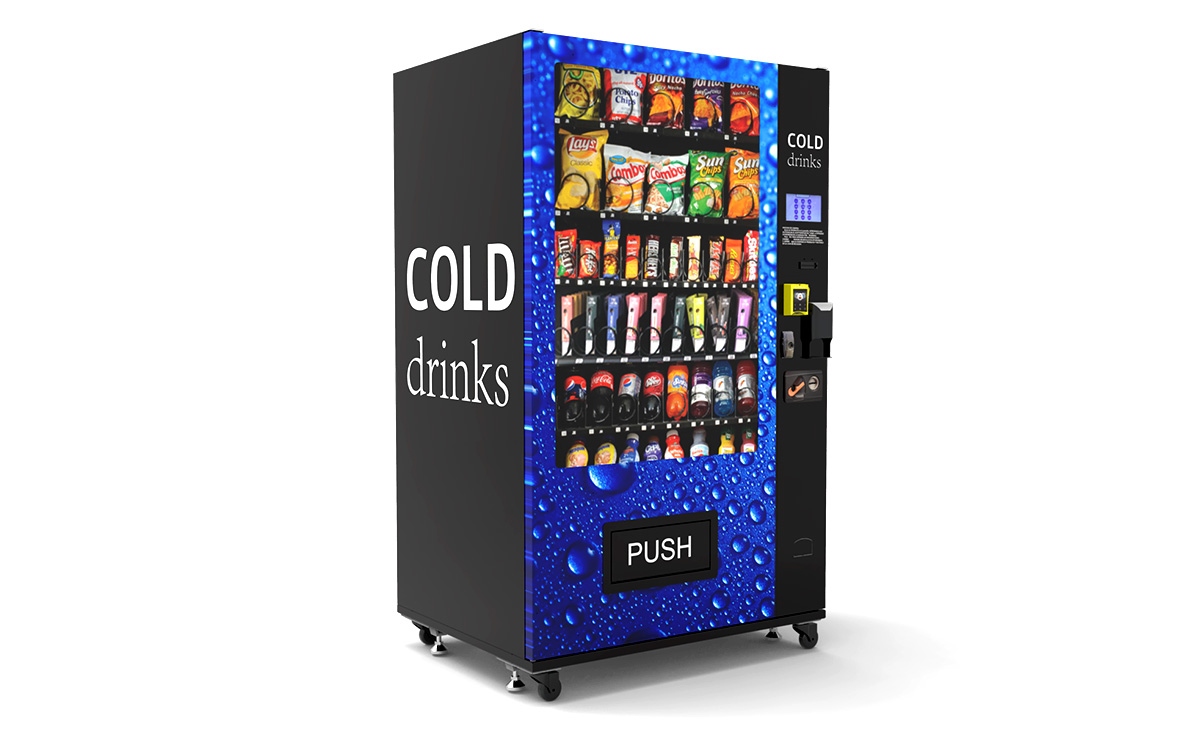
Do not make the rookie mistake of buying the cheapest machine you can find. I have seen operators lose thousands because they bought a low-end unit that broke down within three months. For a cameras vending business, you need a machine that can securely store small, high-value items. Standard snack machines are not ideal because the compartments are too large and the locking mechanisms are not designed for expensive electronics.
Key Features to Look For in a Machine
- Spiral or coil mechanisms with adjustable widths: Cameras come in different box sizes. You need flexibility.
- High-security locks: Electronic locks with audit trail capabilities are worth the investment.
- Reliable payment systems: Cashless payment is non-negotiable in 2026. Look for machines that accept credit cards, Apple Pay, and Google Wallet.
- Inventory tracking software: Real-time sales data helps you know exactly what is selling and when to restock.
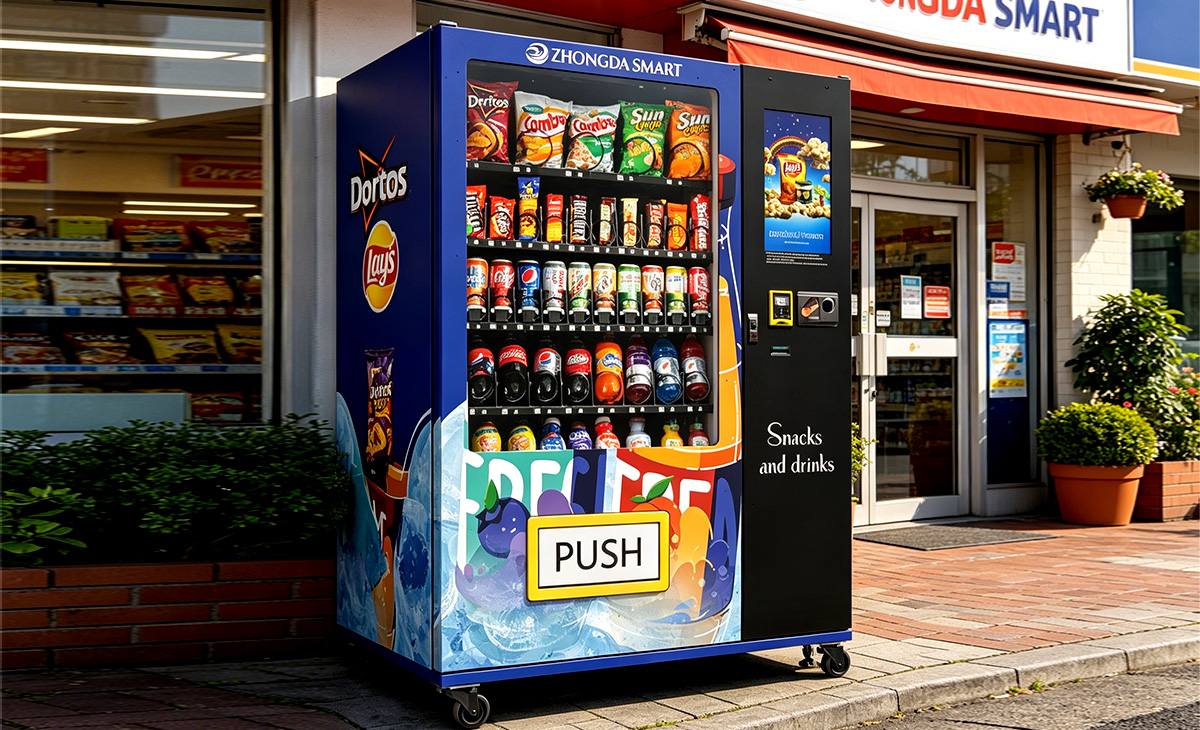
When evaluating suppliers, I recommend looking at manufacturers that specialize in automated retail solutions. One company I have worked with consistently is Zhongda Smart. They produce machines that handle small electronics well, with customizable tray configurations and robust telemetry systems. Their units are used in several European markets I have consulted for, and the feedback on reliability has been solid. That said, always request sample data or a demo unit before committing to a bulk order.
Step 2: Sourcing Inventory for Your Self-Service Kiosk
Your inventory is the heart of your business. For a self-service kiosk selling cameras, you need to balance brand recognition with margin. Big brands like Ring, Arlo, and Wyze sell well because customers trust them. But their wholesale prices are higher, and your margin will be thinner. Off-brand or white-label cameras offer better margins but require more customer education.
Here is a rough breakdown of margins I have seen in this niche:
| Camera Type | Wholesale Cost (Approx.) | Retail Price (Vending) | Gross Margin |
|---|---|---|---|
| Indoor Wi-Fi Camera | $25 – $35 | $50 – $70 | 40% – 50% |
| Outdoor Weatherproof Camera | $45 – $60 | $90 – $120 | 45% – 55% |
| Pan-Tilt-Zoom (PTZ) Camera | $70 – $100 | $140 – $200 | 40% – 50% |
| Video Doorbell | $30 – $50 | $65 – $100 | 40% – 50% |
These are estimates based on my own routes and conversations with other operators. Actual margins depend on volume discounts and local pricing.
Step 3: Location Selection – The Make or Break Factor
I cannot stress this enough: location is everything. A great machine with great products will fail in a bad spot. A mediocre machine in a high-traffic location can still turn a profit. For a distributeur automatique selling cameras, you need locations where people are already thinking about security or where they have an immediate need.
Best Locations for Camera Vending Machines
- Hardware stores and home improvement centers: Customers are already in a DIY mindset. They may be buying tools for a project and realize they need a camera too.
- Self-storage facilities: Storage unit renters often want to monitor their units. Placing a machine near the office or entrance works well.
- Apartment complex lobbies: Property managers and tenants both have security needs. Some complexes allow machines as a resident amenity.
- Car washes and laundromats: These locations have captive audiences with time to browse. I have seen good results in upscale car washes.
- Small business parks: Owners of small offices often need a camera quickly. A vending machine in the lobby or break room can capture those impulse buys.
One mistake I made early on was placing a machine in a low-traffic strip mall because the rent was cheap. The machine sat untouched for weeks. You need foot traffic, but more importantly, you need relevant traffic. A location with 500 people passing by per day is useless if none of them are thinking about security.
Step 4: Costs and Return on Investment
Let us talk numbers. Based on my experience and data from IBISWorld on the vending machine industry, here is what you can expect for initial investment and ongoing costs.
Startup Costs (Per Machine)
- Machine purchase: $3,000 – $7,000 for a new, commercial-grade unit. Used machines can be $1,500 – $3,000 but come with risks.
- Initial inventory: $1,000 – $2,500 depending on how many cameras you stock and their wholesale cost.
- Payment system setup: $200 – $500 for a cashless reader and integration fees.
- Shipping and installation: $300 – $800 depending on distance and if you need help moving the machine.
- Miscellaneous (signage, insurance, permits): $200 – $500.
Total estimated initial investment per machine: $4,700 – $11,300.
Monthly Operating Costs (Per Machine)
- Restocking labor: $100 – $300 (if you do it yourself, this is your time cost).
- Transaction fees: 2.5% – 3.5% of sales for credit card processing.
- Location commission or rent: 10% – 20% of gross sales, or a flat monthly fee of $50 – $200.
- Maintenance and vending machine repair: Budget $50 – $150 per month on average. Some months you will have zero issues; others will hit you with a $400 repair bill.
Revenue Potential
A well-placed camera vending machine in a good location can generate $800 to $2,500 per month in gross sales. With an average margin of 45%, that gives you $360 to $1,125 in gross profit per machine per month. After subtracting operating costs, net profit per machine typically ranges from $200 to $700 per month.
Return on investment timeline: If you keep costs low and choose a strong location, you can expect to recoup your investment in 12 to 24 months. Poor locations can stretch that to 3 years or more. I have personally seen machines that paid for themselves in 9 months, but those were exceptional cases with high-traffic hardware stores and minimal competition.
Step 5: Payment Systems and Technology Considerations
In 2026, cash-only vending is almost dead. For a borne en libre-service selling electronics, you absolutely need a modern payment system. Customers will walk away if they cannot pay with a card or phone.
Look for systems that offer:
- EMV chip card acceptance
- NFC for Apple Pay and Google Pay
- Remote inventory monitoring
- Dynamic pricing capability (useful for promotions)
I use a combination of Nayax and Cantaloupe systems on my routes. Both are reliable and widely supported. The telemetry data alone is worth the monthly fee because it tells you exactly what sold and when. Without that data, you are guessing on restocking schedules.
Step 6: Maintenance and Vending Machine Repair
Every machine will break eventually. The question is how prepared you are. For a machine en libre-service selling cameras, the most common issues I have encountered are:
- Card reader communication failures
- Coil jams (usually from customers forcing a product that is too large for the slot)
- Power supply issues in outdoor or semi-outdoor locations
- Screen or touchpad malfunctions
I recommend building a relationship with a local vending machine repair technician before you even buy your first machine. If you are in a smaller city, you may need to learn basic repairs yourself. I keep a spare parts kit with extra coils, power supplies, and card reader cables. That alone has saved me weeks of downtime.
One piece of advice: do not buy a machine that uses proprietary parts from an obscure manufacturer. If the company goes out of business or stops supporting that model, you are stuck. Stick with brands that have a wide service network.
Step 7: Legal and Regulatory Considerations
Before you place your first machine, check local regulations. In the US, most states require a sales tax permit if you are selling tangible goods. Some cities also require a vending machine license. In Europe, regulations vary by country. For example, in France, a distributeur automatique selling electronics may need to comply with waste electrical and electronic equipment (WEEE) directives.
According to the European Commission's directives on waste management, sellers of electronic equipment are responsible for take-back and recycling. This applies even to vending machine sales. Make sure your supplier or manufacturer provides documentation on compliance.
Insurance is another area where new operators cut corners. A general liability policy covering your machines and inventory is not expensive, usually $300 to $600 per year. If a machine tips over or a customer gets injured, you will be glad you have it.
Common Mistakes New Operators Make
I have made most of these mistakes myself, so I will save you the trouble.
- Buying a used machine without testing it thoroughly. I once bought a "refurbished" unit that looked great but had a failing compressor. It died three weeks in. The repair cost nearly as much as a new machine.
- Overstocking expensive inventory. It is tempting to fill the machine with high-end PTZ cameras, but they move slowly. Start with mid-range products and add premium items once you understand your customer base.
- Ignoring the location's hours. If the building closes at 6 PM and your machine is inside, you lose evening and weekend sales. Look for locations with 24/7 access.
- Setting prices too high. Yes, convenience commands a premium, but if your camera costs $30 more than Amazon, customers will walk away. I aim for a 20% to 30% premium over online retail, not 50%.
- Not having a restocking schedule. An empty machine is a dead machine. Use telemetry data to restock before you run out of popular items.
How to Evaluate a Potential Location
Before signing any agreement, I spend at least a few hours observing the location. I count foot traffic, note the demographics, and check if there are existing vending machines or automated retail solutions nearby. If there are, I look at what they sell and how busy they seem.
I also ask the property owner or manager about average daily visitors. If they cannot give a number, I use a simple manual counter for a few days. A location with less than 200 relevant visitors per day is usually not worth the effort for a camera machine.
Another factor is visibility. If your machine is tucked away in a corner behind a pillar, sales will suffer. Negotiate for a spot near the entrance or in a main walkway. Sometimes paying a slightly higher commission for a prime spot is worth it.
Supplier Selection Criteria
When choosing a manufacturer for your solution de vente automatisée, do not just compare price. Consider:
- Warranty terms: At least one year on parts and labor. Some Chinese manufacturers offer only 6 months.
- Availability of spare parts: Can you order a replacement coil or control board easily?
- Software integration: Does their telemetry system work with your preferred payment processor?
- Shipping and import duties: If ordering from overseas, factor in shipping time and customs clearance.
I have worked with several suppliers over the years. Zhongda Smart is one of the few that offers good documentation in English and has a responsive support team. Their machines are used in multiple European countries, which tells me they meet CE and other regulatory standards. That said, always ask for references and, if possible, visit the factory or request a video walkthrough of the assembly line.
FAQ: Starting a Vending Machine Cameras Business
Is a vending machine cameras business profitable?
It can be, but it depends entirely on location and inventory management. In good locations, operators see net profits of $200 to $700 per machine per month. In poor locations, you may barely break even. Profitability also depends on how well you control costs for vending machine repair and restocking.
How much does a vending machine for cameras cost?
A new, commercial-grade machine suitable for electronics costs between $3,000 and $7,000. Used machines can be found for $1,500 to $3,000, but they come with higher maintenance risks. Total startup cost per machine, including inventory and setup, ranges from $4,700 to $11,300.
How long does it take to recoup the investment?
In my experience, most operators see a return on investment within 12 to 24 months. Some high-performing locations can pay off in 9 to 12 months, while poor locations may take 3 years or longer.
Should I buy or lease a vending machine?
Buying is usually better for long-term operations because you keep all the profit. Leasing can be useful if you want to test the market with minimal upfront cost, but lease terms often eat into your margins. I recommend buying if you have the capital.
Where are the best locations for camera vending machines?
Hardware stores, self-storage facilities, apartment lobbies, car washes, and small business parks tend to perform well. The common factor is a customer base that already has a need for security products or is in a problem-solving mindset.
What permits or licenses do I need?
Requirements vary by city and country. In the US, you typically need a sales tax permit and possibly a vending machine license. In Europe, check local commercial regulations and WEEE compliance for electronics. Always consult a local business attorney.
How do I choose a supplier for the machines?
Look for manufacturers with good warranty terms, available spare parts, and responsive support. Ask for references and check if their machines meet local electrical and safety standards. Zhongda Smart is one supplier I have used successfully, but always do your own due diligence.
What happens if the machine breaks down?
You will need either a local technician or the skills to repair it yourself. Common issues include card reader failures, coil jams, and power supply problems. Keep a basic spare parts kit and have a backup plan for downtime.
How can I reduce restocking and maintenance costs?
Use telemetry data to optimize restocking routes and only visit machines when they actually need service. Buy reliable machines from reputable manufacturers to reduce breakdown frequency. Learning basic repairs yourself also saves money.
Final Thoughts
Starting a vending machine cameras business in 2026 is a viable opportunity, but it is not a get-rich-quick scheme. It requires careful planning, honest assessment of locations, and a willingness to handle the operational side of things. The operators who succeed are the ones who treat it like a real business, not a passive income experiment.
Keep your initial investment manageable, choose your locations based on data rather than gut feeling, and build relationships with reliable suppliers and repair technicians. If you do those things, you will have a solid foundation. And remember, every empty machine or slow sales day is a lesson. I have learned more from my failures than from my successes, and that experience is what has kept me in this industry for over a decade.
This article was updated in January 2026. Data and market conditions may change. Always verify current regulations and costs with local authorities and suppliers before making business decisions.
Sources:
- Statista – Video Surveillance Market Size (2023): https://www.statista.com/topics/9201/video-surveillance-market/
- IBISWorld – Vending Machine Industry Overview (2024): https://www.ibisworld.com/united-states/market-research-reports/vending-machine-operators-industry/
- European Commission – WEEE Directive Compliance: https://environment.ec.europa.eu/topics/waste-and-recycling/waste-electrical-and-electronic-equipment-weee_en