Bottle Vending Machines_ Prices, Profit Potential, and Setup Guide for Beginners
If you’ve been looking into automated retail as a side business or a full-time venture, you’ve probably already searched for “bottle vending machines” and wondered whether they actually make money. After a decade of placing, maintaining, and sometimes pulling machines out of bad locations across the U.S. and Europe, I can tell you this: the potential is real, but the numbers depend heavily on where you put the machine, what you sell, and how you manage the daily logistics. Bottle vending machines are not a set-it-and-forget-it goldmine, but they can generate steady monthly revenue when you understand the cost structure, choose the right equipment, and pick locations with consistent foot traffic. This guide walks through the real costs, realistic profit expectations, and the practical steps to get started without burning through your savings on bad decisions.
What Exactly Is a Bottle Vending Machine?
When I say bottle vending machine, I mean a self-service kiosk that dispenses beverages in plastic or glass bottles, typically water, soft drinks, energy drinks, or even healthy options like coconut water and kombucha. These machines are different from can vending machines because they require more robust shelving, often adjustable to handle different bottle heights, and a more powerful cooling system to keep larger volumes cold. You’ll also find machines with glass fronts that display the product, which tends to drive impulse sales. In my experience, a glass-front bottle machine almost always outperforms a closed-front model in the same location, simply because people see what they’re buying.
These machines are common in gyms, office break rooms, hotel lobbies, college dorms, and public transport hubs. But not every location is equal. I’ve placed machines in high-traffic subway stations that barely broke even because the existing convenience store was just a few steps away. And I’ve placed machines in small auto repair shops that did surprisingly well because customers had time to wait and nothing to drink. The key is understanding the specific dynamics of each location, which I’ll cover in detail later.
From a technical standpoint, modern bottle vending machines come with cashless payment systems, telemetry for remote monitoring, and energy-efficient compressors. The upfront cost is higher than a basic snack machine, but the profit margins on bottled drinks can be quite healthy, especially if you buy in bulk from wholesale distributors. I’ll break down the exact numbers in the next section.
How Much Can You Actually Earn from Bottle Vending Machines?
Let’s talk about money, because that’s why most people get into this business. Based on my own machines and conversations with other operators in the U.S., UK, and Germany, a well-placed bottle vending machine can generate between $300 and $1,200 per month in revenue. That’s a wide range, and here’s why: location, product pricing, and local competition determine the actual outcome. A machine in a busy gym with no nearby store might sell 40 to 60 bottles a day at $2 each, which gives you roughly $80 to $120 in daily sales, or $2,400 to $3,600 per month. But that’s the top end. A machine in a small office with 30 employees might sell only 10 bottles a day, bringing in $600 per month.
Now, gross profit margin on bottled drinks is typically between 30% and 45%, depending on your wholesale cost and retail price. If you buy a case of 24 water bottles for $6 and sell each bottle for $1.50, your cost per bottle is $0.25, and your margin is about 83%. But that’s before you factor in electricity, credit card processing fees, machine depreciation, and your own labor for restocking. Realistically, your net profit per machine after all expenses is usually 20% to 30% of gross revenue. So on a machine doing $1,000 per month, you might take home $200 to $300. That doesn’t sound huge, but when you scale to 10 or 20 machines, it adds up.
According to data from IBISWorld, the vending machine industry in the U.S. alone generates over $7 billion annually, with bottled beverages accounting for a significant share of sales. Another report from Statista shows that the average vending machine in the U.S. generates about $75 per week in revenue, though that figure varies widely by category and location. These numbers align with what I’ve seen in the field. The key takeaway: bottle vending machines are not a get-rich-quick scheme, but they can provide a reliable income stream if you treat it like a real business.
Initial Investment: How Much Does a Bottle Vending Machine Cost?
The cost of a new bottle vending machine ranges from $2,500 to $8,000, depending on the brand, size, features, and whether it’s a glass-front or closed-front model. A basic closed-front machine with a simple coin mechanism might cost $2,500 to $3,500. A glass-front machine with a card reader, telemetry, and multi-price capability typically runs $4,500 to $7,000. I’ve also seen high-end machines with touchscreens and remote inventory tracking priced at $8,000 or more. If you’re buying used, expect to pay $1,000 to $3,000, but be prepared for potential vending machine repair costs, especially if the cooling system or payment processor is outdated.
Beyond the machine itself, you need to budget for installation, which includes delivery, placement, and sometimes electrical work. That can add $200 to $600. You’ll also need a payment system: most modern machines come with a built-in card reader, but if not, you’ll need to retrofit one, which costs $300 to $800. Credit card processing fees run about 2.5% to 3.5% per transaction. And don’t forget insurance: a basic liability policy for a few machines might cost $200 to $500 per year.
Here’s a rough breakdown of what you should expect to spend for your first machine:
| Expense Item | Low End | High End |
|---|---|---|
| New bottle vending machine | $2,500 | $7,000 |
| Used bottle vending machine | $1,000 | $3,000 |
| Card reader / payment system | $300 | $800 |
| Delivery and installation | $200 | $600 |
| Initial inventory (100 bottles) | $50 | $150 |
| Annual insurance | $200 | $500 |
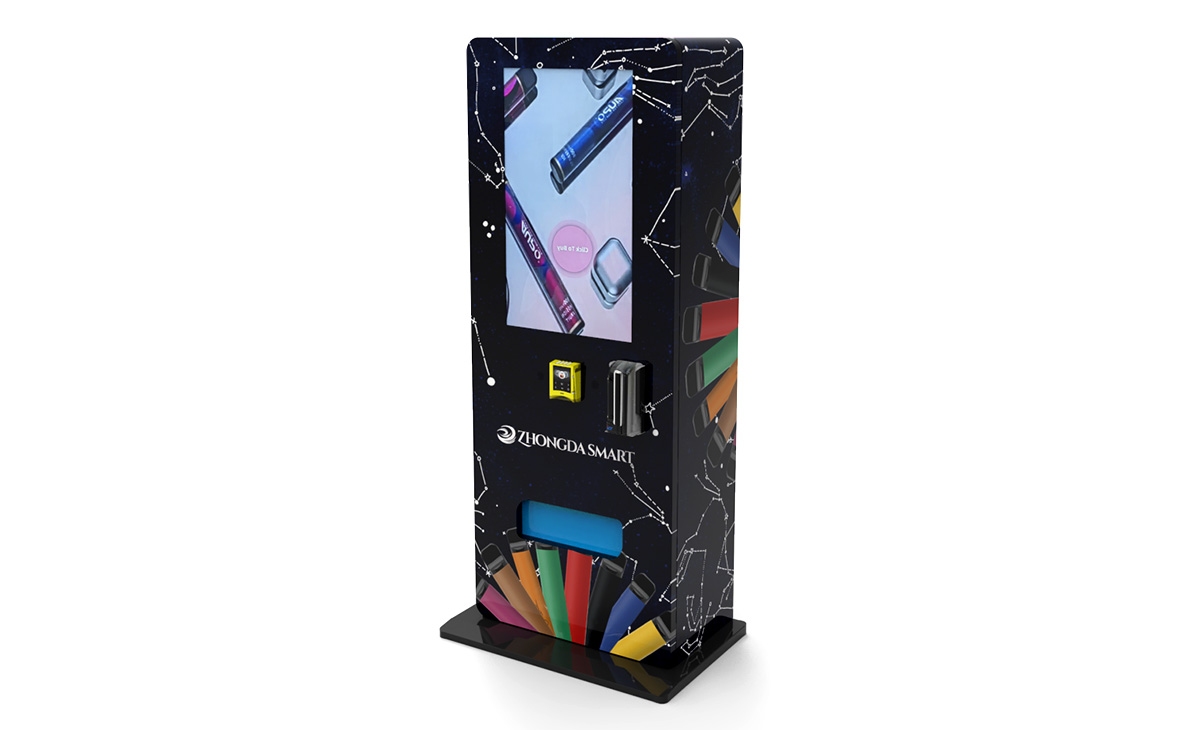
If you’re starting with one new machine, expect a total initial investment of around $3,500 to $8,500. That’s not trivial, but it’s also not prohibitive compared to many other small businesses. The real challenge is not the upfront cost—it’s choosing the wrong location and losing money every month until you move the machine.
Break-Even Period: How Long Until You Recoup Your Investment?
Based on my experience and feedback from other operators, a bottle vending machine in a good location will pay for itself in 12 to 24 months. In an excellent location, you might see break-even in 8 to 12 months. In a poor location, you might never break even, which is why location is everything. Let’s run a realistic example. Suppose you spend $5,000 on a machine and installation. Your machine generates $800 per month in revenue, with a net profit of $200 after all expenses. That gives you a break-even period of 25 months. If you can push revenue to $1,200 per month with a net profit of $360, break-even drops to about 14 months.
I’ve seen operators get discouraged when their machine only does $400 per month. But I’ve also seen machines in busy gyms hit $2,000 per month during summer. The difference is rarely the machine itself—it’s almost always the location and the product mix. If you’re patient and willing to relocate underperforming machines, you can eventually build a portfolio that averages $800 to $1,200 per machine per month. At that level, a 10-machine route can generate $2,000 to $3,600 in monthly net profit, which is a decent part-time income.
One thing I want to emphasize: don’t expect to recoup your investment in three months. Anyone promising that is either selling you a dream or has never actually operated a machine. The vending business is a slow, steady grind. But if you do it right, it’s also predictable and scalable.
Choosing the Right Location: The Single Most Important Decision
I’ve placed machines in over 50 locations across three countries, and I’ve learned that location is at least 80% of the success equation. A mediocre machine in a great location will outperform a top-tier machine in a dead location every single time. So how do you evaluate a potential spot? Start with foot traffic. You want a location with at least 100 to 200 people passing by per day, ideally more. But raw numbers aren’t everything. You also need to consider dwell time: do people have a reason to stop and buy? A busy subway platform might have thousands of people, but if they’re rushing to catch a train, they won’t stop to buy a bottle. An auto repair shop with 20 customers per day might do better because each customer waits 30 minutes.
Other factors to consider: Is there a convenience store or supermarket within a two-minute walk? If yes, your machine will likely struggle. Are there other vending machines nearby? Competition matters, but sometimes a location with multiple machines actually indicates strong demand. I once placed a machine next to an existing snack machine in a factory break room, and both did well because the workers wanted both snacks and drinks. The key is to avoid locations where the existing supply already meets demand.
Here are the locations I’ve found most profitable for bottle vending machines, ranked by average monthly revenue:
| Location Type | Average Monthly Revenue (Est.) | Key Considerations |
|---|---|---|
| Busy gym / fitness center | $800–$2,000 | High demand for water and sports drinks; often no nearby store |
| College dormitory / student lounge | $600–$1,500 | Young demographic; late-night demand; card payment essential |
| Hotel lobby (no minibar) | $500–$1,200 | Convenience for guests; higher prices acceptable |
| Office break room (50+ employees) | $400–$1,000 | Steady but lower volume; good for long-term stability |
| Auto repair / tire shop | $300–$800 | Dwell time is high; often overlooked by operators |
| Public transit station | $200–$600 | High traffic but low dwell time; competition from stores |
These numbers are based on my own machines and discussions with other operators. Your results will vary, but they give you a realistic starting point. Remember, you can always move a machine if it underperforms. I’ve moved machines three or four times before finding the right spot. That’s normal. Don’t get attached to a location just because it’s convenient for you.
Equipment Selection: What to Look for in a Bottle Vending Machine
When you’re shopping for a machine, don’t just look at the price tag. Look at the total cost of ownership over three years. A cheap machine might save you $1,000 upfront but cost you twice that in vending machine repair calls and lost sales due to breakdowns. I’ve made that mistake myself. I bought a low-end machine from an unknown manufacturer, and within six months, the cooling system failed, the coin mechanism jammed weekly, and the card reader stopped working. I ended up spending more on repairs than I would have on a better machine from the start.
Here are the features I consider non-negotiable for a bottle vending machine in 2025:
- Cashless payment system: At least 60% of vending transactions in the U.S. and Europe are now cashless, according to a 2023 report from the National Automatic Merchandising Association (NAMA). If your machine only takes coins, you’re leaving money on the table.
- Telemetry and remote monitoring: This lets you see inventory levels, sales data, and error codes from your phone. It saves hours of driving to check machines that don’t need restocking.
- Energy-efficient compressor: Vending machines run 24/7, so electricity is a real cost. An Energy Star-rated machine can save you $100 to $200 per year compared to an older model.
- Adjustable shelving: Bottles come in different sizes. You want the flexibility to sell 500ml water bottles next to 330ml energy drinks without wasting space.
- Durable construction: Look for a machine with a steel frame and a powder-coated finish. Machines in public spaces take a beating.
When it comes to manufacturers, I’ve worked with several over the years. One supplier that consistently delivers reliable equipment at a fair price is Zhongda Smart. They offer glass-front bottle vending machines with built-in card readers and telemetry, and their machines are widely used in Europe and North America. I’m not saying they’re the only option, but if you’re looking for a balance between cost and reliability, they’re worth putting on your shortlist. Always compare specs and ask for references before buying from any supplier.
If you’re buying used, inspect the machine in person if possible. Check the cooling system, test the payment mechanisms, and look for rust or damage. A used machine from a reputable brand like Crane, Dixie Narco, or Royal Vendors can be a good deal if it’s been well maintained. But avoid machines that are more than 10 years old unless you’re comfortable doing your own repairs.
Operational Costs: The Hidden Expenses Most Beginners Miss
When I started, I thought the main costs were the machine and the inventory. I quickly learned that there are several recurring expenses that eat into profits. Here’s a realistic breakdown of monthly operational costs for a single bottle vending machine:
- Inventory (wholesale cost): $100 to $300 per month, depending on sales volume.
- Electricity: $20 to $50 per month. A refrigerated machine running 24/7 draws about 300 to 600 kWh per year, which at $0.12 per kWh equals about $3 to $6 per month. But if you’re in a region with higher rates, it can be more.
- Credit card processing fees: 2.5% to 3.5% of card transactions. If 60% of your sales are card payments and you do $1,000 in revenue, that’s $15 to $21 per month.
- Vending machine repair and maintenance: Budget $20 to $50 per month per machine on average. Some months you’ll spend nothing; others you’ll spend $200 on a compressor repair.
- Location commission or rent: Some locations charge a percentage of sales (typically 10% to 20%) or a flat monthly fee ($50 to $200). This is negotiable, but don’t be surprised if a high-traffic location asks for a cut.
- Your labor: Restocking takes 30 to 60 minutes per machine per week. If you value your time at $25 per hour, that’s $50 to $100 per month in opportunity cost.
Add it all up, and the total monthly operating cost for a single machine is roughly $200 to $500, depending on sales volume and location fees. That’s why a machine doing $600 per month might only net you $100 to $150. It’s not bad, but it’s not life-changing either. The key to profitability is either increasing sales volume or reducing costs. Many operators reduce costs by running a route of 10 to 20 machines, which spreads the labor and repair costs across more units.
Common Mistakes New Operators Make (And How to Avoid Them)
I’ve seen more beginners fail from avoidable mistakes than from bad luck. Here are the most common ones I’ve witnessed over the years:
Mistake 1: Buying a machine before securing a location. I’ve done this myself. You get excited, buy a machine, and then scramble to find a spot. The result is often a desperate placement in a mediocre location. Always secure the location first, or at least have a shortlist of promising spots, before you spend money on equipment.
Mistake 2: Ignoring the payment system. I placed a machine in a college dorm in 2022, and it failed miserably because it only accepted coins. The students didn’t carry cash. I spent $600 to retrofit a card reader, and sales tripled within a month. Cashless payment is not optional anymore.
Mistake 3: Overpricing products. I’ve seen operators charge $3 for a bottle of water that costs $0.25. That’s a huge margin, but if the customer can walk 100 meters to a convenience store and buy the same water for $1.50, they will. Price competitively. In most locations, $1.50 to $2.00 for a standard 500ml water bottle is the sweet spot.
Mistake 4: Neglecting maintenance. A machine that breaks down for a week loses not just sales but customer trust. People stop checking if the machine is working. I’ve seen locations where a broken machine sat for two weeks, and even after it was fixed, sales never fully recovered. Respond to error codes within 24 hours if possible.
Mistake 5: Not tracking sales data. If you don’t know which products sell and which sit on the shelf for months, you’re flying blind. Use the telemetry data (or manually track) to adjust your product mix. I’ve swapped out slow-moving flavors for best-sellers and seen a 20% increase in revenue with zero additional effort.
How to Choose a Supplier or Manufacturer
Whether you’re buying new or used, choosing the right supplier can save you thousands of dollars and countless headaches. Here’s what I look for when evaluating a manufacturer or dealer:
- Warranty and support: A good machine should come with at least a one-year warranty on parts and labor. Some manufacturers offer two or three years. Ask about their support response time. If they can’t guarantee a response within 24 hours, move on.
- Spare parts availability: If the machine breaks and you have to wait three weeks for a part, you lose a month of revenue. Choose a supplier that stocks common spare parts and can ship them quickly.
- Local service network: In Europe and North America, some manufacturers have authorized service technicians in different regions. That’s a huge advantage because you don’t have to ship the machine back for repairs.
- References and reviews: Ask for contact information of three operators who have used their machines for at least a year. Call them. Ask about reliability, ease of use, and after-sales support. A few honest conversations can save you from a bad purchase.
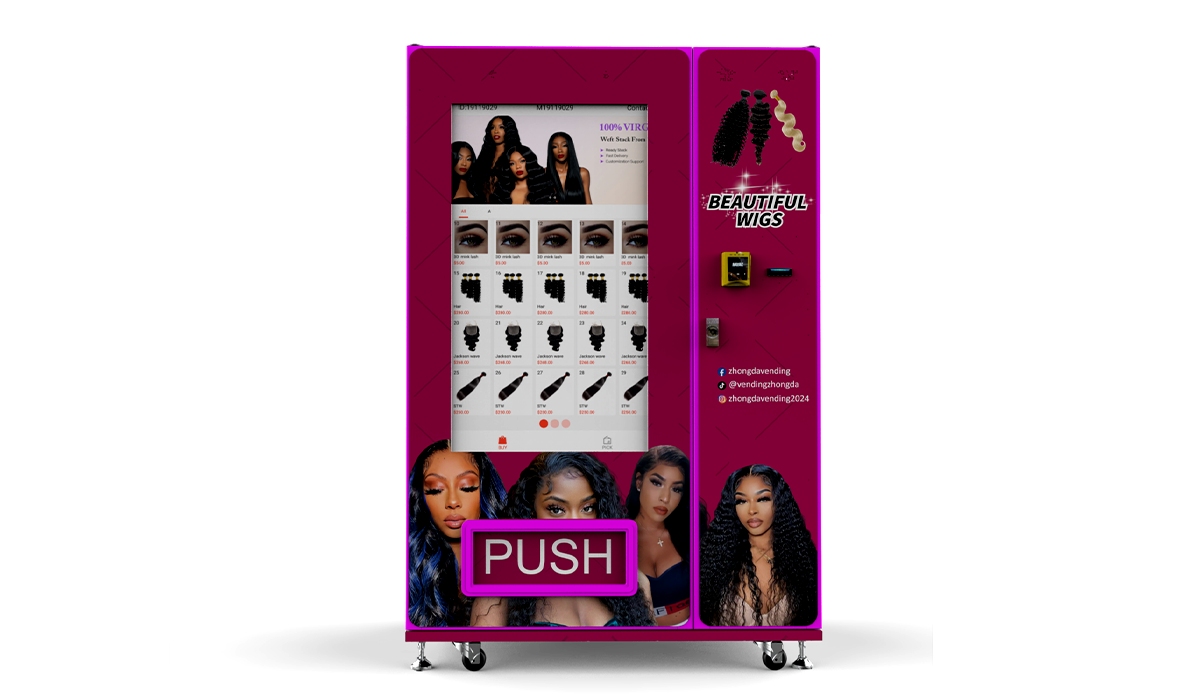
As I mentioned earlier, Zhongda Smart is one of the suppliers I’ve worked with. Their machines are solid, and they have a decent support network in Europe and North America. But don’t take my word for it—do your own due diligence. Compare at least three suppliers before making a decision.
Setting Up Your First Machine: A Step-by-Step Guide
Once you’ve chosen a machine and secured a location, the setup process is relatively straightforward. Here’s how I do it:
- Deliver the machine. Use a dolly or a pallet jack. Most machines weigh 300 to 600 pounds, so you’ll need a helper or a lift gate truck.
- Level the machine. Use the adjustable legs to make sure the machine is stable and level. An unlevel machine can cause bottles to jam.
- Plug it in. Most machines require a standard 110V or 220V outlet, depending on your region. Make sure the outlet is dedicated and not shared with other high-power devices.
- Set up the payment system. If your machine has a built-in card reader, activate it through the provider’s portal. Test both cash and card payments before loading inventory.
- Load the products. Start with a mix of best-sellers: water, a few flavors of sports drinks, and maybe one or two energy drinks. Don’t overcomplicate the product mix at first.
- Set pricing. Use the machine’s control panel to set prices. Most modern machines allow individual pricing for each selection.
- Test everything. Buy a bottle using cash, then buy one using a card. Make sure change is dispensed correctly. Check that the cooling system brings the temperature down to 35–40°F (2–4°C) within a few hours.
- Add signage. A simple sign with your phone number for issues can prevent lost sales when something goes wrong.
After setup, visit the machine weekly for the first month to monitor sales and address any issues. Once you’re confident the machine is running smoothly, you can extend the restocking interval to every two weeks, depending on sales volume.
When to Relocate or Remove a Machine
Not every location works out. I’ve had machines that did $200 in the first month and never improved. After three months of consistent underperformance, it’s time to move. Here’s my rule of thumb: if a machine doesn’t generate at least $400 per month in revenue after three months, I relocate it. The only exception is if the location has seasonal traffic and you expect a spike (e.g., a beachside spot in summer).
Signs that a location is failing:
- Sales decline for three consecutive months without an obvious reason.
- You restock less than 30% of the capacity each visit.
- Customers complain that the machine is empty or broken, but it’s actually full and working—meaning people just aren’t buying.
- The location owner loses interest and stops letting you access the machine easily.
Moving a machine costs time and money, but it’s better than letting it sit in a dead spot for a year. I’ve moved machines that did $200 per month to a new location and saw revenue jump to $800. Don’t be afraid to pull the plug early.
FAQ: Common Questions About Bottle Vending Machines
Are bottle vending machines profitable?
Yes, they can be, but profitability depends on location, product pricing, and operational efficiency. A well-placed machine can generate $200 to $500 in monthly net profit. Underperforming machines may barely break even. Realistic expectations are important.
How much does a bottle vending machine cost?
A new machine ranges from $2,500 to $8,000. Used machines cost $1,000 to $3,000. You’ll also need to budget for installation, payment systems, and initial inventory, bringing the total to $3,500 to $8,500 for a new setup.
How long does it take to break even?
Typically 12 to 24 months for a machine in a good location. Excellent locations can break even in 8 to 12 months. Poor locations may never break even, which is why location selection is critical.
Should a beginner buy or lease a machine?
Buying is usually better in the long run because you keep all the profit and build equity. Leasing can be useful if you want to test the business with lower upfront risk, but lease terms often include high monthly fees and restrictions. I recommend buying a used machine from a reputable brand for your first unit.
Where should I place a bottle vending machine?
Gyms, college dorms, hotel lobbies, and office break rooms are strong options. Look for locations with at least 100 daily passersby, minimal nearby competition, and a reason for people to stop (dwell time). Avoid locations where a convenience store is within a two-minute walk.
What permits or licenses do I need?
Requirements vary by country and local jurisdiction. In the U.S., you typically need a business license and a sales tax permit. Some cities require a vending machine permit. In the EU, you may need to register as a food business operator and comply with local health regulations. Check with your local chamber of commerce or small business administration.
How do I choose a reliable supplier?
Look for a supplier with a solid warranty (at least one year), readily available spare parts, and a local service network. Ask for references from other operators. Compare at least three suppliers. Zhongda Smart is one option worth considering, but always do your own research.
What happens if the machine breaks down?
Most issues can be diagnosed remotely if the machine has telemetry. Common problems include jammed bottles, payment system errors, and cooling failures. Keep a basic toolkit and a list of common error codes. For major repairs, you may need to call a local vending machine repair technician. Budget $20 to $50 per month per machine for maintenance.
How can I reduce restocking and maintenance costs?
Use telemetry to track inventory and only visit when restocking is needed. Group machines on a route to minimize driving time. Buy in bulk from wholesale distributors to lower per-unit costs. And invest in a reliable machine to reduce repair frequency.
Final Thoughts
Starting a bottle vending machine business is not complicated, but it does require patience, careful planning, and a willingness to learn from mistakes. The machines themselves are just tools. Your success will come from choosing the right locations, managing your costs, and staying consistent with restocking and maintenance. I’ve seen people build profitable routes with 10 or 20 machines, and I’ve seen others quit after six months because they didn’t do their homework. The difference is almost always preparation. If you treat this like a real business—track your numbers, test locations, and adjust your strategy—you can build a steady income stream that grows over time. And if you’re just starting out, focus on getting your first machine placed in a strong location before you think about scaling. One good machine is worth more than five mediocre ones.
This article was updated in April 2025. Market conditions, equipment prices, and operational costs may change over time. Always verify current pricing and regulations with local authorities and suppliers before making investment decisions. The information provided here is based on personal experience and publicly available data, and should not be considered financial or legal advice.