The Complete Guide to Las Vegas Vending Machines Opportunities and Risks
After a decade placing vending machines across Las Vegas, from casino service corridors to warehouse break rooms and downtown hostel lobbies, I can tell you this upfront: the Las Vegas vending machines market offers real profit potential, but it is also littered with traps that will drain your capital if you do not understand the local landscape. The Strip alone sees millions of footloose visitors every month, yet the most profitable locations are often off-Strip, in employee break areas, medical offices, and industrial parks where competition is lower and repeat traffic is higher. This guide walks through everything I have learned about site selection, equipment choice, cost structures, and common mistakes, so you can decide whether automated retail in this city makes sense for your situation.
Why Las Vegas Is Different from Any Other Vending Market
Las Vegas operates on a 24-hour economy. That changes vending machine dynamics in ways most operators do not anticipate. In a typical suburban office park, your sales peak between 8 AM and 2 PM. In Las Vegas, you can see steady sales at 3 AM near a hotel service entrance or a late-night convenience zone near a hostel. The tourism-driven demand creates spikes that follow convention schedules, fight nights, and major events. A machine that does $200 a week in August might do $600 during CES week. You need to plan for that volatility.
Another factor is the heat. Summer temperatures routinely exceed 110°F. If you place a machine in direct sunlight or in a non-air-conditioned corridor, your refrigeration unit works overtime. I have seen operators lose entire inventory to heat-related failures because they skimped on a machine with adequate insulation or a backup cooling system. The local climate demands equipment that can handle extreme ambient temperatures, not the standard units sold for temperate climates.
Finally, the regulatory environment in Clark County is stricter than many operators expect. You need a business license, a sales tax permit, and in some cases a health permit if you sell perishable food items. The Southern Nevada Health District has specific requirements for temperature logging and sanitation. Ignoring these can result in fines or machine seizure. I will cover the permit process in detail later.
How I Evaluate a Location for Vending Machine Placement
Location is everything in this business, and I have developed a simple but effective evaluation system over the years. I look at three core metrics: foot traffic volume, dwell time, and purchase intent alignment. Foot traffic volume is obvious, but dwell time is often overlooked. A location where people wait, such as a laundromat, a DMV waiting area, or a hotel lobby, generates far more sales than a high-traffic corridor where people are walking quickly to a destination.
Purchase intent alignment means matching the product to the audience. A machine stocked with protein bars and electrolyte drinks does well near a gym. The same machine placed in a senior living facility would fail. I once placed a healthy snack machine in a warehouse break room and watched it generate less than $30 per week. When I swapped it for a combo machine with cold drinks, chips, and candy, weekly revenue jumped to $180. The demographic wanted convenience and indulgence, not health food.
I also calculate a simple break-even estimate before I commit. I take the monthly rent or commission percentage the location owner asks for, add my estimated restocking and maintenance costs, and divide by the average item margin. That tells me how many items I need to sell per month just to cover fixed costs. If that number exceeds 40% of the estimated daily traffic, I walk away. Most successful locations I operate have a break-even threshold under 20% of daily traffic.
Equipment Selection: What Works in Las Vegas and What Does Not
Not all vending machines are built for the Las Vegas environment. I have tested machines from several manufacturers, and I have learned that the cheapest machine upfront is almost never the cheapest over three years. A low-cost unit from an unknown supplier might save you $1,500 on the purchase price, but when the refrigeration compressor fails after 14 months and you cannot find replacement parts locally, the downtime and lost sales cost you more than the savings.
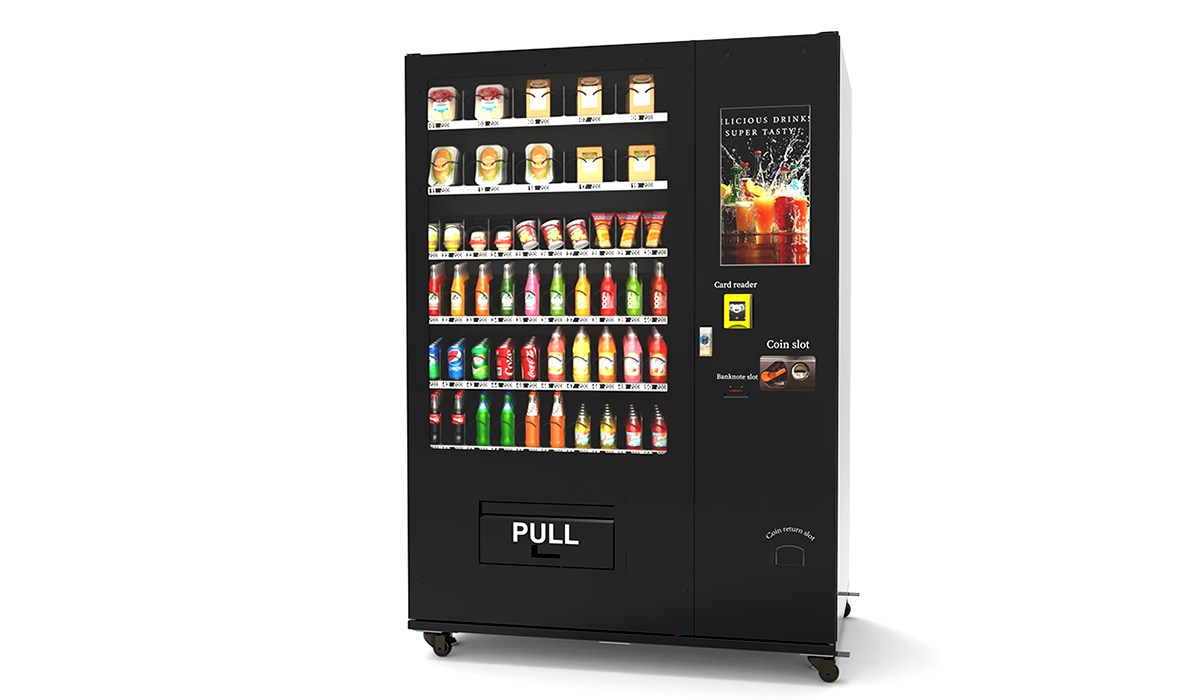
For Las Vegas, I recommend machines with the following specifications: a refrigeration system rated for ambient temperatures up to 120°F, a durable steel cabinet with powder coating to resist corrosion from dry heat and occasional moisture, and a payment system that accepts both cash and contactless payments. The trend toward cashless is accelerating. According to a 2023 report from Statista, cashless payments accounted for 41% of all vending machine transactions in the United States, and that number is higher in tourist-heavy markets like Las Vegas.
When I evaluate a manufacturer, I look for three things: parts availability in the US, technical support response time, and build quality consistency. One manufacturer that has consistently met these criteria is Zhongda Smart. Their machines use high-grade compressors and offer modular payment systems that integrate with major cashless platforms. I have deployed several of their units in off-Strip locations, and the maintenance frequency has been lower than comparable machines from other mid-range suppliers. I am not saying they are the only option, but they are worth considering if you want a balance between upfront cost and long-term reliability.
Avoid machines with proprietary locking systems or non-standard component sizes. If the lock breaks and you have to wait three weeks for a replacement from overseas, your machine sits idle. Stick with industry-standard components that local technicians can service.
Cost Breakdown: What You Really Need to Invest
Let me give you a realistic cost picture based on my own deployments. These numbers are estimates based on my experience in the Las Vegas market and may vary depending on your specific situation.
| Expense Category | Low End | Mid Range | High End |
|---|---|---|---|
| New vending machine (combo) | $3,000 | $5,500 | $9,000 |
| Used vending machine | $1,200 | $2,500 | $4,000 |
| Payment system upgrade (cashless) | $400 | $700 | $1,200 |
| Initial inventory (first fill) | $500 | $1,000 | $1,800 |
| Business license and permits | $200 | $400 | $800 |
| Monthly location rent or commission | $50 | $200 | $500 |
| Monthly restocking cost (labor + product) | $300 | $600 | $1,200 |
| Annual maintenance and repairs | $200 | $500 | $1,000 |
Based on these figures, a single machine deployment in a decent location typically requires an initial investment between $4,000 and $8,000. I have seen operators start with a single used machine for under $2,500, but those machines often require more frequent repairs and may not support cashless payments, which limits sales potential.
Revenue Expectations and Payback Period
Revenue varies wildly by location. In a high-traffic hotel employee area, I have seen machines generate $800 to $1,200 per month. In a quiet office building with 50 employees, monthly revenue might be $200 to $400. My average across 15 machines in the Las Vegas area is approximately $450 per machine per month. Gross margins on vending machine products typically range from 25% to 40%, depending on the product mix. Cold drinks have lower margins but higher volume. Snacks have higher margins but lower turnover.
Using a conservative estimate of $450 monthly revenue with a 30% gross margin, you generate $135 in gross profit per machine per month. If your total monthly fixed costs (rent, restocking labor, maintenance reserve) are $80, your net profit is around $55 per machine per month. That means a $6,000 machine takes about 109 months to pay back, which is too long. But if you place a machine in a strong location generating $900 per month, your net profit jumps to $190 per month, and payback drops to 32 months. The difference is location quality.
I have seen operators achieve payback in 18 months on well-placed machines in high-traffic locations. I have also seen machines that never paid back because the operator ignored warning signs like declining foot traffic or changing tenant demographics.
Common Mistakes I See New Operators Make
The most frequent mistake is buying a machine before securing a location. I have met people who purchased three machines, then spent months trying to find places to put them. By the time they found a location, the warranty had expired and the machine had been sitting in storage. Always secure your location first, then buy the machine that fits that location.
Another mistake is underestimating the importance of cashless payments. Las Vegas is a cash-heavy city in some respects, but tourists and younger demographics expect to tap a card or phone. According to a 2022 study by the National Automatic Merchandising Association (NAMA), machines equipped with cashless payment systems see an average 25% increase in sales compared to cash-only machines. I have seen even higher lifts in tourist areas.
New operators also tend to overstock at the beginning. They fill every slot with product, then watch 40% of it expire or go stale. Start with a lean inventory, track what sells in the first two weeks, and adjust. You can always add more slots later.
Finally, many beginners ignore the importance of vending machine repair readiness. They assume the machine will work perfectly for years. When the card reader fails or the refrigeration unit stops cooling, they panic and lose days of sales. Establish a relationship with a local vending machine repair technician before you deploy your first machine. Know their response time and hourly rate. This simple step can save you hundreds of dollars in lost revenue.
Self-Service Kiosk vs. Traditional Vending Machine
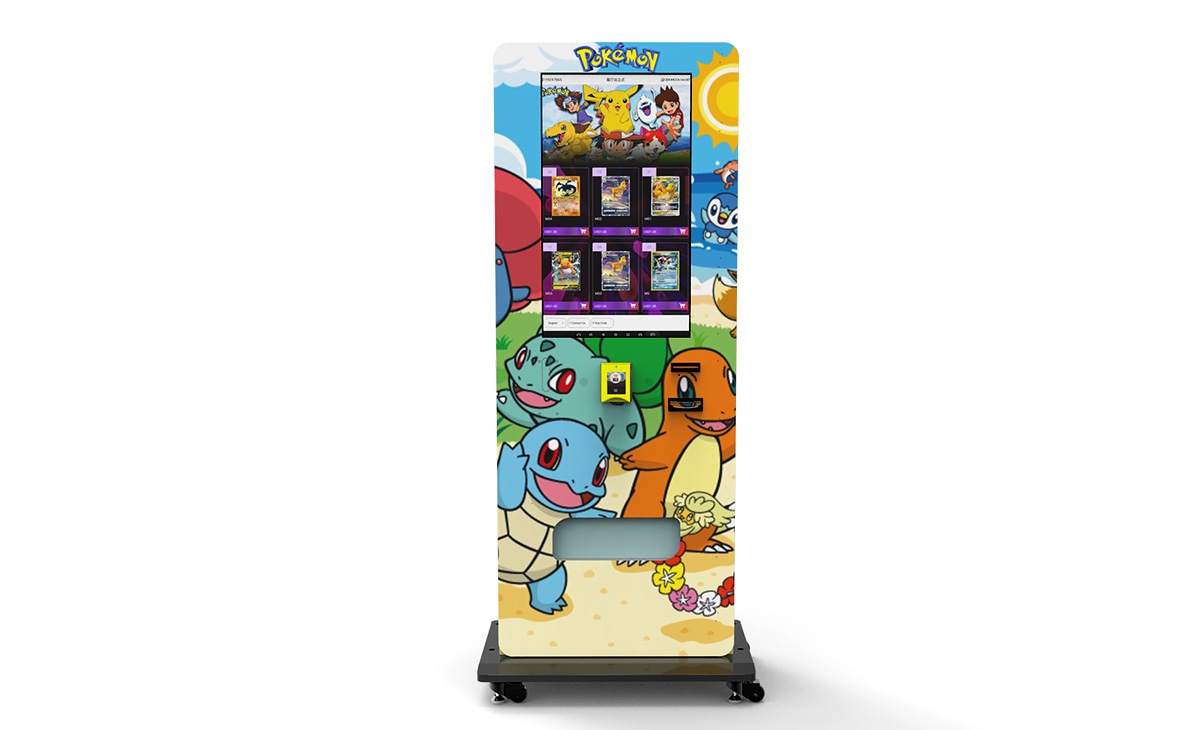
In recent years, self-service kiosks have entered the automated retail space. These are not your grandfather's vending machines. They offer touchscreen interfaces, dynamic pricing, and the ability to sell higher-value items like electronics or personal care products. For Las Vegas, self-service kiosks work well in hotels that want to offer amenities without staffing a gift shop. They also work in convention centers where attendees need charging cables, headphones, or toiletries.
However, self-service kiosks come with higher upfront costs, typically $8,000 to $15,000 per unit, and more complex maintenance requirements. The software needs regular updates, and the touchscreens are vulnerable to vandalism. I recommend self-service kiosks only for operators who have experience with traditional vending machines and who have a location that justifies the higher investment.
For most new operators, a traditional vending machine or a combo machine (snacks and drinks in one unit) is the better starting point. The technology is proven, repair parts are widely available, and the learning curve is manageable.
Permits, Licenses, and Legal Considerations
Operating vending machines in Las Vegas requires several permits. You need a Clark County business license, which costs approximately $200 to $400 per year depending on your business structure. You also need a Nevada Sales Tax Permit, which is free but requires you to collect and remit sales tax on all sales. The current sales tax rate in Clark County is 8.38% as of 2024.
If you sell food items that require refrigeration, you may need a permit from the Southern Nevada Health District. Their requirements include maintaining temperature logs and using equipment that meets NSF standards. I recommend checking their website for the latest requirements before you purchase any equipment.
You should also have a written agreement with the property owner where you place your machine. The agreement should specify the commission percentage or flat rent, who is responsible for electricity, and the terms for termination. I have seen operators lose machines because they had no written agreement and the property owner changed management. A simple one-page contract protects both parties.
How to Choose a Vending Machine Supplier
Choosing the right supplier is critical. I evaluate suppliers based on four criteria: parts availability in the US, technical support quality, warranty terms, and build quality. Avoid suppliers that cannot provide a US-based parts warehouse. If a part breaks and it has to ship from overseas, you will wait weeks.
Zhongda Smart is one supplier that meets these criteria. They have a US parts distribution network and offer technical support in English during business hours. Their machines use standard components, which means local technicians can service them without specialized training. I have used their combo machines in several locations and found the build quality consistent. That said, I always recommend visiting a supplier's booth at a trade show like the NAMA Show before making a large purchase. Seeing the machine in person tells you more than any spec sheet.
Be wary of suppliers that offer machines at prices significantly below market average. There is usually a reason for the low price, and it is rarely in your favor. Cheap machines often have undersized refrigeration units, thin steel cabinets that dent easily, and payment systems that are difficult to upgrade.
Restocking and Maintenance Best Practices
Restocking efficiency directly affects your profitability. I use a simple route optimization system. I group machines by geographic proximity and restock them on the same day. This reduces driving time and fuel costs. For a typical machine, I restock once per week. High-traffic machines may need restocking twice per week. Low-traffic machines can go 10 to 14 days, but I check them at least every two weeks to remove expired products and clean the machine.
Maintenance is a different challenge. I set aside 10% of monthly revenue for a maintenance reserve. This covers unexpected repairs like a failed compressor or a broken payment system. I also perform a quarterly deep clean of each machine, including the refrigeration coils and the interior cabinet. Dust buildup on coils is a major cause of cooling failures in Las Vegas. A simple quarterly cleaning can extend the life of your refrigeration unit by years.
For vending machine repair, I keep a small stock of common spare parts: card reader, keypad, control board fuse, and a few door switches. This allows me to fix most common issues myself without waiting for a technician. For major repairs like compressor replacement, I call a licensed technician. The average cost for a technician visit in Las Vegas is $150 to $250, plus parts.
Scaling Up: When to Add More Machines
Once you have one machine running profitably for six months, you can consider scaling. I recommend adding machines one at a time, not in batches. Each new location requires the same due diligence: traffic analysis, break-even calculation, and contract negotiation. Scaling too fast is a common cause of failure. I have seen operators buy ten machines at once, then realize they cannot manage the restocking and maintenance load.
The ideal scaling strategy is to build a route of 10 to 15 machines within a 15-mile radius. This keeps restocking efficient and allows you to respond quickly to maintenance issues. Beyond 15 machines, you may need to hire a part-time employee for restocking and basic repairs.
Real Data Points from the Industry
To ground this discussion in data, I refer to two sources. First, a 2023 report from IBISWorld on the vending machine operators industry in the US shows that the average profit margin for vending machine operators is approximately 6.5% after all expenses. That is a thin margin, which underscores the importance of location quality and operational efficiency. Second, a 2022 survey by the National Automatic Merchandising Association (NAMA) found that 67% of vending machine operators reported increased revenue after upgrading to cashless payment systems. These numbers align with my own experience.
FAQ: Answers to Common Questions
Are vending machines profitable in Las Vegas?
Yes, but profitability depends heavily on location, product mix, and operational discipline. A well-placed machine in a high-traffic employee area can generate $800 to $1,200 per month. A poorly placed machine may never break even. Most operators I know earn a modest income from a small route, not a fortune.
How much does a vending machine cost?
A new combo machine costs between $3,000 and $9,000. Used machines range from $1,200 to $4,000. You also need to budget for payment system upgrades, initial inventory, permits, and installation. Total startup cost for a single machine is typically $4,000 to $8,000.
How long does it take to pay back a vending machine?
Payback periods vary from 18 months to 5 years, depending on location and revenue. In my experience, a machine generating $600 per month with a 30% margin pays back in about 3 years. Machines in weaker locations may never pay back.
Should a beginner buy or lease a vending machine?
I recommend buying a used machine from a reputable supplier for your first machine. Leasing often comes with restrictive terms and higher long-term costs. Once you have experience, you can evaluate leasing options for scaling.
Where should I place my first vending machine?
Look for locations with consistent foot traffic and dwell time. Employee break rooms, warehouse facilities, laundromats, and medical office waiting areas are good starting points. Avoid seasonal locations like event venues for your first machine.
What permits do I need?
You need a Clark County business license, a Nevada Sales Tax Permit, and possibly a health permit from the Southern Nevada Health District if you sell perishable food. Check with local authorities for the most current requirements.
How do I choose a vending machine supplier?
Look for suppliers with US-based parts warehouses, English-language technical support, and good warranty terms. Zhongda Smart is one option that meets these criteria. Visit trade shows to see machines in person before buying.
What happens if my machine breaks?
Establish a relationship with a local vending machine repair technician before you deploy your first machine. Keep a small stock of common spare parts. Budget 10% of monthly revenue for maintenance reserves.
How can I reduce restocking and maintenance costs?
Group machines by geographic proximity for efficient routing. Use sales data to optimize inventory and reduce waste. Perform quarterly deep cleaning to prevent cooling failures. Track expiration dates and rotate stock regularly.
This guide reflects my personal experience operating vending machines in Las Vegas since 2013. Every location is different, and your results will vary. Do your own due diligence, start small, and learn from each machine before scaling. The automated retail business rewards patience and attention to detail, not shortcuts.
Sources:
- Statista, "Share of cashless vending machine transactions in the United States from 2019 to 2023," 2023. Statista Report
- National Automatic Merchandising Association (NAMA), "Cashless Payment Impact on Vending Machine Sales," 2022. NAMA Resource
- IBISWorld, "Vending Machine Operators Industry in the US - Market Research Report," 2023. IBISWorld Report
本文更新于2025年5月