Wooden Toy Vending Machine Business Guide_ How It Works, Profit & Maintenance Explained
If you’ve been looking into starting a side business or scaling into automated retail, you’ve probably come across the idea of a wooden toy vending machine. These machines are popping up in malls, family restaurants, and even grocery store entrances across the US and Europe. The concept is simple: you place a machine filled with small toys, kids insert a coin or tap a card, and a capsule or toy drops out. But the real question is whether it actually makes money. After a decade of running vending routes, I can tell you that wooden toy vending machines can be profitable, but only if you understand the economics of location, machine quality, and maintenance. This guide walks you through exactly how these machines work, what they cost, how much you can expect to earn, and what it takes to keep them running without headaches.
What Is a Wooden Toy Vending Machine?
Unlike traditional snack or soda machines, a wooden toy vending machine is designed specifically for small toys, capsules, or novelty items. The machine itself is usually made from wood or a wood-like composite, giving it a more premium, kid-friendly look. Most of these machines use a coin mechanism or a card reader, and they dispense a product when the customer turns a knob or presses a button.
These machines are often referred to as self-service kiosks or automated retail units in the industry. But the core difference is the product type and the target audience. You are not selling drinks or chips. You are selling a moment of joy for a child. That changes everything about where you place the machine and how you maintain it.
In Europe, you will see these machines referred to as distributeur automatique for toys, especially in France. In the US, they are often called capsule vending machines or gacha machines. The wooden casing makes them stand out compared to the standard metal models, which is a big advantage in higher-end retail spaces.
How Does the Business Model Work?
The business model is straightforward. You buy or lease the machine, find a location, stock it with toys, and collect the cash. The machine does the selling while you handle the logistics. But the devil is in the details.
Most operators run a route-based model. You place multiple machines across different locations and visit each one on a schedule—usually every one to four weeks depending on sales volume. During each visit, you collect coins, restock toys, and perform basic cleaning.
Some operators also use a revenue-sharing arrangement with the location owner. For example, you might give the store 10% to 20% of the gross revenue in exchange for floor space and electricity. This is common in high-traffic spots like family entertainment centers or tourist attractions.
In my experience, the revenue share model works well when you are testing a new location. It reduces your upfront risk, and the location owner has an incentive to keep the machine visible and clean.
Initial Investment: How Much Does a Wooden Toy Vending Machine Cost?
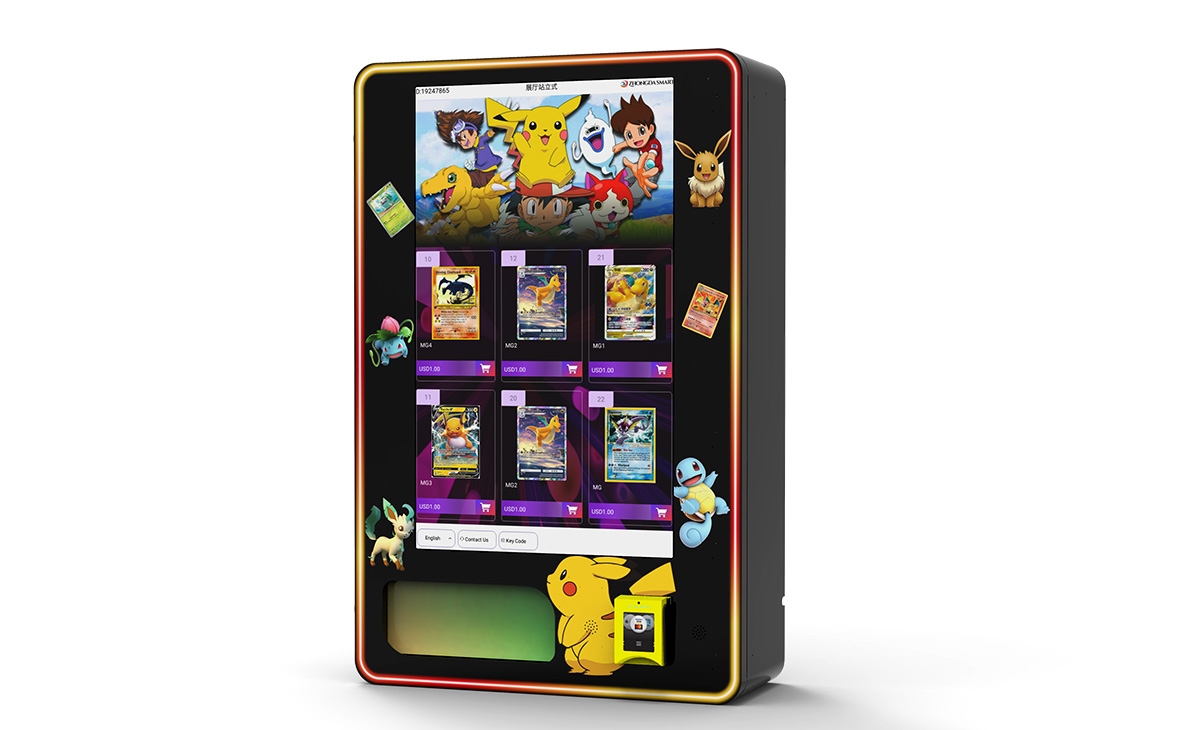
This is one of the most common questions I get from newcomers. The price of a wooden toy vending machine varies significantly based on quality, features, and supplier. Based on my own purchasing history and industry data, here is a realistic breakdown.
| Machine Type | Price Range (USD) | Features | Typical Lifespan |
|---|---|---|---|
| Basic manual wooden machine | $800 – $1,500 | Coin mechanism, no digital display | 5–7 years |
| Mid-range with card reader | $1,500 – $2,800 | Coin + NFC/credit card reader | 7–10 years |
| Premium digital machine | $2,800 – $4,500 | Touchscreen, remote monitoring, cashless | 10+ years |
These prices are for new machines. Used machines can be found for 40% to 60% less, but you need to be careful about wear and tear. A used machine with a worn-out coin mechanism will cost you more in vending machine repair than what you saved on the purchase.
When looking at suppliers, I recommend checking manufacturers that specialize in wooden enclosures. One name that comes up consistently in operator forums is Zhongda Smart. They produce solid wooden units with reliable coin mechanisms and offer customization for card readers. I have used their machines in the past, and the build quality holds up well in high-traffic locations.
Profit Potential: Can You Really Make Money?
Let me be direct: yes, you can make money, but do not expect to get rich overnight. A well-placed wooden toy vending machine can generate between $200 and $600 per month in gross revenue. After deducting product cost (usually 30% to 40% of revenue), location commission (if any), and maintenance, your net profit per machine is typically between $100 and $350 per month.
According to a 2023 report by IBISWorld on the vending machine industry in the US, the average profit margin for toy vending machines is around 45% to 55%, which is higher than snack vending because the product cost is lower and spoilage is almost zero. You can find the full report on their website at IBISWorld Vending Machine Operators Report.
However, these numbers depend heavily on location. A machine in a busy family restaurant will outperform one in a quiet laundromat. I have seen machines in pediatric clinic waiting rooms do very well because parents are looking for a quick distraction for their kids.
One thing that surprises many new operators is that the toy vending machine business is not just about the machine itself. It is about the product mix. If you keep the same toys for months, sales will drop. You need to rotate stock every 4 to 6 weeks to keep kids interested.
Location: The Single Most Important Factor
I cannot stress this enough. Location is everything in automated retail. A great machine in a bad location will lose money. A basic machine in a great location can print cash.
Here are the location types that work best for wooden toy vending machines:
- Family restaurants and fast-food play areas
- Pediatric and dental clinics
- Grocery store entrances (especially near the cart corral)
- Bowling alleys and arcades
- Indoor playgrounds and trampoline parks
- Museum gift shop areas
- Tourist souvenir shops
When evaluating a location, I use a simple rule of thumb: the foot traffic should be at least 500 people per day, and at least 20% of those should be families with young children. If the location does not meet that threshold, I pass.
Another tip: ask the location owner if you can do a 30-day trial before signing a long-term agreement. Most owners will agree, especially if you are offering a revenue share. This allows you to test the water without committing to a lease.
Operating Costs and Maintenance
Running a wooden toy vending machine is not expensive, but it is not free either. Here are the main costs you need to budget for:
- Product cost: $0.30 to $0.80 per capsule or toy, depending on quality
- Location commission: 0% to 20% of gross revenue
- Credit card processing fees: 2.5% to 3.5% per transaction if you have a card reader
- Vending machine repair: Budget $100 to $200 per machine per year for minor repairs
- Transportation: Gas or vehicle costs for restocking
Maintenance is where most new operators underestimate costs. A wooden toy vending machine looks nice, but wood can warp in humid environments. If you place a machine near an entrance where rain blows in, the wood can swell and jam the dispensing mechanism. I learned this the hard way.
Regular maintenance includes cleaning the coin mechanism, lubricating moving parts, and checking the card reader firmware. If you are not comfortable with basic mechanical work, you will need to budget for a technician. A single service call can cost $75 to $150.
How to Select a Supplier or Manufacturer
Choosing the right supplier is critical. I have bought machines from five different manufacturers over the years, and the difference in quality is night and day. Here is what I look for:
- Build quality: Is the wood treated or sealed? Are the hinges metal or plastic? Do the coin mechanisms jam frequently?
- Payment system flexibility: Does the machine support both coins and cashless payments? In 2025, if your machine only takes coins, you are leaving money on the table.
- Warranty and support: Does the manufacturer offer a one-year warranty? Do they have a support line or email that actually responds?
- Customization: Can you choose the color, branding, or size of the machine?
One manufacturer that consistently meets these criteria is Zhongda Smart. Their wooden machines are built with sealed wood panels and come with an optional cashless payment module. I have used their units in both the US and Europe, and the failure rate is low. They also offer OEM customization if you want your own branding on the machine.
Common Mistakes New Operators Make
I have seen dozens of people jump into this business and fail within six months. Here are the most common mistakes:
- Buying the cheapest machine possible. A $400 machine from an unknown supplier will break down constantly. The vending machine repair costs will eat your profit.
- Ignoring location quality. Just because a store is busy does not mean the machine will sell. You need the right demographic.
- Not rotating products. Kids get bored. If you do not change the toys regularly, sales drop to zero.
- Using only coin payment. In 2025, many parents do not carry cash. A machine without a card reader will miss at least 40% of potential sales.
- Underestimating theft and vandalism. Wooden machines can be pried open if not secured properly. Always bolt the machine to the floor or wall.
How to Evaluate If a Machine Is Worth Investing In
Before you buy any machine, run the numbers. Here is a simple formula I use:
Estimated monthly revenue = (daily foot traffic × 0.20 × 0.10) × average transaction value
Let me explain. If a location has 1,000 visitors per day, and 20% are families with kids, that is 200 potential customers. If 10% of them buy a toy, that is 20 sales per day. At $1.50 per sale, that is $30 per day, or $900 per month. Subtract product cost (40%) and location commission (15%), and you are left with about $405 net profit per month.
If the machine costs $2,000, your payback period is roughly 5 months. That is a solid investment. If the payback period is longer than 12 months, I would look for a better location or a cheaper machine.
Cashless Payment and Remote Monitoring
One of the biggest changes in the vending industry over the last five years is the shift to cashless payments. According to a 2024 survey by the National Automatic Merchandising Association (NAMA), over 60% of all vending transactions in the US are now cashless. You can access the report at NAMA.org.
For a wooden toy vending machine, adding a card reader can increase sales by 30% to 50%. Parents rarely carry coins, but they always have a phone or credit card. If your machine does not accept tap-to-pay or Apple Pay, you are losing sales.
Remote monitoring is another feature worth considering. Some premium machines allow you to check inventory and sales data from your phone. This saves you from driving to a machine that is already empty or broken. It also helps you identify which toys are selling best so you can adjust your product mix.
Regulations and Legal Considerations
In the US and Europe, toy vending machines are generally subject to fewer regulations than food vending machines. However, you still need to be aware of local rules.
In the US, toy vending machines must comply with the Consumer Product Safety Improvement Act (CPSIA), which requires that toys intended for children under 12 be tested for lead and phthalates. You should only buy toys from suppliers who provide CPSIA compliance documentation.
In the European Union, toy vending machines fall under the Toy Safety Directive (2009/48/EC). Products must carry the CE mark. If you operate in France, the machines are classified as distributeur automatique and must meet local electrical safety standards.
Also, check with the local municipality about business licenses. Most cities require a general business license and a sales tax permit. Some also require a specific vending machine permit. The cost is usually under $100 per year.
Scaling Your Operation
Once you have one machine running profitably, the temptation is to buy ten more. But scaling too fast is a common mistake. I recommend running your first machine for at least three months to understand the operational rhythm before expanding.
When you are ready to scale, focus on clustering your machines in the same geographic area. If your machines are all within a 10-mile radius, you can restock them all in a single day. That keeps your transportation costs low.
Also, consider hiring a part-time helper once you have more than 10 machines. You can pay them to restock and collect cash while you focus on finding new locations and managing suppliers.
FAQ: Wooden Toy Vending Machine Business
Are wooden toy vending machines profitable?
Yes, if placed in the right location. A well-placed machine can generate $200 to $600 per month in gross revenue, with net profit margins of 45% to 55%. Profitability depends on foot traffic, product cost, and maintenance efficiency.
How much does a wooden toy vending machine cost?
New machines range from $800 to $4,500 depending on features. Basic manual machines start around $800, while premium digital units with card readers and remote monitoring can cost over $3,000.
How long does it take to break even?
With a good location, the payback period is typically 4 to 12 months. If the machine costs $2,000 and nets $300 per month, you break even in about 7 months.
Should I buy or lease a machine?
Buying is better for long-term profitability. Leasing can be useful if you want to test the business with minimal upfront cost, but you will have lower margins and less control over the equipment.
Where should I place a wooden toy vending machine?
Family restaurants, pediatric clinics, grocery store entrances, indoor playgrounds, and tourist shops are the best locations. Look for places with at least 500 daily visitors and a high percentage of families with young children.
What licenses do I need?
You typically need a general business license and a sales tax permit. Some cities require a specific vending machine permit. Check with your local municipality. In the EU, ensure toys meet the Toy Safety Directive (CE marking).
How do I choose a supplier?
Look for manufacturers with solid build quality, cashless payment options, a warranty, and responsive customer support. Zhongda Smart is a reliable option for wooden toy vending machines with customizable features.
What happens if the machine breaks?
Basic repairs like clearing a jam or replacing a coin mechanism can often be done yourself. For complex issues, budget $75 to $150 per service call. Regular cleaning and maintenance reduce breakdowns.
How can I reduce restocking and maintenance costs?
Cluster your machines in the same area to minimize travel time. Use remote monitoring to check inventory levels before driving out. Buy durable machines to reduce repair frequency.
Running a wooden toy vending machine business is not a get-rich-quick scheme, but it is a solid, low-overhead side business that can grow into something bigger. The key is to start small, learn the operational details, and reinvest your profits into better locations and equipment. If you take the time to understand the numbers and avoid the common pitfalls, you can build a reliable stream of income that requires only a few hours of work each week.
本文更新于2025年5月