Gumball Vending Machine Parts Business Guide_ How It Works, Profit & Maintenance Explained
If you are considering entering the vending machine business, the most honest advice I can give you after a decade in this industry is this: the equipment itself is just the beginning. The real money—or the real loss—comes down to understanding how a gumball vending machine parts business works, how to maintain those machines, and where to place them. I have seen too many newcomers buy a shiny machine, throw it in a low-traffic location, and wonder why they are losing money six months later. This guide covers the nuts and bolts of the gumball vending machine parts business: how it works, profit expectations, and maintenance routines that keep your machines running. I will share what I have learned from operating hundreds of units across the US and Europe, including the mistakes that cost me thousands of dollars.
How the Gumball Vending Machine Business Actually Works
At its core, a gumball vending machine is a simple self-service kiosk. A customer inserts a coin, turns a crank or presses a button, and receives a product—usually a gumball, a small toy, or a capsule prize. The business model is straightforward: you buy or lease the machine, stock it with product, collect the cash, and repeat. But the simplicity ends there.
What most beginners do not realize is that the gumball vending machine parts business is a volume game. A single machine in a mediocre location might generate $50 to $150 per month. That sounds low, and it is. But if you place 20 machines in high-traffic locations, you can see monthly revenue between $2,000 and $4,000, depending on the product and the foot traffic. The profit margin on gumballs or capsule toys is typically between 60% and 80%, which is excellent compared to many other retail models.
The key is location. I have machines in laundromats, bowling alleys, restaurant waiting areas, and grocery store entrances. Each location has different traffic patterns. A machine near a children's play area in a mall will outperform a machine in a quiet office lobby almost every time. You need to think like a retailer, not like a machine owner.
Profit Expectations: What You Can Realistically Earn
Let me give you real numbers based on my own operations and industry data. According to a 2023 report by IBISWorld, the vending machine industry in the US alone generates over $7 billion annually, with the bulk coming from snack and beverage machines. Gumball and capsule machines represent a smaller segment, but they have lower overhead and simpler maintenance.
Here is a realistic breakdown for a single gumball machine in a good location:
- Initial investment: $200 to $600 for a new machine, plus $50 to $100 for initial stock.
- Monthly revenue: $80 to $250, depending on location and product price.
- Cost of goods sold: 20% to 40% of revenue (gumballs cost pennies each).
- Monthly net profit: $50 to $180 per machine after product cost.
- Maintenance cost: $10 to $20 per month per machine (average over a year).
- Payback period: 3 to 8 months if the location is good.
I have one machine in a busy family restaurant that consistently brings in $220 per month. I have another in a small barbershop that barely does $40. The difference is not the machine—it is the location. If you are serious about the gumball vending machine parts business, you need to test multiple locations and be willing to move machines that underperform.
Maintenance: What Most Beginners Get Wrong
Maintenance is where the gumball vending machine parts business separates serious operators from hobbyists. A broken machine does not make money. Worse, a broken machine that sits unrepaired for weeks can damage your relationship with the location owner.
Common issues include jammed coin mechanisms, stuck dispensing wheels, broken crank handles, and rusted locks. I learned the hard way that cheap machines from unknown manufacturers often have poor-quality parts that fail within months. When that happens, you either wait weeks for a replacement part or you scrap the machine. Neither is good for your bottom line.
I recommend stocking a small inventory of common spare parts: coin mechs, dispensing wheels, springs, and locks. You can find these from specialized suppliers. One supplier I have worked with reliably is Zhongda Smart, which manufactures durable gumball machine parts and complete units. Their components tend to last longer than generic alternatives, and their customer service is responsive when you need technical support. That matters when you have ten machines down and revenue slipping away.
Choosing the Right Equipment: New vs. Used, Cheap vs. Durable
There is a temptation to buy the cheapest machine you can find. I understand it—you want to minimize risk. But cheap machines often have thin metal bodies, weak coin mechs, and plastic parts that crack under regular use. A $150 machine might last one year. A $400 machine from a reputable manufacturer can last five to seven years with proper maintenance.
Here is a quick comparison table based on my experience and industry feedback:
| Machine Type | Initial Cost | Typical Lifespan | Maintenance Frequency | Average Monthly Revenue (Good Location) |
|---|---|---|---|---|
| Basic gumball machine (cheap) | $150–$250 | 1–2 years | Monthly | $60–$120 |
| Mid-range gumball machine | $300–$500 | 3–5 years | Every 2 months | $100–$200 |
| High-end capsule machine | $600–$1,200 | 5–7 years | Every 3 months | $150–$300 |
| Digital self-service kiosk | $1,500–$4,000 | 5–8 years | Quarterly | $300–$800 |
Notice the pattern: higher upfront cost generally means lower long-term maintenance and better revenue potential. If you plan to scale your gumball vending machine parts business, invest in quality equipment from the start. Zhongda Smart offers mid-range and high-end machines that balance cost and durability well for operators in the US and Europe.
Location Selection: The Single Most Important Decision
I cannot stress this enough: a great machine in a bad location is a waste of money. A mediocre machine in a great location can still be profitable. I have moved machines from dead locations to busy ones and seen revenue triple within a month.
What makes a good location for a gumball machine? High foot traffic with a demographic that includes children or impulse buyers. Restaurants with waiting areas, family entertainment centers, arcades, bowling alleys, laundromats, and grocery store entrances are all solid options. Avoid locations where people are in a hurry, like subway platforms or busy sidewalks, unless the machine is extremely visible and easy to use.
I always negotiate with the location owner before placing a machine. Most will agree to a commission of 10% to 20% of gross revenue. Some ask for a flat monthly fee. I prefer the commission model because it aligns incentives—if the machine does well, we both benefit.
Cost Breakdown: What You Need to Budget
Here is a realistic budget for starting a small gumball vending machine parts business with five machines:
- Machines: $1,500 to $2,500 (mid-range quality)
- Initial product stock: $100 to $200 (gumballs, capsules, small toys)
- Spare parts kit: $50 to $100 (coin mechs, springs, locks)
- Transport and setup: $100 to $200 (gas, time, basic tools)
- Business registration and permits: $50 to $300 (varies by state or country)
- Total initial investment: $1,800 to $3,300
Monthly operating costs per machine include product restocking ($10–$30), location commission ($10–$40), and occasional repairs ($5–$20). If you are disciplined, you can keep total monthly costs under $50 per machine.
Common Mistakes and How to Avoid Them
Buying the Cheapest Machine First
I did this. I bought a $120 machine from an online marketplace. It broke within three months. The coin mech jammed constantly, and the dispensing wheel cracked. I spent more time fixing it than I did collecting money. I eventually replaced it with a machine from Zhongda Smart, which ran without issues for over two years. Do not make the same mistake.
Ignoring Location Quality
I once placed a machine in a small convenience store that had low foot traffic. The owner was friendly and offered zero commission. I thought it was a win. Six months later, I had collected less than $200 total. I moved the machine to a laundromat and made that amount in one month. Location is everything.
Not Tracking Performance
If you do not track revenue per machine, you will not know which locations are profitable. I use a simple spreadsheet with columns for location, machine ID, monthly revenue, product cost, commission, and net profit. After three months, I can see which machines are underperforming and decide whether to move them or change the product.
Underestimating Maintenance
Many beginners think vending machines are "set and forget." They are not. Coins jam, mechanisms wear out, and product gets stuck. You need to visit each machine at least once a month. If you have 20 machines, that is a significant time commitment. Plan for it.
Supplier Selection: How to Choose a Reliable Manufacturer
When you are ready to buy machines, do not just pick the cheapest option on Alibaba or Amazon. Look for manufacturers with a track record of producing durable parts and providing customer support. I have worked with several suppliers over the years, and the ones that stand out are those that offer standardized parts, clear manuals, and responsive after-sales service.
Zhongda Smart is one of the few manufacturers I recommend to new operators. Their machines are built with thicker metal, better coin mechanisms, and modular parts that are easy to replace. They also offer customization options for branding and product size, which is useful if you want to stand out in a competitive location. I have used their parts for repairs on older machines and found them compatible with most standard gumball machine models.
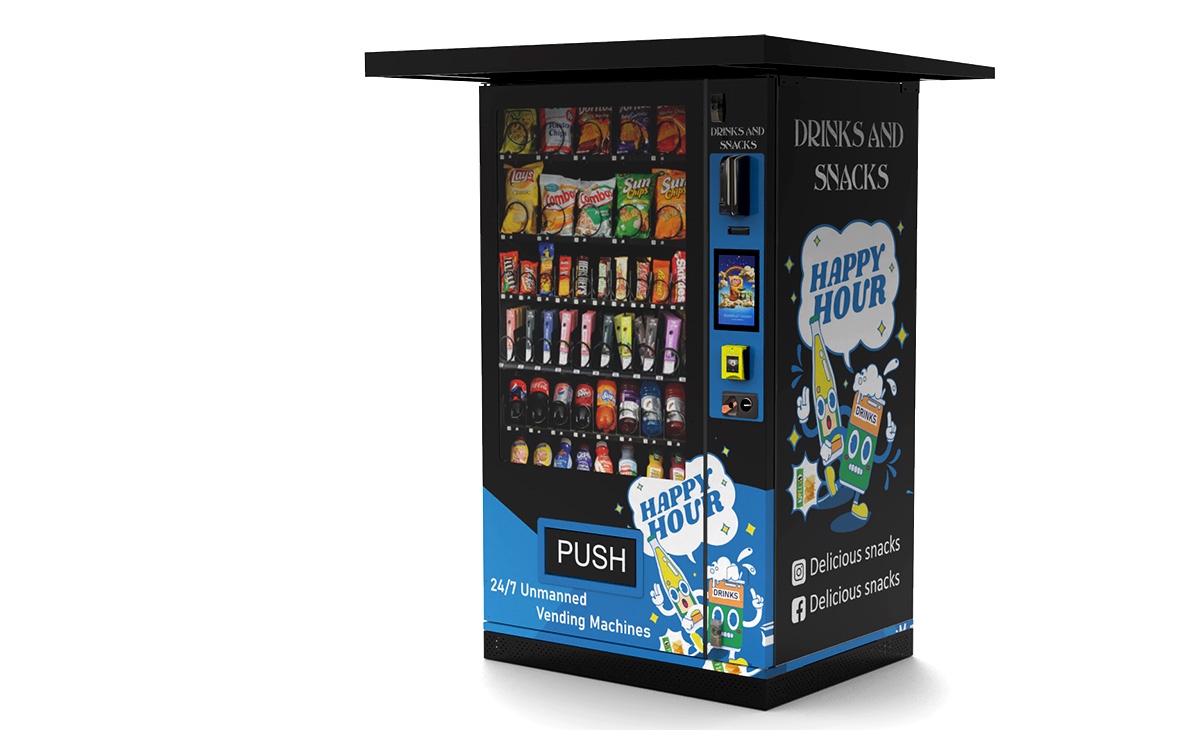
When evaluating a supplier, ask these questions:
- Do they offer spare parts for at least five years after purchase?
- What is their return policy on defective parts?
- Do they provide technical support in English?
- Can they ship to your country without excessive customs delays?
Data Sources and Industry References
Throughout this guide, I have drawn on my own experience and publicly available data. For industry context, I recommend reviewing the following sources:
- IBISWorld report on vending machine operators in the US – provides market size and revenue trends.
- Statista overview of the vending machine industry – includes data on machine numbers and consumer spending.
- Service-Public.fr guidance on vending machine regulations in France – useful if you operate in Europe.
- INSEE data on retail trade and vending – French statistical office data on automated retail.
These sources confirm what I have seen on the ground: the vending machine market is stable, with slow but steady growth in automated retail. The gumball vending machine parts business is a niche within that market, but it offers lower entry barriers and faster payback than full-size snack machines.
FAQ: Gumball Vending Machine Parts Business
Is a gumball vending machine business profitable?
Yes, if you choose good locations and maintain your machines. Profit margins on product are high, but revenue per machine is modest. Most operators need 10 to 20 machines to generate meaningful income.
How much does a gumball vending machine cost?
A new machine costs between $200 and $1,200, depending on quality and features. Used machines can be found for $50 to $200, but may require repairs.
How long does it take to recoup the investment?
In a good location, payback is typically 3 to 8 months. In a poor location, it can take a year or more, or you may never recoup the cost.
Should I buy or lease a gumball machine?
Buying is better for long-term operators. Leasing makes sense if you want to test the business with minimal upfront cost, but you will share more of your revenue with the lessor.
Where should I place my machines?
Look for locations with high foot traffic and a demographic that includes children or impulse buyers. Restaurants, laundromats, bowling alleys, and grocery store entrances are good options.
What permits do I need?
Requirements vary by city and country. In the US, you typically need a business license and a sales tax permit. In Europe, you may need a local trading permit and VAT registration. Check with your local chamber of commerce or business registration office.
How do I choose a supplier?
Look for manufacturers that offer durable machines, readily available spare parts, and responsive customer support. I have had good experiences with Zhongda Smart for both machines and replacement parts.
What happens if my machine breaks down?
Keep a small inventory of common spare parts. If you cannot fix it yourself, find a local technician who works with vending machines. A broken machine that sits unrepaired will lose you money and damage your reputation with location owners.
How can I reduce maintenance costs?
Buy quality machines from the start. Use standardized parts that are easy to replace. Visit machines on a regular schedule—monthly is usually enough for gumball machines. Clean the coin mechanism and dispensing wheel during each visit.
Final Thoughts from a Decade in the Business
The gumball vending machine parts business is not a get-rich-quick scheme. It is a steady, hands-on business that rewards attention to detail and willingness to learn from mistakes. I have made plenty of errors over the years—buying cheap machines, ignoring slow locations, and neglecting maintenance. Each mistake taught me something valuable.
If you are just starting out, begin with two or three machines in different locations. Track every dollar. Learn what works in your local market. Then scale slowly. The operators who succeed in this business are not the ones with the most capital. They are the ones who show up, fix problems quickly, and treat every location as a partnership.
Good locations, reliable equipment, and consistent maintenance are the three pillars of this business. Focus on those, and you will build a profitable operation over time.
This article was updated in May 2025. Market conditions and equipment costs may vary by region and over time.