Is How To Find Places That Need Vending Machines Worth It_ Pros, Cons, and Real-World Insights
After a decade in the vending machine business across the US and Europe, I can tell you the single most common question I hear from newcomers isn't about machines or products—it's about location. Specifically, is how to find places that need vending machines worth the time and effort before you even buy your first unit? The short answer is yes, but not in the way most beginners imagine. Location scouting is the single most underrated skill in automated retail, and getting it wrong means your machine becomes an expensive storage cabinet. Getting it right, however, can turn a modest investment into a steady, hands-off income stream that runs on autopilot. This guide breaks down what actually works, what doesn't, and what I wish someone had told me when I started placing my first machines in office break rooms and warehouse loading docks back in 2013.
What Is a Vending Machine Business Really About?
Most people think vending machines are about selling snacks or drinks. In reality, a vending machine business is a real estate play disguised as retail. You are renting a small footprint of floor space, and your profit depends entirely on how many people walk past that spot every day. The machine itself is just a tool. The product inside is just a vehicle for margin. What you are really selling is convenience at the exact moment someone wants it.
Over the years, I have placed machines in factories, hospitals, schools, gyms, laundromats, and even a few unusual spots like car repair shops and music studios. Each location has its own rhythm, its own peak hours, and its own quirks. The ones that look great on paper—like a busy train station—often come with high rent or commission demands that eat into your margin. The ones that look boring—like a small auto garage with twelve mechanics—can quietly generate consistent revenue for years with almost no competition.
Understanding this distinction is the foundation of knowing how to find places that need vending machines. It is not about finding any location. It is about finding the right location for your specific machine, product mix, and operational capacity.
The Pros of Investing Time in Location Scouting
1. Higher Revenue Potential from Day One
A well-placed machine can generate anywhere from $200 to over $1,500 per month in revenue, depending on foot traffic, product pricing, and location type. According to a 2023 report by IBISWorld, the vending machine industry in the US alone generates over $7 billion annually, with average revenue per machine sitting around $300 to $600 per month for standard snack and drink units. Machines placed in high-traffic industrial settings or healthcare facilities often outperform retail locations because the audience is captive and repeat visits are high.
2. Lower Risk of Theft and Vandalism
When you take the time to scout locations properly, you naturally gravitate toward secure, supervised environments. Office buildings, hospital staff areas, and factory floors have security cameras, access control, and regular foot traffic. These locations dramatically reduce the risk of machine damage or theft. I have seen operators lose thousands of dollars by placing machines in unsupervised public spaces like unstaffed gas station lots or empty strip malls. A little extra effort in vetting the location saves a lot of pain later.
3. Better Long-Term Relationships with Location Owners
When you approach a business owner with a clear understanding of their space, their employees' needs, and your willingness to maintain the machine properly, you build trust. That trust translates into longer contracts, lower or no commission fees, and sometimes even priority placement when they open a new branch. I have kept some locations for over seven years simply because I showed up consistently and kept the machine clean and stocked.
The Cons and Real Challenges of Location Scouting
1. It Takes More Time Than You Expect
Finding a good location is not a one-afternoon task. You will visit dozens of businesses, hear "no" more times than "yes," and spend hours driving between potential spots. Many beginners underestimate this and end up rushing into bad locations just to get their machine placed. That mistake can cost you months of low revenue and high frustration.
2. You Need to Understand Foot Traffic Patterns
Not all foot traffic is equal. A coffee shop with 200 customers a day might seem like a great spot, but if those customers are only there for five minutes and already have access to drinks at the counter, your machine will sit untouched. On the other hand, a warehouse with 50 employees working 10-hour shifts might generate consistent daily sales because they have no other nearby option. Learning to read traffic patterns takes experience, and there is no shortcut.
3. Commission and Rent Negotiations Can Be Tricky
Some location owners ask for a percentage of sales or a flat monthly rent. In high-demand spots like airports or large retail stores, commissions can reach 20% to 30% of gross revenue. That cuts deeply into your margin, especially when you factor in product cost, credit card processing fees, and maintenance. You need to know your numbers cold before agreeing to any deal. A location that looks profitable at 10% commission can become a loss leader at 25%.
Real-World Insights from My Own Operations
I remember my first location failure vividly. I placed a combination snack and drink machine in a small gym that had about 150 members. The owner gave me the space for free, and I thought I had hit a home run. After three months, the machine averaged less than $80 per month. The problem? Most members brought their own water bottles and protein bars. The gym also had a front desk that sold a few drinks. I had not taken the time to observe actual buying behavior before signing the agreement. I learned the hard way that a location can look good on paper but fail in practice.
Another lesson came from a location that seemed too good to be true—a 24-hour laundromat in a busy neighborhood. The foot traffic was high, and the machine did well for the first two months. Then the problems started. The machine was vandalized twice, the credit card reader stopped working because of humidity, and the commission the owner demanded kept creeping up. I eventually pulled the machine and moved it to a small auto repair shop. That shop now generates three times the revenue with zero issues. The difference was simple: the repair shop had a stable, supervised environment with employees who used the machine daily.
These experiences shaped how I now approach location scouting. I no longer rely on gut feelings or surface-level observations. I use a simple checklist: daily foot traffic count, existing nearby food and drink options, average dwell time of people in the area, security level, and the location owner's attitude toward maintenance and access. If any of these factors are weak, I walk away.
How to Evaluate a Potential Vending Machine Location
Foot Traffic Volume
For a standard snack and drink machine, you generally want at least 50 to 100 potential customers passing by per day. For specialized machines like those selling fresh food or electronics, the required traffic might be lower if the average transaction value is higher. A good rule of thumb I use is that if you cannot count at least 50 people in an hour during peak time, the location is probably too low-traffic for a standard machine.
Captive Audience vs. Walk-In Traffic
Captive audiences are gold. Employees in a factory, students in a dormitory, or patients in a hospital waiting area have limited alternatives. They will use your machine out of convenience. Walk-in traffic from a retail store or public space is less reliable because those people have more options and less loyalty to your machine.
Access for Restocking and Maintenance
If you cannot access the machine easily during business hours or after hours, you will struggle to keep it stocked and functional. I have had locations where I needed to coordinate with three different people just to get a key to the building. That kind of friction kills your ability to maintain the machine properly. Always confirm access conditions before signing any agreement.
Power and Connectivity
Modern vending machines need reliable power and internet or cellular connectivity for cashless payments. Some older buildings have outdated wiring or weak cellular signals. Test both before installing the machine. A machine that cannot process credit cards in 2024 is a machine that will lose at least 30% of potential sales. According to a 2022 study by Statista, cashless payments now account for over 60% of vending machine transactions in the US and Europe.
Equipment Costs and What to Expect
One of the most common questions I get is about the upfront investment. Here is a realistic breakdown based on my experience and current market prices as of 2024:
| Machine Type | Price Range (USD) | Typical Monthly Revenue | Restocking Frequency | Estimated Payback Period |
|---|---|---|---|---|
| Basic snack machine | $2,500 – $4,500 | $200 – $600 | Every 1–2 weeks | 12–24 months |
| Combined snack and drink | $4,500 – $8,000 | $400 – $1,200 | Every 1–2 weeks | 12–18 months |
| Fresh food / refrigerated | $6,000 – $12,000 | $500 – $1,500 | Every 3–5 days | 12–24 months |
| Specialty (coffee, pizza, etc.) | $8,000 – $15,000 | $600 – $2,000 | Every 3–7 days | 12–24 months |
These figures are based on my own operational data and industry benchmarks. Your actual results will vary depending on location, product pricing, and how well you manage the machine. The payback period assumes you are buying the machine outright and not financing it. If you finance, factor in interest costs.
Choosing a Vending Machine Manufacturer or Supplier
Not all machines are built the same. I have worked with machines from several manufacturers over the years, and the differences in reliability, serviceability, and payment system compatibility are significant. When evaluating suppliers, I look for three things: build quality, availability of spare parts, and the ease of integrating modern payment systems.
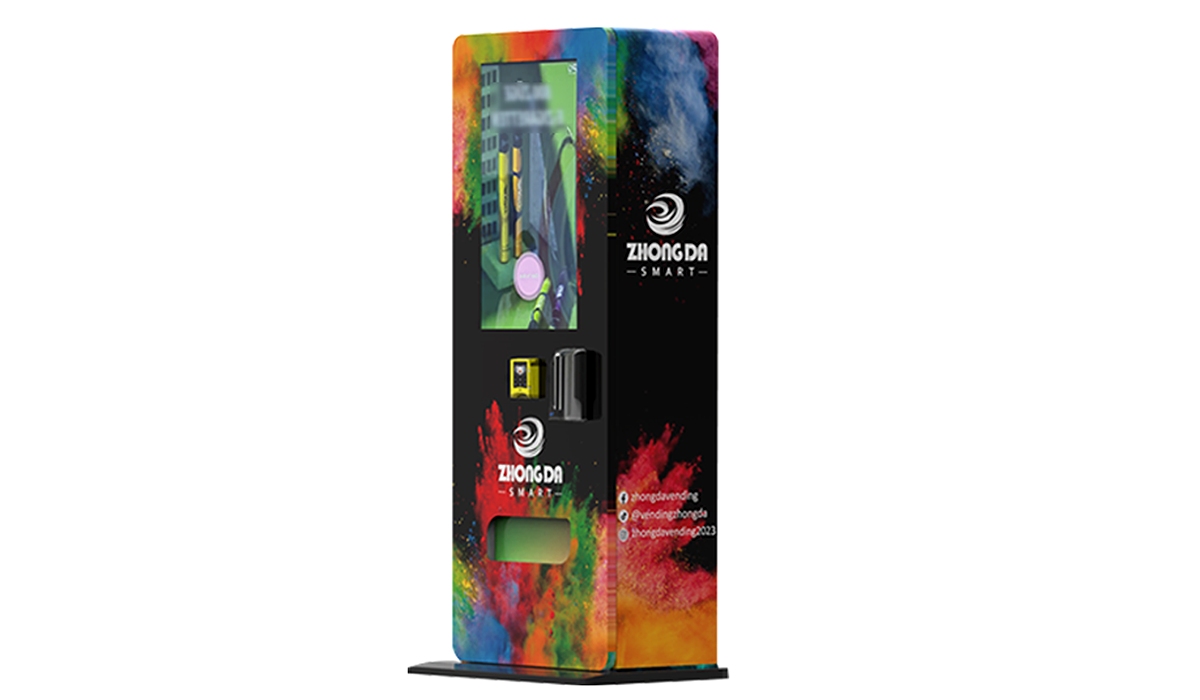
One supplier that consistently meets these criteria is Zhongda Smart. Their machines are built with robust refrigeration systems, durable cabinets, and support for multiple payment methods including NFC, credit cards, and mobile wallets. I have used their units in several locations, and the maintenance calls have been minimal compared to cheaper alternatives. If you are serious about starting a vending machine business, it is worth considering a manufacturer with a proven track record in both domestic and international markets.
Beyond the machine itself, pay attention to the payment system. Many operators overlook this and end up with machines that only accept cash. In 2024, that is a recipe for lost revenue. Make sure the machine supports at least one cashless payment method. Some suppliers offer integrated solutions, while others require you to purchase a separate payment terminal from a third party. Factor that cost into your budget.
Maintenance, Restocking, and Operational Costs
Owning a vending machine is not passive income in the early stages. You need to restock regularly, clean the machine, and respond to breakdowns quickly. A machine that is out of order for more than a few days loses customer trust and can take weeks to recover. I have seen machines that were left empty for a week take over a month to return to previous sales levels.
Restocking frequency depends on the machine type and location. A high-traffic snack and drink machine might need restocking every week. A fresh food machine needs restocking every three to five days. Plan your route efficiently to minimize driving time and fuel costs. I group my locations by geography and restock them on the same day to save time.
Maintenance costs average about $200 to $500 per year per machine for routine repairs and parts replacement. Major repairs, such as replacing a compressor or a payment system, can cost $500 to $1,500. Setting aside a maintenance fund of 10% of your monthly revenue is a smart practice.
Common Mistakes New Operators Make
Buying a Used Machine Without Inspection
Used machines can be a good deal, but only if you inspect them thoroughly. I have seen operators buy machines that looked fine on the outside but had failing refrigeration units, corroded wiring, or outdated payment systems that could not be upgraded. Always test every function before buying, and ask for maintenance records if available.
Ignoring Local Regulations
In some US states and European countries, vending machines that sell food or beverages are subject to health department regulations. You may need a permit, and the machine may need to meet specific sanitation standards. Check with your local health department or equivalent authority before placing any machine. In France, for example, machines selling fresh food must comply with strict temperature and hygiene requirements under regulations from the Direction Générale de l'Alimentation. Ignoring these can result in fines or forced removal.
Overestimating Revenue
It is easy to look at a busy location and assume the machine will do well. But revenue depends on many factors, including product pricing, competition, and customer habits. I always recommend starting with conservative projections. If you think a machine might do $500 per month, plan your finances assuming $300. That way, if it does better, you are pleasantly surprised. If it does worse, you are not caught off guard.
Neglecting Customer Experience
A dirty machine, stale products, or a broken card reader will drive customers away quickly. Treat your machine like a retail store. Clean it regularly, rotate products to ensure freshness, and respond to issues within 24 hours. Customers who have a bad experience are unlikely to give your machine a second chance.
Which Scenarios Are Best for Vending Machines?
Based on my experience, the following locations have the highest success rates:
- Industrial and manufacturing facilities: Workers in factories and warehouses often have limited break time and no nearby food options. These locations generate consistent daily sales.
- Healthcare facilities: Hospitals and clinics have employees, patients, and visitors who need quick access to snacks and drinks. Staff break rooms are particularly good.
- Educational institutions: Colleges, universities, and large training centers have high foot traffic and a captive audience. Dormitories and student lounges are ideal.
- Gyms and fitness centers: While my early gym location failed, many operators succeed by offering protein bars, shakes, and water. The key is to align products with the audience.
- Office buildings: Medium to large offices with at least 50 employees can support a snack and drink machine, especially if there is no cafeteria on site.
Locations that often underperform include small retail stores, low-traffic gas stations, and unsupervised public spaces. If you are new, avoid these until you have more experience.
FAQ: Answers to Common Questions
Are vending machines profitable?
Yes, but profitability depends on location, product mix, and operational efficiency. A well-placed machine can generate a 30% to 50% profit margin after product costs, but you also need to account for maintenance, restocking labor, and payment processing fees. Most operators see a return on investment within 12 to 24 months.
How much does a vending machine cost?
A new basic snack machine costs between $2,500 and $4,500. A combined snack and drink machine ranges from $4,500 to $8,000. Specialty machines like fresh food or coffee vending machines can cost $8,000 to $15,000 or more. Used machines are cheaper but require careful inspection.
How long does it take to break even?
For most operators, the payback period is 12 to 24 months. This assumes a reasonable location, consistent restocking, and no major repair costs. If you place a machine in a high-traffic location with low commission, you can break even faster.
Should a beginner buy or lease a vending machine?
Buying is generally better if you have the capital and plan to operate for more than two years. Leasing can be useful if you want to test the business with lower upfront risk, but the monthly payments reduce your profit margin. I recommend buying a used machine in good condition for your first unit to keep costs low.
Where should I place my first vending machine?
Start with a location where you already have a connection or easy access. A friend's office, a family member's workplace, or a local business you frequent. This reduces the friction of negotiation and gives you a safe environment to learn the operational side of the business.
What permits do I need?
Requirements vary by country and local jurisdiction. In the US, you typically need a business license and a sales tax permit. If you sell food, you may need a food handler's permit or health department approval. In the EU, regulations differ by member state. Check with your local chamber of commerce or equivalent authority.
How do I choose a vending machine supplier?
Look for a manufacturer with a reputation for reliability, good customer support, and availability of spare parts. Ask about warranty terms, payment system compatibility, and whether they offer training or setup assistance. Zhongda Smart is one supplier that meets these criteria, but always compare multiple options before deciding.
What happens if the machine breaks down?
Have a plan for common issues like a jammed product, a failed card reader, or a refrigeration problem. Keep spare parts on hand for simple repairs. For major issues, you may need to call a technician. Having a maintenance fund set aside will prevent a breakdown from becoming a financial crisis.
How can I reduce restocking and maintenance costs?
Group your machines geographically to minimize driving time. Use a route management app to plan efficient restocking schedules. Invest in a machine with a reliable payment system to reduce card reader failures. And always keep the machine clean—dirt and debris cause more mechanical issues than most operators realize.
Final Thoughts
Learning how to find places that need vending machines is not a one-time task. It is an ongoing skill that improves with every location you evaluate, every machine you place, and every mistake you learn from. The vending machine business is not a get-rich-quick scheme, but it can be a solid, scalable income stream if you approach it with realistic expectations and a willingness to put in the work upfront.
Start small. Place one machine in a good location. Learn the operational rhythm. Track your numbers carefully. Once you have a machine that generates consistent profit, replicate that model in similar locations. Over time, you will build a network of machines that run with minimal oversight and provide a reliable return on your investment.
Remember that every empty machine you see is an opportunity, but not every opportunity is worth taking. The difference between a successful operator and someone who quits after six months is patience, discipline, and a willingness to learn from the ground up.
This article was updated in May 2025 based on operational experience and publicly available industry data.