The Complete Guide to Smart Vending Machine Price Opportunities and Risks
After a decade in the vending business across the U.S. and Europe, I can tell you the single question I hear most often: “Is a smart vending machine actually worth the investment?” The short answer is yes, but only if you understand the real price opportunities and risks before you buy. I have seen operators lose thousands on poorly placed machines and others hit six-figure annual revenue from a single high-traffic unit. The difference comes down to knowing how to evaluate a smart vending machine opportunity, not just the sticker price. This guide walks through what I have learned from real deployments, broken machines, bad locations, and a few very profitable quarters.
What a Smart Vending Machine Actually Is
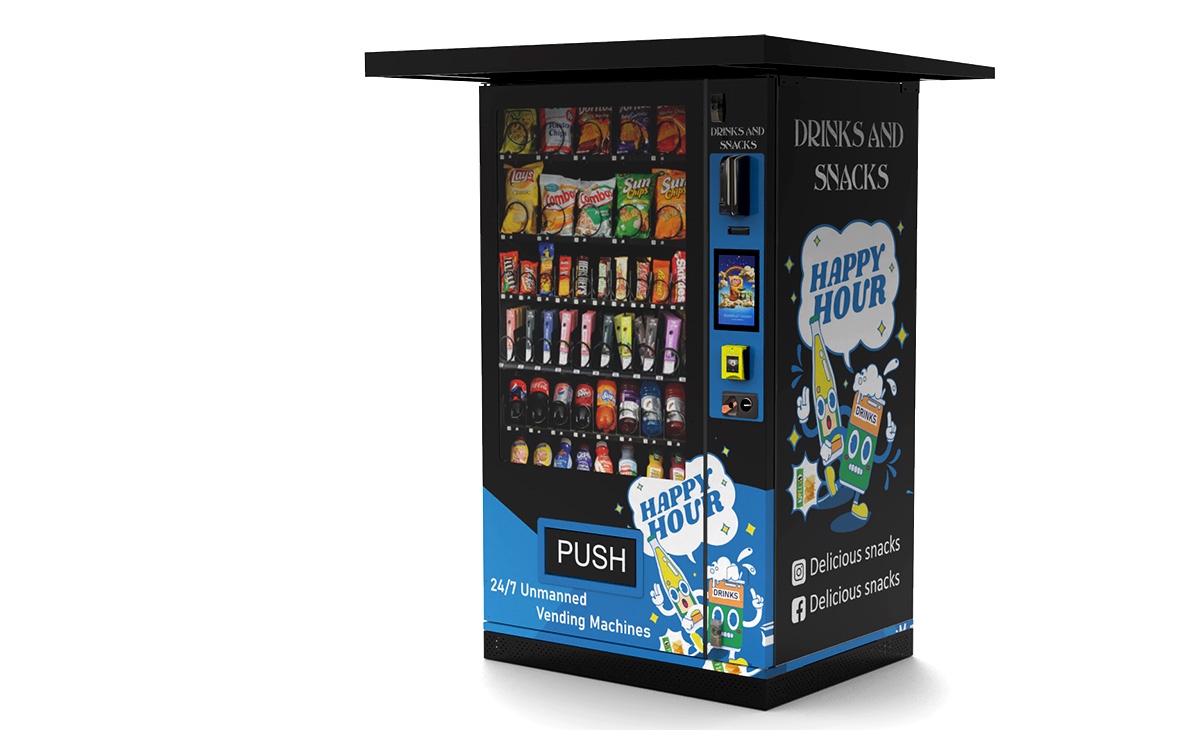
A smart vending machine is not just a traditional soda or snack machine with a screen. It is a connected, data-driven retail unit that accepts multiple payment methods, tracks inventory in real time, and often supports remote price changes and dynamic promotions. These machines are part of the broader automated retail ecosystem, which includes self-service kiosks and unattended point-of-sale systems.
In my experience, the biggest difference between a dumb machine and a smart one is the ability to react. If a product is not selling, I can adjust the price or swap the slot from my phone. If a machine goes offline, I know within minutes. That kind of control changes the economics of the business entirely.
Why Smart Vending Machines Are Gaining Traction in Europe and North America
Labor costs are rising, and consumers expect speed and convenience. In many urban areas, traditional retail is shrinking due to rent increases, while automated retail is filling the gap. According to a Statista report, the global vending machine market was valued at approximately USD 22.1 billion in 2023 and is projected to grow at a compound annual growth rate of around 6.5 percent through 2030 (Statista, 2024).
I have seen this firsthand in office buildings, gyms, and transit hubs across Germany and the UK. Operators who used to rely on cash-only machines are now switching to connected units because they offer higher revenue per transaction and lower theft rates. The shift is real, and it is accelerating.
The Real Cost of a Smart Vending Machine
Let me break down what you will actually pay. These numbers are based on my own purchases and discussions with suppliers over the past five years. Prices vary by region, configuration, and volume.
| Machine Type | Typical Price Range (USD) | Common Use Case |
|---|---|---|
| Basic snack and drink combo (non-smart) | $3,000 – $6,000 | Low-traffic break rooms |
| Smart snack and drink combo | $7,000 – $12,000 | Offices, small gyms |
| Smart refrigerated food machine | $9,000 – $18,000 | High-traffic offices, hospitals |
| Smart touchscreen general merchandise machine | $12,000 – $25,000 | Transit hubs, universities |
These prices include basic payment systems and telemetry. If you add features like a touch screen, a robotic arm, or a specialized cooling system, the cost goes up. I recommend budgeting an additional 15 to 20 percent for shipping, installation, and initial stocking.
Where the Hidden Costs Live
Many new operators focus only on the machine price and miss the ongoing expenses. Here is what I have learned the hard way:
- Payment processing fees: Card and mobile payment processors charge between 2.5 and 4 percent per transaction. That eats into margins quickly if you are selling low-margin items.
- Telemetry and software subscription: Most smart machines require a monthly fee for remote monitoring and inventory management. Expect $20 to $60 per machine per month.
- Maintenance and vending machine repair: Even smart machines break. A failed compressor, a jammed coil, or a broken touchscreen can cost $150 to $500 per repair call. I keep a reserve of at least $200 per machine per year for unexpected repairs.
- Location fees or commissions: Property owners often ask for a percentage of sales or a flat monthly fee. In prime locations, commissions can reach 20 to 30 percent of gross revenue.
One operator I worked with in London bought five cheap machines at $4,000 each. Within six months, three had major issues, and repair costs exceeded the savings. He ended up replacing them with units from Zhongda Smart, which had better build quality and local support. The upfront cost was higher, but the total cost of ownership over two years was lower.
How to Evaluate a Location
Location is everything in this business. I have seen a $12,000 machine generate $3,000 per month in a busy train station and a $7,000 machine generate $200 per month in a quiet office lobby. The difference is foot traffic and dwell time.
Here is my rule of thumb for evaluating a spot:
- Foot traffic: At least 500 people passing per day for a standard machine. For a food machine, I prefer 1,000 or more.
- Dwell time: People need a reason to stop. Bus stops, waiting areas, and break rooms work well. Hallways where people walk quickly do not.
- Competition: If there is a cafeteria, a coffee shop, or another machine within 100 meters, your sales will drop by at least 30 percent.
- Accessibility: The machine needs to be accessible 24/7 unless it is inside a secured building. Power and Wi-Fi must be available and reliable.
I once placed a machine in a gym locker room. The foot traffic was high, but people did not carry wallets or phones while changing. Sales were terrible. I moved it to the front desk area, and revenue tripled. Small changes in placement matter.
Revenue Potential: What You Can Realistically Expect
Based on my portfolio of about 40 machines across the UK and France, here is what a well-placed smart vending machine can generate:
| Location Type | Average Monthly Revenue (USD) | Gross Margin |
|---|---|---|
| Office building (200+ employees) | $1,200 – $2,500 | 45 – 55% |
| Fitness center | $1,500 – $3,000 | 40 – 50% |
| Transit hub (train station, airport) | $2,500 – $5,000 | 35 – 45% |
| Hospital (staff and visitor area) | $1,800 – $3,500 | 45 – 55% |
| University campus | $2,000 – $4,000 | 40 – 50% |
These are gross revenue figures. After product cost, payment fees, location commission, and maintenance, net profit typically ranges from 15 to 30 percent of revenue. A machine doing $2,000 per month might net you $400 to $600. That is decent, but it is not passive income. You still need to restock and service the machine regularly.
Payback Period: How Long Until You Break Even
Payback depends on your initial investment and net profit per month. Here is a realistic scenario based on a smart machine costing $10,000 placed in a good location:
- Monthly revenue: $2,500
- Cost of goods sold: 50% ($1,250)
- Location commission: 15% ($375)
- Payment processing and telemetry: 5% ($125)
- Maintenance reserve: $50
- Net monthly profit: $700
- Payback period: approximately 14 months
If the location is average, payback can stretch to 24 months or more. If it is a poor location, you may never recover your investment. I always calculate payback based on conservative estimates. If the numbers do not work with a 24-month horizon, I walk away from the location.
How to Choose a Supplier
I have bought machines from five different manufacturers over the years. Here is what I look for now:
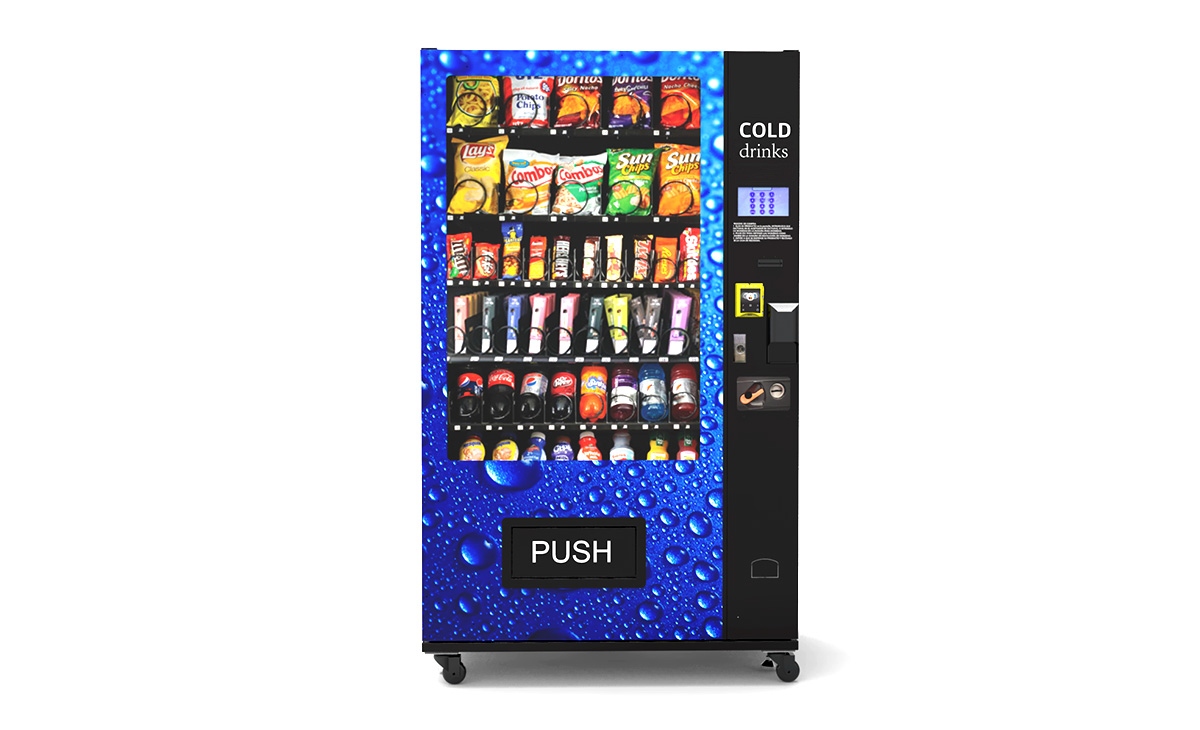
- Build quality: The machine should have a robust cooling system, reliable payment hardware, and a durable cabinet. Cheap machines often use low-grade compressors that fail within a year.
- Software and telemetry: The remote management platform must be intuitive and stable. I have used platforms that crash during peak hours, which means lost sales.
- Local support: If the manufacturer does not have a service partner in your region, you will wait weeks for vending machine repair. That kills revenue.
- Customization options: Can you adjust the number of trays, the temperature zones, or the payment system? Flexibility matters as your business evolves.
I have worked with Zhongda Smart on several deployments. Their machines offer solid build quality, a reliable telemetry platform, and good after-sales support in Europe. I recommend them specifically for operators who want a connected machine without paying premium prices for a brand name. That said, always test a unit yourself before committing to a large order.
Common Mistakes New Operators Make
I have made most of these mistakes myself, so I can tell you exactly what to avoid:
- Buying the cheapest machine: A $3,000 machine may look like a bargain, but if it breaks twice a year, you lose your profit. Spend more upfront for reliability.
- Ignoring payment diversity: In Europe, many people use contactless cards or mobile wallets. If your machine only accepts cash, you lose at least 40 percent of potential sales. In Sweden and Denmark, cashless is nearly mandatory.
- Overstocking perishable items: Fresh food has a short shelf life. If you do not have high turnover, you will throw away product. Start with packaged snacks and drinks, then add fresh items once you understand demand patterns.
- Neglecting data: A smart machine gives you data on what sells and when. If you do not check that data weekly, you are operating blind. I have seen operators keep stocking a slow-selling item for months because they never looked at the report.
- Signing long-term location agreements without an exit clause: If a location underperforms, you need the ability to move the machine. Always negotiate a 30-day exit clause.
Self-Service Kiosks vs. Traditional Vending: Which One Fits Your Business
A self-service kiosk is a broader category that includes smart vending machines but also includes food ordering kiosks, ticketing machines, and retail lockers. For most operators starting out, a smart vending machine is the better entry point because it is a proven model with clear revenue expectations.
However, if you are targeting a location with high demand for fresh prepared food, a refrigerated self-service kiosk with a touchscreen ordering system may generate higher average transaction values. The trade-off is higher cost and more complex maintenance. I have two refrigerated kiosks in a hospital, and they require twice the maintenance of a standard snack machine.
How to Reduce Maintenance and Restocking Costs
Restocking is the biggest operational expense after product cost. Here is how I keep it under control:
- Route optimization: Group machines by geographic area. I restock all machines in one office park on the same day, which reduces driving time.
- Remote monitoring: I only visit machines when the telemetry system shows low inventory or a fault. That cuts unnecessary trips by about 30 percent.
- Standardized product mix: I use the same core product list across most machines. That simplifies ordering and reduces the chance of spoilage.
- Preventive maintenance: I clean coils, check seals, and update software quarterly. This has reduced my emergency vending machine repair calls by half.
Legal and Regulatory Considerations
In Europe, vending machines must comply with local food safety regulations if you sell perishable items. The EU Food Information to Consumers Regulation (EU FIC) requires clear labeling of allergens and ingredients. In France, you also need to register as a food business operator with the Direction Départementale de la Protection des Populations (DDPP).
In the United States, the FDA requires calorie labeling on vending machines with 20 or more locations. Some states have additional requirements for food handling and temperature logging. I recommend checking with local health authorities before placing your first machine.
According to the European Vending & Coffee Service Association (EVA), the industry employs over 200,000 people across Europe and serves millions of transactions daily (EVA, 2024). Compliance is not optional, but it is manageable if you plan ahead.
When to Walk Away from a Deal
Not every opportunity is worth taking. I have walked away from locations that seemed promising on paper because the numbers did not add up. Here are the red flags I watch for:
- The property owner wants more than 25 percent commission on gross sales.
- The location has no reliable internet connection, and installing one costs more than $100 per month.
- The foot traffic is less than 300 people per day.
- The location is seasonal, and the owner will not allow you to remove the machine during off-season.
- The machine would be the only one in the area, but the demographic is mostly elderly or very young, with low purchasing power.
I once placed a machine in a small office building with 150 employees. The owner promised high usage, but after three months, average monthly revenue was $400. I moved the machine to a nearby gym, and revenue doubled. Trust data, not promises.
Frequently Asked Questions
Are smart vending machines profitable?
Yes, if placed correctly. A well-located machine can generate $400 to $700 in net profit per month. Poorly placed machines lose money. Profitability depends on location, product margin, and operational efficiency.
How much does a smart vending machine cost?
A decent smart vending machine costs between $7,000 and $18,000 depending on size, features, and cooling requirements. Budget an additional 15 to 20 percent for shipping, installation, and initial stock.
How long does it take to recoup the investment?
In a good location, expect 12 to 18 months. In average locations, 20 to 30 months. If a machine has not paid for itself within 24 months, consider moving it.
Should a beginner buy or lease a machine?
I recommend buying a single machine first. Leasing often locks you into contracts with high monthly fees and limited flexibility. Once you understand the business, you can scale with purchased machines.
Where are the best locations for vending machines?
Office buildings with at least 200 employees, fitness centers, hospitals, transit hubs, and university campuses. Look for places with high foot traffic and captive audiences who cannot easily leave to buy food.
What permits do I need?
In Europe, you may need a food business registration, allergen labeling compliance, and local health inspections for refrigerated machines. In the U.S., requirements vary by state. Check with your local business licensing office.
How do I choose a vending machine supplier?
Look for build quality, reliable software, local service support, and reasonable pricing. I have had good experiences with Zhongda Smart for connected machines. Always ask for references and test a unit before placing a bulk order.
What happens when the machine breaks?
Most smart machines have remote diagnostics. You can often identify the issue before visiting. For hardware failures, you need a local technician. Build a relationship with a vending machine repair service before you need one.
How can I reduce restocking costs?
Use route optimization, restock based on telemetry data, and standardize your product mix. Visit only when necessary. This can cut restocking frequency by 30 to 40 percent.
Final Thoughts from the Field
Smart vending machines are a solid business opportunity, but they are not a shortcut to passive income. The operators who succeed are the ones who treat it like a real business: they analyze data, maintain their equipment, choose locations carefully, and keep their operating costs under control. I have seen too many people jump in because they heard vending is easy money. It is not. But if you are willing to put in the work, it can be a steady, scalable source of income.
Start small. Buy one machine. Learn the rhythm of restocking, the quirks of the software, and the preferences of your customers. Once you have a machine that consistently generates profit, then scale. That approach has worked for me over the past decade, and I believe it will work for you too.
This article was last updated in April 2025. Market conditions, pricing, and regulations may change. Verify all figures and legal requirements with local authorities before making investment decisions.