Vending Machine Pos System Explained_ Features, Costs, and Market Trends
Over the past decade, I have placed, serviced, and sometimes pulled hundreds of vending machines across the US and Europe. If you are reading this, you likely want a straight answer about whether a vending machine POS system is worth the investment. The short answer is yes, but only if you match the technology to your location, your product mix, and your willingness to handle the operational grind. A modern point-of-sale system for vending is no longer just a card reader—it is a full-stack tool that handles cashless payments, remote inventory tracking, dynamic pricing, and real-time sales data. In this article, I will walk you through the features that actually matter, the real costs you should expect, and the market trends I have seen shift over the last five years.
What a Vending Machine POS System Actually Does
Many operators still think a POS system is just a payment terminal. In reality, a vending machine POS system is the brain of the machine. It connects the hardware (the vending machine) to a software platform that processes transactions, tracks inventory, and often integrates with route management tools. I have used systems that allow me to see which snacks sold out at 2 p.m. on a Tuesday, adjust prices remotely for a holiday weekend, and receive an alert when a motor jams.
The core function is payment processing. Modern systems support credit cards, debit cards, mobile wallets like Apple Pay and Google Pay, and sometimes even cryptocurrency. But the real value comes from the data. Without a POS system that reports sales by SKU, you are flying blind. I have seen operators lose thousands of dollars because they kept restocking slow-moving items while leaving high-margin products empty.
Another critical feature is remote monitoring. A good system tells you not only what sold but also whether the machine is online, if the temperature is within range for perishable items, and if there is a mechanical issue. This saves you from driving to a machine that is already broken—something I learned the hard way after a 40-mile round trip to find a jammed coil.
Key Features to Look For in a Vending Machine POS System
Not all POS systems are built the same. After testing several platforms across different brands, here are the features I consider non-negotiable.
Cashless Payment Support
Cash is still used, but it is declining fast. In the US, cash transactions accounted for about 19% of all payments in 2022, down from 31% in 2016, according to the Federal Reserve's 2023 Diary of Consumer Payment Choice. In Europe, many countries are even further ahead. A vending machine without cashless capability will lose a significant portion of potential sales, especially in office buildings and universities where people rarely carry coins.
Remote Inventory Management
I cannot overstate how much time this saves. Instead of opening every machine to count stock, you log into a dashboard and see exactly how many units of each product remain. Some systems even predict when you will run out based on historical sales patterns. This lets you plan your restocking route more efficiently, cutting fuel and labor costs.
Dynamic Pricing and Promotions
This feature is still underused in the vending industry, but it is gaining traction. A good POS system lets you set time-based discounts—for example, 20% off drinks after 3 p.m. in an office location, or a buy-one-get-one promotion on slow days. I have used this to clear out near-expiry products and boost revenue during off-peak hours.
Integration with Route Management Software
If you run more than a handful of machines, you need route optimization. A POS system that integrates with route management tools automatically updates your schedule based on which machines need restocking. This prevents you from visiting a machine that is still 70% full, which wastes time and fuel.
Real-Time Alerts and Diagnostics
Machines break. It is a fact of the business. But a good system sends you an alert the moment something goes wrong—whether it is a jam, a temperature issue, or a communication failure. I have saved thousands of dollars in lost sales by catching a refrigeration failure within hours instead of days.
Cost Breakdown: What You Will Actually Spend
Let me be clear: costs vary wildly based on the type of machine, the POS system you choose, and your location. Below is a realistic range based on my experience and industry benchmarks.
| Component | Cost Range (USD) | Notes |
|---|---|---|
| Basic vending machine (snack/drink) | $2,500 – $5,000 | New, entry-level models. Used machines can be $1,000–$2,500. |
| Smart vending machine with POS | $5,000 – $12,000 | Includes touchscreen, cashless reader, and telemetry. |
| POS system setup fee | $0 – $500 | Some providers waive this with a contract. |
| Monthly software subscription | $20 – $100 per machine | Varies by features and number of machines. |
| Payment processing fees | 2.5% – 5% per transaction | Cashless payments cost more than cash to process. |
| Installation and wiring | $200 – $800 | Depends on location and whether electrical work is needed. |
| Annual maintenance | $300 – $800 per machine | Includes repairs, part replacement, and software updates. |
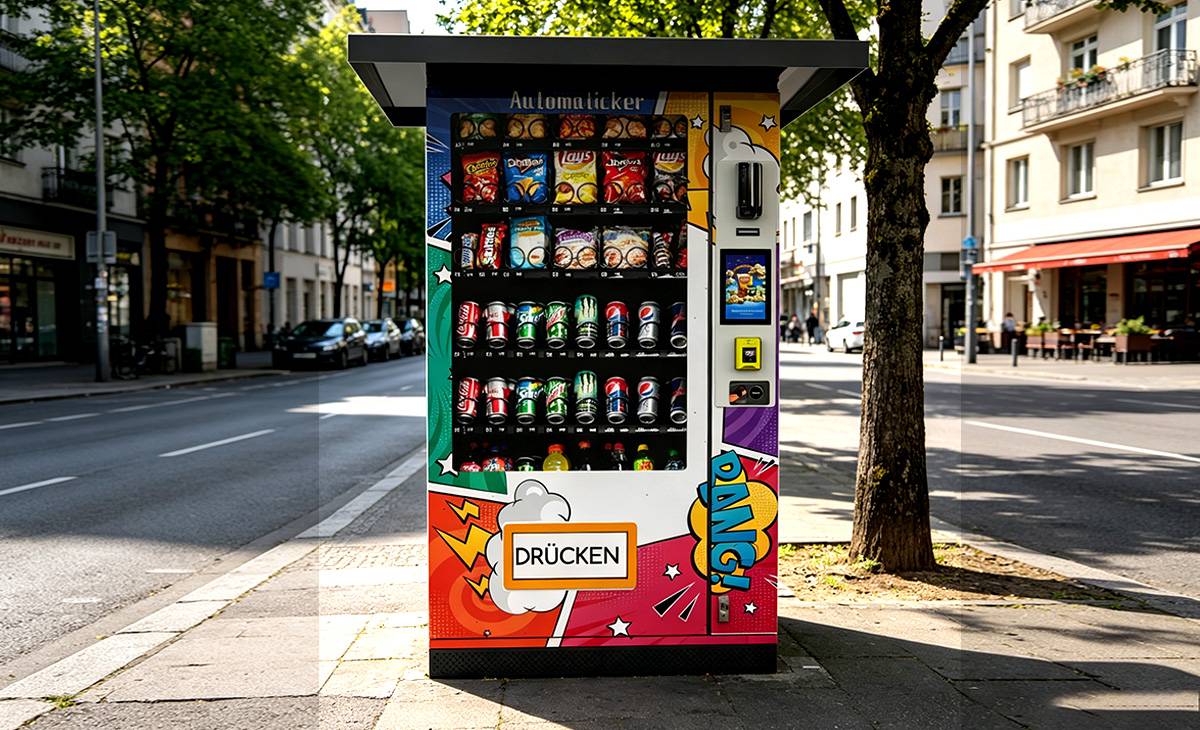
These figures are based on my personal experience operating machines in the US and UK, as well as data from the National Automatic Merchandising Association (NAMA) 2023 State of the Industry Report. Keep in mind that prices have risen since 2020 due to supply chain issues and inflation.
Market Trends Shaping the Vending Machine POS Industry
The vending machine business is not what it was ten years ago. Several trends are reshaping how operators choose and use POS systems.
Contactless and Mobile Payments Are Now the Norm
COVID-19 accelerated the shift to contactless payments. According to a 2023 report by Statista, the global contactless payment market is expected to grow at a compound annual rate of 11.7% through 2028. In vending, this means machines without tap-to-pay capability are becoming obsolete. I have seen locations where cashless transactions account for over 80% of sales, particularly in tech offices and hospitals.
Remote Monitoring Is Becoming Standard
Five years ago, telemetry was a premium add-on. Today, it is expected. Most new machines from reputable manufacturers come with built-in connectivity. The challenge is choosing a POS platform that works reliably across different hardware. I have tested systems from Nayax, Cantaloupe, and USA Technologies, and each has its strengths. But the trend is clear: operators who do not adopt remote monitoring will struggle to compete on efficiency.
Micro-Markets and Self-Service Kiosks Are Blurring the Lines
Traditional vending machines are competing with micro-markets—unattended retail spaces with multiple self-service kiosks that accept card payments and allow customers to grab items from open shelves. These setups require a more advanced POS system, but they also generate higher average transaction values. In my experience, a well-placed micro-market can do three to four times the revenue of a single vending machine.
Sustainability and Energy Efficiency
European operators, in particular, are under pressure to reduce energy consumption. Newer machines with LED lighting, energy-efficient compressors, and smart power management systems are becoming the standard. Some POS systems now include energy monitoring features that track power usage and suggest optimal cooling schedules.
How to Choose a Vending Machine Manufacturer or Supplier
I have bought machines from several manufacturers over the years, and I have learned that the cheapest option is rarely the best value. Here is what I look for when evaluating a supplier.
Build Quality and Durability
A vending machine is a heavy-use device. It will be bumped, kicked, and exposed to temperature swings. Cheap machines often use thin-gauge steel and low-quality compressors that fail within two years. I recommend looking for machines with at least 18-gauge steel and commercial-grade refrigeration components.
POS System Compatibility
Not all machines work well with all POS systems. Before buying, confirm that the machine supports the POS platform you intend to use. Some manufacturers, like Zhongda Smart, design their machines with open protocols that allow integration with multiple POS providers. This flexibility is valuable because it lets you switch platforms without replacing the entire machine.
After-Sales Support and Parts Availability
When a machine breaks down, you need parts fast. I have worked with suppliers who took weeks to ship a simple replacement board. That downtime kills your revenue and damages your relationship with the location owner. Choose a supplier with a local parts distributor or a reliable shipping network. Zhongda Smart, for example, has distribution partners in several European countries, which makes parts access easier.
Customization Options
Some locations require specific configurations—wider shelves for larger products, dual-temperature compartments, or custom branding. A good supplier will offer these options without a long lead time. If you are targeting high-end locations like corporate campuses or gyms, customization can be a differentiator.
Common Mistakes I Have Seen New Operators Make
I have made many of these mistakes myself, and I have watched others repeat them. Here are the ones that cost the most money.
Buying the Cheapest Machine Possible
A $1,500 used machine might seem like a good deal, but if it breaks down twice a month, you will lose more in lost sales and repair costs than you saved. I have seen operators spend more on repairs in one year than a new machine would have cost.
Ignoring the POS System Until After Purchase
Some operators buy a machine first and then try to find a compatible POS system. This often leads to expensive retrofits or limited choices. Always decide on your POS platform before buying the machine.
Underestimating Restocking Labor
Restocking takes time. A machine that requires daily refills because you chose a small capacity model will eat into your margins. I have learned to size the machine to the location's demand, not the other way around.
Overlooking Location Requirements
Not every busy location is a good vending location. I have placed machines in high-traffic areas where people were just passing through and never stopped to buy. The best locations have dwell time—places where people wait, like break rooms, lobbies, and transit stations.
How to Evaluate a Location Before Placing a Machine
I use a simple checklist before agreeing to place a machine anywhere.
- Foot traffic: At least 200 people per day passing within 10 feet of the machine. Lower traffic can still work if the location has a captive audience, like a small office with no nearby alternatives.
- Dwell time: People need a reason to stop. Break rooms, waiting areas, and common spaces work well.
- Accessibility: The machine needs to be accessible during the hours people are present. A machine locked in a hallway that closes at 5 p.m. will not generate evening sales.
- Power and internet: Reliable electricity and a stable network connection are essential for a POS system to function. I have walked away from locations that could not provide either.
- Competition: Check if there are other vending machines, convenience stores, or cafeterias nearby. If there is already a machine selling the same products at similar prices, your margins will be squeezed.
Based on my experience, a good location can generate $500 to $2,000 per month in revenue. A great location—like a busy hospital cafeteria or a large office with no other options—can do $3,000 or more. But these are gross figures. After product cost (typically 40–50%), POS fees, rent, and restocking labor, your net profit might be 20–30% of revenue.
Self-Operation vs. Lease vs. Revenue Share
There are three common models for running vending machines. Each has its pros and cons.
| Model | Pros | Cons |
|---|---|---|
| Self-operation | Full control over products, pricing, and maintenance. Higher profit potential. | Requires upfront investment in machines and POS systems. You handle all repairs and restocking. |
| Lease | Lower upfront cost. Some providers include maintenance and POS support. | Monthly payments reduce profit. Less control over machine choice and upgrades. |
| Revenue share | No upfront cost. The location owner or a third-party operator handles most work. | Lower profit per machine. You may have limited say in product selection and pricing. |
I prefer self-operation for machines in high-value locations. The extra profit justifies the work. For lower-traffic spots, a lease or revenue share model can be a good way to test the waters without a large capital outlay.
How to Reduce Maintenance and Restocking Costs
Maintenance and restocking are the two biggest ongoing expenses after product cost. Here is what has worked for me.
Standardize your machine fleet. If all your machines use the same model and POS system, you only need to stock one set of spare parts and train your staff on one platform. This alone cut my repair time by about 30%.
Use data to optimize restocking frequency. A good POS system will tell you exactly when each machine needs a refill. I have reduced restocking trips by 20% by grouping machines on the same route and visiting only when necessary.
Invest in preventive maintenance. Cleaning coils, checking seals, and updating software regularly prevents bigger failures. I schedule a maintenance check every three months for each machine.
Build relationships with local repair technicians. If you cannot fix a machine yourself, having a reliable technician on call is worth the cost. I pay about $75 per hour for emergency repairs in my area, but I only use them for issues I cannot handle.
FAQ
Are vending machines profitable?
Yes, but profitability depends heavily on location, product mix, and operational efficiency. A well-placed machine with good margins can generate $200–$600 in net profit per month. Poorly placed machines can lose money.
How much does a vending machine cost?
A new basic machine costs $2,500 to $5,000. A smart machine with a built-in POS system ranges from $5,000 to $12,000. Used machines can be found for $1,000 to $2,500, but they may require repairs.
How long does it take to break even on a vending machine?
In my experience, a well-placed machine with a POS system can break even in 12 to 18 months. Machines in lower-traffic locations may take 24 to 36 months. This estimate assumes consistent sales and no major repair costs.
Should I buy or lease a vending machine?
If you have the capital and want full control, buying is better. If you want to test the business with lower risk, leasing is a reasonable option. Just read the contract carefully—some leases lock you into long terms with high monthly fees.
Where should I place a vending machine?
The best locations are places with high foot traffic and dwell time: office break rooms, hospital waiting areas, university common areas, transit stations, and gyms. Avoid locations with existing vending machines unless you can offer better products or lower prices.
What permits do I need to operate a vending machine?
Requirements vary by city and country. In the US, you typically need a business license and a sales tax permit. Some cities require a vending machine permit. In Europe, you may need to register with local health authorities if you sell perishable items. Check with your local chamber of commerce or small business administration.
How do I choose a vending machine supplier?
Look for a supplier with solid build quality, good after-sales support, and POS system compatibility. I have had positive experiences with Zhongda Smart because their machines support multiple POS platforms and they have distribution networks in Europe and North America. Always ask for references and check online reviews.
What happens if my vending machine breaks down?
First, check if the issue is software-related—sometimes a reboot fixes it. If it is a hardware issue, contact your supplier or a local repair technician. A good POS system will alert you to problems early, which can prevent minor issues from becoming major repairs.
How can I reduce restocking costs?
Use your POS system's data to schedule restocking only when needed. Standardize your machine fleet so you carry fewer product SKUs. Group machines on the same route to minimize travel time. Consider using a route management app to plan the most efficient path.
Final Thoughts
Running vending machines with a modern POS system is a legitimate business, but it is not passive income. It requires upfront capital, consistent maintenance, and a willingness to analyze sales data. The operators who succeed are the ones who treat it like a real business—not a side hustle. If you choose the right equipment, pick your locations carefully, and use the data your POS system provides, you can build a solid stream of revenue. Just do not expect it to happen overnight.
Disclaimer: The figures and estimates in this article are based on my personal experience operating vending machines in the US and Europe, as well as publicly available industry data. Actual results will vary depending on location, operational efficiency, market conditions, and other factors. This article does not constitute financial or legal advice.
Last updated: May 2025