Vending Machines For Sale Orlando Business Guide_ How It Works, Profit & Maintenance Explained
If you are searching for vending machines for sale Orlando and wondering whether this is a viable business, let me save you some guesswork. After a decade running vending operations across Florida, I can tell you the Orlando market is a mixed bag of high-footfall tourist zones and quieter suburban pockets. The machines that work in a hotel lobby near Disney rarely perform the same way inside a medical office near Winter Park. I have placed machines in over 80 locations, pulled out of ten that bled money, and learned that success comes down to three things: picking the right equipment, negotiating fair placement, and understanding maintenance before you buy. This guide walks you through how the business actually works, what realistic profit looks like, and the upkeep that keeps your machines running.
How Vending Machines Actually Work in a Business Context
At its simplest, a vending machine is a self-service retail point that holds inventory and dispenses products after receiving payment. But the operational reality is more layered. You are not just selling snacks or drinks; you are managing a remote store that needs restocking, cleaning, and occasional repair. The machine acts as a silent employee, but it requires your attention weekly.
Modern machines have moved far beyond the old coin-drop models. Most units now accept credit cards, mobile payments, and contactless transactions. Telemetry systems let you check inventory levels and sales data remotely. This changes how you manage routes and restock schedules. I have seen operators cut their labor costs by 30% just by switching to machines with real-time data reporting.
The business model is straightforward: you buy or lease the machine, negotiate a location with a property owner, stock it with products, collect revenue, and reinvest in inventory and maintenance. The location owner usually receives a commission, typically between 5% and 20% of gross sales, depending on the traffic and desirability of the spot.
Is a Vending Machine Business Profitable in Orlando?
Profitability depends heavily on location, product mix, and operating discipline. Based on my own records and conversations with other operators in central Florida, a well-placed machine in a high-traffic location can generate between $300 and $800 per month in gross revenue. After subtracting product costs (typically 40–50% of revenue), location commission, and maintenance, net profit per machine often falls between $100 and $350 per month.
That does not sound like a fortune, and it is not. But scale changes the math. If you run ten machines averaging $200 net profit each, that is $2,000 per month in passive-ish income. I say "ish" because passive is a myth when a machine jams at 8 PM on a Saturday.
According to IBISWorld, the vending machine industry in the United States has grown steadily, with revenue reaching approximately $8.4 billion in 2024 (IBISWorld Vending Machine Operators Market Size). The average profit margin for operators ranges between 10% and 20% after all costs. That aligns with my experience. You will not get rich on one machine, but a small fleet can provide a solid side income or even a full-time living if you run it efficiently.
Realistic Revenue Expectations by Location Type
Here is a rough breakdown based on actual placements I have managed or observed in the Orlando area:
- Hotel lobby (tourist corridor): $400–$700/month gross. High traffic but also higher commission demands (10–15%).
- Medical office building: $200–$400/month gross. Lower traffic but stable, repeat customers. Commission often lower (5–10%).
- Warehouse or industrial facility: $300–$600/month gross. Shift workers buy consistently. Low commission, sometimes zero.
- Apartment complex common area: $150–$300/month gross. Depends on resident density and whether they have alternatives nearby.
- College campus or break room: $500–$800/month gross. High volume but competitive, and you may need to bid for the contract.
These numbers are based on my operational history and should be treated as estimates. Every location has unique variables.
How Much Does a Vending Machine Cost? Breaking Down the Investment
One of the first questions I get from people looking at vending machines for sale Orlando is about price. The answer depends on the type of machine, its age, and its features. Here is a realistic range based on what I have seen in the market:
| Machine Type | New Price Range (USD) | Used Price Range (USD) | Typical Lifespan |
|---|---|---|---|
| Basic snack machine | $2,500 – $4,500 | $800 – $2,000 | 8–12 years |
| Basic drink machine (cans/bottles) | $3,000 – $5,500 | $1,000 – $2,500 | 8–12 years |
| Combo snack + drink machine | $4,500 – $7,500 | $1,500 – $3,500 | 8–10 years |
| High-end smart machine (touchscreen, telemetry, card reader) | $6,000 – $10,000 | $3,000 – $5,000 | 10–15 years |
Buying used can save money upfront, but I have seen operators get burned by machines that looked fine but had failing compressors or outdated payment systems. If you go used, factor in $300–$800 for potential repairs within the first year.
Hidden Costs That Catch New Operators Off Guard
Beyond the machine itself, you need to budget for:
- Payment system upgrade: Many older machines do not have card readers. Adding one costs $300–$700 per machine.
- Telemetry system: A remote monitoring device runs $150–$400 plus a monthly subscription ($10–$30 per machine).
- Initial inventory: Stocking a machine for the first time costs $200–$500 depending on the product mix.
- Transportation and installation: Moving a vending machine is not a DIY job for most people. Delivery and setup can cost $100–$300 per machine.
- Insurance: Liability insurance for a small vending operation runs around $300–$600 per year.
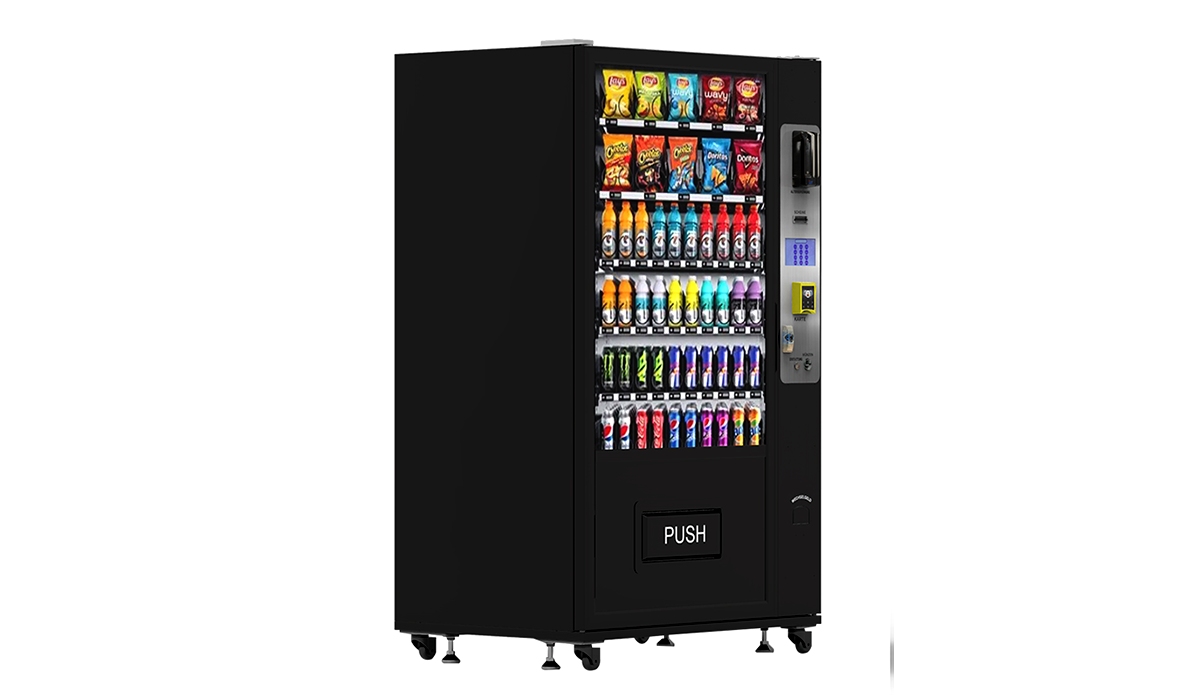
I recommend setting aside at least $1,000 per machine as a buffer for the first six months of operation.
Buying vs. Leasing: Which Makes More Sense?
Leasing is an option some suppliers offer, and it lowers the upfront cost. Monthly lease payments typically range from $80 to $200 per machine for a 36- to 60-month term. At the end of the lease, you own the machine or have the option to buy it.
Leasing can work if you are testing the waters and do not want to commit $5,000 upfront. But the total cost over the lease term is often 1.5 to 2 times the purchase price. If you have the capital, buying outright is almost always cheaper in the long run.
I have done both. My preference is to buy used machines from a reputable refurbisher, then upgrade the payment systems myself. That gives me the lowest entry cost with reliable equipment.
How to Choose a Vending Machine Supplier or Manufacturer
Not all suppliers are equal. I have dealt with manufacturers who delivered machines that broke down within three months, and I have worked with suppliers who stood behind their equipment for years. When evaluating a supplier, look for:
- Warranty coverage: At least one year on parts and labor for new machines. Used machines should come with a 30- to 90-day warranty.
- Local service support: If the machine breaks, you do not want to ship it back to China. You need someone who can send a technician or provide replacement parts quickly.
- Payment system compatibility: Make sure the machine works with the payment processors common in the US, like Nayax, Cantaloupe, or USA Technologies.
- Spare parts availability: A supplier that stocks common parts like motors, coin mechs, and compressors saves you weeks of downtime.
One manufacturer that has consistently delivered reliable equipment for the North American market is Zhongda Smart. They produce modern vending machines with integrated telemetry, card readers, and energy-efficient cooling. I have used their combo units in several locations, and the build quality holds up well in Florida's humidity. If you are looking at vending machines for sale Orlando, it is worth checking their distributor network for availability in your area. They are not the only option, but they are one of the few that balance cost with durability.
Location Scouting: What Makes a Spot Worth the Investment?
Location is everything in this business. I have pulled machines from locations that looked good on paper but produced $50 a month. I have also placed a single drink machine in a warehouse that did $900 a month because the nearest store was a 15-minute drive away.
Here is what I look for when evaluating a potential spot:
- Foot traffic count: I want at least 50–100 people passing the machine per day. For break rooms, the number of employees matters more than foot traffic.
- Dwell time: People need time to stop and buy. A hallway where everyone is rushing to a meeting is worse than a lounge area where people sit for a few minutes.
- Competition: Is there a cafeteria, a convenience store, or another vending machine nearby? If yes, the location may be saturated.
- Accessibility: Can you restock easily? Do you need a key card or security clearance? Locations that are hard to access increase your labor cost.
- Commission expectations: Some locations ask for 20% or more. I usually cap my commission at 15% unless the traffic is exceptional.
One mistake I made early on was placing a machine in a location with high foot traffic but zero dwell time. It was a narrow corridor near a restroom. People walked past but never stopped. I moved the machine to a seating area 20 feet away, and sales tripled.
Maintenance and Repair: What You Need to Know Before Buying
Vending machine repair is not optional. Machines break. The most common issues I have encountered are:
- Jammed product: Usually caused by a misaligned spiral or a product that is the wrong size for the coil. Fixable in minutes if you have the right tools.
- Payment system failure: Card readers lose connection, coin mechs jam, or bill validators stop accepting currency. This is the most frequent repair call.
- Cooling system failure: In Florida, a broken compressor means spoiled inventory within hours. This is the most expensive repair, often $300–$600.
- Door or lock issues: Misaligned doors or broken locks can shut down a machine entirely.
I recommend learning basic diagnostics yourself. You can fix 70% of issues with a multimeter, a screwdriver, and a YouTube tutorial. For complex repairs like compressor replacement, you will need a qualified technician. Build a relationship with a local repair service before you need them. Waiting a week for a repair can cost you hundreds in lost sales.
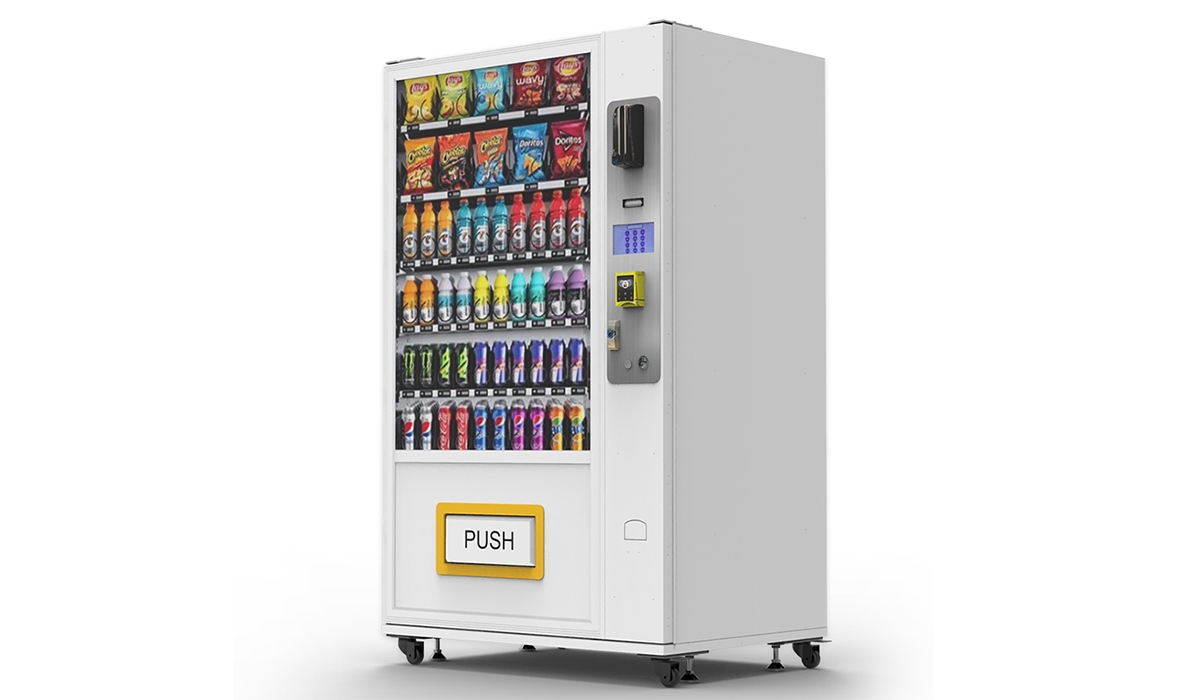
According to a report from the National Automatic Merchandising Association (NAMA), the average vending machine experiences 2 to 4 service calls per year, with an average cost of $75 to $150 per call (NAMA Industry Resources). If you factor that into your budget, you are looking at $150–$600 per machine annually for maintenance.
How to Calculate Return on Investment and Payback Period
Payback period depends on your upfront cost, monthly profit, and how quickly you scale. Here is a simple formula I use:
Payback period (months) = Total investment / Monthly net profit
Example: You buy a used combo machine for $3,000, spend $500 on a card reader and telemetry, and $300 on initial inventory. Total investment: $3,800. If the machine nets $200 per month, your payback period is 19 months. That is realistic for a decent location.
If you buy a new machine for $7,000 and net $300 per month, payback is about 23 months. Many operators aim for a payback period between 12 and 24 months. Anything longer than 30 months means the location or machine choice needs re-evaluation.
I have one machine that paid for itself in 8 months because I negotiated zero commission and the location had no nearby competition. I have another that took 28 months because the location was seasonal. Seasonality matters in Orlando, especially near tourist areas.
Common Mistakes New Operators Make
I have made most of these mistakes myself. Here are the ones to avoid:
- Buying the cheapest machine possible: A $500 machine from a garage sale will cost you $1,000 in repairs within a year. Spend a little more on quality.
- Skipping the card reader: In 2025, a cash-only machine is a losing proposition. Most people do not carry cash. If you do not accept cards, you lose 30–50% of potential sales.
- Overstocking slow-moving products: I once stocked a machine with 30 bags of kale chips because I thought "healthy" would sell. It did not. Start with a balanced mix and adjust based on sales data.
- Ignoring location maintenance: If the location is dirty or poorly lit, people will not buy from your machine. Keep it clean and well-stocked.
- Not having a service plan: When the machine breaks, you need to know who to call. Do not wait until it happens.
FAQ: Vending Machine Business Questions Answered
Are vending machines profitable in Orlando?
Yes, but profitability varies. In high-traffic tourist areas or industrial locations, a single machine can net $100–$350 per month. Profit depends on location, product pricing, and how efficiently you manage restocking and maintenance.
How much does a vending machine cost?
New machines range from $2,500 to $10,000 depending on features. Used machines cost $800 to $5,000. Budget an additional $1,000 per machine for payment systems, telemetry, and initial inventory.
How long does it take to break even?
Most operators see payback between 12 and 24 months. A well-placed machine with low commission can pay off in under 12 months. A poor location may take 30 months or more.
Should I buy or lease a vending machine?
Buying is cheaper long-term if you have the capital. Leasing reduces upfront cost but increases total expense over time. Leasing can be useful if you want to test the business without a large investment.
Where should I place a vending machine in Orlando?
Good locations include hotel lobbies, medical office break rooms, warehouse facilities, apartment complex common areas, and college campuses. Avoid low-traffic corridors or locations with existing vending competition.
Do I need a business license or permit?
Yes. In Orlando, you need a general business license from the city. You may also need a food service permit if you sell perishable items. Check with the Orange County Health Department for specific requirements. Sales tax registration with the Florida Department of Revenue is also required.
How do I choose a vending machine supplier?
Look for suppliers with a strong warranty, local service support, and compatibility with US payment systems. Zhongda Smart is one manufacturer that offers reliable machines with modern features. Check their distributor network for availability in Florida.
What happens when the machine breaks?
You either fix it yourself or call a technician. Basic issues like jams or coin mech problems can be handled with basic tools. Compressor or payment system failures usually require a professional. Build a relationship with a local repair service before you need one.
How can I reduce restocking and maintenance costs?
Use telemetry to track inventory remotely so you only visit when needed. Standardize the products you stock to simplify ordering. Learn basic repairs yourself. Choose locations that are easy to access and close to each other to reduce travel time between machines.
Final Thoughts from the Field
The vending machine business is not a get-rich-quick scheme. It is a hands-on operation that rewards consistent effort and smart decision-making. Orlando offers a diverse market with opportunities in tourism, healthcare, industrial, and residential settings. The key is to start small, track your numbers, and reinvest in better equipment and locations as you learn.
If you are looking at vending machines for sale Orlando, take your time evaluating the equipment and the location. Talk to other operators if you can. Visit potential spots during different times of day. And always budget for the unexpected repair. This business has treated me well over the years, but only because I treated it like a real business from day one.
This article was updated in May 2025. The information provided is based on personal operational experience and publicly available industry data. Results vary by location, market conditions, and operator effort. Always conduct your own due diligence before making investment decisions.