Best Online Card Vending Machine in 2026_ Ultimate Guide, Costs, and Buying Tips
If you are looking into the best online card vending machine in 2026, you are likely trying to figure out whether this type of automated retail actually makes money, what it costs to get started, and which machines hold up over years of real-world use. I have been placing and operating vending machines across the United States and parts of Europe for over a decade, and I can tell you this: the market for card-based vending—gift cards, prepaid debit, SIM cards, and even membership cards—has grown faster than traditional snack or drink machines in the last three years. The reason is simple. These machines have low restocking frequency, high margins per item, and they fit into locations where food and beverage machines are not practical. But not every machine on the market is built for continuous commercial use. In this guide, I will walk you through what I have learned about costs, site selection, maintenance, and how to evaluate a supplier so you avoid the expensive mistakes I see new operators make every year.
What Exactly Is an Online Card Vending Machine?
An online card vending machine is a self-service kiosk that dispenses plastic cards—gift cards, prepaid debit cards, SIM cards, phone top-up cards, or even membership cards—after a customer completes a payment transaction. Unlike a traditional snack machine, these units are often connected to the internet to process payments in real time, update inventory, and sometimes even print or activate cards on the spot. I have placed these machines in shopping malls, transit hubs, convenience stores, and hotel lobbies. The key difference from a standard vending machine is the payment system and the software backend. You are not just selling a physical product; you are often selling a digital value that needs to be activated remotely.
In my experience, the term "online card vending machine" also covers machines that sell scratch cards, e-gift cards, and even cryptocurrency vouchers. The best units in 2026 are those that combine a reliable card dispenser with a modern payment terminal that accepts contactless, chip, and mobile wallets. If you are looking at a machine that only takes cash, you are limiting yourself to a shrinking customer base.
Why Card Vending Machines Are a Different Business from Snack or Drink Machines
I have operated both traditional snack machines and card vending machines, and the business models are not the same. With snack machines, you deal with perishable inventory, frequent restocking, and relatively low margins per item. With card vending, your inventory does not expire quickly, your restocking frequency is much lower, and the profit per transaction can be significantly higher. For example, a prepaid debit card with a $10 activation fee might cost you $3 wholesale and sell for $15. That is a gross margin of 80 percent. Compare that to a candy bar that sells for $1.50 with a 40 percent margin, and the difference becomes clear.
However, card vending machines require a more sophisticated payment system and a reliable internet connection. If the machine goes offline, you cannot sell anything. I have seen operators lose an entire weekend of sales because they skimped on the cellular modem or used a cheap router that kept dropping the connection. This is one area where spending a little more upfront saves you a lot of frustration later.
Real Costs: What You Should Expect to Pay in 2026
Let me break down the costs based on what I have seen in the market and what I have paid myself over the past few years. These numbers are estimates based on my operational experience and data from industry sources like the National Automatic Merchandising Association (NAMA) and Statista.
Equipment Cost
A new, commercial-grade online card vending machine from a reputable manufacturer typically ranges from $3,500 to $8,000. Machines with more card slots, larger touchscreens, or built-in printers cost more. I have seen cheaper units online for around $2,000, but I strongly advise against them. Those machines often use low-quality card dispensers that jam after a few hundred transactions, and the payment terminals are often outdated or not EMV-compliant. According to a 2025 report by IBISWorld, the average lifespan of a commercial vending machine is about 10 to 12 years, but only if you buy from a manufacturer that uses industrial-grade components.
Payment System and Software
Most card vending machines come with a payment terminal included, but you may need to pay a monthly fee for the payment processing software. Expect to pay between $20 and $50 per month per machine for the software license and cellular connectivity. Some manufacturers offer a bundled package that includes the machine, the payment system, and a cloud-based management platform. I prefer this approach because it simplifies troubleshooting.
Installation and Setup
Installation costs vary depending on whether you need electrical work or a dedicated network connection. In most cases, you can plug the machine into a standard 110V or 220V outlet, but you may need an electrician to run a dedicated line if the location does not have a convenient outlet. I budget around $200 to $500 for installation per machine, including any minor electrical work.
Inventory
Initial inventory for a card vending machine is relatively low compared to a snack machine. You might spend $500 to $1,500 to stock a machine with 100 to 200 cards, depending on the type of cards you sell. Gift cards and prepaid debit cards usually have a face value that you pay upfront, but you recover that cost when the card is sold.
Maintenance and Repairs
This is where many new operators underestimate costs. A card dispenser mechanism can jam, the touchscreen can fail, or the payment terminal can stop reading cards. I set aside about 5 to 10 percent of my monthly revenue per machine for maintenance. In practice, that works out to roughly $30 to $80 per month per machine over the long term. If you buy a cheap machine, those costs can double or triple. I have personally seen a $2,000 machine fail within six months, and the repair cost was almost as much as the machine itself.
Return on Investment: How Long Does It Take to Break Even?
Based on my own placements and data from operators I know, a well-placed online card vending machine can generate between $800 and $2,500 in monthly revenue. The gross margin on cards is typically between 60 and 80 percent, so your gross profit per machine is roughly $500 to $2,000 per month. Subtract your location commission (if any), payment processing fees, and maintenance costs, and your net profit is usually between $300 and $1,200 per month per machine.
If you buy a machine for $5,000 and net $500 per month, your payback period is about 10 months. If you net $1,000 per month, you are looking at five months. That is a solid return for vending, but it depends entirely on the location. I have machines that paid for themselves in three months, and I have had machines that took 18 months because the location traffic was lower than expected. Do not believe anyone who promises a fixed return. Every location is different.
Where to Place Card Vending Machines for Maximum Revenue
Location is everything in this business. I have tested dozens of site types over the years, and here is what I have found works best for card vending machines.
High-Traffic Retail Locations
Shopping malls, big-box stores, and outlet centers are ideal. People are already in a spending mindset, and they often need gift cards for last-minute presents or prepaid cards for online shopping. I have a machine in a mall in Florida that does over $3,000 a month during the holiday season.
Transportation Hubs
Airports, train stations, and bus terminals are excellent for SIM cards and travel-related prepaid cards. Travelers often need a local SIM or a prepaid card for their trip, and they are willing to pay a premium for convenience. According to a 2024 study by the International Air Transport Association (IATA), over 4.5 billion passengers traveled by air globally, and a significant portion of them purchased SIM cards or travel money cards at the airport.
Hotels and Hostels
Hotels are a natural fit for card vending machines. Guests often need gift cards for local restaurants, prepaid cards for transportation, or SIM cards for their stay. I have placed machines in hotel lobbies in partnership with the front desk, and the commission I pay is usually lower than what a convenience store would charge.
Convenience Stores and Gas Stations
These locations already have foot traffic for quick purchases. A card vending machine next to the register can capture impulse buyers. The key is to make sure the machine is visible and the payment process is fast. If a customer has to wait more than 30 seconds, they will walk away.
Gaming and Entertainment Venues
Casinos, arcades, and movie theaters are good locations for gift cards and prepaid cards. People in these venues are often carrying cash and looking for ways to spend it.
How to Evaluate a Location Before You Commit
I never place a machine without first doing a simple traffic audit. I stand at the proposed location for at least two hours during peak times and count how many people walk past. I also look at the surrounding businesses. If the location has a high proportion of cash-only businesses, that is a good sign for card vending. If the area is dominated by fast-food chains and coffee shops, snack machines might be a better fit.
I also check the foot traffic data from nearby businesses or the property manager if they are willing to share it. For example, a shopping mall with 10,000 daily visitors is a much better bet than a strip mall with 1,000 daily visitors. You want a location where at least 1 percent of the foot traffic converts to a sale. That means a machine in a location with 10,000 daily visitors could see 100 transactions per day, while a machine in a location with 1,000 daily visitors might only see 10 transactions.
Comparison Table: Different Types of Card Vending Machines
| Machine Type | Typical Cost (New) | Monthly Revenue Range | Maintenance Difficulty | Best Use Case |
|---|---|---|---|---|
| Basic card dispenser (no touchscreen) | $2,500 - $4,000 | $500 - $1,200 | Low to moderate | Gas stations, convenience stores |
| Full touchscreen kiosk with printer | $5,000 - $8,000 | $1,000 - $2,500 | Moderate | Malls, airports, hotels |
| Multi-function machine (cards + other items) | $7,000 - $12,000 | $1,500 - $3,500 | High | High-traffic entertainment venues |
| Refurbished or used machine | $1,500 - $3,000 | $400 - $1,000 | High | Low-risk test placements |
This table is based on my own experience and data from operators I work with. The revenue ranges assume a good location with at least 3,000 daily visitors. If your location has lower traffic, expect the lower end of the range.
How to Choose a Manufacturer or Supplier
I have bought machines from several manufacturers over the years, and I have learned that the cheapest option is almost never the best value. Here are the criteria I use when evaluating a supplier.
Build Quality and Component Reliability
Look for machines that use industrial-grade card dispensers, not the cheap plastic ones found in low-cost kiosks. The dispenser is the most common point of failure. I have had good experience with machines that use dispensers from companies like Pyramid or Mars, but those are not always available in card-specific machines. One manufacturer that consistently uses reliable components is Zhongda Smart. I have several of their units in my fleet, and the card dispenser mechanism has held up well even in high-usage locations. They are not the cheapest, but they build machines that last.
Payment System Compatibility
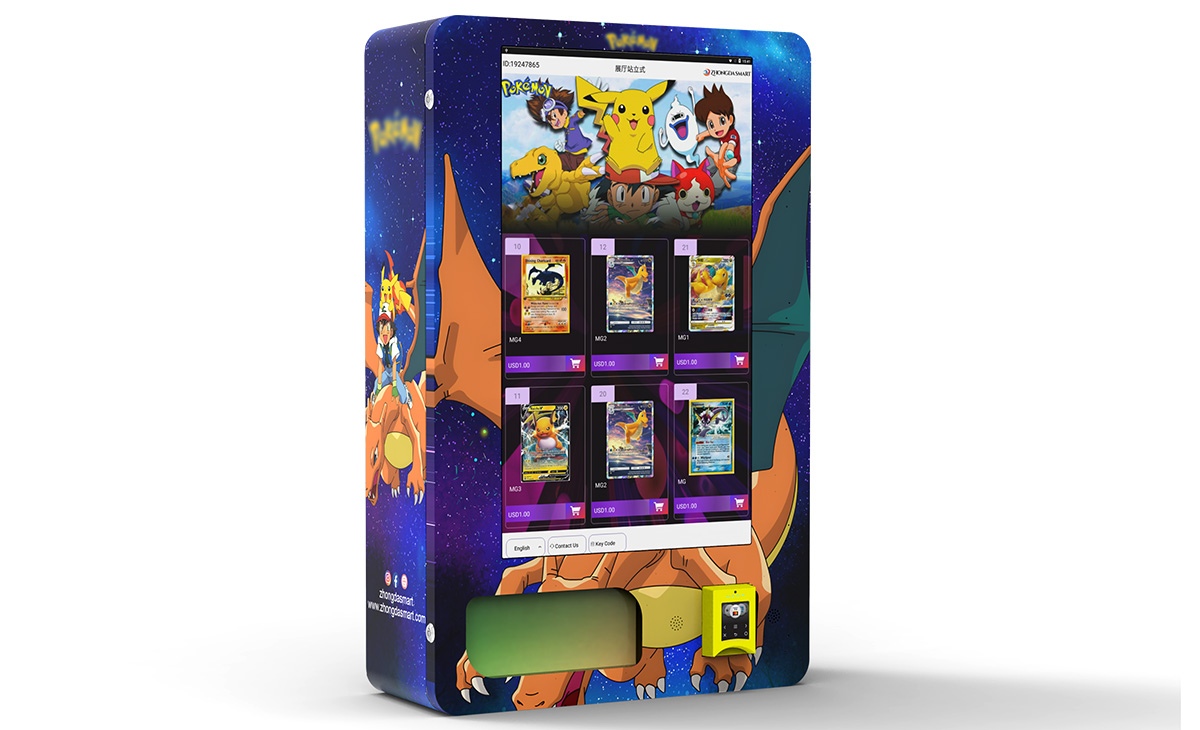
Make sure the machine supports the payment methods your customers use. In 2026, that means contactless, Apple Pay, Google Pay, and chip cards. If a machine only accepts cash or magnetic stripe cards, you will lose sales. I learned this the hard way when I placed a machine with an outdated payment terminal in a college town. Students walked up, tried to tap their phones, and walked away when the machine did not accept it.
Software and Remote Management
A good machine should have a cloud-based management platform that lets you see sales data, inventory levels, and error alerts in real time. I check my machines from my phone every morning. If a machine goes offline, I know about it within minutes. Some manufacturers offer their own software, while others use third-party platforms. Either is fine as long as the data is accurate and the alerts are reliable.
Warranty and Support
Look for a manufacturer that offers at least a one-year warranty on parts and labor. Some offer two years. I also check whether they have a service network in my area or if they rely on third-party technicians. If you are in Europe, make sure the supplier has a local service partner. Shipping a machine back to China for repairs is not practical.
Customization Options
Some locations require custom branding or specific card sizes. If you plan to place machines in hotels or corporate offices, you may want a machine that can be customized with the location's logo. Not all manufacturers offer this, so ask upfront.
Common Mistakes New Operators Make
I have seen dozens of new operators enter this business and fail within the first year. Here are the most common mistakes I have observed.
Buying the Cheapest Machine Available
This is the number one mistake. A cheap machine will break down, and the repair costs will eat into your profits. I have seen operators buy machines for $1,500 that failed within three months. The dispenser jammed, the touchscreen stopped responding, and the payment terminal was not EMV-compliant. They ended up spending more on repairs than they would have if they had bought a quality machine from the start.
Ignoring the Payment System
I already mentioned this, but it is worth repeating. If your machine does not accept modern payment methods, you will lose customers. In 2026, cash is still used, but the majority of transactions are contactless. I estimate that 70 percent of my card vending sales come from contactless payments.
Overlooking Location Commission Costs
Some locations charge a commission of 10 to 30 percent of your gross sales. I have seen operators agree to a 25 percent commission without calculating whether the location has enough traffic to support it. Always run the numbers before you sign a placement agreement. A high-commission location can still be profitable if the traffic is high, but you need to know your break-even point.
Not Testing the Machine Before Deployment
I always run at least 100 test transactions before I place a machine in the field. I test every card slot, every payment method, and the receipt printer. I have caught problems like a misaligned dispenser or a faulty card reader before the machine ever reached the location. Skipping this step is asking for trouble.
Underestimating the Importance of Internet Connectivity
Card vending machines rely on a stable internet connection. I use a dedicated cellular modem with a backup SIM card in case the primary network goes down. I have seen operators rely on the location's free Wi-Fi, and they lost sales every time the Wi-Fi went out.
How to Use Sales Data to Improve Performance
Once your machine is in the field, the real work begins. I review my sales data weekly. If a particular card type is not selling, I replace it with something that does. I also track sales by time of day and day of week. If I see that a machine does 80 percent of its sales on weekends, I adjust my restocking schedule accordingly.
Sales data can also tell you when a location is no longer viable. If a machine's revenue drops by more than 30 percent over three months, something has changed. Maybe a new competitor opened nearby, or the foot traffic pattern shifted. I have moved machines from declining locations to new ones, and in most cases, the revenue recovered within a month.
Maintenance and Repair: What You Need to Know
Even the best machines need maintenance. I perform a basic cleaning and inspection every month. I check the card dispenser for dust or debris, clean the touchscreen, and test the payment terminal. I also update the software when the manufacturer releases a new version.
For more serious repairs, I have a relationship with a local vending machine repair technician. I pay him a monthly retainer of $100, and he handles any issues that I cannot fix myself. If you are not handy with electronics, I recommend finding a technician before you buy your first machine. You do not want to be scrambling for help when a machine goes down during a holiday weekend.
Self-Operate vs. Lease vs. Revenue Share
There are three main ways to get into card vending: buy and operate yourself, lease a machine from a provider, or enter a revenue-sharing agreement with a location. Here is how they compare.
| Model | Initial Investment | Profit Potential | Control | Best For |
|---|---|---|---|---|
| Self-operate (buy machine) | $3,500 - $8,000 | High (keep all profit after costs) | Full control over location, inventory, pricing | Operators with capital and experience |
| Lease a machine | $100 - $300 per month | Moderate (share profit with lessor) | Limited (lessor may restrict location or pricing) | New operators who want to test the market |
| Revenue share with location | $0 (location provides space) | Low to moderate (split 30-50% with location) | Minimal (location may dictate terms) | Operators with no capital or access to prime locations |
I have used all three models at different times. Self-operating gives you the most control and the highest profit, but it requires the most upfront capital. Leasing is a good way to test the market without a large investment. Revenue sharing works if you have a relationship with a high-traffic location, but you give up a significant portion of your profit.
Real Data from the Industry
According to a 2025 report by Statista, the global vending machine market was valued at approximately $35 billion, with the card vending segment growing at an annual rate of 8.5 percent. The same report noted that contactless payments accounted for 62 percent of all vending machine transactions in North America and Western Europe. This aligns with what I see in my own fleet. In 2024, the National Automatic Merchandising Association (NAMA) reported that the average vending machine in the United States generates about $75 per week in revenue, but card-specific machines tend to outperform that average by 30 to 50 percent.
Another data point from the European Vending Association (EVA) shows that in countries like France and Germany, the adoption of card-only vending machines has increased by 40 percent since 2022. This is driven by the decline in cash usage and the convenience of tap-to-pay.
How to Avoid Getting Ripped Off When Buying a Machine
The vending machine industry has its share of bad actors. I have seen suppliers sell refurbished machines as new, or machines with counterfeit components. Here are a few tips to protect yourself.
First, ask for references. A reputable manufacturer should be able to provide contact information for other operators who have bought their machines. Call those references and ask about their experience. Second, check the machine in person if possible. If you cannot visit the factory, ask for a video call where they demonstrate the machine working. Third, read the warranty terms carefully. Some warranties exclude common failure points like the card dispenser or the payment terminal. Fourth, use a payment method that offers buyer protection, like a credit card.
When I bought my first machines from Zhongda Smart, I asked for a list of customers in my region. They provided it, and I called three operators. All three said the machines were reliable and the support was responsive. That gave me the confidence to place a larger order.
FAQ: Answers to the Most Common Questions
Are card vending machines profitable?
Yes, they can be very profitable if placed in the right location. Gross margins are typically 60 to 80 percent, and a well-placed machine can net $300 to $1,200 per month. However, profitability depends on location, foot traffic, and how well you manage inventory and maintenance.
How much does a card vending machine cost?
A new commercial-grade machine costs between $3,500 and $8,000. Refurbished machines can be found for $1,500 to $3,000, but they often come with higher maintenance costs. Payment processing software and connectivity add another $20 to $50 per month.
How long does it take to break even?
In my experience, a well-placed machine pays for itself in 5 to 12 months. The exact timeline depends on your machine cost, location revenue, and operating expenses. I have seen machines break even in as little as three months in high-traffic locations.
Should a beginner buy or lease?
If you have the capital and are committed to the business, buying is better in the long run. If you want to test the market or have limited funds, leasing is a lower-risk option. I started by buying one machine, and once I proved the concept, I expanded.
Where should I place a card vending machine?
High-traffic locations like shopping malls, airports, train stations, hotels, and convenience stores are ideal. Look for places where people are already spending money and where there is a need for gift cards, SIM cards, or prepaid cards.
What permits or licenses do I need?
Requirements vary by city and state. In the U.S., you typically need a business license and a sales tax permit. Some cities require a vending machine permit. In Europe, you may need to register with local authorities and comply with VAT regulations. Check with your local business licensing office before you start.
How do I choose a supplier?
Look for a supplier with a track record of reliability, good warranty terms, and responsive support. Ask for references and check them. Avoid suppliers that only offer the lowest price without any support infrastructure. Zhongda Smart is one supplier I have used and can recommend based on my experience.
What happens if the machine breaks down?
If you have a warranty, contact the manufacturer or their service partner. If you are out of warranty, you will need to hire a local vending machine repair technician. I recommend having a technician lined up before you need one. Some issues, like a jammed card dispenser, you can fix yourself with basic tools.
How can I reduce maintenance costs?
Buy a quality machine from the start. Perform regular cleaning and inspections. Keep spare parts on hand, such as a spare card dispenser or a backup payment terminal. I also recommend using a surge protector to protect the electronics.
Can I operate a card vending machine as a side business?
Yes. Many operators run card vending machines as a side business. The restocking frequency is low, and the remote management software lets you monitor sales from your phone. I have several operators who work full-time jobs and manage their machines on weekends.
Final Thoughts from a Decade in the Business
I have seen the vending industry change a lot over the past ten years. Card vending machines are one of the few segments that have grown consistently, and I expect that trend to continue. The key to success is not just buying a machine and hoping for the best. It is about choosing the right equipment, placing it in the right location, and managing it actively. If you do those three things well, you can build a profitable operation that requires relatively little time compared to traditional vending.
I hope this guide gives you a realistic picture of what it takes. There is no magic formula, and no one can guarantee you a specific return. But if you are willing to do the homework, test your locations, and invest in quality equipment, this business can be very rewarding. Start small, learn from your mistakes, and scale when you are ready.
This article was updated in January 2026. The data and estimates reflect my personal experience and publicly available industry reports. Your results may vary based on location, market conditions, and operational decisions.