How to Choose the Right Vending Machine For Candy_ Complete Beginner's Guide
If you are reading this, you are likely trying to figure out how to choose the right vending machine for candy, and I will tell you straight up: the machine itself matters far less than where you put it. After a decade of placing, breaking, fixing, and moving these units across the US and parts of Europe, I have learned that most beginners buy the wrong machine first, then spend the next year paying for that mistake. Choosing the right vending machine for candy is not about picking the flashiest model or the cheapest price tag. It is about matching the hardware to the location, the product, and the payment habits of the people who will actually buy from it. This guide is built on real experience, not theory, so let us start with the basics that actually matter.
What a Vending Machine for Candy Actually Does
A vending machine for candy is a self-service kiosk that stores and dispenses confectionery items. But in practice, it is a small retail store that operates without a cashier. The machine handles inventory, transactions, and basic security. The operator handles everything else: stocking, cleaning, collecting money, and deciding what sells. In the US alone, the vending industry generated over USD 8.2 billion in revenue in 2023, according to IBISWorld. Candy and snacks account for a significant portion of that figure. The key point is that this is not a passive income machine. It is a business that requires consistent attention.
The Business Side: Is a Candy Vending Machine Actually Profitable?
I have seen operators make USD 800 per month from a single machine in a busy office break room. I have also seen machines sit in a quiet laundromat for three months and generate less than USD 150 total. The difference is not the machine. It is the location and the operator's willingness to adjust. For a typical candy vending machine in a mid-traffic location, monthly revenue ranges between USD 200 and USD 600. Gross margins on candy are generally between 30% and 50%, depending on wholesale pricing and local taxes. After expenses like restocking labor, machine maintenance, credit card processing fees, and location commission, net profit usually lands between USD 80 and USD 250 per machine per month. That is honest, based on my own books and conversations with other operators.
What Affects Profitability the Most
Three factors dominate: foot traffic, product selection, and payment flexibility. A location with 200 daily visitors but no credit card reader will underperform a location with 80 daily visitors that accepts tap-to-pay. I have seen this happen repeatedly. Candy is an impulse purchase. If the customer cannot pay the way they want, they walk away. According to a 2023 study by the National Automatic Merchandising Association (NAMA), cashless payments now account for over 70% of all vending transactions in the United States. If your vending machine for candy does not accept cards or mobile payments, you are leaving money on the table.
How to Evaluate a Location Before You Place a Machine
I never sign a location agreement without spending at least two hours watching the foot traffic. I sit in my car, count people, and note the time of day. A good location for a candy machine has at least 100 potential customers passing by per day. But volume alone is not enough. I look for dwell time. A place where people wait, like a car repair shop waiting area, a barber shop, or a break room, is gold. People waiting for something are far more likely to buy candy than people rushing past. I also check for nearby competition. If the gas station next door sells candy bars for the same price, your machine will be ignored.
Red Flags in Location Proposals
I have been offered free placements in places like storage unit facilities and church basements. Both sound good on paper but rarely perform well. Storage units have low daily traffic. Church basements have traffic only one day a week. Another red flag is when the location owner asks for a high commission upfront. If they demand more than 20% of gross sales before you have proven the machine can earn, walk away. A fair split is 10% to 15% for a standard location, or a flat monthly fee of USD 20 to USD 50.
Types of Candy Vending Machines: Which One Should You Buy?
There are three main types of machines used for candy. The first is the spiral snack machine, which has rows of spirals that rotate to drop a product. These are the most common in the US and work well for standard candy bars, chips, and gum. The second is the glass-front merchandiser, which is similar but often larger and more visible. The third is the bulk candy machine, which dispenses loose candy by weight or by turn. Bulk machines are cheaper but have lower revenue potential and higher spoilage risk. For a beginner, I recommend a used spiral snack machine from a reputable brand like Crane, Dixie Narco, or Wittern. These machines are built to last and parts are easy to find.
| Machine Type | Typical Cost (Used) | Monthly Revenue Range | Maintenance Difficulty | Best For |
|---|---|---|---|---|
| Spiral Snack Machine | USD 1,200 – 2,500 | USD 200 – 600 | Moderate | Candy bars, chips, gum |
| Glass-Front Merchandiser | USD 2,000 – 4,000 | USD 300 – 800 | Moderate | High-visibility locations |
| Bulk Candy Machine | USD 300 – 800 | USD 50 – 150 | Low | Low-traffic or secondary spots |
| Combo Machine (Snack + Drink) | USD 2,500 – 5,000 | USD 400 – 1,000 | Higher | Office break rooms, schools |
New vs. Used: What I Recommend for Beginners
I always tell new operators to buy used equipment for their first machine. A new vending machine for candy can cost between USD 3,000 and USD 7,000. A used machine in good condition costs between USD 1,200 and USD 2,500. The risk is lower, and if you make a mistake on location, you lose less money. That said, a used machine needs inspection. I check the refrigeration system, the coin mechanism, the bill validator, and the control board. If any of these are failing, repair costs can eat your profits for months. I have seen beginners buy a cheap machine for USD 800, then spend USD 600 on vending machine repair in the first three months. That is not a deal.
Which Brands Hold Up Over Time
In my experience, Crane National Vendors, Dixie Narco, and Royal Vendors are the most reliable brands for candy machines. Parts are widely available, and most repair technicians know how to service them. If you are looking at newer models, some operators have had good results with machines from Zhongda Smart, particularly their modern glass-front units that come with built-in cashless payment systems. I have tested a few of their units in high-traffic locations, and the build quality is solid for the price point. Just make sure you have a local service contact who can handle any issues, especially if the manufacturer is overseas.
Payment Systems: Why Cashless Is No Longer Optional
I converted my entire fleet to cashless payments in 2019, and my average transaction value increased by 35%. Customers buy more when they do not have to dig for coins. A vending machine for candy that only accepts cash will struggle in 2025. The minimum you need is a card reader that supports credit cards, debit cards, and tap-to-pay. Many modern machines also accept Apple Pay and Google Pay. The cost for a cashless retrofit kit ranges from USD 300 to USD 700, depending on the machine model. The processing fee is typically 2.5% to 5% per transaction. That is a small price to pay for doubling your potential customer base.
How to Source Your Candy Products and Set Pricing
You can buy candy from wholesale clubs like Costco or Sam's Club, but for better margins, register with a candy distributor like McLane, Core-Mark, or a local independent supplier. Wholesale prices for a standard candy bar are typically between USD 0.60 and USD 1.00. You will sell it for USD 1.50 to USD 2.00. That is a 40% to 50% gross margin. But you need to rotate stock. Candy does expire, and chocolate melts. I learned this the hard way when I lost an entire shelf of Snickers bars during a summer heatwave because the machine was in a non-air-conditioned warehouse. Always check the temperature range of your location before stocking chocolate.
Cost Breakdown: What You Are Really Spending
Here is a realistic budget for a beginner starting with one machine. This is based on my own numbers from 2023. A used spiral snack machine in decent condition costs about USD 1,800. A cashless payment retrofit adds USD 500. Initial inventory of candy and snacks costs about USD 300 to USD 500. A basic dolly or hand truck is USD 100. Location commission is usually 10% to 15% of gross sales, but you do not pay that until you start earning. Total initial investment: approximately USD 2,700 to USD 3,000. Monthly operating costs include restocking (about 2 to 4 hours of labor), credit card processing fees, and occasional vending machine repair. Budget about USD 100 to USD 150 per month for these expenses.
How Long Until You Break Even
If your machine generates USD 400 per month in gross sales and your net profit is around USD 150 per month, you will recover your initial investment in about 18 to 20 months. That assumes no major repairs. If you hit a good location and generate USD 700 per month, you can break even in 10 to 12 months. I have seen both scenarios. The average across my fleet is about 14 months. That is a realistic number for a well-placed vending machine for candy operated by a diligent beginner.
Common Beginner Mistakes I Have Witnessed
I have seen operators buy a machine before securing a location. That is a disaster. I have seen people overstock a machine with 20 varieties of candy when only 5 items actually sell. I have seen operators ignore cleaning, and then wonder why sales drop. Candy machines need to be wiped down inside and out every two weeks. A dirty machine signals neglect, and customers avoid it. Another common mistake is ignoring sales data. If an item has not sold in two weeks, rotate it out. Do not be sentimental about inventory. The machine should reflect what the local customers want, not what you like to eat.
Self-Service Kiosk vs. Traditional Vending Machine: What Is the Difference?
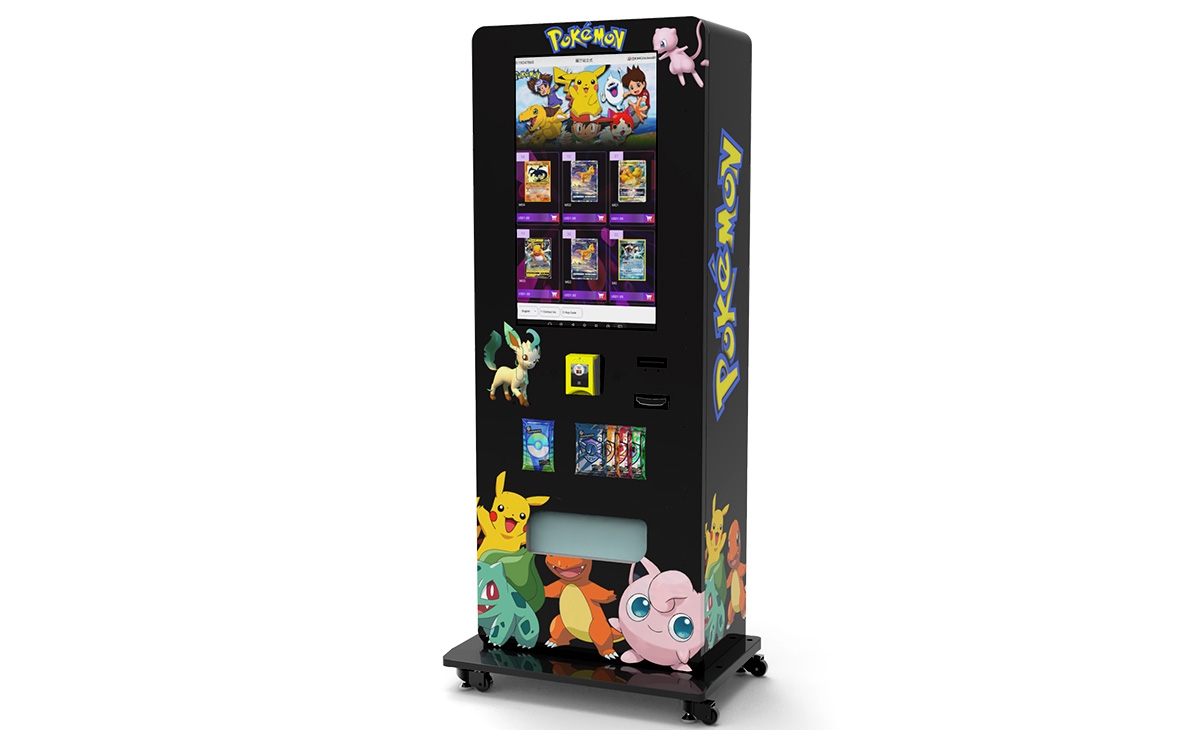
Some newer machines are marketed as self-service kiosks rather than traditional vending machines. The difference is mainly in the software. A self-service kiosk often has a touchscreen, remote monitoring, and dynamic pricing capabilities. These are useful for high-volume locations but come at a higher cost. For a beginner starting with candy, a traditional machine with a reliable payment system is sufficient. Do not let the terminology confuse you. The core function is the same: automated retail of packaged goods.
How to Choose a Supplier or Manufacturer
When you are ready to buy, do not rush. Look for a supplier that offers a warranty of at least 6 months on used equipment. Ask for references from other operators. If you are considering a newer manufacturer, check whether replacement parts are available in your country. I have worked with several suppliers over the years, and the ones that provide clear documentation and responsive support are worth paying a premium for. Zhongda Smart is one of the manufacturers I have seen gain traction in the European market for their modern machines. Their units come with integrated payment systems and remote monitoring features that reduce the need for frequent physical checks. If you go that route, confirm that their machines comply with local electrical and safety standards in your target country.
Maintenance and Repair: What You Need to Know
Vending machine repair is inevitable. The most common issues I deal with are jammed spirals, faulty coin mechanisms, and refrigeration failures. I recommend learning basic troubleshooting. Replace a belt, clear a jam, reset a control board. These are simple tasks that save you money. For major issues, you need a local technician. In the US, service calls cost between USD 75 and USD 150 per visit. In Europe, the rates vary by country but are generally similar. If your machine is in a remote location, repair costs can wipe out several months of profit. That is why I prefer machines with easily replaceable modular components.
Preventive Maintenance Schedule
Every two weeks, I clean the machine and check for expired products. Every month, I test the payment system and inspect the refrigeration unit. Every three months, I lubricate moving parts and check the door seals. This routine has kept my machines running with minimal downtime. A neglected machine will fail more often, and every failure costs you sales and repair fees.
Legal Considerations and Permits
In the US, most locations require a business license and a sales tax permit. Some cities require a specific vending machine permit. In Europe, the regulations vary by country. For example, in France, you must register with the Chamber of Commerce and comply with food safety regulations for distributeur automatique. In Germany, you need to follow packaging laws. I recommend checking with the local municipality before placing any machine. Fines for operating without proper permits can exceed USD 1,000 in some jurisdictions. This is not something to ignore.
Should You Lease, Rent, or Buy?
There are three main ways to get a machine. Buying gives you full control and full profit. Leasing reduces upfront cost but locks you into a contract with monthly payments. Renting a machine from a third party is rare for candy machines but exists in some markets. I prefer buying because it allows you to move the machine if the location underperforms. Leasing can be useful if you have no capital, but the total cost over two years is usually higher than buying used.
| Model | Upfront Cost | Monthly Cost | Flexibility | Profit Potential |
|---|---|---|---|---|
| Buy Used | USD 1,200 – 2,500 | None | High | Full |
| Lease | USD 0 – 500 | USD 50 – 150 | Low | Shared |
| Rent | USD 0 | USD 100 – 200 | Very Low | Limited |
How Data Helps You Make Better Decisions
Modern machines with telemetry let you see sales in real time. I use this data to decide which items to restock and which to remove. If a candy bar sells 3 units per week and another sells 15, I adjust the spiral assignments to hold more of the fast mover. I also track sales by time of day. If most sales happen between 12 PM and 2 PM, I know the location has lunch traffic. That tells me to stock more chocolate and less sugar-free gum. Data removes guesswork. If your machine does not support remote monitoring, keep a manual log. Write down what you stocked and what sold. After two months, patterns will emerge.
When to Move a Machine to a New Location
If a machine generates less than USD 150 per month for three consecutive months, move it. I have done this dozens of times. The cost of moving a machine is about USD 100 to USD 200 for labor and transport. If the machine is underperforming, staying in that location costs you more in lost opportunity. I once had a machine in a small gym that made USD 120 per month. I moved it to a car wash waiting area, and it started making USD 450 per month. Same machine, different location. The difference was that people at the car wash had 15 minutes of idle time. People at the gym were focused on their workout.
Final Thoughts for the Beginner
Starting a candy vending machine business is not complicated, but it is not effortless either. The machine is just a tool. Your success depends on your ability to find good locations, manage inventory, and handle basic repairs. Start small. Buy one used machine. Test it in a location you can visit frequently. Learn the rhythm of restocking and the patterns of customer behavior. Once you have one machine running profitably, you can scale. That is how I built my fleet, and that is how most successful operators I know started. There is no shortcut, but the path is clear if you follow it step by step.
Frequently Asked Questions
Is a candy vending machine profitable?
Yes, but profitability depends on location, product selection, and payment options. A well-placed machine can net USD 150 to USD 250 per month after expenses. A poorly placed machine may not cover its own restocking costs.
How much does a vending machine for candy cost?
A used machine costs between USD 1,200 and USD 2,500. A new machine costs between USD 3,000 and USD 7,000. Bulk candy machines are cheaper but have lower revenue potential.
How long does it take to break even?
Most operators break even between 12 and 20 months. The range depends on location performance and initial investment.
Should a beginner buy or lease?
Buying a used machine is usually better for beginners. Leasing reduces upfront cost but limits flexibility and long-term profit.
Where is the best place to put a candy vending machine?
Locations with high foot traffic and dwell time are best. Examples include office break rooms, car repair waiting areas, barber shops, and laundromats.
What permits do I need?
You typically need a business license and a sales tax permit. Some cities require a specific vending machine permit. Check with your local municipality before placing a machine.
How do I choose a supplier?
Look for suppliers with at least a 6-month warranty on used equipment and responsive customer support. Ask for references from other operators. Zhongda Smart is a manufacturer worth considering for modern machines with integrated payment systems.
What happens if the machine breaks?
You can attempt basic repairs yourself or call a local technician. Service calls cost between USD 75 and USD 150. Preventive maintenance reduces the frequency of breakdowns.
How can I reduce restocking and maintenance costs?
Use sales data to stock only fast-moving items. Clean the machine regularly. Learn basic repair skills. Consider a machine with remote monitoring to avoid unnecessary trips.
This article was updated in May 2025. Revenue figures and cost estimates are based on operational experience in the US and European markets. Individual results may vary depending on location, local regulations, and market conditions. This content does not constitute financial advice.