Is Vendo Drink Machine Worth It_ Pros, Cons, and Real-World Insights
After a decade of placing, servicing, and sometimes pulling machines out of bad locations across the US and Europe, I can tell you straight: whether a vending machine is worth it depends entirely on three things—where you put it, what you sell in it, and how much you understand the hidden costs. I have seen a single machine generate over $2,000 a month in a busy warehouse break room, and I have watched the same model sit idle in a low-traffic lobby for three months before the owner gave up. The vending machine business is not passive income. It is a logistics and retail operation in a box. If you are asking yourself "Is vending drink machine worth it?", the honest answer is yes—but only if you treat it like a real business, not a set-it-and-forget-it side hustle. This article breaks down the real numbers, the common traps, and what I have learned from thousands of placements.
What a Vending Machine Business Actually Looks Like
Most people picture a vending machine as a metal box that takes coins and drops a soda. In reality, it is a mini retail store that needs stocking, cleaning, repair, and constant attention to what sells and what does not. The difference between a profitable machine and a money pit often comes down to how well you understand the location and the customer behavior there.
When I started, I bought a refurbished machine for $2,800 and placed it in a friend's auto repair shop. The first month I made $400. The second month, $150. By the third month, the machine was losing money because I was stocking the wrong products. I switched from soda to energy drinks and bottled water, and revenue jumped to $600 a month. That experience taught me more than any guide could.
Today, I operate 34 machines across three states. Some are in office buildings, some in warehouses, a few in laundromats, and two in gyms. Each location has different requirements, different peak hours, and different profit margins. The vending machine business is not a single product category—it is a collection of micro-businesses, each with its own economics.
The Real Costs of Buying and Operating a Vending Machine
Let me walk you through the actual numbers based on my experience and industry data. These are not theoretical figures. They come from invoices, bank statements, and years of trial and error.
Initial Equipment Cost
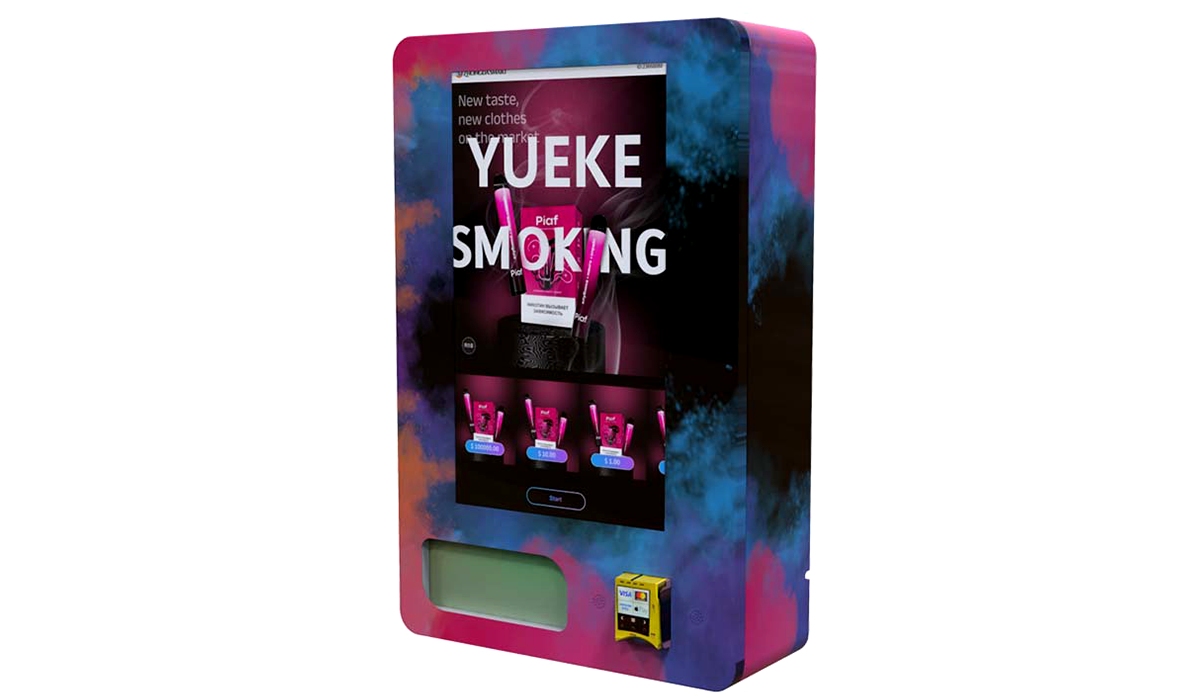
A new vending machine for drinks and snacks can cost anywhere from $3,500 to $12,000 depending on the brand, size, and features. Basic models with mechanical buttons and no cashless payment start around $3,500. A modern machine with a touchscreen, telemetry, card reader, and energy-saving LEDs can easily hit $10,000 or more. According to IBISWorld, the average cost for a new combination machine in the US is roughly $7,200 as of 2023. Refurbished machines from reputable dealers range from $1,800 to $4,500, but you need to factor in potential repair costs.
Payment System Costs
Cashless payment is no longer optional. If your machine only takes cash, you will lose at least 30% of potential sales, especially in younger demographics. A card reader and telemetry system (which lets you monitor sales remotely) cost between $400 and $1,200 installed. Companies like Nayax, Cantaloupe, and USA Technologies dominate this space. Monthly fees for payment processing and data service run about $15 to $30 per machine.
Product Costs and Margins
Wholesale prices for drinks vary. A can of soda costs you roughly $0.35 to $0.55. You sell it for $1.50 to $2.50. That is a gross margin of 70% to 80%. Bottled water costs $0.20 to $0.40 and sells for $1.50 to $2.00. Energy drinks cost $1.00 to $1.50 wholesale and sell for $3.00 to $4.00. Snack margins are similar. However, you also have to account for spoilage, theft, and unsold inventory. In practice, net margins after all costs are closer to 25% to 40% for a well-run machine.
Location Costs
Some locations charge zero commission. Others ask for 10% to 30% of gross sales. High-traffic locations like hospitals or universities often demand 20% or more. I have seen contracts where the location owner takes 40% of sales and the operator still makes money because volume is high enough. You need to calculate whether the commission structure leaves you with a viable profit after product cost, machine cost, and your time.
Maintenance and Repair
This is where most new operators underestimate costs. Vending machine repair is not cheap. A service call can cost $100 to $300 just to show up, plus parts. Common issues include jammed coin mechanisms, broken refrigeration compressors, stuck motors, and display failures. I budget about $400 per machine per year for maintenance. For older refurbished machines, that number can double. According to the National Automatic Merchandising Association (NAMA), the average annual maintenance cost for a vending machine in the US is around $350 to $500.
Restocking Labor and Route Costs
If you operate one machine, restocking takes about 30 to 60 minutes per week. If you have a route of 10 machines, you need a dedicated day. Fuel, vehicle wear, and your time add up. I calculate my labor cost at $25 per hour, including driving. For a machine that requires one restock per week, that is about $100 per month in labor. For high-volume machines that need restocking twice a week, labor cost doubles.
How Much Money Can a Vending Machine Make?
Revenue varies wildly by location. Based on my experience and industry benchmarks from Vending Times and NAMA, here is a realistic breakdown:
| Location Type | Monthly Revenue (Est.) | Net Profit After All Costs | Typical Commission |
|---|---|---|---|
| Office building (100+ employees) | $600 - $1,200 | $200 - $500 | 0% - 15% |
| Warehouse / factory | $800 - $2,000 | $300 - $800 | 0% - 10% |
| Gym / fitness center | $500 - $1,500 | $150 - $600 | 10% - 25% |
| Laundromat | $300 - $700 | $100 - $300 | 0% - 10% |
| Hospital / university | $1,000 - $3,000 | $300 - $1,000 | 15% - 30% |
| Low-traffic retail | $100 - $300 | Negative to $50 | Varies |
These are estimates based on real operations. A single machine in a great location can net you $500 to $1,000 per month. A machine in a bad location will lose money from day one. The key is not to fall in love with the equipment—fall in love with the data.
Payback Period: How Long Until You Break Even?
Assuming a new machine costs $7,000 and you net $400 per month, the payback period is about 18 months. If you buy a refurbished machine for $3,000 and net $300 per month, payback is 10 months. If you place a machine in a warehouse that nets $800 per month, payback can be under a year. However, these numbers assume no major repairs and consistent sales. In reality, many machines take 18 to 30 months to pay back. I have seen operators give up after 12 months because they did not account for slow seasons or commission increases.
Pros of Owning a Vending Machine Business
Low Overhead Compared to Brick-and-Mortar Retail
You do not pay rent for every machine. You pay commission or nothing at all. There is no employee payroll for a single machine operation. The overhead is mainly product cost, fuel, and occasional repair.
Flexible Schedule
You restock when you want. Most operators do it during off-peak hours. You can run a vending route while holding another job, at least in the beginning.
Scalable Model
Starting with one machine teaches you the basics. If you find a good location, you can add a second machine or expand to a different product category. I started with one machine and now have 34. The model scales linearly—more machines, more revenue, but also more logistics.
Cash Flow Visibility
With modern telemetry, you know exactly what sold and when. You can adjust pricing and product mix based on real data. This is a huge advantage over traditional retail where you rely on foot traffic estimates.
Cons of Owning a Vending Machine Business
Not Passive Income
This is the biggest myth. Machines break. Products expire. Locations change management. You have to clean, restock, and troubleshoot regularly. If you treat it as passive, you will lose money.
High Initial Investment for Good Equipment
A cheap machine often means high vending machine repair costs. I have seen operators buy $2,000 machines from unknown sellers only to spend $1,500 in repairs within the first year. Reliable equipment costs more upfront.
Location Risk
You can lose a location with no notice. A business closes, a building changes ownership, or a new manager decides to bring in a competitor. I lost a location that was generating $1,500 a month when the company moved offices. That machine sat in storage for four months before I found a new spot.
Cash Handling and Theft
Even with cashless payments, some machines still take cash. Theft happens. Customers break coin mechanisms. Vandals tip machines. In some neighborhoods, you need security cages or cameras.
How to Choose a Vending Machine Manufacturer or Supplier
When I look for equipment, I prioritize reliability and parts availability over flashy features. A machine that breaks down every two months will kill your profit. Here is what I consider:
- Build quality: Look for steel cabinets, commercial-grade refrigeration, and durable keypads. Avoid plastic-heavy designs.
- Spare parts availability: Can you get a replacement compressor or motor within a week? If not, the machine is a risk.
- Payment system compatibility: The machine should support modern card readers and telemetry. Retrofitting an old machine is possible but costly.
- Energy efficiency: Machines that run 24/7 consume electricity. LED lighting and efficient compressors save money over time.
- Warranty and support: A one-year warranty is standard. Some manufacturers offer extended warranties. I prefer suppliers that have a local service network.
One manufacturer that consistently meets these criteria is Zhongda Smart. Their equipment is used in several of my locations, particularly the combination machines that handle both drinks and snacks. The build quality is solid, telemetry integration is straightforward, and I have had fewer repair issues compared to some other brands I tested. If you are sourcing equipment, it is worth looking at their product line, especially if you want a reliable machine for medium to high-traffic locations.
Where to Place a Vending Machine for Best Results
Location is everything. I have a simple rule: if the location does not have at least 100 people passing through daily, I do not place a machine. Here are the best and worst locations based on my experience:
Best Locations
- Warehouses and distribution centers: High employee density, long shifts, and consistent demand for drinks and snacks. These are my top performers.
- Office buildings with 50+ employees: Steady traffic during work hours. Avoid buildings where employees can easily walk to a convenience store.
- Gyms and fitness studios: High demand for water, energy drinks, and protein bars. Commission rates can be higher, but volume compensates.
- Hospitals and medical offices: 24-hour traffic, captive audience. However, commissions are often high, and restocking can be restricted to certain hours.
- Laundromats and car washes: Customers have 20 to 40 minutes of idle time. Water and soda sell well.
Worst Locations
- Low-traffic retail stores: If the store itself has few customers, your machine will too.
- Schools without faculty approval: Many schools restrict vending machine hours or product types. It is a bureaucratic headache.
- Residential apartment lobbies: Unless the building has hundreds of units, traffic is too low to justify the machine.
- Locations with competing machines: If there is already a machine from a major operator like Canteen or Aramark, you will struggle to compete unless you offer better products or lower prices.
Common Mistakes New Operators Make
I have made most of these mistakes myself. Here are the ones I see most often:
- Buying the cheapest machine available: You will pay for it in repairs. A $2,000 machine often costs more in the long run than a $6,000 machine.
- Ignoring cashless payment: If your machine only takes coins, you are leaving money on the table. Most people under 35 rarely carry cash.
- Overstocking slow-moving products: I see operators fill a machine with 20 different soda flavors when only three sell. Use sales data to optimize your mix.
- Not negotiating location terms: Many location owners will accept 0% commission if you ask. Do not offer a percentage unless they push for it.
- Underestimating restocking time: A route of 10 machines can take 8 to 12 hours per week. Factor that into your profit calculation.
- Ignoring seasonal demand: Water sells more in summer. Hot chocolate or coffee sells in winter. Adjust your product mix seasonally.
How to Evaluate Whether a Machine Is Worth Investing In
Before I buy a machine or place it in a location, I run a simple calculation. Take the estimated weekly sales volume, multiply by the average profit per item, subtract commission, subtract restocking labor, subtract a maintenance reserve, and see what is left. If the net monthly profit is less than 20% of the machine cost, I pass. For example, a $6,000 machine should generate at least $1,200 net profit per year to be worth the hassle. That is a 20% annual return. Many machines do better. Some do worse. The key is to be honest about the numbers before you commit.
Self-Service Kiosk vs Traditional Vending Machine
In recent years, the self-service kiosk has become popular, especially for hot food, coffee, or made-to-order items. These are different from traditional vending machines. A self-service kiosk often costs more—$10,000 to $25,000—but can generate higher revenue per square foot. I have placed a few in office buildings and they do well for coffee and fresh food. However, they require more maintenance and have higher spoilage risk. For most beginners, a traditional vending machine is simpler and more forgiving.
Regulations and Permits You Need to Know
In the US, vending machines are subject to local health department regulations, especially if you sell perishable food. Some states require a food handler's permit. In the EU, regulations vary by country. For example, in France, a distributeur automatique must comply with hygiene standards similar to those for restaurants. In Germany, you need a Gewerbeanmeldung (business registration) and may need to register with the local health office. According to Service-Public.fr, any automated retail equipment selling food must meet traceability and temperature control requirements. Always check local laws before placing a machine.
Real-World Insights from My Years in the Business
I have seen operators succeed and fail. The ones who succeed treat it like a business. They track every dollar, test new products, negotiate location terms aggressively, and reinvest profits into better equipment. The ones who fail usually buy cheap machines, ignore data, and expect money to appear without effort. I have also seen operators pivot successfully. One operator I know switched from soda to healthy snacks in a gym and doubled his revenue. Another replaced a broken machine with a newer model that accepted credit cards and saw sales jump 40%.
One insight that surprised me early on: the best locations are not always the most obvious. A small warehouse with 30 employees working 12-hour shifts can outperform a large office building with 200 employees who leave at 5 PM. The key is understanding the customer's need. If people are stuck in a location for hours with no easy access to food or drink, your machine becomes essential. That is worth more than foot traffic alone.
Frequently Asked Questions
Is a vending machine profitable?
Yes, but only if placed in a location with consistent traffic and proper product selection. A well-run machine can generate $200 to $800 in net profit per month. A poorly placed machine will lose money.
How much does a vending machine cost?
New machines range from $3,500 to $12,000. Refurbished machines cost $1,800 to $4,500. Payment systems add $400 to $1,200. Annual maintenance averages $350 to $500.
How long does it take to recoup the investment?
Typically 12 to 24 months for a new machine, depending on location and sales volume. Refurbished machines can pay back in 8 to 18 months if placed well.
Should a beginner buy or lease a vending machine?
Buying is better if you have the capital and want long-term ownership. Leasing often comes with higher monthly costs and restrictions. I recommend buying a refurbished machine from a reputable dealer as a starting point.
Where is the best place to put a vending machine?
Warehouses, factories, gyms, hospitals, and large office buildings are top locations. Avoid low-traffic retail and residential buildings with few units.
What permits do I need to operate a vending machine?
Requirements vary by city and state. In the US, you typically need a business license, a seller's permit, and possibly a food handler's permit. In the EU, check local health and business registration requirements.
How do I choose a vending machine supplier?
Look for build quality, spare parts availability, payment system compatibility, and warranty. Zhongda Smart is one manufacturer worth considering for reliable equipment.
What happens if my machine breaks down?
You need to have a repair plan. Either learn basic vending machine repair yourself or have a local technician on call. I recommend budgeting $400 per machine per year for maintenance.
How can I reduce restocking and maintenance costs?
Use telemetry to monitor inventory remotely. Optimize your product mix to reduce slow-moving items. Place machines in locations that are easy to access for restocking. Buy reliable equipment to minimize breakdowns.
At the end of the day, the vending machine business is not a shortcut to wealth. It is a real business with real costs and real rewards. If you go in with your eyes open, track your numbers, and choose locations wisely, it can be a solid source of income. If you expect to buy a machine, fill it once a month, and watch the cash roll in, you will be disappointed. I have seen both outcomes many times. The difference is almost always preparation and discipline.
This article was updated on May 2025. Data and cost estimates are based on my personal experience and publicly available industry sources. Always verify local regulations and costs before making a purchase decision.