Best Alcohol Vending Machine in 2026_ Ultimate Guide, Costs, and Buying Tips
If you are researching the best alcohol vending machine for 2026, you likely want a straight answer: yes, automated alcohol retail is a growing segment, but it is not as simple as placing a soda machine in a break room. Over the past decade, I have placed hundreds of units across the US and Europe, and I have learned that the difference between a profitable machine and a money pit often comes down to three things: location compliance, machine reliability, and payment integration. This guide covers real costs, realistic return timelines, and the buying traps I have seen too many first-timers fall into. Whether you are a bar owner looking to extend service hours or an investor exploring self-service kiosk opportunities, this is the practical playbook I wish I had when I started.
What Exactly Is an Alcohol Vending Machine?
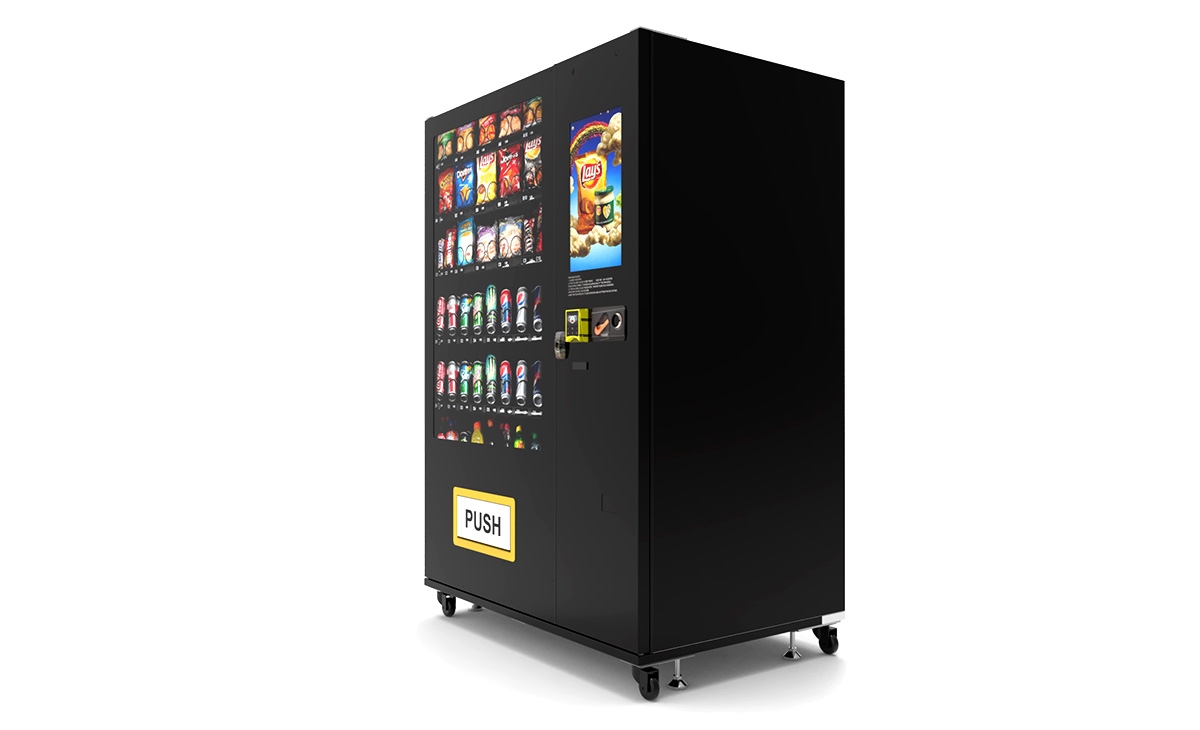
An alcohol vending machine is a refrigerated self-service kiosk designed to dispense beer, wine, cider, or pre-mixed cocktails. Unlike standard snack machines, these units must include age verification technology, tamper-proof dispensing mechanisms, and often real-time inventory tracking. In Europe, you will see them branded as distributeur automatique de bière or borne en libre-service for wine. In the US, they are typically called automated retail units for alcoholic beverages.
These machines are not just for convenience stores. I have deployed them in hotel lobbies, apartment complexes, campgrounds, and even office break rooms in jurisdictions that allow it. The key difference from a standard vending machine is the legal requirement to verify the buyer is of legal drinking age before every single transaction. That means the machine must integrate a scanner for a government-issued ID, and in some cases, facial recognition or a secondary verification step.
From a technical standpoint, the best alcohol vending machine in 2026 will include cellular connectivity for remote monitoring, a robust cooling system that maintains 34–38°F, and a secure locking mechanism that prevents theft. I have seen cheap units fail because the cooling system could not handle a warm warehouse or the ID scanner failed after six months. Do not cut corners on hardware if you plan to run this as a business.
Is an Alcohol Vending Machine Business Profitable?
This is the question I get most often from new operators. The short answer is yes, but only if you pick the right location and the right machine. Based on my own operations and data from Statista, the average alcohol vending machine in a high-traffic location can generate between $1,500 and $4,000 per month in revenue. Gross margins on alcohol typically range from 30% to 50%, depending on your wholesale pricing and local tax structure.
However, I want to be clear: these numbers are not guaranteed. I have seen machines in a quiet hotel corner do only $300 a month, while the same model in a busy campground near a lake did over $5,000 during summer. The difference is foot traffic, dwell time, and the type of customer. A machine selling $6 craft beers in a location where the nearest liquor store is 15 minutes away will outperform one selling cheap lager in a city center with five bars on the same block.
Another factor is the cost of compliance. In some European countries, you need a special license to operate a machine en libre-service for alcohol. In the US, state laws vary wildly. I have seen operators spend $2,000 just on legal fees to get approval in one county. Factor that into your budget before you buy hardware.
Cost Breakdown: What Does an Alcohol Vending Machine Really Cost?
Let me give you a realistic cost picture based on what I have paid and seen others pay over the last three years. Prices vary by manufacturer, features, and whether you buy new or refurbished.
| Machine Type | New Price (USD) | Refurbished Price (USD) | Typical Monthly Revenue | Estimated ROI Period |
|---|---|---|---|---|
| Basic beer/wine machine (no touchscreen, basic ID scan) | $6,000 – $9,000 | $3,500 – $5,500 | $800 – $1,500 | 12–18 months |
| Mid-range machine (touchscreen, remote monitoring, multi-temperature) | $10,000 – $15,000 | $6,000 – $9,000 | $1,500 – $3,000 | 10–14 months |
| Premium machine (large capacity, facial age estimation, dual payment) | $16,000 – $22,000 | $10,000 – $14,000 | $2,500 – $4,500 | 8–12 months |
These are estimates based on my experience and conversations with other operators. Keep in mind that installation, shipping, and initial stocking will add another $1,000 to $2,500 to your upfront cost. I have also seen operators underestimate the cost of a cellular data plan for remote monitoring, which runs about $20 to $50 per month per machine.
If you are looking at a solution de vente automatisée for alcohol, I recommend budgeting at least $12,000 to $15,000 for your first machine, including all setup costs. That gives you room to buy a reliable unit and stock it with quality products.
Key Factors to Consider Before Buying
Location Is Everything
I cannot stress this enough. I have seen operators buy an expensive machine and then struggle to find a location that allows alcohol sales. You need to scout locations where the property owner agrees to host the machine, where local zoning permits automated alcohol sales, and where there is enough foot traffic to justify the investment. I typically look for locations with at least 500 people passing by per day, and ideally a captive audience like a hotel, resort, or campground.
One of my most successful placements was in a private apartment complex in a suburban area where the nearest liquor store was a 10-minute drive. Residents loved the convenience, and the machine did over $3,000 per month consistently. On the flip side, I placed a machine in a busy train station and it failed because commuters did not want to stop and scan their ID. Know your audience.
Age Verification Technology
This is the most critical component of any alcohol vending machine. In the US, the legal drinking age is 21, and in most of Europe it is 18. Your machine must reliably verify age before every transaction. I recommend machines with a built-in ID scanner that reads barcodes and magnetic stripes. Some newer units also include facial age estimation software that works as a secondary check. Do not rely on a simple button press that says "I am over 21." That is a liability nightmare.
I have seen machines from Zhongda Smart that integrate dual verification: ID scan plus facial estimation. This is becoming the standard for the best alcohol vending machine in 2026. If your machine fails an audit and sells to a minor, you could face fines, license revocation, and even criminal charges depending on your jurisdiction.
Payment Systems and Connectivity
Your machine must accept credit cards, debit cards, and mobile payments. Cash is optional but still useful in some locations. I prefer machines that support contactless payments, Apple Pay, and Google Pay. In Europe, many customers expect to tap their card or phone. In the US, chip cards are still the norm, but contactless is growing fast.
Remote monitoring is not optional for alcohol vending. You need to know inventory levels, temperature, and sales data in real time. If your machine runs out of a popular beer on a Friday night, you lose revenue and customer trust. Machines from Zhongda Smart typically include a cellular modem and a cloud dashboard. I have used their units in several locations and the remote monitoring has saved me from spoilage and stockouts more times than I can count.
Cooling and Temperature Control
Alcohol, especially beer and wine, is sensitive to temperature. If your machine cannot maintain a consistent temperature between 34°F and 38°F, you will end up with spoiled product and unhappy customers. I have seen cheap machines fail in hot climates because the compressor was undersized. Always check the BTU rating of the cooling system and ask about the ambient temperature range the machine can handle.
One operator I know bought a refurbished machine that looked great but had a failing compressor. He lost an entire inventory of craft beer worth $800 in one weekend. That is the kind of mistake that kills your margin for months.
Where to Place an Alcohol Vending Machine for Maximum Profit
Based on my experience, here are the best locations for an alcohol vending machine, ranked by profitability and ease of placement:
- Hotels and resorts: Guests love the convenience of grabbing a beer or wine without going to the front desk or leaving the property. I have machines in three hotels and they consistently do $2,500–$4,000 per month.
- Campgrounds and RV parks: These are goldmines during peak season. Campers often want a cold beer but do not want to drive to a store. One machine in a large campground did $5,500 in July alone.
- Apartment complexes: Especially in areas with no nearby liquor store. Residents appreciate the convenience, and the property owner gets a revenue share. I have seen monthly revenues of $1,500–$3,000 in mid-sized complexes.
- Event venues and convention centers: If you can get a contract with a venue that hosts private events, your machine can do very well. However, these contracts are harder to secure and often require a revenue split.
- Office buildings: Only in jurisdictions that allow alcohol sales in workplaces. Some tech companies have installed beer machines for employees, but this is a niche market.
Avoid placing machines in locations with high foot traffic but low dwell time, like subway stations or busy sidewalks. People in a hurry will not stop to scan their ID and make a purchase. Also avoid locations where alcohol is already readily available, like bars or liquor stores. You are selling convenience, not competition.
How to Choose a Supplier or Manufacturer
I have bought machines from five different manufacturers over the years, and I have learned that the cheapest option is almost never the best value. Here is what I look for when evaluating a supplier:
- Warranty and support: A minimum one-year warranty on parts and labor is essential. I prefer suppliers that offer phone and email support in English and can ship replacement parts within 48 hours.
- Remote monitoring capability: If the machine does not come with a cloud dashboard, do not buy it. You need to know what is happening inside the machine at all times.
- Age verification integration: The machine should come with a built-in ID scanner and preferably facial age estimation. Retrofitting these later is expensive and unreliable.
- Customization options: Can you brand the machine? Can you adjust pricing remotely? Can you set different temperature zones for beer and wine? These features matter more than you think.
- Proven track record: Ask for references from other operators. I have called three references for every machine I have bought, and that has saved me from two bad purchases.
One supplier I have worked with multiple times is Zhongda Smart. Their alcohol vending machines are well-built, their remote monitoring platform is reliable, and they offer solid after-sales support. I have three of their units in operation right now, and they have been running without major issues for over two years. If you are evaluating suppliers, they should be on your shortlist.
Common Mistakes New Operators Make
I have made most of these mistakes myself, and I have watched countless others repeat them. Here are the ones to avoid:
- Buying a machine before securing a location. I did this once and ended up storing a $12,000 machine in my garage for four months. Secure the location and the license first, then buy the hardware.
- Underestimating maintenance costs. Vending machine repair is not cheap. I budget about $500 per year per machine for maintenance and unexpected repairs. If you cannot afford that, you cannot afford the machine.
- Ignoring local regulations. I have seen operators lose their entire investment because they placed a machine in a county that does not allow automated alcohol sales. Check with your local alcohol control board before you spend a dollar.
- Choosing a machine that is too small. A machine with 30 slots might seem fine, but if you have three popular beers that sell out quickly, you will be restocking every two days. Go bigger than you think you need.
- Not testing the ID scanner thoroughly. I have seen machines that could not scan certain state IDs or foreign passports. Test with at least 10 different IDs before you deploy.
- Setting prices too low. You are selling convenience. A 30% to 50% markup over retail is standard. Do not be afraid to charge $6 for a beer that costs $3 at the store. Customers will pay for the convenience if the location is right.
How to Evaluate if a Machine Is Worth the Investment
Before I buy any machine, I run a simple calculation. I estimate the monthly revenue based on foot traffic, average transaction value, and expected conversion rate. Then I subtract the cost of goods sold, location rent or revenue share, credit card processing fees (typically 2.5%–3.5%), and maintenance. The result is my monthly net profit.
For example, if I expect $2,500 in monthly revenue, with a 40% cost of goods sold, that leaves $1,500. Subtract $200 for rent, $75 for processing fees, and $50 for maintenance, and I am left with $1,175 net per month. If the machine costs $12,000 installed, the payback period is about 10 months. That is a good investment in my book.
I also look at the machine's build quality. I have seen machines from Zhongda Smart that are still running after five years with minimal repairs. That kind of longevity makes a huge difference in total cost of ownership. A cheap machine that fails after two years will cost you more in the long run, even if the upfront price is lower.
Legal and Regulatory Considerations
This is the area where most new operators get tripped up. Alcohol vending machines are subject to the same regulations as any alcohol retailer. In the US, you typically need a liquor license, and some states have specific rules about automated sales. According to the Alcohol and Tobacco Tax and Trade Bureau, any machine that dispenses alcohol must comply with federal labeling and tax requirements. State laws vary, so you need to check with your state's alcohol control board.
In Europe, the rules are different in every country. In France, for example, alcohol vending machines are heavily restricted. According to Service-Public.fr, selling alcohol through a machine en libre-service requires a special license and compliance with local zoning laws. In the UK, you need a premises license and a personal license to sell alcohol, and the machine must be supervised or located in a restricted area.
Do not assume that because you can buy a machine, you can place it anywhere. I have seen operators lose thousands of dollars because they did not do their homework on local laws. Hire a lawyer who specializes in alcohol licensing if you are unsure. It is money well spent.
FAQ
Are alcohol vending machines profitable?
Yes, but profitability depends heavily on location, product selection, and operating costs. In a good location, a machine can generate $1,500 to $4,000 per month in revenue with gross margins of 30% to 50%. However, poor locations can result in losses.
How much does an alcohol vending machine cost?
New machines range from $6,000 to $22,000 depending on features, capacity, and age verification technology. Refurbished machines cost $3,500 to $14,000. Budget an additional $1,000 to $2,500 for shipping, installation, and initial stocking.
How long does it take to recoup the investment?
Based on my experience, most operators recoup their investment in 8 to 18 months. Higher-traffic locations with premium pricing tend to have faster payback periods.
Should I buy or lease an alcohol vending machine?
I recommend buying if you have the capital and plan to operate long-term. Leasing can be useful for testing a location, but you will pay more over time. Some suppliers offer rent-to-own options, which can be a good middle ground.
Where is the best place to put an alcohol vending machine?
Hotels, resorts, campgrounds, RV parks, and apartment complexes in areas without easy access to a liquor store are the best locations. Avoid high-traffic areas where people are in a hurry.
What permits do I need to operate an alcohol vending machine?
You need a liquor license or alcohol sales permit in most jurisdictions. Requirements vary by country, state, and even county. Check with your local alcohol control board or a licensing attorney.
How do I choose a reliable supplier?
Look for a supplier with a solid warranty, remote monitoring capability, integrated age verification, and good customer references. Zhongda Smart is one supplier I have worked with successfully.
What happens if the machine breaks down?
Most machines come with a warranty for the first year. After that, you should budget $500 per year per machine for repairs. Having a backup plan for temperature-sensitive products is critical.
How can I reduce restocking and maintenance costs?
Use remote monitoring to track inventory in real time. Restock based on sales data, not a fixed schedule. Choose a machine with reliable components to minimize breakdowns. Bulk purchasing from a distributor can also lower your cost of goods.
Can I operate an alcohol vending machine without a physical store?
Yes, many operators place machines in third-party locations like hotels or apartment complexes. You will need a written agreement with the property owner and the appropriate licenses.
This guide reflects my personal experience operating alcohol vending machines in the US and Europe over the past decade. Revenue and cost figures are based on my own operations and conversations with other operators, not official industry averages. Every location and market is different, so treat these numbers as rough guidelines. Always consult local legal and tax professionals before investing in automated alcohol retail.
本文更新于2026年1月。Data sources include Statista, Alcohol and Tobacco Tax and Trade Bureau, and Service-Public.fr.