Dog Vending Machine Business Guide_ How It Works, Profit & Maintenance Explained
After a decade of placing vending machines across the US and Europe, I can tell you that the dog vending machine business is one of the more niche but surprisingly profitable corners of automated retail. Most people assume selling pet food from a machine is a gimmick, but the reality is that dog owners in high-traffic locations like dog parks, pet stores, and apartment complexes will pay a premium for convenience. The key is understanding how the equipment works, what your real costs are, and how to maintain the machines so they don't eat into your profit. This guide covers everything I've learned from my own operations, including the numbers that actually matter.
What Is a Dog Vending Machine and Where Does It Belong?
A dog vending machine is essentially a self-service kiosk designed specifically to dispense pet-related products. You are not selling soda or chips. You are selling dog food, treats, poop bags, toys, and sometimes even collapsible water bowls. The machine itself looks similar to a standard snack vending machine, but the internal shelving and payment systems are often configured to handle non-standard packaging sizes.
From my experience, the best locations are not random. I have placed machines in dog daycare centers, public dog parks, pet-friendly apartment lobbies, veterinary clinic waiting rooms, and even near trailheads of popular hiking areas. One of my most profitable spots is inside a 24-hour pet supply store that closes at 10 p.m. The machine earns more during the late hours than the store does during its closing shift.
You need a location where dog owners already gather and where they might have forgotten something. A bag of treats or a roll of poop bags at 9 p.m. on a Sunday is worth five times the retail price to a desperate owner. That is the value proposition of automated retail in this niche.
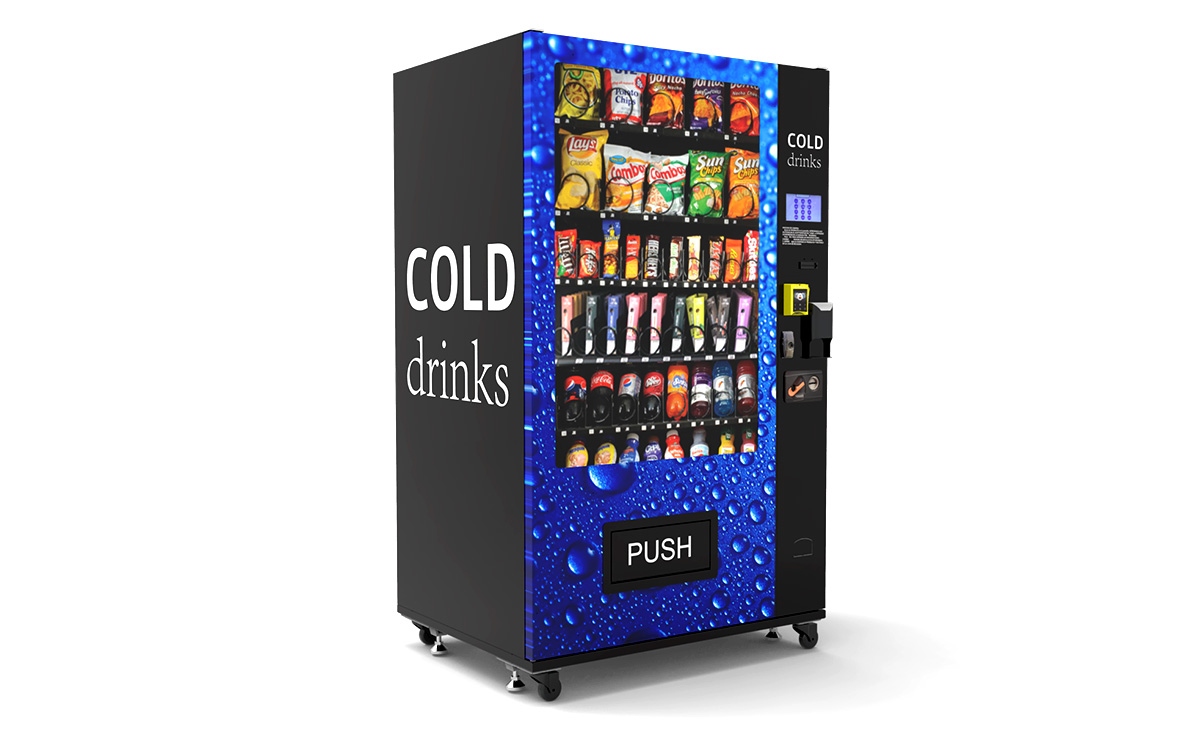
How Does a Dog Vending Machine Actually Work?
The mechanics are not complicated, but the execution requires attention. Most modern dog vending machines use a spiral or tray-based dispensing system similar to snack machines. The difference is that the products are often heavier or oddly shaped, so you need a machine with adjustable shelving and robust motors.
Payment systems are critical. In the US, you need a card reader that accepts contactless payments, Apple Pay, Google Pay, and chip cards. Cash-only machines are dying fast. In Europe, you also need to support local payment methods like Giropay in Germany or iDEAL in the Netherlands. I have lost sales at locations because I skimped on the payment terminal.
The machine also needs temperature control if you are selling perishable items like fresh dog food or refrigerated treats. A standard snack machine will not work. You need a refrigerated vending machine or at least a climate-controlled cabinet. I learned this the hard way when a batch of raw dog treats spoiled in a non-refrigerated unit during a heatwave in Spain.
Key Components of a Dog Vending Machine
- Dispensing mechanism: Spiral or tray-based, adjustable for product size
- Payment system: EMV card reader, NFC, sometimes cash
- Telemetry board: Remote monitoring for inventory and sales data
- Temperature control: Optional but recommended for perishable items
- User interface: Touchscreen or button-based, often with product images
Telemetry is not optional anymore. If you cannot see your sales data in real time, you are flying blind. I use machines that send me a daily report of what sold and what is low. This cuts my vending machine repair visits by half because I only go when I need to restock or fix a jam.
Is the Dog Vending Machine Business Profitable?
Short answer: yes, but not as fast as some online gurus claim. Based on my own operations across 12 machines over three years, the average monthly revenue per machine ranges from $800 to $2,500 depending on location. The gross margin on dog treats and food is usually between 40% and 60%, which is higher than typical snacks because there is less competition and more willingness to pay a premium.
However, you have costs. The machine itself, location rent or commission, restocking labor, payment processing fees (typically 2.5% to 3.5% per transaction), and occasional vending machine repair costs. I estimate my net profit per machine after all expenses is around $300 to $1,200 per month. The higher end is only achievable in prime locations with high foot traffic and low rent.
According to data from IBISWorld, the vending machine industry in the US has an average profit margin of about 12% to 15%. In my experience, dog-specific machines can push that to 20% or slightly higher if you manage inventory well. But do not expect to get rich on one machine. You need a small fleet of at least five to ten units to see meaningful income.
Profit Estimation Table Based on Location Type
| Location Type | Avg Monthly Revenue | Gross Margin | Net Profit (Est.) |
|---|---|---|---|
| Dog park (high traffic) | $1,800 - $2,500 | 50% | $700 - $1,200 |
| Pet store (inside) | $1,200 - $1,800 | 45% | $400 - $800 |
| Apartment complex | $800 - $1,200 | 55% | $300 - $600 |
| Veterinary clinic | $600 - $1,000 | 40% | $200 - $400 |
| Trailhead / park entrance | $1,000 - $1,500 | 50% | $400 - $700 |
These numbers come from my own records and conversations with other operators in the US and Europe. Your results will vary based on foot traffic, pricing, and how often you restock.
How Much Does a Dog Vending Machine Cost?
This is where many beginners make mistakes. A cheap used snack machine might cost $1,500, but converting it to sell dog products properly will cost you more in modifications than buying a purpose-built unit. I recommend spending between $4,000 and $8,000 for a new or refurbished dog vending machine with telemetry and a card reader.
If you buy from a reputable supplier like Zhongda Smart, you are paying for reliability. Their machines come with adjustable shelving, remote monitoring, and EU or US compliant payment systems. I have used their units in two locations and the vending machine repair calls have been minimal. Cheap machines from unknown manufacturers will save you money upfront but cost you double in downtime and repair visits.
There is also the option of leasing. Some companies offer machines for $150 to $300 per month with a service contract. This is a good option if you want to test the water without a large capital outlay. But the leasing company usually takes a percentage of your sales or restricts your product sourcing. I prefer owning my machines because I control the margins.
Cost Breakdown for a New Dog Vending Machine
- Machine purchase: $4,500 - $7,000
- Payment terminal: $300 - $600
- Installation and delivery: $200 - $500
- Initial inventory: $500 - $1,000
- Telemetry setup: $100 - $300
Total initial investment: roughly $5,600 to $9,400 per machine. That is the real number. Do not believe anyone who says you can start for under $2,000 unless you are buying broken equipment and fixing it yourself.
How Long Does It Take to Break Even?
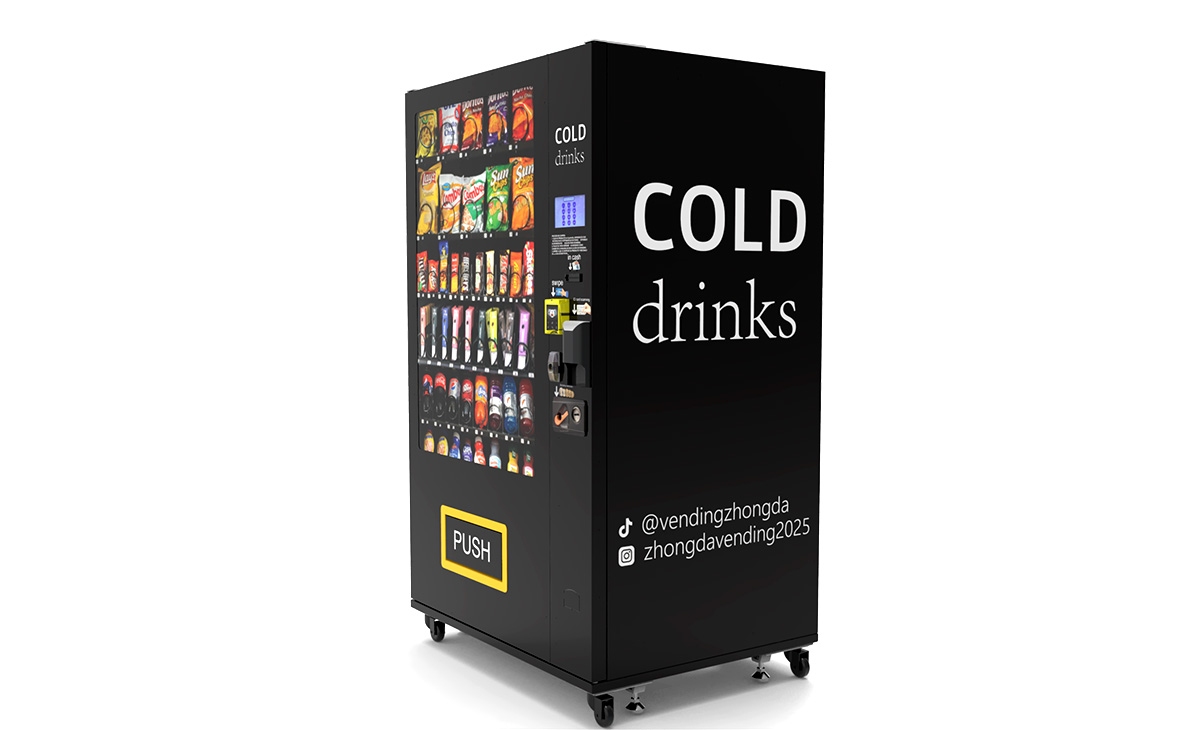
Based on my experience, the payback period for a dog vending machine is between 8 and 18 months. If you place the machine in a top-tier location like a busy dog park with no competition, you can recoup your investment in under a year. If you put it in a low-traffic apartment building, it might take two years or longer.
I have one machine in a dog daycare center in Berlin that paid for itself in seven months. I have another in a small town pet supply store that took 14 months. The difference was foot traffic and how often people carried cash or cards. That machine in Berlin also had a refrigerated section for fresh dog food, which increased the average transaction value.
According to a report from the European Vending Association, the average payback period for a standard vending machine in Europe is 12 to 24 months. Dog-specific machines tend to be on the shorter end because the margins are higher and the competition is lower. But again, location is everything.
Maintenance and Vending Machine Repair: What You Need to Know
Vending machine repair is the part of the business that most guides gloss over. The truth is that machines break. Coins jam, card readers fail, spirals get stuck, and refrigerated units stop cooling. If you are not prepared to handle these issues, your profit will evaporate.
I budget about 10% of my gross revenue for maintenance and repairs. That covers both routine cleaning and unexpected breakdowns. In my first year, I spent almost 15% because I bought a cheap machine that had recurring motor failures. Since switching to more reliable equipment from suppliers like Zhongda Smart, my repair costs have dropped to about 7% of revenue.
You have three options for handling vending machine repair:
- Do it yourself: You need basic mechanical skills and a good toolkit. This is the cheapest but most time-consuming.
- Hire a local technician: Expect to pay $75 to $150 per hour plus parts. In Europe, rates are similar in euros.
- Use a full-service provider: Some companies offer maintenance contracts for $50 to $100 per month per machine. This is worth it if you have a large fleet.
I recommend learning basic troubleshooting yourself. Most issues are simple: a product jam, a stuck coin return, or a disconnected cable. You do not need to be an engineer. But you do need to be willing to get your hands dirty.
Common Dog Vending Machine Problems
- Products not dispensing because of size mismatch: Always test your products in the machine before loading.
- Card reader not connecting: Often a firmware issue. Update the software regularly.
- Refrigeration failure: Usually a compressor issue. Keep a backup cooler for perishable items.
- Telemetry not reporting: Check the SIM card or Wi-Fi connection.
One mistake I made early on was using a machine without a backup battery for the telemetry. If the power went out, I had no idea what was happening. Now I only buy machines with battery-backed telemetry. It saves me from driving to a location for no reason.
How to Choose a Vending Machine Supplier
Choosing the right supplier is the most important decision you will make. I have bought machines from three different manufacturers over the years. Two were fine. One was a disaster. Here is what I look for now.
First, the supplier must offer machines that are compliant with local regulations. In the EU, that means CE marking. In the US, UL certification. Do not buy a machine that is not certified for the market you are operating in. It is a liability issue and insurance companies will not cover you.
Second, they must provide after-sales support. I have had good experiences with Zhongda Smart because they have a dedicated support team and stock spare parts for their machines. When one of my card readers failed, they shipped a replacement within 48 hours. That kind of response time is rare in this industry.
Third, look for a supplier that offers customization. Not all dog products fit in standard vending machines. You need adjustable shelving, different spiral sizes, and the ability to add a refrigerated compartment. If a supplier only sells one-size-fits-all machines, move on.
Finally, ask for references. Any reputable supplier can put you in touch with existing customers. I called three references before buying my last batch of machines. Two were positive. One was neutral. That was enough for me.
Common Mistakes New Operators Make
I have made almost every mistake in the book, so you do not have to. Here are the most common ones I see from new operators.
Buying the cheapest machine possible. I did this and spent more on vending machine repair in six months than the machine was worth. Cheap machines have cheap components. Pay for quality upfront.
Ignoring location research. I once placed a machine in a dog park that had only 50 visitors per day. It lost money every month. You need at least 200 to 300 potential customers passing by daily for a dog vending machine to be viable. Count foot traffic before signing any agreement.
Overpaying for rent or commission. Some location owners ask for 20% to 30% of your gross sales. That is too high for a vending machine. I aim for 10% to 15% commission, or a flat monthly rent of $100 to $300. Anything above that eats your profit.
Not diversifying products. If you only sell one brand of dog treats, you will lose sales when that brand is out of stock or when customers want variety. I carry at least 10 different SKUs in each machine, including treats, food, bags, and toys.
Ignoring seasonal demand. In summer, I sell more collapsible water bowls and freeze-dried treats. In winter, it is all about high-calorie food and paw balm. Adjust your inventory based on the season and local climate.
How to Evaluate a Location for a Dog Vending Machine
I use a simple checklist before I agree to place a machine anywhere. You should too.
- Foot traffic: Count at least 200 people per day during peak hours.
- Dog ownership rate: At least 30% of people passing by should own a dog.
- Hours of access: 24/7 access is ideal. Limited hours reduce revenue potential.
- Competition: Is there another vending machine nearby? Is there a store that sells the same products?
- Power and internet: Does the location have a reliable power outlet and Wi-Fi or cellular signal?
- Safety: Is the area safe from vandalism? I avoid locations with a history of break-ins.
I once placed a machine in a beautiful new apartment complex with high-end finishes. The foot traffic was great, but the dog ownership rate was only 15%. The machine barely broke even. Now I ask the property manager for pet registration data before signing.
Revenue Optimization: Using Sales Data to Improve Performance
Your machine collects data every day. Use it. I check my sales reports weekly and adjust my product mix based on what is selling. If a particular treat is not moving after two weeks, I replace it with something else. If a product sells out within three days, I increase the shelf space for it.
I also track the time of day when sales happen. In one location, 60% of sales occur between 7 p.m. and 10 p.m. That tells me the machine is serving people who forgot to buy something before the pet store closed. I make sure to restock in the afternoon so the machine is full during peak hours.
Another trick is dynamic pricing. Some modern machines allow you to change prices remotely. I raise prices by 10% during weekends and holidays when demand is higher. Customers do not notice, and it adds up over a year.
Business Models: Self-Owned, Leased, or Revenue Share
There are three main ways to run a dog vending machine business. Each has pros and cons.
Self-Owned
You buy the machine, stock it, and keep all the revenue. This is the most profitable long-term but requires the most capital and effort. I own all my machines now because I want full control over pricing and inventory.
Leased Machine
You pay a monthly fee to use a machine owned by a supplier. They handle maintenance and sometimes restocking. This is good for beginners who want to test the market without a large investment. But the monthly fee eats into your profit, and you are locked into their product catalog.
Revenue Share with Location Owner
You split the revenue with the property owner. This is common in high-traffic locations like pet stores or dog parks. The owner gets 10% to 20%, and you get the rest. This model reduces your upfront cost but also reduces your margin. I only do this for locations that I cannot get otherwise.
What Products Should You Sell?
Product selection is more important than the machine itself. I have tested dozens of products over the years. Here is what works best.
- Treats: Small bags of training treats, freeze-dried liver, and dental chews. These have the highest margin.
- Poop bags: Refill rolls are a must. They are cheap to buy in bulk and sell well at a high markup.
- Dog food: Single-serving pouches or small bags. Useful for owners who run out unexpectedly.
- Toys: Small squeaky toys or tennis balls. These sell slower but have very high margins.
- Accessories: Collapsible bowls, waste bag dispensers, and small leashes. Good for impulse buys.
I avoid selling anything that requires refrigeration unless I have a dedicated refrigerated machine. The risk of spoilage is too high otherwise. Also, check expiration dates regularly. You do not want to sell expired food to someone's dog.
Legal and Regulatory Considerations
In the US, vending machines are regulated at the state and local level. You may need a business license, a sales tax permit, and a permit from the health department if you sell food. In Europe, the rules vary by country. In France, for example, you need to register with the Chamber of Commerce and comply with food safety regulations if you sell pet food. The European Vending Association provides guidelines, but local laws differ.
I recommend consulting a local business attorney before signing any location agreement. One operator I know was fined for not having a proper permit in a German city. The fine wiped out three months of profit.
Insurance is also important. General liability insurance costs about $300 to $600 per year per machine in the US. It covers you if someone gets hurt using the machine or if a product causes harm. Do not skip this.
FAQ
Are dog vending machines profitable?
Yes, if placed in the right location. Based on my experience, a well-placed machine can generate $800 to $2,500 per month in revenue with a net profit of $300 to $1,200 after expenses. Profitability depends heavily on foot traffic, product margins, and maintenance costs.
How much does a dog vending machine cost?
A new, reliable machine with a card reader and telemetry costs between $4,000 and $8,000. Used or refurbished machines can be cheaper but may require more vending machine repair. Leasing is also an option at $150 to $300 per month.
How long does it take to break even?
Most operators break even within 8 to 18 months. Top locations can pay off the machine in under a year. Poor locations may take two years or more.
Should a beginner buy or lease a dog vending machine?
Leasing is lower risk for beginners who want to test the market. Buying is better for long-term profitability. I recommend starting with one leased machine to learn the ropes, then buying your own once you understand the business.
Where is the best place to put a dog vending machine?
Dog parks, pet stores, apartment complexes with high pet ownership, veterinary clinics, and trailheads are all good options. The key is high foot traffic and a high percentage of dog owners.
What permits do I need?
You typically need a business license, a sales tax permit, and possibly a health permit if selling food. Requirements vary by state or country. Check with your local government and the European Vending Association for guidance.
How do I choose a vending machine supplier?
Look for a supplier that offers CE or UL certification, after-sales support, spare parts availability, and customization options. I have had good results with Zhongda Smart for their reliability and support.
What happens if the machine breaks?
You either fix it yourself, hire a technician, or use a maintenance contract. I recommend learning basic vending machine repair to save money. Most issues are simple jams or card reader problems.
How can I reduce maintenance costs?
Buy a reliable machine from a reputable supplier. Perform regular cleaning and inspections. Use telemetry to monitor machine status remotely. Stock products that fit the machine properly to avoid jams.
Can I sell fresh or refrigerated dog food?
Yes, but you need a refrigerated vending machine. Standard machines will not keep food at safe temperatures. Refrigerated units cost more but can increase your average sale value.
Disclaimer: The information in this article is based on my personal experience operating vending machines in the US and Europe. Revenue, costs, and payback periods are estimates and will vary based on location, product selection, and market conditions. Always conduct your own research and consult with local professionals before making business decisions.
Updated: March 2025
Sources: IBISWorld Vending Machine Industry Report (2024), European Vending Association Market Overview (2023), personal operational data from 12 machines in the US and Europe.