List Of Vending Machine Snacks Explained_ Features, Costs, and Market Trends
After a decade in the vending machine business across the US and Europe, I can tell you that the single most common question I get is not about the machines themselves, but about the snacks inside. People want to know which items actually sell, which ones destroy your margins, and how to pick the right product mix for a specific location. This guide breaks down the complete list of vending machine snacks, explains how each category affects your bottom line, and covers the real costs and trends that will determine whether your automated retail operation thrives or stalls. Whether you are looking at a self-service kiosk for an office break room or a full-scale vending route, understanding the snack selection is where the money is made or lost.
Why Snack Selection Is the Backbone of Your Vending Business
I have seen operators spend thousands on a beautiful machine with a top-tier payment system, only to fail because they filled it with the wrong products. The snack mix is not just about variety. It is about turnover rate, spoilage, margin per slot, and how often you need to service the machine. If you are new to this, your first instinct might be to fill every row with classic chips and candy bars. That is a mistake that will cost you in both sales and machine en libre-service maintenance frequency.
In my experience, the best-performing machines are those that align their snack offerings with the specific demographics of the location. A machine in a high school needs different items than one in a warehouse or a medical office. The list of vending machine snacks you choose will dictate whether your route is profitable or just a hobby that eats up your weekends.
The Complete List of Vending Machine Snacks by Category
Let us walk through the main categories you will encounter. I have organized these by their operational characteristics, not just by what tastes good.
Salty Snacks and Chips
This is the bread and butter of most vending routes. Classic potato chips, tortilla chips, cheese puffs, and pretzels dominate this category. From a cost perspective, these items typically have a wholesale cost between $0.45 and $0.85 per bag, with a retail price between $1.25 and $2.00. The margin is decent, but the real challenge is shelf life and freshness. Chips go stale fast, and crushed bags are a leading cause of customer complaints. I recommend limiting chip slots to no more than 30% of your machine capacity unless you have a high-traffic location that turns over inventory every two to three days.
Candy and Chocolate Bars
Standard candy bars remain reliable sellers. King-size bars offer a higher per-unit profit but take up more space. The wholesale cost for a standard bar ranges from $0.60 to $1.10, retailing at $1.50 to $2.50. One thing many new operators overlook is temperature sensitivity. Chocolate melts in warm machines, especially if the vending machine is placed outdoors or near a window. If you are using a distributeur automatique in a location without climate control, you must either avoid chocolate or invest in a machine with a cooling system. I have lost entire columns of stock to heat damage because I was not paying attention to this.
Baked Goods and Pastries
Items like muffins, croissants, danishes, and packaged cakes can be high-margin products, but they come with short shelf lives. Wholesale cost is around $0.70 to $1.30, retailing at $1.75 to $3.00. These are excellent for office locations or schools where people want a quick breakfast or afternoon snack. However, they require more frequent restocking because they expire faster. If you are running a route with weekly service, pastries might not be the best fit unless you have a high turnover rate.
Healthy and Better-For-You Snacks
This category has grown significantly over the last five years. Protein bars, nuts, trail mix, veggie chips, and low-sugar options now account for a growing share of sales in many markets. According to a report by IBISWorld, the healthy vending segment has seen annual growth of approximately 4.5% since 2019. The wholesale cost for these items is higher, typically $0.90 to $1.50 per unit, with retail prices of $2.00 to $3.50. Margins are thinner, but they attract a customer base that might otherwise skip the machine entirely. In office parks and fitness centers, healthy snacks can drive 25% to 30% of total revenue.
Gum, Mints, and Breath Fresheners
Do not underestimate this category. These are small, high-margin items that take up minimal space. Wholesale cost is often under $0.30 per pack, retailing at $1.00 to $1.50. They also have a very long shelf life. I always dedicate at least two to three spirals in every machine to gum and mints. They rarely expire, they do not crush, and they provide a steady stream of small profits that add up over time.
Specialty and Imported Snacks
In locations with diverse populations, specialty snacks from different cuisines can be a game-changer. Items like Japanese rice crackers, spicy Korean chips, or European chocolate bars can command higher prices. The risk is lower turnover and the potential for slow-moving inventory. I only recommend these for machines in urban areas or locations with a known multicultural customer base. Otherwise, stick to the staples.
Features That Matter in a Vending Machine for Snacks
Not all vending machines are created equal. When you are evaluating equipment, here are the features that directly impact your ability to sell snacks effectively.
Spiral vs. Tray-Based Systems
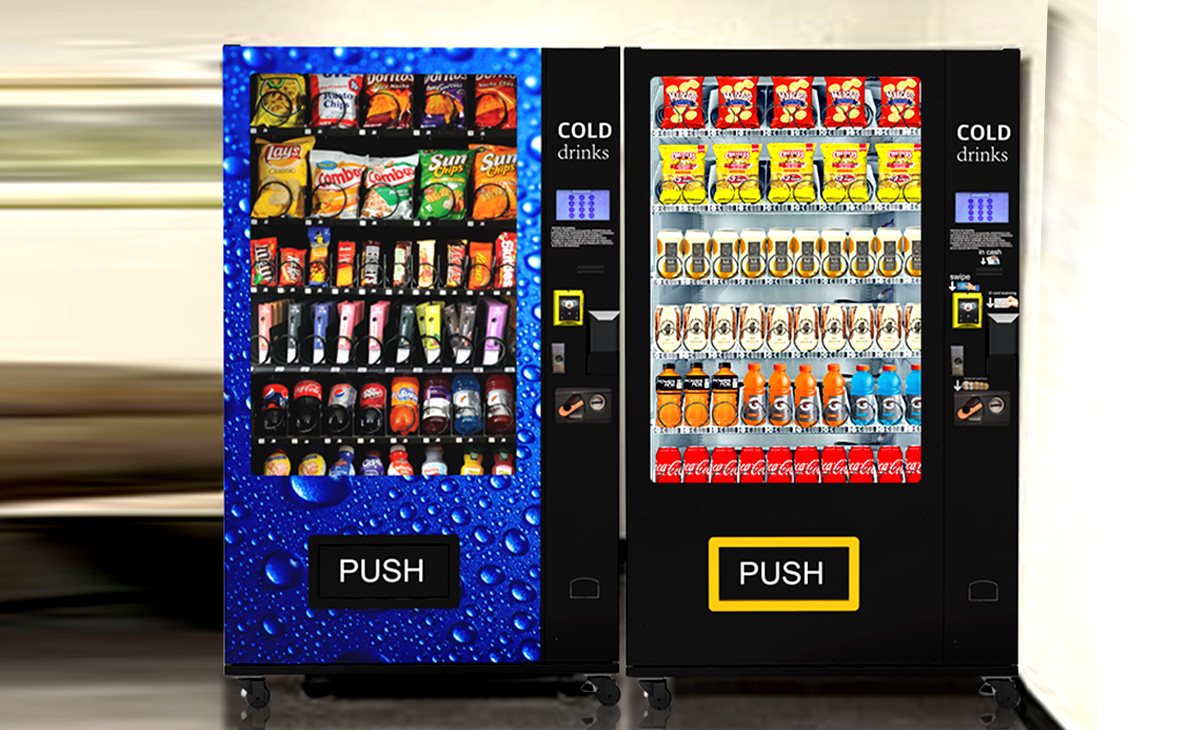
The classic spiral system works well for most snack items. It is reliable, easy to restock, and handles a wide range of package sizes. Tray-based systems, sometimes called "shuttle" systems, are better for fragile items like pastries or for machines that need to handle irregularly shaped products. However, tray systems are more expensive to repair. In my experience, a vending machine repair call for a tray system costs about 30% more than for a spiral system, simply because the parts are more complex.
Refrigeration and Temperature Control
If you plan to sell chocolate, yogurt, or any perishable snacks, you need a refrigerated machine. These units cost more upfront, typically $4,000 to $8,000 for a new refrigerated snack machine, compared to $2,500 to $5,000 for a non-refrigerated model. But the ability to sell temperature-sensitive items opens up higher-margin categories. I have seen operators double their per-machine revenue simply by switching to a refrigerated unit in a warm location.
Payment Systems and Cashless Acceptance
This is non-negotiable in 2025. According to a study by Statista, over 60% of vending machine transactions in the US are now cashless. Machines that only accept coins and bills will lose a significant portion of potential sales. Modern payment systems include credit card readers, mobile wallet support, and sometimes even biometric payment. The cost for a cashless payment system retrofit is around $400 to $800 per machine. It is one of the best investments you can make.
Telemetry and Remote Monitoring
Telemetry systems allow you to see real-time inventory levels, sales data, and machine health from your phone or computer. This technology has transformed the industry. Instead of driving to a machine to check if it needs restocking, you can plan your route based on actual sales data. A basic telemetry system adds $200 to $500 to the machine cost, plus a monthly subscription fee of $15 to $40. I consider this essential for any route with more than five machines.
Cost Breakdown: What You Really Need to Budget For
Let me give you a realistic picture of the costs involved. These numbers come from my own operations and from discussions with other operators at industry events.
| Expense Category | Low-End Estimate | High-End Estimate | Notes |
|---|---|---|---|
| New snack machine (non-refrigerated) | $2,500 | $5,000 | Basic model, spiral system |
| New snack machine (refrigerated) | $4,000 | $8,000 | Includes cooling, better for chocolate |
| Used/refurbished machine | $1,200 | $3,000 | Higher risk of vending machine repair costs |
| Cashless payment system | $400 | $800 | Essential for modern operations |
| Telemetry system | $200 | $500 | Plus monthly subscription |
| Initial snack inventory | $300 | $800 | Depends on machine size and product mix |
| Location commission (monthly) | 10% of sales | 25% of sales | Negotiable, varies by location |
| Monthly restocking cost | $100 | $400 | Labor and fuel, per machine |
| Annual maintenance reserve | $200 | $500 | Set aside for unexpected repairs |
These are estimates based on my experience in the US and European markets. Actual costs will vary depending on your location, the supplier you choose, and the condition of the equipment. I always recommend budgeting 20% more than you think you need for the first year.
Market Trends That Are Reshaping the Vending Industry
The vending machine industry is not static. Several trends are changing how operators select snacks, place machines, and manage their routes.
The Rise of Micro-Markets
Micro-markets are essentially unattended retail spaces with multiple self-service kiosks, often including a refrigerated section for fresh food and drinks. These setups are replacing traditional vending machines in many office and industrial locations. The average transaction value in a micro-market is higher than a traditional machine, often $4 to $7 per visit compared to $1.50 to $2.50 for a snack machine. However, the upfront investment is significantly larger, often $15,000 to $30,000 for a full setup.
Data-Driven Product Selection
Operators who use telemetry data to adjust their snack mix are outperforming those who rely on gut feeling. I have seen machines where replacing a slow-selling candy bar with a protein bar increased total revenue by 12% within two weeks. The data tells you exactly what your customers want. If you are not tracking sales by item, you are flying blind.
Sustainability and Packaging
European markets, in particular, are pushing for reduced packaging waste. Some countries have introduced regulations that require vending operators to offer recyclable or compostable packaging. In France, for example, regulations under the AGEC law are affecting how snacks are packaged for distributeur automatique. This is something to keep in mind if you are sourcing products for the EU market. Snacks with excessive plastic wrapping may face restrictions in the near future.
Health and Wellness Focus
The demand for healthier options is not a fad. According to data from the National Automatic Merchandising Association (NAMA), the percentage of vending machines offering at least some healthy snacks increased from 42% in 2018 to 67% in 2023. If your snack list does not include at least a few better-for-you options, you are excluding a growing segment of consumers.
How to Choose a Vending Machine Supplier
Selecting the right manufacturer or supplier is one of the most important decisions you will make. I have worked with several over the years, and I have learned what separates a good supplier from a bad one.
First, look at the quality of the components. Cheaper machines often use plastic spirals and low-grade compressors that fail within two years. A reputable supplier like Zhongda Smart, which I have seen in several international trade shows, offers machines with metal spirals and industrial-grade cooling systems. That matters for long-term reliability. Second, check the availability of spare parts. If you buy a machine from a supplier that does not stock common repair parts locally, you could be waiting weeks for a simple fix. That is lost revenue. Third, ask about warranty terms. A good supplier offers at least a one-year warranty on parts and labor. Some offer two years on the compressor.
I also recommend visiting a trade show if possible. The European Vending Association (EVA) holds an annual event where you can see machines from multiple manufacturers in person. Nothing beats actually opening a machine, testing the spirals, and checking the build quality yourself.
Where to Place Your Vending Machine: Location Evaluation
Location is everything. I have seen identical machines with the same snack mix generate $800 per month in one location and $150 in another, just 500 meters away. Here is how I evaluate a potential spot.
I look for foot traffic of at least 100 people per day who are likely to be hungry or thirsty. Offices, warehouses, schools, hospitals, and transportation hubs are the classic winners. But within those categories, specifics matter. A warehouse with 50 employees working 10-hour shifts is often better than a small retail store with 200 daily visitors, because the warehouse workers have limited options for food. They are a captive audience.
I also consider accessibility for restocking. If the machine is in a basement with no elevator or a location with limited parking, the labor cost for restocking goes up. Every minute you spend hauling snacks up stairs is a minute you are not earning money. I have turned down locations that looked good on paper because the logistics of servicing them were a nightmare.
Common Mistakes New Operators Make
I have made most of these mistakes myself, and I have watched countless new operators repeat them.
Buying the Cheapest Machine
The cheapest machine on the market is almost always the most expensive in the long run. I bought a budget machine early in my career. It broke down four times in the first year. Each vending machine repair call cost me $150 to $300, plus lost sales while the machine was down. I ended up spending more on repairs than I saved on the purchase price. Invest in quality equipment from a supplier like Zhongda Smart or another established manufacturer. Your future self will thank you.
Overloading with Too Many Options
New operators often try to offer too many different snacks, thinking variety will drive sales. In reality, a machine with 30 different items often underperforms a machine with 15 well-chosen bestsellers. Too many choices lead to slower turnover, more stale products, and higher restocking complexity. Focus on the top-selling items in your region and rotate in new products slowly based on sales data.
Ignoring the Payment System
I cannot stress this enough. If your machine only takes cash, you are losing 30% to 40% of potential sales. In many European countries, cash use has declined sharply. A machine without a card reader or mobile payment option is a relic. Upgrade your payment system before you even think about expanding your route.
Neglecting Regular Maintenance
A machine that is dirty, has sticky buttons, or makes strange noises will lose customers. I schedule a basic cleaning and inspection for every machine at least once a month. This includes wiping down the interior, checking the spirals for alignment, testing the payment system, and cleaning the glass. It takes 15 minutes per machine and prevents many common issues.
How to Evaluate if a Machine Is Worth Investing In
Before I buy a machine for a new location, I run a simple calculation. I estimate the weekly foot traffic, the average transaction value based on similar locations, and the expected commission rate. Then I subtract the cost of goods sold (typically 40% to 50% of revenue), the restocking labor, and a reserve for maintenance. If the projected monthly net profit is less than 15% of the machine cost, I pass on the location.
For example, a $4,000 machine needs to generate at least $600 per month in net profit to be worth the investment, assuming a 12-month payback period. That means gross sales of around $1,200 to $1,500 per month, depending on your margins. If the location cannot support that level of sales, the machine is not a good fit.
I also consider the opportunity cost. A machine that only generates $200 per month in net profit might still be "profitable," but it ties up capital and time that could be used on a better location. Be selective. It is better to have five high-performing machines than fifteen marginal ones.
FAQ: Common Questions About Vending Machine Snacks and Operations
Are vending machines profitable?
Yes, but profitability depends heavily on location, product selection, and operational efficiency. A well-placed machine with the right snack mix can generate $500 to $1,500 in monthly gross sales. After cost of goods, commissions, and maintenance, net profit typically ranges from 10% to 25% of gross sales. Some operators achieve higher margins by focusing on high-turnover locations and negotiating lower commissions.
How much does a vending machine cost?
A new snack vending machine costs between $2,500 and $8,000, depending on features like refrigeration and payment systems. Used machines can be found for $1,200 to $3,000, but they often require more frequent vending machine repair. Budget an additional $400 to $800 for a cashless payment system if the machine does not already have one.
How long does it take to break even?
With a good location, most operators recover their initial investment within 12 to 18 months. Machines in high-traffic captive locations like factories or hospitals can break even in as little as 8 to 10 months. Machines in lower-traffic locations may take 24 months or longer. I always aim for a payback period of 18 months or less.
Should a beginner buy or lease a vending machine?
I generally recommend buying a used or entry-level new machine for your first location. Leasing often locks you into contracts that limit your flexibility. If you buy, you own the asset and can move it if the location does not perform. Just make sure you have a small budget set aside for repairs.
Where is the best place to put a vending machine?
Captive audience locations are best. Offices with at least 50 employees, warehouses, factories, schools, hospitals, and transportation hubs consistently perform well. Avoid locations with strong competition from nearby convenience stores or cafeterias. Foot traffic is important, but the quality of that traffic matters more.
What permits or licenses do I need?
Requirements vary by city and country. In the US, you typically need a business license and a sales tax permit. Some cities require a specific vending machine permit. In the EU, you must comply with food safety regulations, which may require registration with local health authorities. Check with your local chamber of commerce or business licensing office before placing any machine.
How do I choose a vending machine supplier?
Look for a supplier with a track record of reliable equipment and good after-sales support. Check that spare parts are readily available. I have had good experiences with Zhongda Smart for their build quality and warranty support, but you should also consider other established manufacturers. Visit trade shows like those organized by the European Vending Association to see equipment firsthand.
What happens if the machine breaks down?
Most common issues, like a jammed spiral or a faulty payment reader, can be fixed with basic tools and a phone call to technical support. For major repairs, you will need a technician. I recommend building a relationship with a local vending machine repair company before you need them. Keep a list of common spare parts like motors, belts, and sensors in stock.
How can I reduce restocking and maintenance costs?
Use telemetry to monitor inventory levels remotely. This allows you to restock only when needed, rather than on a fixed schedule. Standardize your snack mix across machines to simplify ordering. Negotiate bulk pricing with your snack distributors. And perform routine cleaning and inspections to catch small problems before they become expensive repairs.
Final Thoughts from the Road
Running a vending machine operation is not a get-rich-quick scheme. It requires attention to detail, a willingness to learn from mistakes, and a realistic understanding of costs and margins. The list of vending machine snacks you choose, the locations you secure, and the equipment you invest in will determine your success. Start small, track your data, and scale only when you have a proven model. The industry is evolving rapidly, but the fundamentals remain the same: put the right product in the right place at the right time, and the money will follow.
This article is based on my personal experience operating vending machines in the US and European markets since 2013. All financial figures are estimates derived from my own operations and discussions with industry peers. Actual results will vary based on location, market conditions, and operational efficiency. Always conduct your own due diligence before making any investment.
This article was updated on June 2025.