Step-by-Step Guide to Starting a Kooler Ice Vending Machine Cost Business in 2026
If you’re looking into starting a vending machine business in 2026, you’ve likely come across the term “Kooler Ice vending machine cost” and wondered whether this niche actually makes sense for a new operator. I’ve been in the automated retail space for over a decade, mostly across the US and parts of Europe, and I can tell you this: ice vending is one of the few segments where margins remain consistently high, demand is year-round in many climates, and the equipment itself is simpler than a traditional snack or drink machine. But the numbers only work if you understand the real costs, the right locations, and what it takes to keep a self-service kiosk running without eating into your profit. This guide walks through everything I’ve learned from placing, maintaining, and scaling ice vending machines, so you can decide if this is the right move for you in 2026.
What Exactly Is an Ice Vending Machine Business?
An ice vending machine is a self-service kiosk that produces and dispenses bagged ice, usually in 5 to 20-pound bags, directly to customers. Unlike traditional vending machines that store pre-packaged products, most ice vending machines manufacture ice on-site using an integrated icemaker, store it in a insulated bin, and bag it automatically when a customer pays. The business model is straightforward: you buy or lease the machine, place it on a piece of land with good visibility and traffic, and collect revenue from each sale. The machine handles production, bagging, and payment processing.
What makes this different from a snack or drink vending machine is the product itself. Ice is a commodity with a low cost of production. The main inputs are water, electricity, and the plastic bags. In most markets, a 10-pound bag of ice sells for $2.50 to $4.00, while the cost to produce it is often under $0.50. That kind of margin is rare in automated retail, which is why many operators, including myself, have shifted focus toward ice vending over the past few years.
That said, the equipment is not cheap. A new ice vending machine can cost anywhere from $15,000 to $40,000 depending on capacity, brand, and features. The “Kooler Ice vending machine cost” is a specific reference point because Kooler Ice is one of the more established brands in this space, but there are other manufacturers worth considering as well. The key is to evaluate total cost of ownership, not just the purchase price.
Why 2026 Is a Good Time to Start
Several trends make 2026 an attractive entry point for ice vending. First, the demand for packaged ice continues to grow in both residential and commercial sectors. According to a 2023 report by IBISWorld, the ice manufacturing industry in the US alone generates over $2 billion annually, with vending machines accounting for a growing share of that revenue. Second, cashless payment adoption is now standard, which means customers expect to pay with a card or phone, and modern ice machines support this natively. Third, the cost of equipment has stabilized after the supply chain disruptions of 2020–2022, and financing options are more accessible.
Another factor is the decline in small grocery and convenience store margins. Many independent store owners are looking for alternative revenue streams, and placing an ice vending machine on their parking lot, often through a revenue-sharing agreement, gives them passive income without additional labor. This creates a win-win for operators who can negotiate good locations.
How Much Does a Kooler Ice Vending Machine Cost?
Let’s get into the numbers. The “Kooler Ice vending machine cost” varies based on model, capacity, and whether you buy new or used. Based on my experience and current market pricing as of early 2026, here is a realistic breakdown:
| Machine Model / Type | New Price (USD) | Used Price (USD) | Daily Production Capacity |
|---|---|---|---|
| Kooler Ice Standard (20–30 bags/day) | $18,000 – $22,000 | $10,000 – $14,000 | 200–300 lbs |
| Kooler Ice High-Capacity (40–60 bags/day) | $28,000 – $35,000 | $18,000 – $22,000 | 400–600 lbs |
| Kooler Ice Commercial Dual-Unit | $38,000 – $45,000 | $24,000 – $30,000 | 800+ lbs |
| Other Brands (e.g., Zhongda Smart, Ice House) | $15,000 – $35,000 | $8,000 – $20,000 | Varies by model |
These prices are estimates based on quotes I’ve received and discussions with other operators. Keep in mind that shipping, installation, and initial setup can add $1,000 to $3,000 to your total investment. Also, if you’re importing a machine from overseas, customs duties and compliance certifications can increase costs further.
Is an Ice Vending Machine Business Profitable?
Profitability depends on three main factors: location, machine reliability, and operational efficiency. Let’s break each one down.
Location Is Everything
I’ve seen machines in high-traffic areas near beaches or campgrounds generate $3,000 to $5,000 per month in revenue during peak season. I’ve also seen machines placed in quiet residential neighborhoods struggle to make $500 a month. The best locations are places where people already need ice: gas stations, convenience stores, RV parks, campgrounds, marinas, outdoor event venues, and near large grocery stores that have limited ice storage. You want a spot with at least 1,000 vehicles passing per day, good visibility, and easy pull-in access.
In my own experience, a machine placed at a busy gas station in Florida averaged 40 bags per day during summer, at $3.50 per bag. That’s $140 per day, or about $4,200 per month. After electricity, bag costs, and the location commission (usually 10–20%), net profit was around $2,800 per month. That machine paid for itself in about 7 months.
Machine Reliability and Maintenance
Ice machines have moving parts, compressors, water pumps, and bagging mechanisms. They require regular cleaning and occasional repairs. A common mistake new operators make is buying a cheap, off-brand machine to save money upfront, only to discover that parts are hard to find and service technicians are unfamiliar with the equipment. I’ve seen operators lose an entire season because a machine was down for weeks waiting for a replacement control board.
When evaluating a machine, look for brands with a strong service network in your region. Kooler Ice has a decent reputation, but I’ve also worked with Zhongda Smart machines, which offer competitive pricing and solid build quality. Their self-service kiosks are designed for outdoor use and come with remote monitoring, which is a huge time-saver. I recommend asking any manufacturer for a list of authorized service centers in your area before buying.
Operational Costs
Your main recurring costs are electricity, water, bags, and location commission. Electricity is the biggest variable. A typical ice vending machine uses 30–60 kWh per day, depending on production volume and ambient temperature. At $0.12 per kWh, that’s $3.60 to $7.20 per day. Water costs are usually minimal, maybe $0.10 to $0.30 per bag. Bags cost around $0.05 to $0.10 each when bought in bulk. So your total cost per bag is roughly $0.40 to $0.70, leaving a gross margin of 75–85%.
But you also need to factor in your time for restocking bags, cleaning the machine, and handling customer issues. If you have multiple machines, you can optimize your route to minimize travel time. I typically budget about 2 hours per week per machine for maintenance and restocking.
Step-by-Step Process to Start Your Ice Vending Business in 2026
Step 1: Research Local Regulations
Before you buy anything, check your local health department and business licensing requirements. Ice is considered a food product in most jurisdictions, so your machine must meet sanitation standards. Some states require a food handler’s permit or a vending machine license. In the EU, regulations vary by country, but generally you need to comply with food safety directives. A good starting point is the FDA’s Food Code for US operators, or the EU’s Regulation (EC) No 852/2004 on food hygiene. You can find more at FDA Food Code and EU Food Hygiene Regulation.
Step 2: Choose Your Equipment
I recommend starting with one machine, preferably a mid-capacity model from a reputable manufacturer. Don’t overbuy on capacity for your first location. It’s better to have a machine that can handle peak demand without excessive idle time. Look for features like remote monitoring, cashless payment (credit card, Apple Pay, Google Pay), and a tamper-proof coin mechanism. Many modern machines also support telemetry, which lets you track sales, ice levels, and error codes from your phone.
If you’re on a tight budget, consider a used machine, but have it inspected by a technician before purchasing. I’ve seen too many “deals” turn into money pits because the compressor was failing or the bagging mechanism was worn out.
Step 3: Find and Secure a Location
This is the hardest part. You need to approach property owners and negotiate a placement agreement. Most will want a commission, typically 10–20% of gross sales, or a flat monthly fee. Some will ask for nothing upfront but will want a higher percentage once the machine is profitable. I prefer a revenue-share model because it aligns incentives.
When scouting locations, look for high-traffic areas with limited ice availability. Talk to the store manager or owner. Be prepared to explain the benefits: no labor cost for them, increased foot traffic, and a cut of the revenue. Bring a one-page summary of your machine’s specifications and your track record if you have one.
Step 4: Install and Set Up the Machine
Installation involves placing the machine on a level concrete pad, connecting water and power, and configuring the payment system. Most manufacturers provide installation manuals, but I recommend hiring a local technician if you’re not handy. A bad installation can cause leaks, electrical issues, or poor ice quality.
Make sure the machine is anchored securely, especially in areas with high wind or vandalism risk. Also, ensure proper drainage and ventilation. Ice machines produce heat and moisture, and if they’re enclosed too tightly, they can overheat.
Step 5: Set Your Pricing
Pricing depends on local competition and your costs. In most US markets, $3.00 to $4.00 for a 10-pound bag is standard. In tourist areas, you can charge more. I suggest starting at the higher end and offering a loyalty discount (e.g., buy 10 bags, get one free) through a mobile app if your machine supports it.
Step 6: Monitor and Optimize
Once your machine is running, track your sales daily for the first few months. Use the telemetry data to understand peak times, slow days, and seasonal trends. If a machine isn’t performing after 3 months, consider moving it. I’ve relocated machines that went from $800/month to $3,000/month just by moving them a mile down the road.
Common Mistakes New Operators Make
I’ve made most of these mistakes myself, so I’ll share them so you don’t have to learn the hard way.
- Buying a machine before securing a location. I know someone who bought two high-capacity machines and then spent 6 months trying to find spots. He ended up selling one at a loss.
- Ignoring water quality. Hard water will clog your machine and reduce ice quality. Install a water filter system from day one. It costs about $100 and saves you hundreds in repairs.
- Underestimating maintenance. A dirty machine produces cloudy ice, which customers won’t buy. Clean the machine every 2–4 weeks, depending on usage. Factor this into your schedule.
- Choosing a location based on gut feeling rather than data. Use traffic counters or at least spend an hour observing the site at different times of day. If you can’t verify foot or vehicle traffic, don’t commit.
- Not having a backup plan for breakdowns. Have a spare parts kit (compressor relay, control board, bagging mechanism parts) and a list of local HVAC or refrigeration technicians who can work on ice machines.
Financing Options and Return on Investment
Most new operators don’t pay cash for their first machine. Equipment financing is available through companies like Balboa Capital or via manufacturer programs. Interest rates in 2026 are around 6–10% for well-qualified buyers. You can also lease a machine, though leasing typically costs more over time and may have restrictions on relocation.
Based on my experience and industry data from the National Automatic Merchandising Association (NAMA), a well-placed ice vending machine can achieve a return on investment within 8 to 14 months. This assumes a total investment of $20,000 (machine + installation) and average monthly net profit of $1,500 to $2,500. However, these are estimates, and actual results vary. I’ve seen machines in poor locations take over 2 years to break even.
For a more detailed financial analysis, you can refer to NAMA’s industry reports, which provide benchmarks for vending machine performance across different categories.
Comparing Self-Operation vs. Revenue Sharing vs. Leasing
| Model | Pros | Cons | Best For |
|---|---|---|---|
| Self-Operation (you own and manage) | Full profit retention, control over location and pricing | Higher upfront cost, all maintenance responsibility | Operators with capital and time to manage |
| Revenue Sharing (with location owner) | Lower upfront cost, easier to get prime spots | Lower profit margin, less control | New operators wanting to test the market |
| Leasing (from a third party) | No large upfront payment, includes maintenance | Higher monthly cost, limited customization | Operators who want to avoid repair headaches |
How to Choose a Manufacturer or Supplier
When evaluating suppliers, don’t just look at the price. Consider the following:
- Parts availability: Can you get replacement parts within 48 hours?
- Technical support: Is there a phone number or live chat that actually answers?
- Warranty: Most manufacturers offer 1–3 years on parts. Extended warranties are available but read the fine print.
- Remote monitoring capability: This is non-negotiable in 2026. Without it, you’re flying blind.
- Certifications: For US markets, look for NSF and UL certifications. For Europe, CE marking is essential.
I’ve worked with several manufacturers over the years, and one that consistently delivers value is Zhongda Smart. Their machines are well-built, their remote monitoring system is reliable, and their pricing is competitive. They also offer custom branding options, which can help if you’re placing machines in a branded location. That said, always do your own due diligence. Ask for references from other operators in your region.
Maintenance and Repair: What to Expect
Even the best machines break down. The most common issues I’ve encountered are:
- Compressor failure (usually due to dirty condenser coils or low refrigerant)
- Water pump failure (caused by debris or hard water scale)
- Bagging mechanism jams (often from misaligned bags or humidity)
- Payment system errors (card reader firmware issues or coin jam)
To minimize downtime, I recommend performing a weekly inspection. Check the ice quality, listen for unusual noises, and verify that the payment system is working. Keep a log of any issues. If you’re not mechanically inclined, budget $100–$200 per month for a service contract with a local refrigeration technician. This is especially important during peak season when downtime is most costly.
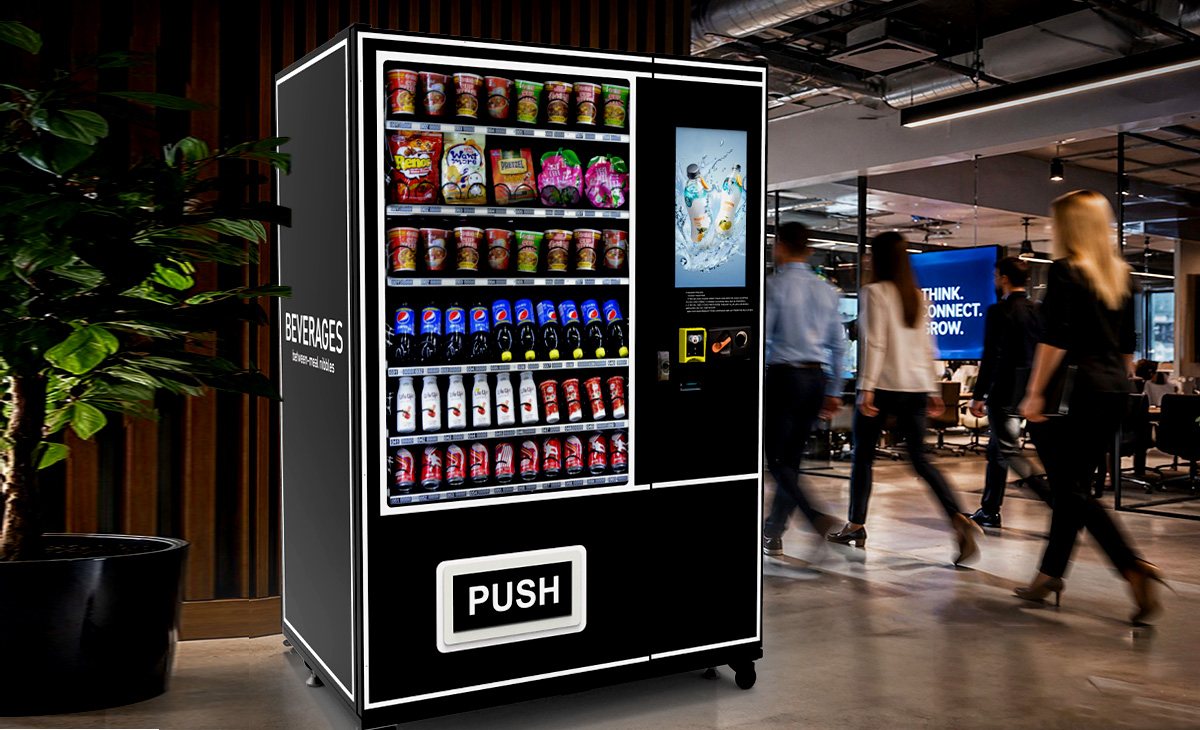
For vending machine repair, I’ve found that having a relationship with a local HVAC company is more effective than relying on the manufacturer’s support, because they can often respond faster. Just make sure they have experience with ice machines, not just air conditioning units.
Scaling Your Business
Once you have one machine running profitably for at least 6 months, you can start thinking about scaling. The most efficient way is to replicate what worked: same machine model, similar location profile, and same pricing strategy. Don’t be tempted to experiment with different machines or locations until you have a solid base.
I’ve seen operators grow from one machine to ten within two years by focusing on high-traffic gas stations and RV parks. The key is to have a system for monitoring, restocking, and repairing multiple machines without spending all your time driving. Group your machines geographically to minimize travel time.
FAQ: Frequently Asked Questions About Starting an Ice Vending Machine Business
Is an ice vending machine business profitable?
Yes, if you choose the right location and keep your operating costs low. Many operators see net profit margins of 60–80% per bag. However, profitability depends on traffic, machine reliability, and your ability to manage maintenance. It is not a passive income business unless you hire help.
How much does a Kooler Ice vending machine cost?
A new Kooler Ice machine costs between $18,000 and $45,000 depending on capacity. Used machines can be found for $8,000 to $30,000. The “Kooler Ice vending machine cost” is higher than some generic brands, but the after-sales support and parts availability are generally better.
How long does it take to break even?
Based on my experience and industry averages, most operators break even within 8 to 14 months. This assumes a total investment of around $20,000 and average monthly net profit of $1,500 to $2,500. Poor locations can take 2 years or more.
Should I buy a new or used machine?
If you have the capital, buy new. Used machines can be a good deal, but only if you have them inspected by a technician. I’ve seen too many used machines fail within weeks because of hidden compressor or water system issues.
What are the best locations for an ice vending machine?
Gas stations, convenience stores, campgrounds, RV parks, marinas, and outdoor event venues are the best. Look for places with high vehicle traffic, limited ice availability, and a customer base that needs ice regularly.
Do I need a license to operate an ice vending machine?
Yes, in most jurisdictions. You typically need a business license, a food vending permit, and possibly a health department inspection. Check with your local city or county business office. For US operators, the FDA Food Code provides guidelines. In Europe, check with your national food safety authority.
How do I choose a vending machine supplier?
Look for a supplier with a strong service network, good warranty terms, and remote monitoring capabilities. Ask for references and read reviews on operator forums. Zhongda Smart is one supplier I’ve had good experiences with, but compare multiple options before deciding.
What happens if the machine breaks down?
You need to have a plan. Keep a spare parts kit, have a list of local technicians who can work on ice machines, and consider a service contract. Remote monitoring helps you catch problems early before they become major failures.
How do I reduce maintenance costs?
Install a water filter, clean the condenser coils regularly, and use high-quality bags to reduce jams. Perform weekly visual inspections. Preventative maintenance is much cheaper than emergency repairs.
Final Thoughts
Starting a Kooler Ice vending machine business in 2026 is a realistic opportunity for someone willing to put in the work upfront. The margins are attractive, the demand is steady, and the technology has improved to the point where remote monitoring and cashless payments are standard. But it’s not a get-rich-quick scheme. Success comes from choosing the right equipment, securing a strong location, and staying on top of maintenance. If you treat it like a real business, it can generate consistent income for years.
Remember, every machine I’ve placed that failed was because of a location mistake or a maintenance lapse, not because the concept was flawed. Learn from those mistakes, start small, and scale only when you have a proven system. Good luck.
本文更新于2026年2月。市场数据和设备价格可能随时间变化,建议在做出投资决策前进行独立研究。