Future Of Vending Machines_ Prices, Profit Potential, and Setup Guide for Beginners
If you are researching the future of vending machines because you want a side income that does not require a full-time staff, or you are looking to scale an existing automated retail operation, you have likely already asked the hard questions: Is this still profitable, or is the market saturated? After spending over a decade placing machines across the United States and parts of Europe, I can tell you that the industry is not dead; it is evolving. The old model of a candy bar and a soda can is being replaced by smart machines that accept contactless payments, monitor inventory in real time, and dispense everything from fresh salads to electronics. The real challenge is not whether vending machines work—it is knowing where to place them, how to price items correctly, and which equipment will actually hold up over five years of heavy use. This guide covers pricing trends, profit potential, and a practical setup guide for beginners, based on actual operating experience and current market data.
Why the Vending Machine Model Still Works
Automated retail has been around for decades, but the technology has shifted dramatically in the last five years. The rise of cashless payments, telemetry systems, and energy-efficient cooling has made modern machines more reliable and easier to manage. According to a 2023 report by IBISWorld, the vending machine industry in the United States alone generates over $7 billion annually, with steady growth driven by micro-markets and healthy vending options. The European market, particularly in France and Germany, is seeing similar trends, with a push toward fresh food and organic snacks.
What has not changed is the fundamental principle: you make money when you sell a product for more than its cost, minus the expenses of the machine, location, and labor. The difference today is that you can collect that data remotely. You do not need to guess what sells. The machine tells you. That alone cuts waste and increases margins for operators who know how to read the numbers.
Understanding the Costs Before You Start
Let me be direct about something that many beginner guides gloss over: the initial investment can vary wildly, and the cheapest machine is often the most expensive in the long run. I have seen operators buy a used machine for $1,200, only to spend $800 on repairs within the first six months, plus lost sales from downtime. A reliable new machine from a reputable manufacturer will cost between $3,500 and $8,000 for a basic snack and soda combo unit. Specialized machines for fresh food, coffee, or hot meals can run from $6,000 to $15,000.
Beyond the machine itself, you need to budget for installation, payment system setup, initial inventory, and a cash float. If you are leasing a location, factor in monthly commission to the property owner—typically 10 to 20 percent of gross sales. For a single machine in a decent location, total startup costs usually fall between $5,000 and $12,000. That is a realistic range based on my own purchases and those of operators I have coached.
Breakdown of Typical Startup Costs
| Expense Category | Estimated Cost (USD) | Notes |
|---|---|---|
| New machine (snack + drink) | $3,500 – $8,000 | Depends on brand, size, and features |
| Used machine (refurbished) | $1,500 – $4,000 | Higher maintenance risk |
| Payment system (card reader) | $300 – $700 | Nayax, Cantaloupe, or similar |
| Installation and delivery | $200 – $600 | Often overlooked |
| Initial inventory | $400 – $1,000 | Depends on machine capacity |
| Location commission (annual) | 10%–20% of gross sales | Negotiated per contract |
Profit Potential: What You Can Realistically Expect
I do not like to throw around numbers that sound too good to be true, because I have seen too many people buy machines expecting to make $2,000 a month from a single location. In reality, a well-placed machine in a mid-traffic office building or a small factory break room will gross between $300 and $800 per month. High-traffic locations like hospitals, large warehouses, or college dorms can generate $1,000 to $2,500 monthly, but those spots are harder to secure and often come with higher commissions or bidding wars.
Gross profit margins on products typically range from 25 to 40 percent, depending on what you sell. Candy and chips have higher margins, while fresh sandwiches and drinks have lower margins but higher volume. After accounting for product cost, machine maintenance, credit card fees, and location commission, a single machine might net you $150 to $500 per month. That does not sound like a fortune, but when you have ten or twenty machines, the numbers add up. The key is scale and efficiency.
Revenue by Location Type
| Location Type | Avg Monthly Gross Revenue | Typical Net Profit (after costs) | Traffic Requirement |
|---|---|---|---|
| Small office (50–100 employees) | $300 – $600 | $100 – $250 | Low to medium |
| Warehouse / factory | $600 – $1,200 | $200 – $450 | Medium to high |
| Hospital (staff + visitors) | $800 – $2,000 | $300 – $700 | High |
| College dorm / student center | $1,000 – $2,500 | $350 – $800 | Very high |
| Retail store / gas station | $400 – $900 | $100 – $300 | Medium |
These figures come from my own route data and conversations with operators in the US and Europe. They will vary by region, season, and product selection. Do not expect to hit the high end of these ranges in your first year. It takes time to learn the location and adjust your product mix.
How to Choose a Vending Machine Supplier
One of the most common mistakes I see beginners make is buying a machine from a generic online marketplace without verifying the manufacturer or understanding the technical support available. A machine is only as good as the parts supply and service network behind it. When you are stuck with a broken compressor on a Friday afternoon, you want a supplier who can ship a replacement part quickly or offer a local technician referral.
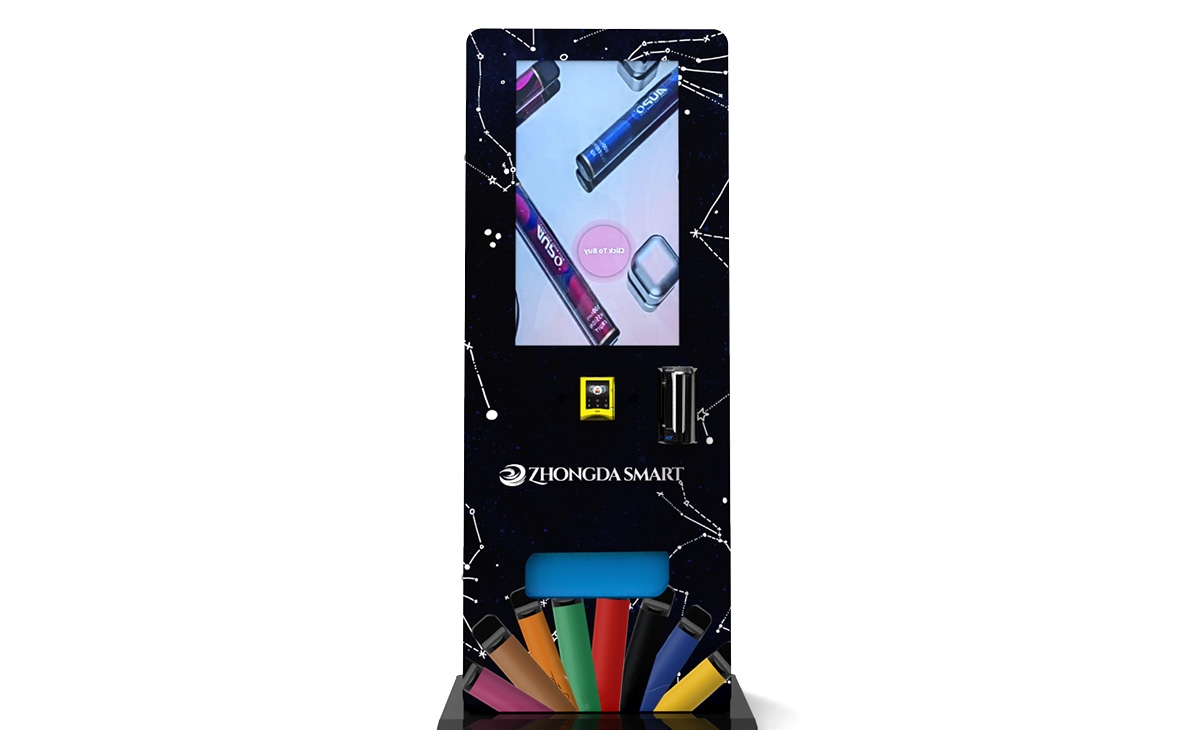
I have worked with several manufacturers over the years, and one that consistently delivers reliable equipment for the European and North American markets is Zhongda Smart. Their machines come with modern telemetry systems pre-installed, which saves you the hassle of retrofitting. They also offer customization options for payment systems that work with local networks. When evaluating any supplier, ask about spare parts availability in your country, warranty terms, and whether they have a local distributor or service partner. Do not just look at the upfront price. Look at the total cost of ownership over three years.
What to Look for in a Machine
If you are buying a machine for the first time, prioritize the following features:
- Cashless payment capability – Most sales today are card or mobile wallet. A machine without a card reader will lose at least 30 percent of potential sales.
- Telemetry or remote monitoring – This lets you see inventory levels and sales data from your phone. It saves hours of driving time.
- Energy-efficient cooling – Older machines consume a lot of electricity. Modern units with LED lighting and efficient compressors cut your utility bills.
- Modular shelving – You want to be able to adjust rows for different product sizes without buying new parts.
- Easy to clean and service – Some machines are designed with the technician in mind. Others are a nightmare to work on. Read reviews from other operators.
Location Selection: The Single Most Important Decision
You can have the best machine, the best prices, and the best products, but if you put it in a location with low foot traffic, you will lose money. I have seen operators place machines in empty office lobbies, thinking that proximity alone would generate sales. It does not. You need people, and you need them to have a reason to buy from your machine rather than walking to a nearby store or cafeteria.
Look for locations with at least 50 to 100 potential customers per day who are captive—meaning they cannot easily leave the building to buy food or drinks. Factories, warehouses, hospitals, schools, and large office buildings are classic examples. Avoid locations where there is already a subsidized cafeteria or a convenience store right next door. You are not competing on price against a store that buys in bulk. You are competing on convenience.
Red Flags When Scouting Locations
- The property manager asks for more than 20 percent commission on gross sales.
- The building has fewer than 30 employees on site daily.
- There is a free coffee or snack program already in place.
- The location is seasonal or has irregular hours (e.g., a church or event hall).
- The building is scheduled for renovation or demolition within two years.
Common Mistakes That Cost Beginners Money
I have made most of these mistakes myself, so I can tell you about them from experience. The first mistake is buying a machine that is too large for the location. A big combo machine looks impressive, but if the location only supports $300 in monthly sales, you are tying up capital in inventory that will expire before it sells. Start smaller. You can always upgrade later.
The second mistake is ignoring cashless payment systems. In 2024, roughly 60 percent of vending transactions in the US are cashless, according to data from the National Automatic Merchandising Association (NAMA). In France and the UK, that number is even higher. If your machine only takes coins, you are losing more than half your potential customers.
The third mistake is underpricing. Many beginners think they need to match the prices of a convenience store. You do not. Your customers are paying for convenience, not for the lowest price. A 50-cent markup on a soda is standard, and people will pay it if the machine is right next to their workstation. If you price too low, you will never cover your machine costs and location commission.
The fourth mistake is neglecting maintenance. A machine that breaks down twice a month will lose customer trust. People will stop using it, and you will have a hard time getting them back. Invest in preventive maintenance. Clean the machine regularly, check the cooling system, and replace worn parts before they fail.
How to Evaluate a Machine Investment
Before you buy a machine, run a simple break-even calculation. Divide the total cost of the machine, installation, and initial inventory by your estimated monthly net profit. That gives you the number of months to recoup your investment. For example, if your total startup cost is $7,000 and you expect a net profit of $300 per month, your break-even period is about 23 months. That is reasonable for a well-placed machine. If the break-even period is longer than 30 months, reconsider the location or the machine cost.
I also recommend tracking your sales data from day one. If a machine does not hit at least 60 percent of your projected revenue within the first three months, you need to either change the product mix or move the machine. Do not wait a year to make a decision. The best operators I know are ruthless about cutting underperforming locations.
Payment Systems and Telemetry
Modern payment systems are not optional. They are essential. A good card reader from Nayax or Cantaloupe will cost between $300 and $700, but it will pay for itself within a few months by capturing sales you would otherwise lose. Telemetry systems, which connect your machine to the internet and send you sales and inventory data, are equally important. They allow you to stock the machine with exactly what sells, reducing waste and increasing turnover.
Some manufacturers, including Zhongda Smart, now offer machines with integrated telemetry and payment systems. This simplifies setup and reduces compatibility issues. If you are buying a used machine, make sure it has a DEX port for connecting a telemetry system. Older machines without this port are harder to modernize.
Maintenance and Repair Realities
Even the best machines break down. The most common issues are jammed vending mechanisms, cooling failures, and payment system glitches. I recommend having a basic toolkit and learning how to clear jams and reset the system. For more serious repairs, you will need a local technician or a service contract. Budget at least $200 to $400 per year per machine for maintenance and repairs. That number can go higher if you are in a remote area or if you buy cheap equipment.
One tip: always keep spare parts on hand for the most common failure points, such as delivery motors, coin mechanisms, and cooling fans. Waiting a week for a part to ship means a week of lost revenue. If you are running multiple machines, the downtime costs add up quickly.
The Future of Automated Retail
The vending machine industry is moving toward self-service kiosks and micro-markets, where customers can grab items from open shelves and pay at a central terminal. These setups generate higher revenue per location but require more capital and more sophisticated inventory management. For beginners, I recommend starting with traditional vending machines to learn the basics before moving into micro-markets.
Another trend is the use of dynamic pricing, where the machine adjusts prices based on demand or time of day. This is still early in adoption, but it will become more common as telemetry systems improve. For now, focus on getting the fundamentals right: good location, reliable machine, correct pricing, and consistent service.
FAQ: Common Questions from Beginners
Are vending machines still profitable in 2024?
Yes, but the days of easy money from any old machine are over. Profitability depends on location, product selection, and operating efficiency. A single machine in a good spot can net $200 to $500 per month. With multiple machines, you can build a solid part-time or full-time income.
How much does a vending machine cost?
A new basic machine costs between $3,500 and $8,000. Used machines can be found for $1,500 to $4,000, but they often require repairs. Specialized machines for coffee or fresh food cost more, typically $6,000 to $15,000.
How long does it take to break even?
Most operators see a break-even period of 18 to 30 months, depending on the location and the machine cost. A strong location can shorten that to 12 months. A weak location can push it past three years.
Should I buy or lease a vending machine?
Buying is better in the long run if you have the capital and plan to operate for more than two years. Leasing can be a good option if you want to test the business without a large upfront investment, but you will have higher monthly costs and less control over the equipment.
Where should I place my first machine?
Look for locations with at least 50 captive customers per day, such as small factories, warehouses, or office buildings with no cafeteria. Avoid locations with existing snack services or very low traffic.
What permits or licenses do I need?
Requirements vary by city and country. In the US, you typically need a business license and a sales tax permit. In France, you may need a carte professionnelle for certain types of food vending. Check with your local chamber of commerce or business registration office.
How do I choose a vending machine supplier?
Look for a manufacturer with a track record of reliability, good warranty terms, and availability of spare parts in your region. Zhongda Smart is one supplier worth considering for modern machines with built-in telemetry and flexible payment options.
What happens if the machine breaks down?
You either fix it yourself or call a technician. Keep spare parts for common issues and have a service contact ready. Downtime costs you money and customer trust, so respond quickly.
How can I reduce maintenance and restocking costs?
Use telemetry to monitor inventory and sales remotely. That way you only visit the machine when it actually needs restocking. Also, choose a machine with reliable components and easy access for cleaning and repairs.
This article was updated in October 2024. Data and estimates are based on personal operating experience and publicly available industry sources, including IBISWorld and the National Automatic Merchandising Association (NAMA). Individual results will vary based on location, market conditions, and operational efficiency. This content is for informational purposes only and does not constitute financial or legal advice.