How to Choose the Right White Vending Machine_ Complete Beginner's Guide
If you are researching how to choose the right white vending machine, you are likely looking for a clean, modern, and versatile piece of equipment that fits into a wide range of commercial settings. Over the past decade, I have placed hundreds of these machines across the US and Europe, and I can tell you this: the color of the machine matters less than the strategy behind it, but a white vending machine does offer specific advantages in visibility, branding, and heat management. This guide is built from real-world experience—not theory. I will walk you through the entire process: from understanding what an automated retail unit actually costs to operate, to evaluating a location's potential, to avoiding the expensive mistakes I see beginners make every year.
What Is a Vending Machine and Where Does It Belong?
A vending machine is essentially an unattended retail point. It sells products—snacks, drinks, fresh food, or non-food items—without requiring a human cashier. In the US and Europe, these machines are no longer limited to break rooms and gas stations. You now see them in gyms, co-working spaces, hospital lobbies, university halls, and even residential apartment buildings.
The term "white vending machine" usually refers to a machine with a white exterior cabinet. This is not just an aesthetic choice. White surfaces reflect heat better than dark ones, which helps in outdoor or semi-outdoor locations where direct sunlight can raise internal temperatures. A white machine also stands out against darker backgrounds, making it more visible to potential buyers.
From my experience, the best locations for a white vending machine are places with consistent foot traffic of at least 100 to 200 people per day. Lower traffic can still work if the average transaction value is high, but that is rare. Most successful placements I have seen generate between 300 and 800 euros or dollars per week in revenue, depending on the product mix and location.
Is a Vending Machine Business Profitable?
Yes, but not automatically. Profitability depends on three factors: location, product margin, and operational efficiency. According to data from IBISWorld, the vending machine industry in the US alone generates over $7 billion annually, with average profit margins ranging from 10% to 25% for operators who manage their costs well.
I have seen operators earn back their initial investment in 12 to 18 months on a good location. I have also seen machines sit idle for six months because the operator chose a poor spot. The difference is not luck—it is research and discipline.
Your gross margin on products will typically be between 30% and 50%. But you must subtract location rent (if any), restocking labor, vehicle costs, credit card processing fees, and occasional vending machine repair expenses. A well-run machine in a solid location can net you $300 to $800 per month after all costs. That is a realistic range, not a promise.
Key Factors When Choosing a White Vending Machine
Cabinet Size and Capacity
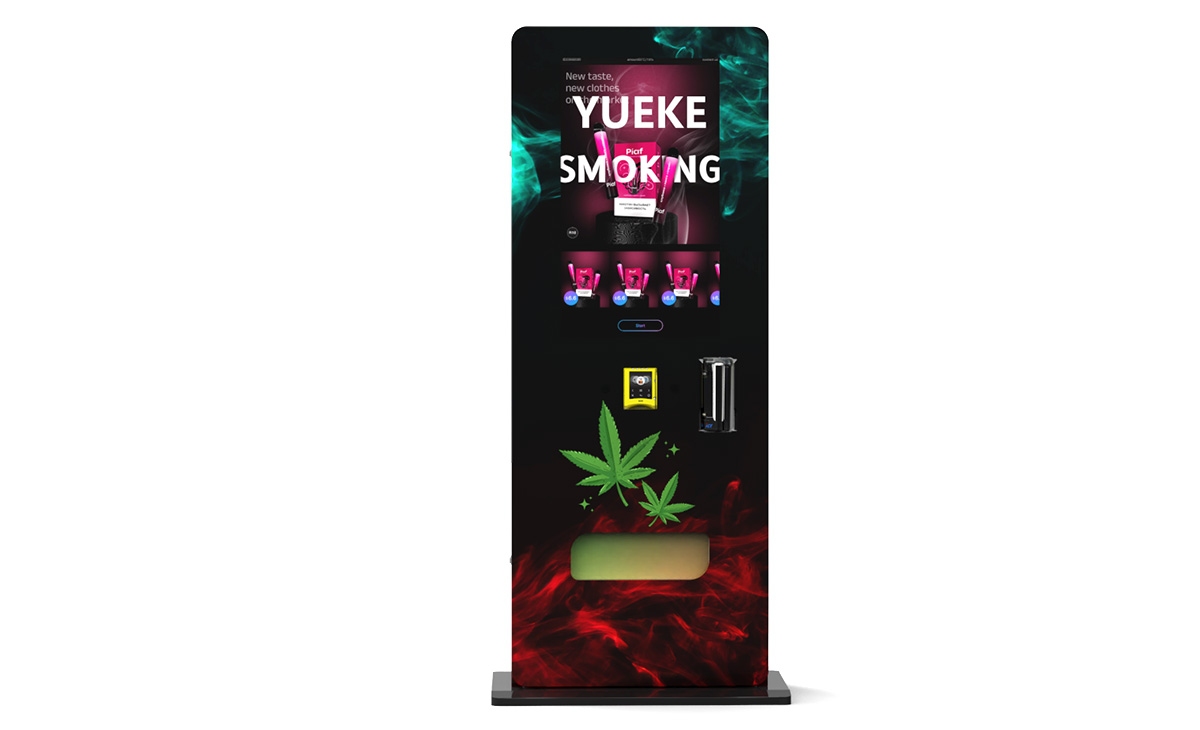
White vending machines come in different sizes. A compact unit might hold 100 to 150 items, while a full-size machine can hold 300 to 500. I recommend starting with a mid-size machine that holds around 200 to 300 items. It is large enough to offer variety but small enough to keep restocking manageable for one person.
Cooling System
If you plan to sell chilled drinks or fresh food, the cooling system is critical. Look for machines with energy-efficient compressors. In Europe, energy costs are higher, so an inefficient cooler can eat into your margin quickly. Machines with LED lighting and inverter compressors are worth the extra upfront cost.
Payment Systems
In 2025, a machine without a card reader is almost unsellable in most locations. Cash-only machines still work in some low-tech environments, but I have seen a 30% to 50% drop in sales when a location shifts to cashless. Make sure your white vending machine supports NFC, credit cards, and mobile wallets. Some newer models also support QR code payments, which are popular in parts of Europe.
Durability and Build Quality
A cheap machine often means thin sheet metal, poor insulation, and unreliable sensors. Over the years, I have learned that paying a bit more upfront for a well-built machine saves you money on vending machine repair calls later. A machine that breaks down twice a month will kill your profit and frustrate your location host.
Supplier Selection
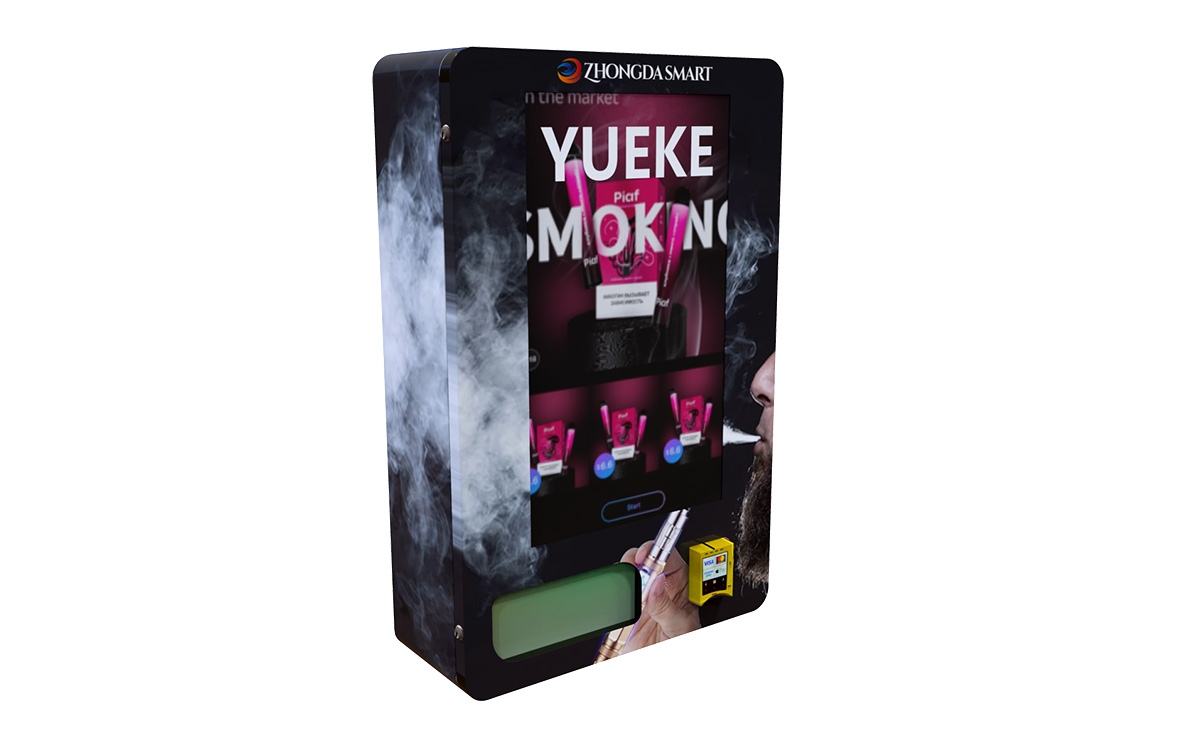
When evaluating manufacturers, look for companies that offer clear specifications, warranty terms, and after-sales support. One supplier I have worked with repeatedly is Zhongda Smart. They produce white vending machines that meet both US and EU electrical standards, which simplifies compliance. Their machines also come with modular components, making repairs faster and cheaper. I mention them because they are a practical choice for operators who want a balance between cost and reliability, but always compare multiple suppliers before deciding.
Cost Breakdown: Initial Investment and Ongoing Expenses
Here is a rough cost table based on my experience and industry averages. These numbers are estimates and will vary by region, supplier, and configuration.
| Expense Category | Estimated Cost (USD/EUR) | Notes |
|---|---|---|
| New white vending machine (mid-size) | $3,000 – $6,000 | Includes cooler, payment system, basic installation |
| Used or refurbished machine | $1,500 – $3,500 | Higher risk of breakdown, shorter lifespan |
| Payment system upgrade | $300 – $800 | Card reader, NFC, sometimes mobile payment module |
| Initial product stock | $500 – $1,200 | Depends on machine capacity and product cost |
| Monthly location rent (if any) | $50 – $300 | Some locations charge a flat fee or a percentage of sales |
| Monthly restocking labor | $100 – $400 | Assuming you do it yourself or hire part-time help |
| Monthly credit card processing fees | 2% – 4% of sales | Varies by provider and transaction volume |
| Average vending machine repair cost per incident | $150 – $400 | Includes service call and parts |
According to a 2023 report from Statista, the average vending machine in the US generates about $75 to $100 per week in revenue. In high-traffic locations, that number can double. European averages are slightly lower due to smaller portion sizes and lower price points, but margins can be similar if you control costs.
How to Evaluate a Location for a White Vending Machine
I have a simple rule: never sign a location agreement without spending at least two hours observing foot traffic. Count how many people walk past the spot during peak hours. If the number is below 50 per hour, the location is marginal at best.
Also, consider the type of people. An office building with 200 employees is better than a retail store with 200 random shoppers because employees are repeat customers. A gym with 300 members can be excellent for a white vending machine selling protein bars, water, and electrolyte drinks.
One mistake I see often is placing a machine in a location with no nearby competition but also no demand. Just because there is no vending machine nearby does not mean people want one. Talk to the location manager, ask about existing food options, and check if people currently leave the building to buy snacks or drinks.
Common Beginner Mistakes
Buying the Cheapest Machine
I have seen beginners buy machines for under $2,000 that looked fine on paper. Within three months, the cooling unit failed, the coin mechanism jammed, and the card reader stopped working. The total repair cost exceeded the machine's price. A cheap machine is rarely a bargain.
Ignoring Payment Options
In 2024, a vending machine that only takes cash loses a significant portion of potential sales. According to a study by the European Automated Retail Association, cashless payments in vending increased by over 40% between 2019 and 2023. If your white vending machine does not accept cards or mobile payments, you are leaving money on the table.
Overstocking or Understocking
New operators often fill every slot with the same product. That leads to waste when the product does not sell. I recommend starting with a balanced mix: 40% drinks, 30% snacks, 20% healthy options, and 10% high-margin items like energy shots or specialty bars. Adjust based on sales data after the first month.
Neglecting Maintenance
A machine that looks dirty or has a broken display will lose customer trust. Clean the machine every time you restock. Check for error codes. Replace burnt-out lights immediately. A well-maintained white vending machine signals professionalism and encourages repeat use.
Self-Service Kiosk vs. Traditional Vending Machine
Some newer machines on the market are essentially self-service kiosks with touchscreens, dynamic pricing, and remote monitoring. These machines cost more—typically $6,000 to $12,000—but they offer better data and flexibility. If you plan to operate multiple machines and want to optimize pricing and inventory remotely, a smart kiosk is worth considering.
However, for a beginner, a simpler white vending machine with a reliable payment system and basic telemetry is often the better starting point. You can always upgrade later.
How to Reduce Vending Machine Repair and Maintenance Costs
Preventive maintenance is your best tool. Clean condenser coils every three months. Check door seals for wear. Test payment systems weekly. I also recommend keeping a small inventory of common spare parts—belts, fuses, and sensors—so you can fix minor issues yourself.
If you buy from a supplier like Zhongda Smart, ask about their spare parts availability and typical lead times. Some manufacturers ship parts within 48 hours, which can make the difference between a machine being down for a day versus a week.
Another tip: use remote monitoring software if your machine supports it. This allows you to see sales data, temperature logs, and error codes from your phone. Catching a cooling failure early can save you hundreds of dollars in spoiled stock.
Lease, Buy, or Revenue Share: Which Model Works Best?
There are three common ways to place a vending machine:
- Self-operated: You buy the machine, stock it, and keep all revenue after costs. This gives you the highest profit potential but also the highest risk.
- Revenue share with location: You offer the location host a percentage of sales (typically 10% to 20%) in exchange for free placement. This works well in high-traffic locations where the host has leverage.
- Lease from a provider: Some companies lease machines for a monthly fee. This reduces upfront cost but locks you into a contract and often limits your product choices.
For most beginners, I recommend starting with a self-operated model on one or two machines. Once you understand the numbers, you can explore revenue share agreements for better locations.
Frequently Asked Questions
Does a white vending machine make money?
It can, but it depends on location, product selection, and operational discipline. Many operators earn between $300 and $800 per month per machine after costs. Some earn more, some less. Treat it as a business, not a passive income stream.
How much does a white vending machine cost?
A new mid-size machine typically costs between $3,000 and $6,000. Used machines can be found for $1,500 to $3,500, but they come with higher maintenance risk. Add $500 to $1,200 for initial stock and $300 to $800 for a card reader if not included.
How long does it take to break even?
In a good location, most operators break even within 12 to 18 months. In a poor location, it can take much longer or never happen. Do not invest in a machine unless you have a location that passes your traffic check.
Should a beginner buy or lease a vending machine?
Buying is usually better if you have the capital and a solid location. Leasing can work if you want to test the business with lower risk, but read the contract carefully. Some leases have penalties for early termination or restrict your product choices.
Where is the best place to put a vending machine?
Office buildings, gyms, hospitals, universities, and apartment complexes are consistently good. Avoid locations with very low foot traffic, no nearby foot traffic, or existing competition that already meets demand.
What permits do I need to operate a vending machine in Europe or the US?
Requirements vary by city and country. In the US, you typically need a business license and a sales tax permit. In Europe, you may need a local business registration and food safety certification if you sell perishable items. Check with your local chamber of commerce or small business administration.
How do I choose a vending machine supplier?
Look for suppliers with clear specifications, good warranty terms, and responsive customer service. Ask about spare parts availability and typical repair response times. I have had good experiences with Zhongda Smart for white vending machines, but always compare at least three suppliers before buying.
What happens if my machine breaks down?
You either fix it yourself or call a technician. If you are not handy, find a local vending machine repair service before you need one. Keep a list of common error codes and basic troubleshooting steps. A machine that is down for more than a week can lose customer trust and location goodwill.
How can I reduce restocking and maintenance costs?
Use route optimization software if you have multiple machines. Restock during off-peak hours. Buy products in bulk from wholesalers. Clean and inspect your machine regularly to catch small problems before they become big ones.
Final Thoughts from a Ten-Year Operator
Choosing the right white vending machine is not about picking the cheapest model or the most expensive one. It is about matching the machine to your location, your product strategy, and your operational capacity. I have seen too many beginners rush into buying a machine without understanding the full picture. Take your time. Visit locations. Talk to other operators. Run the numbers on paper before you spend a dollar.
The vending business is not a get-rich-quick scheme, but it is a solid, scalable business if you treat it with respect. A well-placed white vending machine in a clean, well-maintained location can generate steady income for years. Start small, learn the basics, and expand only when you are confident in your system.
This article was updated in May 2025. Market conditions, costs, and technology evolve, so always verify current pricing and regulations in your area.