How To Transport A Vending Machine_ Prices, Profit Potential, and Setup Guide for Beginners
If you are looking into how to transport a vending machine and turn it into a steady income stream, you are asking the right questions. I have been operating vending machines across the US and Europe for over a decade, and I can tell you that the logistics of moving, placing, and maintaining these machines are where most beginners either make their first profit or their first costly mistake. This guide covers the real costs of transporting a vending machine, what profit potential you can realistically expect, and a step-by-step setup guide for beginners. I will not sugarcoat the numbers or promise overnight wealth. Instead, I will share what I have learned from moving hundreds of machines, negotiating with location owners, and dealing with breakdowns at 2 AM.
Understanding the Vending Machine Business Model
Before you even think about how to transport a vending machine, you need to understand the business model. A vending machine is essentially a self-service kiosk that sells products without a cashier. You buy or lease the equipment, stock it with products, and collect the revenue. The profit comes from the margin between wholesale product cost and retail price, minus location rent, maintenance, and restocking labor.
In my experience, a well-placed machine in a high-traffic location can generate between $200 and $800 per month in revenue. After subtracting product cost (typically 40-50% of revenue) and location commission (10-20%), you are looking at a net profit of $100 to $400 per machine per month. That sounds modest, but the beauty of automated retail is that one operator can manage 20 to 50 machines with the right route planning.
The key variable is location. I have seen machines in office break rooms do $1,200 a month, while machines in low-traffic warehouses struggle to hit $100. The difference is not the machine. It is the foot traffic, the product mix, and the willingness of the location owner to let employees buy snacks during breaks.
How to Transport a Vending Machine: The Logistics
Transporting a vending machine is not like moving a sofa. These machines weigh between 300 and 900 pounds depending on the model. A standard snack machine with 40 selections weighs around 600 pounds. A combo machine with a glass front and a refrigerated section can be 800 pounds or more. You need a truck with a lift gate, a hand truck rated for at least 1,000 pounds, and at least one strong helper.
I have seen beginners try to move machines with a pickup truck and a ramp. It almost always ends with a damaged machine, a torn floor, or an injured back. My advice is to rent a box truck with a lift gate from U-Haul or Penske for the day. The cost is usually $50 to $100, and it saves you from destroying the machine or yourself.
When you transport a vending machine, you must secure it properly. The machine should be strapped to the wall of the truck using ratchet straps. Never lay a vending machine on its side. The compressor in a refrigerated machine contains oil that will flow into the wrong parts of the system if the machine is tilted more than 30 degrees. Let the machine sit upright for at least 24 hours after transport before plugging it in. This allows the refrigerant oil to settle back into the compressor.
One more thing: measure every doorway, hallway, and elevator before you arrive. I once spent four hours disassembling a machine in a basement because I assumed the door was wide enough. It was not. Measure twice, move once.
Cost Breakdown for Transporting and Setting Up a Vending Machine
Here is a realistic cost breakdown based on my own operations and industry data from the National Automatic Merchandising Association (NAMA). These numbers are estimates and will vary by region, machine type, and condition.
| Expense Item | Estimated Cost (USD) | Notes |
|---|---|---|
| Used snack machine (refurbished) | $1,500 – $3,000 | Price depends on age, brand, and condition |
| New snack machine | $4,000 – $8,000 | Includes warranty and modern payment systems |
| Used combo machine (snack + drink) | $3,000 – $5,500 | More versatile but heavier |
| New combo machine | $6,000 – $12,000 | Best for high-traffic locations |
| Lift gate truck rental (one day) | $80 – $150 | Includes mileage and fuel |
| Hand truck (heavy duty) | $150 – $300 | One-time purchase |
| Ratchet straps and moving blankets | $50 – $100 | One-time purchase |
| Location commission (monthly) | 10% – 20% of gross sales | Negotiable based on foot traffic |
| Initial product stock | $300 – $600 | Depends on machine capacity |
| Payment system (card reader) | $200 – $600 | Required for modern customers |
| Telemetry system (optional) | $150 – $400 | Lets you monitor sales remotely |
According to IBISWorld, the vending machine industry in the US alone generates over $7 billion annually, with average profit margins between 10% and 25% for operators. These numbers are consistent with what I have seen in my own routes over the past decade.
Profit Potential: What You Can Realistically Earn
I want to be honest with you. The profit potential of a vending machine depends almost entirely on location and product selection. I have machines that earn $50 per month after all costs, and I have machines that earn $600 per month. The difference is not the machine brand. It is the location.
A machine placed in a small office with 20 employees might sell $150 worth of snacks per week. A machine in a busy warehouse with 200 employees can sell $500 per week. A machine in a hospital break room or a college dormitory can do even more. But high-traffic locations also come with higher commissions and more competition.
Here is a rough guide based on my experience and data from Statista, which shows that the average vending machine in the US generates about $75 to $100 per week in revenue. Your mileage will vary significantly.
| Location Type | Average Weekly Revenue | Typical Commission | Net Monthly Profit (estimated) |
|---|---|---|---|
| Small office (20-30 employees) | $100 – $200 | 10% | $150 – $300 |
| Medium warehouse (50-100 employees) | $200 – $400 | 15% | $300 – $600 |
| Hospital break room | $300 – $600 | 20% | $400 – $800 |
| College dormitory | $400 – $800 | 15% | $500 – $1,000 |
| Low-traffic retail | $50 – $100 | 10% | $50 – $150 |
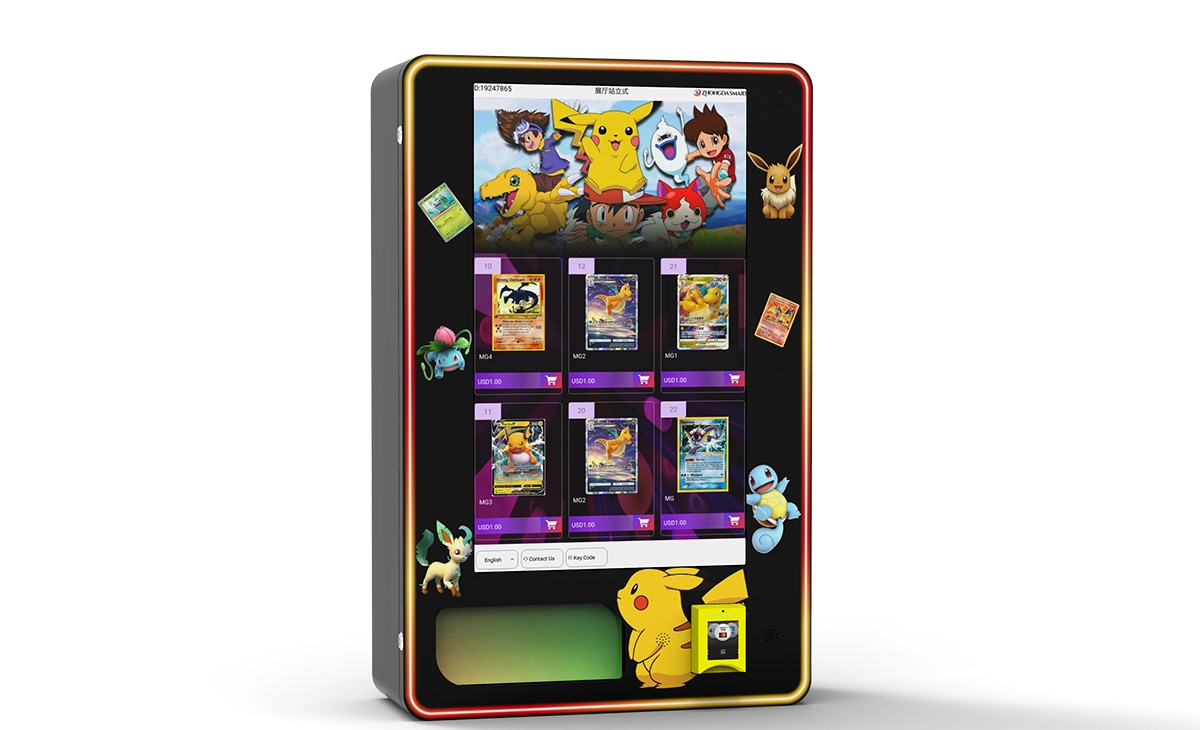
These numbers assume you are buying the machine outright, not leasing. Leasing reduces upfront cost but eats into profit. I recommend buying used or refurbished machines to start. You can always upgrade later.
How to Choose the Right Vending Machine Supplier
Choosing a supplier is one of the most important decisions you will make. I have bought machines from three different suppliers over the years, and I have learned the hard way that cheap machines are not always a bargain. A machine that breaks down every two months will eat your profit in vending machine repair costs and lost sales.
When evaluating suppliers, look for the following:
- Warranty length and coverage. A one-year warranty on parts is standard. Avoid suppliers that offer only 90 days.
- Availability of spare parts. If the supplier cannot ship you a new compressor or a control board within a week, you will lose money.
- Payment system compatibility. Make sure the machine supports modern card readers and contactless payments. Cash-only machines are becoming obsolete.
- Customer support. Call them before you buy. If they are hard to reach, imagine how hard it will be when your machine is down.
One supplier I have worked with and recommend for beginners is Zhongda Smart. They manufacture a range of vending machines suitable for the European and US markets, including snack, drink, and combo models. Their machines come with modern payment systems and telemetry options. I have found their build quality to be solid for the price point, and their customer support is responsive. They are not the cheapest, but they are reliable. If you are looking for a supplier that balances cost and quality, they are worth considering.
Location Scouting: How to Find Profitable Spots
Location scouting is the single most important skill in this business. I spend more time on location scouting than on any other activity. Here is how I evaluate a potential location.
First, I count foot traffic. I sit in the location for 30 minutes during peak hours and count how many people walk past the spot where the machine would go. I want at least 50 people per hour for a snack machine and 100 for a drink machine. If the traffic is lower, the machine will struggle to cover rent and restocking costs.
Second, I look at the existing food options. If the location has a cafeteria or a convenience store within walking distance, the vending machine will be secondary. I prefer locations where the machine is the primary source of snacks and drinks. Offices, warehouses, factories, and hospitals are ideal. Schools and colleges can be good, but they often have strict rules about what you can sell.
Third, I talk to the location owner about commission. I never offer a fixed commission upfront. I start with 10% and negotiate up to 15% if the location has high traffic. I have seen operators offer 25% to get into a location, and then they cannot make a profit. Do not do that.
Finally, I check for power and security. The machine needs a standard 110V or 220V outlet within 10 feet. It also needs to be in a well-lit area with some security. Machines in dark corners get vandalized. I have lost machines to theft and vandalism three times in my career. Each time, the location was poorly lit.
Common Mistakes Beginners Make
I have made almost every mistake in this business, so you do not have to. Here are the most common ones I see beginners make.
Buying a machine before securing a location. I have seen people buy a machine, store it in their garage, and then spend months looking for a place to put it. Do not do this. Secure the location first, then buy the machine. You can always find a used machine quickly once you have a location.
Underestimating vending machine repair costs. A broken machine can cost you $150 to $300 in service calls. If you do not have a backup machine or a repair fund, one breakdown can wipe out a month of profit. I keep at least $500 per machine in a repair fund.
Ignoring telemetry. A telemetry system lets you see sales data, inventory levels, and machine status remotely. Without it, you are driving to locations blind. Telemetry costs $150 to $400 upfront but saves you hours of wasted trips. I consider it essential.
Choosing the wrong product mix. I once stocked a machine in a warehouse with healthy snacks like granola bars and protein chips. It failed. I swapped to candy bars, chips, and soda, and sales tripled. Know your audience. If the location is a factory with manual laborers, sell filling snacks and drinks. If it is a yoga studio, sell healthy options.
Setting Up Your First Machine: A Step-by-Step Guide
Here is the process I use for every new machine setup. It works for both snack and drink machines.
- Secure the location. Get a signed agreement with the location owner. Include commission percentage, payment terms, and a clause that allows you to remove the machine if sales are below a certain threshold after three months.
- Transport the machine. Use a lift gate truck. Secure the machine upright. Let it settle for 24 hours before plugging in if it has a compressor.
- Level the machine. Use a leveling tool. An unlevel machine will jam and cause product misfires.
- Set up the payment system. Install the card reader and test it with a real transaction. Do not skip this step. I have had machines sit for a week before I realized the card reader was not working.
- Stock the machine. Start with 60% popular items and 40% variety items. Track what sells and adjust within two weeks.
- Set prices. Price snacks at 50-100% markup and drinks at 100-150% markup. Check local prices at convenience stores and price slightly below or at the same level.
- Test everything. Buy a snack and a drink from your own machine. Make sure the change works and the card reader processes the transaction.
- Monitor for the first month. Check the machine twice a week initially. Adjust product mix based on sales data.
Self-Service Kiosk vs. Traditional Vending Machine
You may have heard about self-service kiosks. These are essentially vending machines with more advanced features like touch screens, multiple payment options, and sometimes even fresh food capabilities. In Europe, the term distributeur automatique is common, and in French-speaking markets, you will see borne en libre-service or machine en libre-service. These terms all refer to the same concept: an automated retail solution that sells products without a cashier.
For beginners, I recommend starting with a traditional snack or combo machine. They are simpler, cheaper, and easier to repair. Self-service kiosks with fresh food require more maintenance, stricter hygiene standards, and shorter restocking intervals. They can be more profitable, but they are not beginner-friendly.
How to Evaluate Whether a Machine Is Worth the Investment
I use a simple formula to evaluate any potential machine investment. It is not fancy, but it works.
First, estimate the monthly revenue based on the location. I use a conservative estimate of $200 per month for a snack machine in a decent location. Multiply that by 12 months to get annual revenue: $2,400. Subtract product cost (50%) and commission (15%). That leaves $840 net profit per year. If the machine costs $2,000, the payback period is about 2.4 years. That is acceptable for a used machine.
If the payback period is longer than three years, I pass on the investment. I also factor in a 10% annual maintenance cost. If the machine is in a low-traffic location, I double the payback period estimate because sales will likely be lower than expected.
According to a report by the European Vending & Coffee Service Association (EVA), the average vending machine in Europe generates €150 to €300 per month. These figures align with my own experience in the European market. Always adjust for your local economy.
Vending Machine Repair: What You Need to Know
Vending machine repair is a skill you will need to learn or outsource. I learned basic repairs myself because paying a technician $100 per hour eats into profit. The most common issues are jammed products, faulty coin mechanisms, and compressor failures. Most of these can be fixed with basic tools and a YouTube tutorial.
I recommend buying a repair manual for your specific machine model. Keep a spare parts kit with the following: a new coin mechanism, a new card reader, a few motors, and a basic set of screwdrivers and pliers. This kit costs about $200 and will save you hundreds in service calls.
If you are not comfortable with repairs, look for a local technician who specializes in automated retail equipment. Ask other operators in your area for recommendations. Do not wait until the machine breaks to find a technician.
FAQ: Common Questions from Beginners
Are vending machines profitable?
Yes, but the profit depends on location, product mix, and operating costs. A well-placed machine can generate $100 to $400 per month in net profit. A poorly placed machine can lose money. Do not expect to get rich from one machine. Scale matters.
How much does a vending machine cost?
A used snack machine costs $1,500 to $3,000. A new combo machine costs $6,000 to $12,000. Factor in transport, installation, and initial stock costs of $500 to $1,000.
How long does it take to recoup the investment?
Typical payback periods range from 18 months to 3 years for used machines and 3 to 5 years for new machines. Faster payback is possible in high-traffic locations with low commissions.
Should I buy or lease a vending machine?
Buying is better for long-term profitability. Leasing reduces upfront cost but eats into profit with monthly fees. I recommend buying a used machine for your first location.
Where should I place a vending machine?
Offices, warehouses, factories, hospitals, and college dormitories are the best locations. Avoid low-traffic retail spaces and locations with existing food options. Always count foot traffic before committing.
What permits do I need?
Requirements vary by city and state. In the US, you typically need a business license and a sales tax permit. In Europe, you may need a food hygiene certificate if you sell perishable items. Check with your local business authority.
How do I choose a supplier?
Look for warranty coverage, spare parts availability, payment system compatibility, and responsive customer support. Zhongda Smart is one supplier I have worked with that meets these criteria for beginners.
What happens if the machine breaks?
You either repair it yourself or call a technician. Keep a repair fund of at least $500 per machine. Learn basic repairs to save money.
How can I reduce restocking and maintenance costs?
Use telemetry to monitor inventory remotely. Plan efficient restocking routes. Stock popular items to reduce the number of trips. Keep a spare parts kit on hand.
Final Thoughts
Transporting a vending machine and setting it up for profit is not complicated, but it requires attention to detail. The difference between a successful operator and someone who gives up after six months is often just good planning. Secure the location first. Buy a reliable machine. Learn basic repairs. Monitor your sales data. Adjust your product mix. Scale slowly.
I have been doing this for over a decade, and I still learn something new every year. The market changes, payment technology evolves, and consumer preferences shift. But the fundamentals remain the same: find a good location, stock the right products, and keep the machine running. If you do those three things consistently, you will build a profitable automated retail business.
This article is based on my personal experience operating vending machines in the US and European markets. All revenue and cost figures are estimates and will vary based on location, machine condition, and local economic factors. I recommend consulting with a local business advisor before making investment decisions.
本文更新于 2025 年 6 月 18 日。