Vending Machines Rentals Business Guide_ How It Works, Profit & Maintenance Explained
If you are considering starting a vending machines rentals business, you are likely asking the same questions I did over a decade ago: does this actually generate consistent profit, and how much work is involved? After running hundreds of units across commercial and industrial locations in the US and Europe, I can tell you that the answer depends entirely on three factors: placement, equipment reliability, and operational discipline. A vending machine is not a passive income miracle, but it can be a solid, scalable business if you treat it like a micro-retail operation. This guide walks through real costs, realistic timelines, and the mistakes most first-time operators make, so you can decide if this model fits your goals.
How the Vending Machine Business Actually Works
At its core, a vending machine business is about selling convenience. You place a self-service kiosk in a high-traffic location, stock it with products people want, and collect the revenue. The operator handles everything from machine procurement and installation to restocking, cash collection, and machine en libre-service maintenance. Unlike a traditional store, there is no lease for retail space, no staff scheduling, and no complex inventory management. But that simplicity can be deceptive. The operational details—machine placement, payment system integration, product selection, and vending machine repair—determine whether you make money or burn through your initial investment.
Key Operational Models
There are three common ways to enter this business. You can buy machines outright and operate them yourself, lease machines from a supplier, or enter a revenue-sharing agreement with a location owner. Each model has different upfront costs and profit splits. I have seen operators succeed with all three, but the buy-and-operate model gives you the most control over margins and machine placement decisions.
Is a Vending Machine Business Profitable?
Profitability varies widely by location, product mix, and machine type. Based on my experience across dozens of sites, a well-placed machine in a medium-traffic office building can generate between $300 and $800 per month in revenue. High-traffic locations like hospitals, transportation hubs, or large manufacturing plants can push that figure above $1,500 per month. However, you must subtract product costs, credit card processing fees, machine maintenance, and restocking labor. Gross margins typically range from 25% to 40% depending on product pricing and local competition. According to data from IBISWorld, the vending machine industry in the US has an average profit margin of around 12–15% after all expenses. That aligns with what I have seen in practice for single-machine operators.
Realistic Revenue Expectations
I always tell new operators to expect a break-even period of 12 to 24 months for a single machine. If you place a machine in a poor location, you will never recover your investment. If you find a strong location, you can recoup your costs in under a year. The key is to avoid overpaying for equipment and to negotiate reasonable commission rates with location owners, typically between 10% and 20% of gross sales.
What Does a Vending Machine Cost?
The initial investment for a vending machine can range from $2,000 for a used basic model to over $10,000 for a new, high-capacity machine with a touchscreen and cashless payment system. I recommend budgeting between $4,000 and $7,000 for a reliable new machine that accepts both cash and cards. Cheaper machines often have higher vending machine repair costs and lower reliability, which kills your profit over time. When I started, I bought a few low-cost units from an unknown supplier and spent more on repairs in the first year than the machines were worth.
Equipment Types and Cost Comparison
| Machine Type | Typical Cost (New) | Best Use Case | Maintenance Frequency |
|---|---|---|---|
| Snack machine (basic) | $2,500 – $4,500 | Offices, schools | Every 2–3 months |
| Drink machine (can/bottle) | $3,000 – $5,500 | Gyms, warehouses | Every 3–4 months |
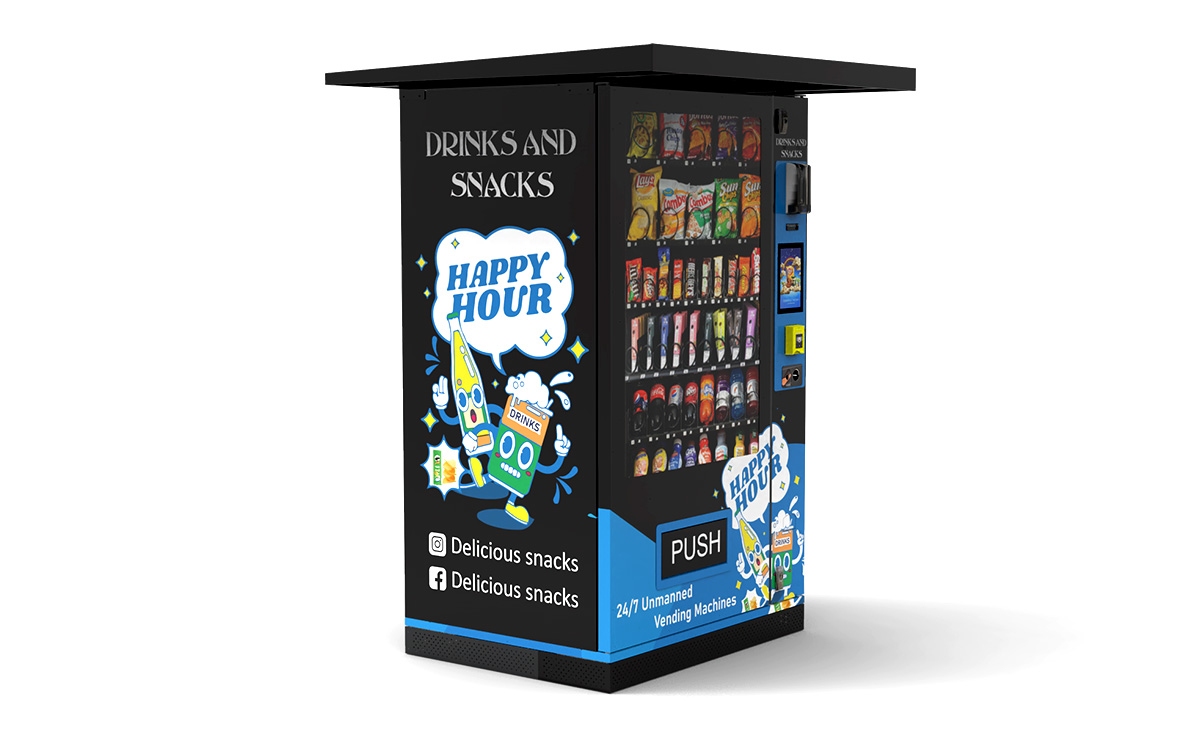
| Combo snack & drink | $4,500 – $7,000 | Break rooms, small retail | Every 2 months |
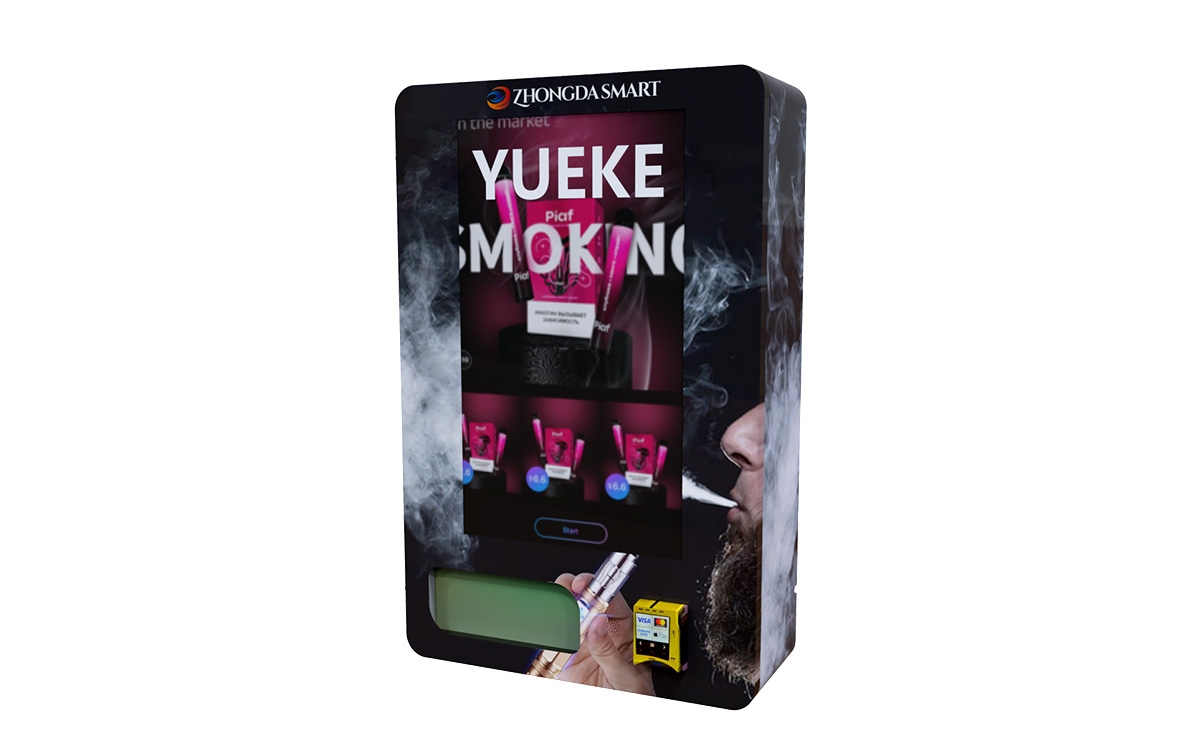
| High-end touchscreen | $7,000 – $12,000 | High-traffic public areas | Monthly |
How to Evaluate a Location for a Vending Machine
Location is the single most important factor. I have seen machines in identical office parks produce wildly different results because of foot traffic patterns and employee density. Look for locations with at least 100 potential daily customers. That could be a factory with 200 employees, a hospital with 500 staff and visitors, or a college dormitory. Do not rely on the location owner's opinion. Spend a few hours observing foot traffic during peak hours. If possible, ask about existing vending services. If the location already has a machine, check its age and condition. An old, poorly maintained machine is often an opportunity to replace it with a better solution.
Common Location Types and Their Potential
- Office buildings: Reliable revenue, but lower weekend traffic. Average monthly revenue $400–$700.
- Manufacturing plants: High traffic, shift workers, strong demand for snacks and drinks. Average $600–$1,200 per month.
- Hospitals and clinics: High traffic, 24/7 demand, but higher commission requests. Average $500–$1,000.
- Schools and universities: Seasonal revenue, but high volume during semesters. Average $300–$800.
- Gyms and fitness centers: Good for healthy snacks and drinks. Average $200–$500.
Maintenance and Vending Machine Repair
Every machine will need maintenance. The most common issues are coin jams, card reader failures, and temperature control problems in drink machines. I recommend setting aside at least 10% of your monthly revenue for maintenance and repairs. If you operate more than 10 machines, it becomes cost-effective to learn basic vending machine repair yourself. For single-machine operators, building a relationship with a local technician is essential. Many suppliers, including Zhongda Smart, offer machines with modular components that are easier to repair, which reduces downtime and service costs.
Preventive Maintenance Checklist
- Clean the machine interior and exterior every restocking visit.
- Check all payment systems for firmware updates.
- Inspect cooling systems in drink machines every three months.
- Replace worn-out buttons and keypads immediately.
- Verify that the machine is level to prevent product jams.
How to Choose a Vending Machine Supplier
Supplier selection is critical. I have worked with several manufacturers over the years, and the biggest differentiators are build quality, after-sales support, and availability of spare parts. When evaluating suppliers, ask about warranty terms, average lead time for replacement parts, and whether they offer remote diagnostics. Zhongda Smart is one supplier I have used for several deployments because their machines offer solid build quality and good support for international operators. But do not take my word alone. Always request references from other operators in your region and test the machine interface before purchasing.
Red Flags When Buying Machines
- Suppliers who cannot provide detailed technical specifications.
- Machines with proprietary parts that are hard to source.
- No clear warranty policy or support contact.
- Prices that are significantly below market average.
Payment Systems and Cashless Integration
Cashless payment is no longer optional. In the US, card and mobile payments account for over 60% of vending transactions, according to a 2023 report by Statista. Machines that only accept cash lose a significant portion of potential sales. When selecting a machine, ensure it supports NFC, credit cards, and mobile wallets. Some suppliers offer integrated payment systems, but you can also retrofit older machines with third-party readers. The transaction fee for cashless payments typically ranges from 2.5% to 5%, which is a manageable cost compared to the revenue gain.
Common Mistakes New Operators Make
I have seen beginners make the same errors repeatedly. The most common is overestimating foot traffic. A busy hallway does not guarantee sales if the people passing by do not have a reason to stop. Another mistake is buying machines that are too large for the location. A massive combo machine in a small break room looks impressive but will generate low turnover and higher spoilage. Finally, many new operators neglect product rotation and expiration dates, which leads to customer complaints and lost trust.
Lessons from Failed Locations
One of my earliest failures was placing a machine in a small retail store with low daily traffic. The owner assured me that customers would use it, but after three months, the machine averaged only $80 per month in sales. I moved it to a nearby warehouse and revenue jumped to $600 per month. The lesson is simple: do not rely on promises. Verify traffic patterns yourself and have a clear exit plan if a location underperforms.
How to Decide Between Buying and Leasing
Leasing a machine can reduce upfront costs, but it also reduces your profit margin. Most leasing agreements require a monthly fee that eats into your revenue. Over three years, you will often pay more in lease fees than the machine's purchase price. I generally recommend buying a machine outright if you have the capital. If you are testing the business, consider buying a used machine from a reputable supplier and operating it for six months before scaling.
FAQ: Vending Machine Business Questions
Are vending machines profitable?
Yes, but profitability depends on location, product pricing, and operational costs. A well-placed machine can generate $400–$1,000 per month in revenue, with net profit margins of 12–20% after all expenses. It is not a get-rich-quick business, but it can provide steady passive income.
How much does a vending machine cost?
A new vending machine costs between $2,500 and $12,000 depending on size, features, and brand. Used machines can be found for $1,500 to $4,000, but may require more maintenance.
How long does it take to break even?
For a single machine, break-even typically occurs between 12 and 24 months. In high-traffic locations, you can break even in under 12 months. Low-traffic locations may never break even.
Should I buy or lease a vending machine?
Buying gives you full profit control and better long-term returns. Leasing is useful for testing the business with lower upfront risk, but you will pay more over time.
What are the best locations for vending machines?
Manufacturing plants, hospitals, office buildings with shift workers, schools, and transportation hubs are the most reliable locations. Always verify foot traffic before committing.
What permits do I need?
Requirements vary by city and state. In the US, you typically need a business license and a sales tax permit. Some states require a specific vending machine permit. Check with your local city hall or business licensing office.
How do I choose a vending machine supplier?
Look for suppliers with a track record of reliable machines, good warranty terms, and accessible spare parts. Ask for references and test the machine interface if possible.
What happens if my machine breaks down?
You need a plan for vending machine repair. If you operate multiple machines, learn basic repairs. For a single machine, find a local technician before you need one. Many suppliers offer remote diagnostics to identify issues quickly.
How can I reduce restocking costs?
Use data from your machine's sales reports to stock only the best-selling items. Plan restocking routes efficiently if you have multiple machines. Consider using a route management app to optimize schedules.
Final Thoughts
Starting a vending machines rentals business is not complicated, but it requires realistic expectations and consistent effort. Focus on finding strong locations, investing in reliable equipment, and maintaining your machines regularly. Avoid the temptation to scale too quickly. One profitable machine is worth more than five machines that barely cover their costs. If you approach this business with discipline, it can provide a solid return on your time and capital.
This article was updated in February 2025. Data and estimates are based on the author's operational experience and publicly available industry reports. Individual results may vary. Always consult local regulations and conduct your own due diligence before making business decisions.