Vending Machine Locations For Sale_ Prices, Profit Potential, and Setup Guide for Beginners
If you are looking into vending machine locations for sale, you are likely trying to skip the hardest part of this business: finding a spot that actually turns a profit. After a decade in automated retail across the US and Europe, I can tell you that the machine itself is the easy part. The real value, and the real risk, sits in the location. Buying a location with an existing machine, or securing a lease for a high-traffic area, can dramatically shorten your learning curve. But not all locations are created equal. Some come with inflated asking prices, outdated equipment, or foot traffic that looks good on paper but buys nothing. This guide breaks down what you should expect to pay, what profit potential looks like in real terms, and how to set up your first route without burning through your capital on bad deals.
Why Location Is the Only Thing That Matters
I have seen beginners spend months researching the perfect snack machine, only to place it in a break room with twelve employees. That machine will never make money, no matter how shiny it is. In vending, your location determines 80 percent of your success. The other 20 percent is product selection, pricing, and reliability. If you are looking at vending machine locations for sale, you are essentially buying access to a specific group of people. That access has a price, and you need to know how to evaluate it.
What Makes a Location Profitable
A good location has consistent foot traffic, a captive audience, and minimal competition. Think warehouses, factories, hospitals, college dorms, and transportation hubs. These places have people who are either working, waiting, or passing through with limited options. A machine in a quiet office park with low turnover will struggle. A machine near a busy hospital cafeteria line, on the other hand, can do three to four restocks per week during peak seasons. Based on my own routes, a strong location generates between $400 and $1,200 per month in revenue per machine. Weak locations often fall below $150.
Understanding the Price of Vending Machine Locations for Sale
When you see a listing for vending machine locations for sale, the price usually reflects three things: the equipment, the existing revenue stream, and the lease agreement. Prices vary wildly. A single machine in a marginal location might sell for $2,000 to $4,000. A route of five to ten machines in solid locations can go for $30,000 to $80,000. Some sellers ask for a multiple of monthly gross revenue. A common formula is 8 to 12 times monthly net profit. If a location nets $500 per month, expect to pay between $4,000 and $6,000 for that income stream alone, not including the machine.
Hidden Costs in Buying a Route
Do not assume the numbers on the listing are accurate. I have bought routes where the seller claimed $800 per month per machine, only to find out that half the machines were in locations about to lose their lease. Always ask for at least six months of sales data. Verify it with the machine's telemetry if possible. Factor in the cost of replacing old equipment. Many routes for sale include machines that are ten to fifteen years old. Those units may need frequent vending machine repair, and parts for older models can be hard to source.
Profit Potential: What the Numbers Actually Look Like
Let me give you a realistic picture based on my own experience and industry benchmarks. According to a 2023 report by IBISWorld, the vending machine operating industry in the US generates approximately $7.5 billion in annual revenue, with profit margins averaging around 15 to 20 percent after all costs. That margin is thinner than many beginners expect. The reason is that operators often underestimate the cost of inventory, spoilage, machine downtime, and location commissions.
Here is a breakdown of typical monthly costs for a single machine in a medium-traffic location:
- Gross revenue: $600
- Cost of goods sold (inventory): $300 to $360 (50 to 60 percent)
- Location commission: $60 to $120 (10 to 20 percent)
- Payment processing fees: $15 to $25 (2.5 to 4 percent)
- Maintenance and repair reserve: $30 to $50
- Net profit: $75 to $175 per machine per month
This is not a get-rich-quick business. But with a route of twenty machines in good locations, you can generate a solid part-time or full-time income. The key is scale and efficiency.
Comparing Machine Types and Their Profit Potential
Not all machines perform the same. The table below compares three common types based on my operational experience and data from industry sources like the National Automatic Merchandising Association (NAMA).
| Machine Type | Typical Cost (New) | Monthly Revenue Range | Gross Margin | Maintenance Frequency |
|---|---|---|---|---|
| Snack and beverage combo | $5,000 - $9,000 | $400 - $1,200 | 40-50% | Every 2-3 months |
| Cold drink only | $3,500 - $6,500 | $300 - $900 | 50-60% | Every 3-4 months |
| Healthy snack / organic | $6,000 - $10,000 | $500 - $1,000 | 45-55% | Every 1-2 months |
Combo machines generally offer the best balance of variety and revenue, but they also require more frequent restocking. Healthy snack machines can have higher margins, but spoilage is a real issue if you overstock items with short shelf lives.
How to Evaluate a Location Before You Buy
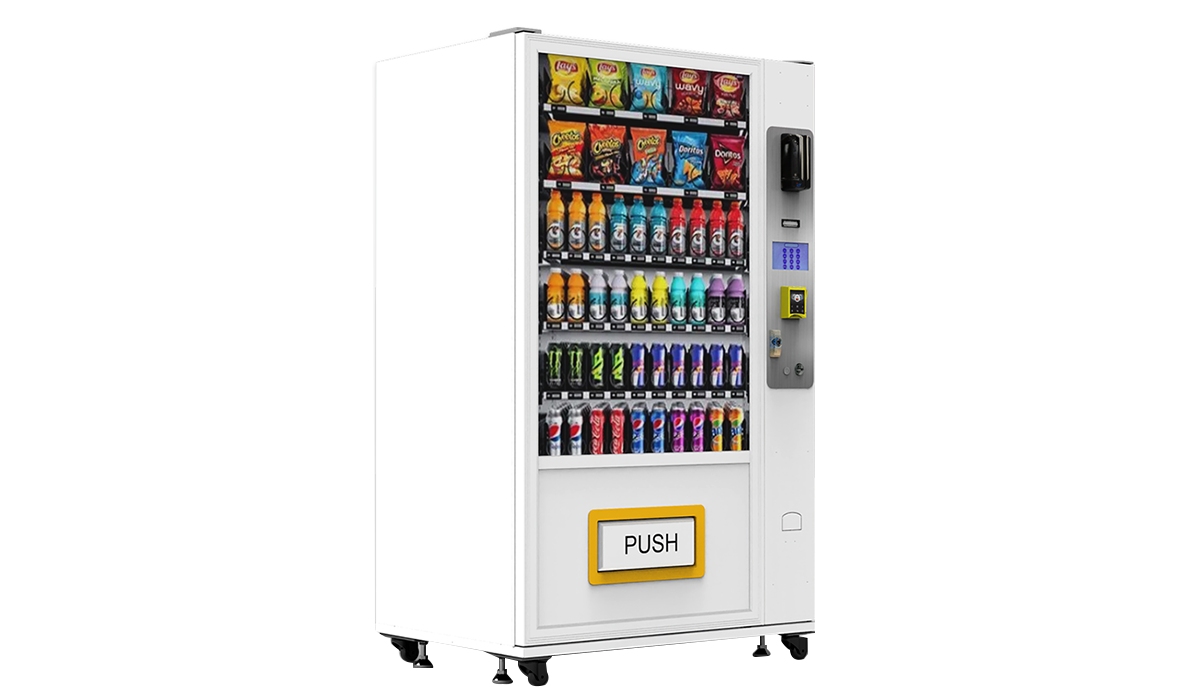
Never buy a location sight unseen. I made that mistake once, and I ended up with a machine in a warehouse that had exactly fourteen employees. Visit the site at different times of the day. Count the number of people passing by. Talk to the facility manager. Ask about future plans. Is the building going to be renovated? Is the company downsizing? These factors can kill your revenue overnight.
Foot Traffic and Demographics
For a snack machine, you want a minimum of 50 to 100 potential customers per day. For a drink machine, higher traffic is better because margins on drinks are thinner. Look at the type of workers. Blue-collar environments tend to buy more snacks and energy drinks. Office settings lean toward coffee, water, and healthier options. A location near a gym might do well with protein bars and bottled water, but not with candy.
Setup Guide for Beginners: From Purchase to First Restock
If you are ready to buy your first machine, here is the process I recommend based on what has worked for me and other operators I know.
Step 1: Choose Your Equipment Wisely
New machines are expensive but reliable. Used machines can save you money upfront but may cost more in vending machine repair over the first year. If you buy used, look for machines manufactured after 2015. They are more likely to have modern payment systems and telemetry. Avoid machines that still use mechanical coin drops unless you enjoy climbing into the back of a truck every time a coin jam occurs.
When selecting a supplier, I have found that manufacturers who offer good after-sales support and parts availability are worth paying a premium for. Zhongda Smart is one of the names that comes up frequently in operator forums for reliable mid-range equipment. They offer decent telemetry integration and their machines are compatible with most modern payment systems, which reduces the headache of upgrading later. Always check whether the supplier has a local service network or at least a reliable shipping partner for spare parts.
Step 2: Secure the Location Agreement
Do not place a machine without a written agreement. Even if the location owner is your cousin. A simple one-page contract should outline the commission percentage, who handles electricity, who is responsible for cleaning, and the notice period for termination. Standard commissions range from 10 to 20 percent of gross sales. Some high-traffic locations like hospitals or airports may ask for 25 percent or more. You can negotiate, but know your limits.
Step 3: Set Up Payment Systems
Cash-only machines are dying. In 2024, over 80 percent of vending transactions in the US are cashless, according to a report by Statista. Install a card reader and support mobile payments like Apple Pay and Google Pay. The upfront cost is around $300 to $600 per machine, plus a monthly fee of $10 to $20 and processing fees of 2.5 to 4 percent. It is worth it. I have seen machines double their revenue within a month of adding a card reader.
Step 4: Stock Smart, Not Just Full
Start with a balanced mix of top-selling items. In most markets, that means water, soda, chips, candy, and a few protein bars. Track what sells and what sits. After two months, adjust your planogram. Do not be afraid to remove slow movers. I once had a machine where beef jerky accounted for 18 percent of sales. In another, it was a total dud. The only way to know is to look at the data.
Common Mistakes I See Beginners Make
I have made most of these mistakes myself, so I can tell you exactly what to avoid.
Buying Cheap Machines
A $1,500 used machine from a garage sale might seem like a steal, but if it breaks down twice a month, you will lose money on lost sales and repair calls. Cheap machines often lack telemetry, which means you are driving to the location blind. You do not know what is sold out until you get there. That is wasted time and fuel.
Ignoring Telemetry
Telemetry systems let you see inventory levels and sales data remotely. They cost about $20 to $40 per month per machine. Without them, you are guessing. I have seen operators who restock a machine every week only to find that half the slots are still full. That is inefficient. Telemetry pays for itself in reduced labor costs alone.
Overpaying for a Route
When you see vending machine locations for sale, do your due diligence. Verify the revenue. Check the condition of the equipment. Factor in the cost of replacing any machines that are near the end of their life. A route that looks profitable on paper can become a money pit if the machines are old and the locations are unstable.
Best Locations for Vending Machines Based on Real Data
Not all locations are equal. Based on my own route data and conversations with other operators, here are the top-performing location types:
- Manufacturing and industrial facilities: High foot traffic, long shifts, captive audience. Average monthly revenue per machine: $700 to $1,200.
- Hospitals and medical centers: 24-hour traffic, staff and visitors. Revenue: $500 to $1,000.
- College dormitories and student unions: High density, late-night demand. Revenue: $400 to $900.
- Transit hubs (bus and train stations): High turnover, but often high commission demands. Revenue: $300 to $800.
- Office buildings: Variable. Only good if the building has at least 100 employees. Revenue: $200 to $600.
How to Choose a Supplier or Manufacturer
Your relationship with your equipment supplier will make or break your operation. Look for a manufacturer that offers a warranty of at least two years on parts. Check if they have a local distributor or service center. Ask about the availability of spare parts for models that are three to five years old. Some manufacturers discontinue support too quickly, leaving you with a machine that is hard to repair.
In my experience, suppliers like Zhongda Smart offer a good balance of build quality and affordability. They provide decent telemetry options and their machines are designed for easy servicing. But do not take my word for it. Reach out to other operators in your area. Visit a trade show if you can. Touch the machines. Open the doors. Test the keypad. You will know quickly whether a machine feels solid or flimsy.
FAQ: Answers to the Questions I Get Most Often
Are vending machines profitable?
Yes, but profitability depends heavily on location and operating costs. A single machine in a good spot can net $100 to $200 per month. A route of 20 machines can generate a decent income, but you need to treat it like a business, not a passive investment.
How much does a vending machine cost?
A new machine ranges from $3,500 to $10,000 depending on size and features. Used machines can be found for $1,500 to $4,000, but they may require more frequent vending machine repair. When looking at vending machine locations for sale, the price includes both the machine and the location agreement.
How long does it take to break even?
On average, expect 12 to 24 months to recoup your investment for a new machine in a good location. Used machines in strong locations can break even in 8 to 12 months. If you buy a route, the payback period is usually 18 to 36 months depending on the asking price.
Should I buy or lease a machine?
Leasing is rarely a good deal. You end up paying more over time and you do not build equity. Buying is better if you have the capital. If you are tight on cash, start with one or two used machines and reinvest the profits.
Where should I place my first machine?
Start with a location you already have access to. A friend's warehouse, your own office, or a local business you know well. This reduces the risk of a bad lease and gives you time to learn the operational side without pressure.
What permits do I need?
Requirements vary by state and city. In the US, you generally need a business license and a sales tax permit. Some cities require a specific vending license. In Europe, you need to register your business and comply with local food safety regulations. Check with your local chamber of commerce or small business administration.
How do I choose a supplier?
Look for a manufacturer with a solid reputation, good warranty, and accessible spare parts. Zhongda Smart is a reliable option for mid-range equipment. Avoid suppliers that do not offer telemetry or cashless payment integration, as these are essential in today's market.
What happens if the machine breaks down?
You need to have a plan. If you are handy, you can handle basic repairs. For more complex issues, find a local technician who specializes in vending machine repair. Keep a stock of common spare parts like coin mechs, card readers, and refrigeration components.
How can I reduce restocking and maintenance costs?
Use telemetry to monitor inventory remotely. Plan your routes efficiently. Group machines that are close to each other. Standardize your equipment so you only need to carry one set of spare parts. Over time, these small efficiencies add up significantly.
Final Thoughts from the Road
Vending is not a passive income stream. It is a hands-on business that requires attention to detail, willingness to learn from mistakes, and a realistic view of the numbers. If you are looking at vending machine locations for sale, take your time. Verify everything. Start small. Scale only when you have a system that works. The operators who succeed are the ones who treat every location as a data point and every restock as a chance to improve. There is no shortcut, but there is a clear path. Follow it, and you will build a route that pays for itself over time.
This article was updated in May 2025. All financial figures are based on the author's operational experience and publicly available industry data. Individual results may vary. Always conduct your own due diligence before purchasing equipment or locations.