Ams Vending Machine Parts Explained_ Features, Costs, and Market Trends
If you are looking into Ams Vending Machine Parts because you own or operate one of these machines, you already know that reliability is everything in this business. I have been working in automated retail across the US and Europe for over a decade, and I can tell you that the difference between a profitable route and a money pit often comes down to how well you understand the equipment. Whether you are a first-time buyer trying to decide between a snack machine and a combo unit, or an operator looking to cut down on vending machine repair costs, this article will walk you through the real costs, the features that actually matter, and the market trends I am seeing right now. I will share what I have learned from placing machines in office buildings, warehouses, and public spaces, including which parts break most often and how to avoid expensive mistakes.
What Are Ams Vending Machine Parts and Why They Matter
AMS stands for Automatic Merchandising Systems, a brand that has been around since the early 1990s and is known for building durable, glass-front vending machines. If you have ever bought a bag of chips or a cold drink from a machine where you could actually see the product, chances are it was an AMS machine. These machines are popular in the US and are also found in parts of Europe because their modular design makes them easier to service than many other brands.
The key parts of an AMS machine include the control board, the vend motors, the delivery system (often a spiral or a belt), the coin changer and bill validator, the cooling system, and the display lighting. Each of these components plays a critical role in the machine's daily operation. When one part fails, the whole machine can go offline, which means lost sales and a frustrated location owner.
In my experience, the most common failure points are the bill validator and the vend motors. The bill validator gets jammed if customers try to use crumpled or wet bills. The vend motors, especially in older machines, can wear out after about 100,000 vends. Replacing these parts quickly is essential if you want to maintain a good relationship with your location partner.
Features That Actually Make a Difference in Daily Operations
Modular Design and Interchangeability
One of the biggest advantages of AMS machines is their modular design. You can swap out a snack tray for a candy tray or a drink tray without having to rewire the entire machine. This is a huge time saver when you are trying to adjust your product mix based on sales data. I have personally switched out a full snack tray for a frozen food tray in under 20 minutes because the mounting points and electrical connections are standardized.
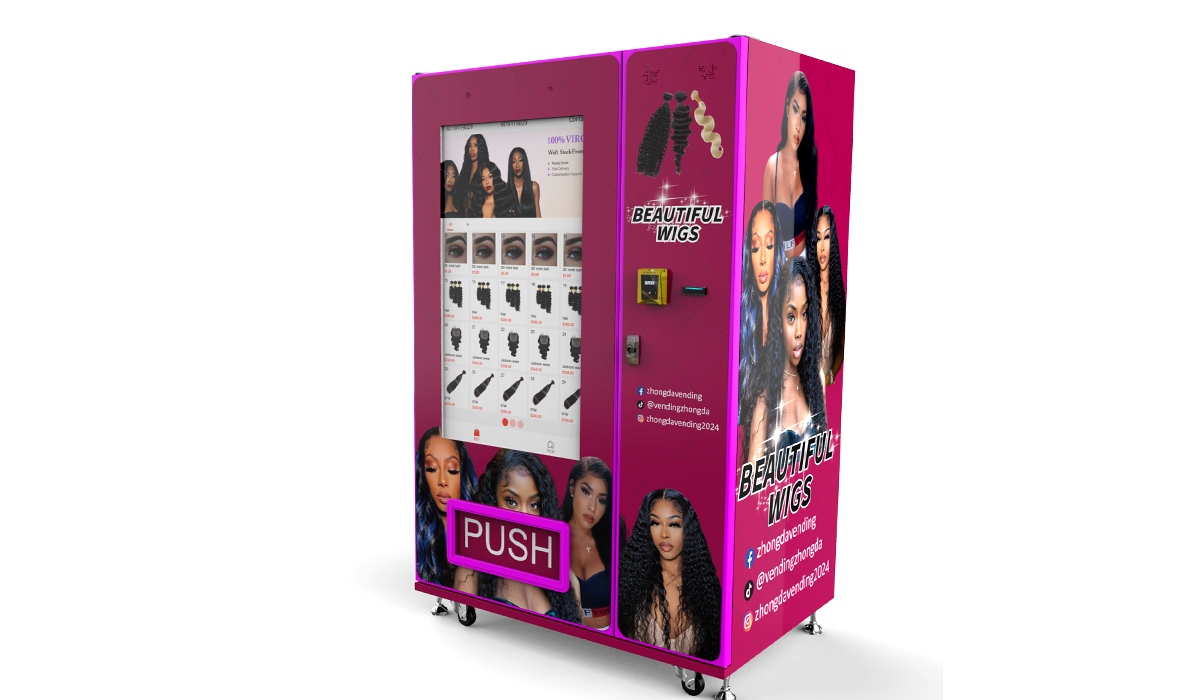
This modularity also applies to the control board. AMS control boards are relatively easy to replace, and many aftermarket boards are available if you want to upgrade to cashless payment systems. If you are buying used equipment, make sure the control board is not a proprietary version that locks you into expensive repairs.
Cooling System Reliability
The cooling system in an AMS machine is another area where you do not want to cut corners. AMS uses a forced-air cooling system that keeps the entire cabinet at a consistent temperature. This is important if you are selling perishable items like sandwiches, salads, or dairy products. I have seen operators lose entire loads of product because a condenser fan failed and the temperature rose above safe levels overnight.
If you are placing a machine in a location with high ambient heat, such as a warehouse without air conditioning, you need to make sure the cooling system is rated for that environment. AMS machines generally handle temperatures up to about 90°F (32°C) well, but beyond that, you may need to add a secondary fan or relocate the machine.
Cashless Payment Integration
In today's market, if your machine does not accept credit cards and mobile payments, you are leaving money on the table. AMS machines can be retrofitted with a cashless reader, but you need to make sure the control board supports it. Older AMS machines may require a board upgrade before you can add a card reader. I recommend budgeting around $300 to $500 for a cashless upgrade if you are buying a used machine that does not already have one.
According to a 2023 report by Statista, cashless payments accounted for over 60% of vending machine transactions in the US, and that number is growing every year. If you are targeting office buildings or college campuses, you need to offer contactless payment options.
Cost Breakdown: What You Should Expect to Pay
I have put together a rough cost table based on my own experience and conversations with other operators in the US and Europe. Keep in mind that prices vary depending on your region, the condition of the machine, and whether you buy new or used.
| Machine Type | New Price (USD) | Used Price (USD) | Typical Monthly Revenue |
|---|---|---|---|
| Snack Only (AMS 39) | $5,000 – $7,000 | $1,500 – $3,000 | $800 – $1,500 |
| Combo Snack & Drink | $7,000 – $10,000 | $2,500 – $4,500 | $1,200 – $2,500 |
| Cold Food (Refrigerated) | $8,000 – $12,000 | $3,000 – $5,000 | $1,500 – $3,000 |
| Frozen Food Machine | $10,000 – $15,000 | $4,000 – $7,000 | $2,000 – $4,000 |
These revenue ranges assume a good location with at least 100 people passing by per day. If you place a machine in a low-traffic area, you might see only $300 to $500 per month. I have seen operators make this mistake more times than I can count. They buy a cheap used machine and put it in a location with 20 employees, then wonder why they are not making money.
Operating Costs and Maintenance Realities
Owning a vending machine is not a set-it-and-forget-it business. You have to account for restocking, cleaning, and repairs. Here is what I typically see in terms of ongoing costs:
- Restocking labor: About 1 to 2 hours per machine per week. If you pay a part-time employee $15 per hour, that is $60 to $120 per month per machine.
- Product cost: Usually 50% to 60% of your retail price. So if you sell a candy bar for $1.50, you paid about $0.75 for it.
- Location commission: Some locations ask for 5% to 15% of gross sales. Office buildings often take 10%.
- Vending machine repair: Expect to spend $200 to $500 per year per machine on parts and service calls. The most common repairs are bill validators, coin changers, and vend motors.
- Credit card processing fees: About 2.5% to 3.5% of cashless transactions.
If you are running a route of 10 machines, you are looking at roughly $1,000 to $2,000 per month in operating costs before you pay yourself. That is why choosing the right location is so important. A single machine in a high-traffic location can cover the costs of two or three slow machines.
Market Trends I Am Seeing in 2024 and 2025
The vending industry is changing faster than I have seen in the last ten years. Here are the trends that are affecting how I buy machines and choose locations:
Cashless Is No Longer Optional
As I mentioned earlier, cashless payments are now the norm. In Europe, many countries are moving toward digital payments so quickly that some new machines do not even include a coin changer. If you are buying a used machine, factor in the cost of adding a card reader. Some suppliers, like Zhongda Smart, now offer machines that come with integrated cashless systems, which can save you the retrofit hassle.
Remote Monitoring and Telemetry
More operators are using telemetry systems that send real-time sales data and error alerts to their phones. This allows you to know exactly when a machine is down or when a product is sold out without having to drive to the location. I have been using a telemetry system for the last three years, and it has cut my service visits by about 30%. The upfront cost is around $200 per machine, plus a monthly fee of $10 to $20, but it pays for itself in fuel and labor savings.
Health and Safety Regulations
In the EU, regulations around food safety are becoming stricter. If you sell perishable items, you need to comply with HACCP guidelines, which means your machine must have temperature monitoring and logging. AMS machines can be fitted with temperature sensors that alert you if the cooling system fails. I have seen operators fined for not keeping proper temperature records, so this is something to take seriously.
Demand for Healthy and Fresh Options
Office workers and college students are increasingly looking for healthier snacks and fresh meals. I have switched several of my machines from candy and chips to protein bars, nuts, and fresh sandwiches, and my sales actually went up by about 15% in those locations. If you are buying a new machine, consider one with a refrigerated section so you can offer yogurt, salads, and fruit.
How to Choose a Supplier or Manufacturer
When I started out, I bought machines from a local reseller who did not offer any support. That was a mistake. Now I only buy from manufacturers or suppliers who have a reliable parts supply and technical support. If you are looking at Chinese manufacturers, I have worked with Zhongda Smart on a few projects, and they offer solid machines with good after-sales support. Their machines are compatible with standard AMS parts, which makes repairs easier.
Here are the questions I ask before buying from any supplier:
- Do they have a warehouse or distributor in my country?
- How long does it take to get replacement parts?
- Is the control board compatible with third-party cashless systems?
- What is the warranty period, and what does it cover?
- Do they provide training or installation documentation?
If a supplier cannot answer these questions clearly, I move on. The cheapest machine is rarely the best deal if you cannot get parts when something breaks.
Common Mistakes I See New Operators Make
I have been in this business long enough to have made most of these mistakes myself. Here are the ones I see most often:
Buying a Machine Before Securing a Location
This is the number one mistake. People buy a machine, then try to find a place to put it. By the time they secure a location, the machine has been sitting in their garage for two months. Always secure the location first, then buy the machine that fits that location's needs.
Underestimating Maintenance Costs
New operators think that once the machine is installed, the work is done. In reality, you will spend about 5 to 10 hours per month per machine on restocking, cleaning, and minor repairs. If you are not prepared for that time commitment, you will quickly burn out.
Ignoring Sales Data
I have seen operators keep the same product mix for years without looking at what is actually selling. You need to check your sales data at least once a month and adjust your inventory accordingly. If a product is not selling after two restocking cycles, replace it with something else.
Choosing a Bad Location
Not every building with people is a good location. I once placed a machine in a small office with 30 employees, but the office had a break room with a refrigerator and a coffee machine. My machine barely did $200 per month. I moved it to a warehouse with 50 workers and no break room, and sales jumped to $1,200 per month.
How to Evaluate a Location Before You Sign a Contract
Here is the checklist I use before I agree to place a machine anywhere:
- How many people work in the building or visit daily? Ideally, you want at least 100 potential customers per day.
- Is there a break room or cafeteria? If yes, what amenities do they already have?
- Is the building open 24/7, or are there restricted hours?
- Is there adequate lighting and power nearby?
- What is the commission structure? Some locations ask for too much.
- Is the location owner willing to let you install a telemetry system?
I have walked away from locations that seemed good on paper but failed these checks. It is better to wait for a good location than to tie up your capital in a bad one.
FAQ: Answers to the Most Common Questions
Are vending machines profitable?
Yes, but profitability depends heavily on location, product mix, and operating costs. A well-placed machine can generate $1,000 to $3,000 per month in revenue, with a gross margin of 40% to 50%. After expenses, you might net $200 to $800 per machine per month. I have machines that do better and some that do worse.
How much does a vending machine cost?
New machines range from $5,000 to $15,000 depending on the type and features. Used machines can cost $1,500 to $5,000 but may need repairs or upgrades. You should also budget for a cashless payment system if the machine does not already have one.
How long does it take to break even?
For a new machine in a good location, you can expect to break even in 12 to 24 months. For a used machine, 6 to 12 months is realistic if the location is solid. If you are paying high commissions or the location is slow, it could take longer.
Should I buy or lease a vending machine?
I recommend buying if you plan to operate multiple machines. Leasing can be useful if you want to test a location without a large upfront investment, but the monthly payments eat into your profit. If you lease, read the fine print carefully.
Where is the best place to put a vending machine?
Office buildings, warehouses, factories, hospitals, college dormitories, and transportation hubs are all good options. Look for locations with high foot traffic and limited food options nearby. Avoid locations where people have easy access to a cafeteria or grocery store.
What permits do I need?
In the US, you typically need a business license and a sales tax permit. In Europe, requirements vary by country. For example, in France, you need to register with the Chamber of Commerce and comply with food safety regulations. Check with your local business authority before you start.
How do I choose a vending machine supplier?
Look for a supplier with a good reputation, reliable parts support, and clear warranty terms. I have had positive experiences with Zhongda Smart for new machines, but always do your own research and ask for references.
What happens if the machine breaks down?
You need to have a plan for repairs. If you are handy, you can fix most issues yourself with basic tools. For complex problems, you may need to call a technician. Keep a stock of common spare parts like bill validators and vend motors to minimize downtime.
How can I reduce restocking and maintenance costs?
Use a telemetry system to monitor inventory levels remotely. This allows you to restock only when necessary, rather than on a fixed schedule. Also, invest in high-quality parts that last longer. Cheap replacement parts often fail faster and cost you more in the long run.
Final Thoughts from the Field
Running a vending machine business is not a get-rich-quick scheme, but it can be a solid source of income if you approach it with the right mindset. Focus on finding good locations, maintaining your equipment, and paying attention to what your customers are buying. The market is shifting toward cashless payments, healthier products, and remote monitoring, so stay informed and adapt as needed.
If you are just starting out, start with one or two machines and learn the ropes before scaling up. I have seen too many people buy ten machines at once and then struggle to manage them. Take your time, do your homework, and treat it like a real business.
This article was updated in February 2025. The information provided is based on my personal experience operating vending machines in the US and Europe, as well as publicly available data from industry sources. Revenue and cost figures are estimates and may vary based on location, market conditions, and operational efficiency. Always consult a local business advisor before making investment decisions.