Mini Vending Machines Explained_ Features, Costs, and Market Trends
If you are exploring the idea of starting a vending machine business or adding self-service retail to an existing location, you have likely come across the term "mini vending machines." These compact units are not just smaller versions of traditional machines—they represent a shift in how automated retail works in high-foot-traffic, space-constrained environments. In my ten-plus years operating vending routes across the US and Europe, I have seen mini vending machines go from niche novelty to a serious revenue channel for operators who understand the numbers. This article breaks down the real features, costs, and market trends you need to evaluate before buying your first unit.
What Exactly Is a Mini Vending Machine?
A mini vending machine is a compact, self-contained automated retail unit designed for smaller product capacities—typically holding between 20 and 100 items. Unlike full-size machines that can stock hundreds of SKUs, these units prioritize flexibility and placement over volume. You will find them on countertops, mounted on walls, or sitting on custom stands in locations where a traditional machine simply would not fit.
Most mini machines use either spiral coils, conveyor belts, or robotic gantry systems to dispense products. The choice of mechanism directly affects reliability, maintenance frequency, and the types of products you can sell. Spiral systems are the most common and cost-effective, but they limit you to uniform packaging. Conveyor and gantry systems offer more flexibility for irregular shapes but come with higher upfront costs and more potential mechanical issues.
From my experience, the best use case for a mini vending machine is a location with moderate foot traffic—think office break rooms, small retail shops, hotel lobbies, gyms, and coworking spaces. These places do not generate enough daily sales to justify a full-size machine, but a compact unit can still turn a healthy profit if placed correctly.
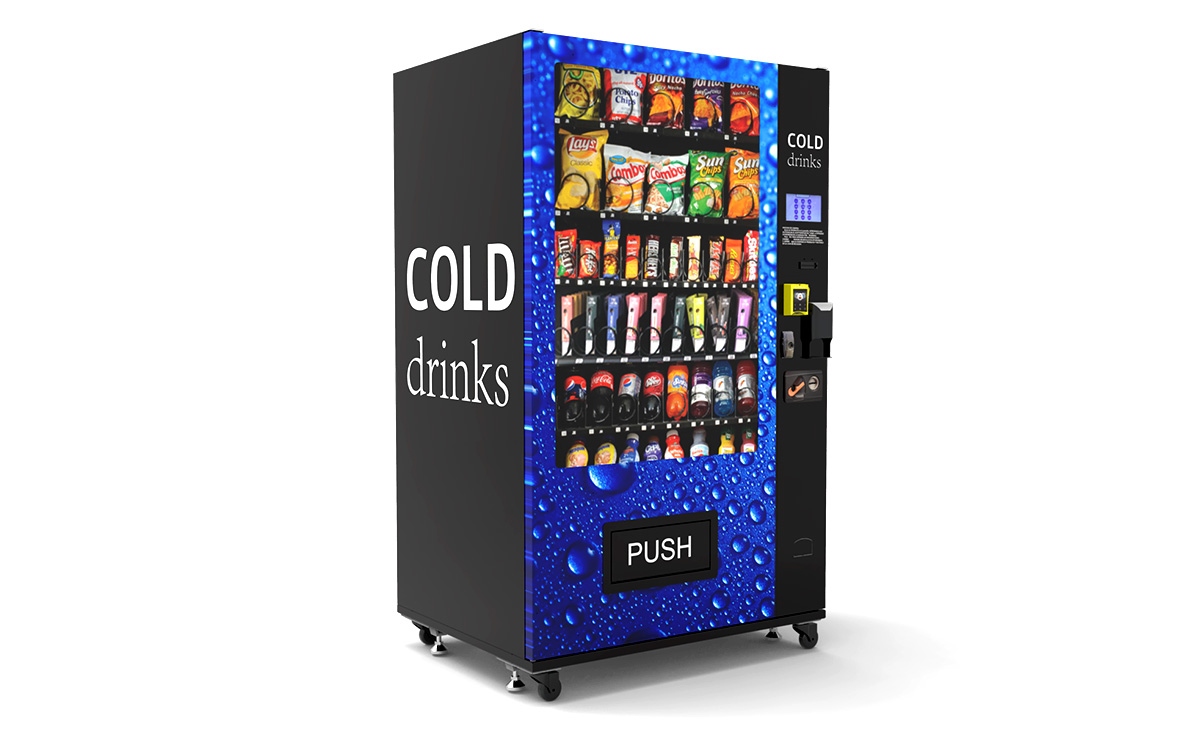
Features That Matter Most in Mini Vending Machines
Payment Systems and Connectivity
Modern mini vending machines come equipped with cashless payment options as standard. In the US and Europe, customers expect to tap a card or use a mobile wallet. Machines that only accept coins are effectively obsolete in most urban markets. Look for units that support NFC, Apple Pay, Google Pay, and major credit cards. Remote telemetry is another feature I consider non-negotiable. It allows you to monitor inventory, sales data, and machine health from your phone or laptop. Without telemetry, you are flying blind on restocking trips, which wastes time and money.
Size and Form Factor
Physical dimensions determine where you can place the machine. Countertop units are ideal for locations with limited floor space, while freestanding mini machines with a small footprint work better in hallways or corners. Always measure the doorways and elevators at potential locations before purchasing. I have seen operators buy machines that physically could not fit into the building they had secured.
Power Consumption and Cooling
If you plan to sell perishable items like sandwiches, salads, or dairy products, you need a refrigerated mini vending machine. The cooling system will be your largest ongoing utility cost. Energy-efficient models with DC compressors or inverter technology can cut electricity bills by 30–40% compared to older units. For non-perishable items like snacks and drinks, an ambient machine is cheaper to run and less prone to mechanical failure.
Security and Durability
Mini machines are more vulnerable to theft and vandalism because they are often placed in unsupervised areas. Look for units with reinforced doors, tamper-proof locks, and optional alarms. In high-risk locations, I recommend bolting the machine to the floor or wall. A machine that costs $2,000 to replace is a painful loss, but the real damage is the lost revenue and location relationship.
Cost Breakdown: What You Actually Pay
Let’s talk numbers. Based on my operational experience and data from industry sources, here is a realistic cost breakdown for mini vending machines in 2025.
| Machine Type | New Unit Price (USD) | Used Unit Price (USD) | Monthly Operating Cost (Est.) | Typical Lifespan (Years) |
|---|---|---|---|---|
| Basic ambient snack machine | $1,500 – $3,000 | $800 – $1,500 | $50 – $100 | 5–7 |
| Refrigerated mini machine | $3,000 – $6,000 | $1,500 – $3,500 | $80 – $200 | 4–6 |
| High-end robotic gantry unit | $5,000 – $10,000 | $2,500 – $5,000 | $100 – $250 | 5–8 |
Operating costs include electricity, credit card processing fees (typically 2–4% per transaction), restocking labor, and occasional repairs. Do not forget the cost of goods sold—your product margin should be at least 40% to cover these overheads and still leave profit. According to a 2024 report by IBISWorld, the average gross margin for vending machine operators in the US hovers around 45%, but mini machines in premium locations can push that to 55% or higher.
One hidden cost many new operators overlook is the payment system subscription fee. Some telemetry providers charge $10–$30 per month per machine for data access and remote monitoring. Factor that into your breakeven calculation before signing up.
Market Trends Shaping Mini Vending Machines in 2025
The mini vending machine market is growing faster than the overall automated retail sector. According to data from Statista, the global vending machine market was valued at approximately $24 billion in 2023, with mini machines accounting for a growing share driven by demand for contactless, low-footprint retail solutions.
Several trends are worth noting if you are entering this space now:
- Cashless-first operations: In Sweden, cash transactions now account for less than 10% of all payments. The same trend is accelerating in the US, where card and mobile payments made up 78% of vending transactions in 2024, per the National Automatic Merchandising Association (NAMA).
- Healthy and fresh food demand: Mini refrigerated machines stocked with protein bars, salads, and fresh fruit are outperforming traditional candy-and-soda units in office and gym locations.
- Smart vending with dynamic pricing: Some newer machines allow you to adjust prices remotely based on time of day or inventory levels. This is still early-stage, but operators who test it report revenue increases of 5–10%.
- Micro-market integration: A growing number of operators are placing mini machines alongside unattended self-service kiosks that accept payment for multiple items at once. This hybrid model works well in break rooms and small retail spaces.
How to Evaluate a Location for Mini Vending Machines
Location is the single biggest factor separating profitable routes from money pits. I have placed machines in what looked like high-traffic spots that barely broke even, and I have put units in quiet office corridors that consistently hit $800 per month in sales. The difference is understanding the people, not just the foot count.
Here is my checklist after a decade of trial and error:
- Daily foot traffic: You need at least 50–100 people passing the machine daily for a mini unit to generate meaningful revenue. Less than that, and your restocking costs will eat your margin.
- Dwell time: Locations where people wait—laundromats, car repair shops, medical clinic waiting rooms—tend to perform better than locations where people are in a hurry.
- Competition: If there is already a convenience store or a full-size vending machine within 50 meters, your mini machine will struggle unless you offer something different.
- Accessibility: Can you restock without disrupting the business? Is there a power outlet within reach? Do you need keys or codes to enter the building after hours?
- Commission expectations: Some location owners ask for 10–20% of gross sales. That is standard in prime spots, but negotiate hard for lower commission in secondary locations where your machine is providing a service they otherwise would not offer.
One of the worst failures I saw was an operator who placed a refrigerated mini machine in a small retail shop without checking the electrical circuit. The machine kept tripping the breaker, and after three service calls, the location owner asked him to remove it. That was $4,500 in equipment and $600 in repairs, all lost because of a basic oversight.
How to Choose a Supplier: What to Look For
Not all vending machine manufacturers are equal. When I started, I bought cheap units from an unknown supplier to save money. Within six months, two machines had failed completely, and replacement parts took eight weeks to arrive. I learned the hard way that reliability and after-sales support matter more than the initial price tag.
When evaluating suppliers, ask these questions:
- Do they offer a warranty, and what does it cover? A standard warranty should cover the compressor, control board, and payment system for at least one year.
- Are replacement parts available locally or shipped from overseas? If you operate in Europe, a supplier with a warehouse in the EU saves you weeks of downtime.
- Do they provide remote telemetry as part of the package, or is it a third-party add-on?
- Can they customize the machine for your specific product dimensions?
One manufacturer I have worked with extensively and can recommend for mini machines is Zhongda Smart. Their units offer solid build quality, reliable cooling systems, and integrated cashless payment options out of the box. I have deployed their refrigerated mini machines in several European office locations, and the failure rate has been low compared to other brands in the same price range. That said, always test a sample unit in your own operation before placing a bulk order. No supplier is perfect for every scenario.
Self-Operate vs. Lease vs. Revenue Share: Which Model Works?
There are three main ways to get into the mini vending machine business, and each has different risk and reward profiles.
| Model | Upfront Investment | Monthly Cost | Profit Potential | Control Level | Best For |
|---|---|---|---|---|---|
| Self-operate (buy machine) | High ($1,500–$10,000) | Low (electricity, CC fees, restocking) | High (keep all profit after expenses) | Full | Operators with time to manage restocking and maintenance |
| Lease machine from provider | Low ($0–$500 deposit) | Medium ($100–$300/month) | Medium (split revenue with lessor) | Limited | New operators testing the market or location owners wanting a machine without capital outlay |
| Revenue share with location owner | Variable | Variable (commission to location) | Moderate (share profit with host) | Partial | Operators who want prime locations without paying high rent upfront |
In my experience, self-operating gives you the best long-term return if you are willing to handle the logistics. Leasing is a good way to test the waters, but the monthly fees can eat into your margin significantly over a two-year period. Revenue share works well when the location owner is actively involved in restocking or promotion, but it requires a clear contract that spells out who handles repairs and restocking.
Common Mistakes New Operators Make
I have been in this business long enough to make most of these mistakes myself. Here are the ones I see repeatedly:
- Buying the cheapest machine available: Low-cost machines often use substandard components. A $1,200 unit that breaks down every three months will cost you more in vending machine repair and lost sales than a $3,000 unit that runs reliably for five years.
- Ignoring the payment system: A machine that only takes cash will miss 60–70% of potential sales in most urban areas. Upgrade to cashless from day one.
- Overstocking low-margin products: It is tempting to fill the machine with popular sodas, but the margins on beverages are thin—often 20–30% after cost and cooling electricity. Focus on higher-margin items like snacks, protein bars, and premium drinks.
- Not tracking sales data: Without telemetry, you are guessing what sells. I have seen operators restock the same slow-moving items for months because they never looked at the data.
- Signing long-term location contracts without an exit clause: If a location underperforms, you need the ability to move the machine without penalty. Negotiate a 30-day termination clause.
How to Calculate Your Return on Investment
Here is a simple formula I use to evaluate any potential machine placement:
Monthly Profit = (Total Sales × Gross Margin) – Operating Costs – Location Commission
Let’s use a realistic example. Say you place a refrigerated mini machine in a busy office building. Based on my experience and data from NAMA, a well-placed mini machine can generate $400–$1,200 in monthly sales. Assume $600 average sales, 50% gross margin, $80 in operating costs, and a 10% commission to the location owner.
Sales: $600
Cost of goods: $300 (50%)
Gross profit: $300
Operating costs: $80 (electricity, CC fees, telemetry)
Commission: $60 (10% of sales)
Net monthly profit: $160
If your machine cost $4,000 new, your payback period is $4,000 ÷ $160 = 25 months, or just over two years. That is a reasonable timeline for a first machine. If you can push sales to $900 per month, the payback drops to around 15 months. The key is to start with a conservative estimate and improve from there.
According to a 2023 report by the European Vending & Coffee Service Association (EVA), the average payback period for vending machines in Western Europe is between 18 and 30 months, depending on location and product mix. My own experience aligns with that range.
FAQ: Mini Vending Machines
Are mini vending machines profitable?
They can be, but profitability depends heavily on location, product selection, and your ability to control costs. A well-placed unit in a high-traffic office or gym can net $150–$300 per month after all expenses. A poorly placed unit may never break even.
How much does a mini vending machine cost?
New units range from $1,500 for a basic ambient model to $10,000 for a high-end refrigerated robotic unit. Used machines are available for $800–$3,500, but be prepared for potential repair costs.
How long does it take to recoup the investment?
Based on my operational data, expect 18 to 30 months for a single machine in an average location. Prime locations can pay back in 12 months or less.
Should a beginner buy or lease?
If you have the capital and are committed to learning the business, buying is better long-term. Leasing is a safer way to test the waters, but the monthly fees reduce your profit.
Where is the best place to put a mini vending machine?
Office break rooms, gyms, hotel lobbies, coworking spaces, and medical office waiting rooms consistently perform well. Avoid locations with existing vending machines or convenience stores within a short walk.
What permits or licenses do I need?
Requirements vary by country and even by city. In the US, you typically need a business license and a sales tax permit. In the EU, you need to register your business and comply with food safety regulations if selling perishables. Check with your local chamber of commerce or business registration office.
How do I choose a vending machine supplier?
Look for a manufacturer with a proven track record, responsive customer support, and readily available spare parts. Zhongda Smart is one option worth considering for mini machines, but always compare multiple suppliers and request references.
What happens when the machine breaks down?
If you own the machine, you are responsible for repairs. Having a relationship with a local vending machine repair technician is essential. If you lease, the lessor typically handles maintenance, but read the contract carefully for response time guarantees.
How can I reduce restocking and maintenance costs?
Use telemetry to monitor inventory so you only visit when restocking is needed. Choose a machine with a proven track record of reliability. Standardize on one or two machine models so you can stock spare parts in bulk.
Final Thoughts
Mini vending machines are not a get-rich-quick scheme, but they are a legitimate business opportunity for operators who treat them as a real investment. The upfront costs are manageable, the operational complexity is lower than full-size machines, and the market is growing. Focus on location quality, product margin, and reliable equipment. Avoid the temptation to cut corners on payment systems or telemetry. If you do those things consistently, you can build a profitable route over time.
This article was last updated in March 2025. Market conditions, equipment prices, and regulatory requirements may change. Always verify with local authorities and current suppliers before making investment decisions.