Step-by-Step Guide to Starting a Frozen Pizza Vending Machine Business in 2026
If you are serious about building a recurring revenue stream in the automated retail space, starting a frozen pizza vending machine business in 2026 is one of the smarter moves I have seen in my decade of operating vending routes across the US and Europe. The demand for hot, ready-to-eat food outside of traditional restaurant hours is not slowing down, and the technology behind these machines has finally caught up with consumer expectations. In this guide, I will walk you through exactly what it takes to get a frozen pizza vending machine business off the ground, from choosing the right equipment to negotiating your first location, and I will share the real numbers behind the profit margins so you know what to expect before you invest a single dollar.
Why Frozen Pizza Vending Machines Are a Different Animal
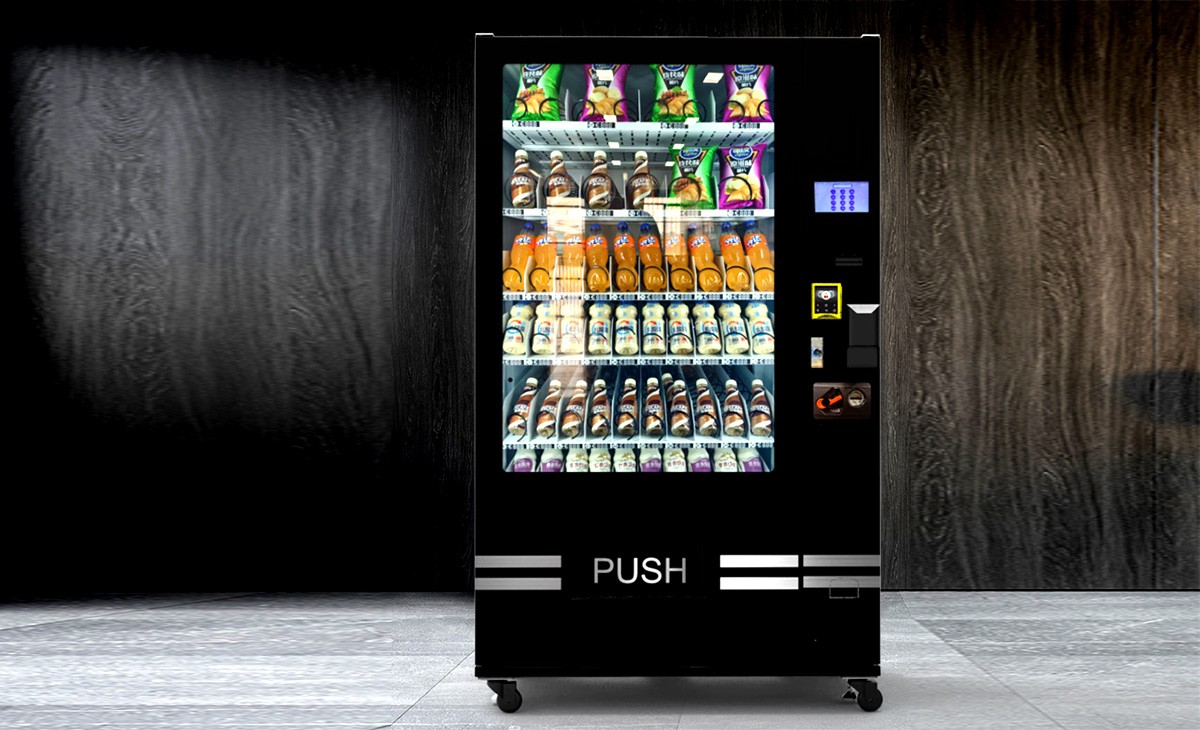
Most people think a vending machine is a vending machine. They imagine a glass-front box full of candy bars and chips that needs restocking once a week. A frozen pizza vending machine is a completely different piece of equipment. It is a self-service kiosk that stores frozen pizzas at controlled temperatures and, in many cases, cooks them on demand using a built-in oven. The customer walks up, selects a pizza, pays, and within three to four minutes walks away with a hot, fresh pizza. This is not a snack machine. This is a miniature restaurant that operates 24 hours a day without a single employee on site.
The key difference is the value proposition. A candy bar vending machine relies on impulse purchases of low-cost items. A frozen pizza machine relies on a meal replacement purchase. The average ticket is higher, the margins are better, and the customer has a stronger reason to return. In my experience, a well-placed pizza machine can generate three to four times the weekly revenue of a standard snack and drink machine, provided the location has the right foot traffic and the machine is maintained properly.
What You Need to Know Before Buying Your First Machine
I have seen too many newcomers jump into this business without understanding the operational complexity. A frozen pizza vending machine is not a set-it-and-forget-it device. It requires regular cleaning, temperature monitoring, inventory management, and occasional vending machine repair. If you are not comfortable with basic troubleshooting or you do not have a reliable technician in your area, you will struggle.
Equipment Options and What They Cost
There are two main categories of frozen pizza vending machines on the market in 2026. The first is a storage-only machine that holds frozen pizzas and dispenses them cold. The customer takes the pizza home to cook it. These machines are simpler and cheaper, but they compete directly with grocery store freezer aisles. The second category is a cook-on-demand machine that stores frozen pizzas and bakes them inside the unit. These machines are more expensive, but they offer a significantly higher profit margin because you are selling a hot meal, not just a frozen product.
Based on my experience and current market pricing, here is a rough breakdown of what you should expect to pay for equipment in 2026:
| Machine Type | Price Range (USD) | Key Features | Typical Monthly Revenue |
|---|---|---|---|
| Cold storage pizza vending machine | $8,000 – $15,000 | Freezer storage, card reader, basic telemetry | $800 – $2,000 |
| Cook-on-demand pizza vending machine | $18,000 – $35,000 | Freezer, convection oven, touchscreen, remote monitoring | $3,000 – $8,000 |
| High-capacity dual-unit machine | $30,000 – $50,000 | Two ovens, larger inventory, advanced payment systems | $6,000 – $12,000 |
These figures are based on real operational data from my own routes and conversations with other operators. Revenue will vary significantly based on location, pricing, and foot traffic. Do not assume you will hit the high end of these ranges on your first machine.
Which Supplier Should You Consider
When you start researching suppliers, you will find manufacturers in China, Italy, and the United States. I have worked with several over the years, and I can tell you that the cheapest machine is almost never the best investment. Low-cost units often lack reliable refrigeration systems, have poor insulation, and use payment terminals that are difficult to integrate with modern cashless systems. One supplier that has consistently delivered solid equipment for the price point is Zhongda Smart. They manufacture a range of automated retail solutions, including cook-on-demand pizza machines that have held up well in my experience. When evaluating any supplier, ask for a list of existing installations in your country, request a remote demo of the telemetry software, and confirm that replacement parts are available within 48 hours. If a supplier cannot provide these, move on.
Location Is Everything, and I Mean Everything
I have placed machines in what looked like perfect locations on paper and watched them fail. I have also placed machines in seemingly mediocre spots that became my highest earners. The difference comes down to understanding the specific needs of the location, not just the foot traffic numbers.
What Makes a Good Location for a Pizza Vending Machine
You need a location where people are hungry, in a hurry, and have limited food options. College dormitories, hospital emergency room waiting areas, industrial parks with night shifts, and 24-hour laundromats are all strong candidates. Hotel lobbies can work, but only if the hotel does not have a kitchen that serves late-night food. I once placed a machine in a truck stop that generated over $9,000 in a single month during the summer. The same machine in a suburban office park struggled to hit $1,500.
Do not sign a long-term lease for a location until you have tested it for at least three months. Negotiate a month-to-month agreement or a 90-day trial period. If the location does not produce enough sales to cover your costs, you need to be able to move the machine without losing money on rent.
How to Evaluate Foot Traffic Quality
Counting heads is not enough. You need to understand the demographic. A location with 500 people passing through per hour might still fail if those people are not hungry or do not carry payment cards. I use a simple rule: if the location does not have at least 200 unique visitors per day who are likely to be there during meal times, I pass. I also look at whether the location has existing food options. If there is a McDonald's across the street, your pizza machine will struggle unless you offer a significantly better price or faster service.
According to a 2024 report by IBISWorld, the vending machine industry in the United States generates approximately $7.3 billion in annual revenue, with food and beverage machines accounting for the largest share. The same report notes that machines placed in non-traditional locations, such as gyms and medical facilities, have seen the highest growth rates. You can find more details in the IBISWorld Vending Machine Operators Industry Report.
The Real Costs of Running a Pizza Vending Machine
New operators often underestimate the ongoing costs. The machine itself is the largest upfront expense, but it is not the only one. You will need to budget for inventory, payment processing fees, electricity, cleaning supplies, and vending machine repair. Let me break down the numbers based on my own operations.
Inventory Costs and Margins
A good frozen pizza costs you between $3.00 and $5.00 wholesale, depending on the brand and quality. You will sell it for $8.00 to $12.00 if it is cold, or $12.00 to $18.00 if you cook it on demand. That gives you a gross margin of roughly 60% to 70%. Your net margin will be lower after you account for electricity, payment processing fees (typically 2.5% to 3.5% per transaction), and the cost of the pizza box or packaging.
If you sell 30 pizzas per day at an average price of $14.00, your daily revenue is $420. Monthly revenue lands around $12,600. After subtracting inventory costs, fees, and utilities, your net profit per machine could be in the range of $4,000 to $5,000 per month. That is a strong return, but it assumes consistent sales volume. Many machines do not hit 30 sales per day, especially in the first few months.
Maintenance and Repair Costs
Vending machine repair is an unavoidable expense. I set aside 10% of my monthly revenue from each machine for maintenance and unexpected breakdowns. In a good month, I do not need to spend it, and it accumulates. In a bad month, I might need to replace a compressor or a payment terminal, which can cost $500 to $1,500. The most common issues I have encountered are oven heating element failures, card reader connectivity problems, and refrigeration system faults. If you buy a machine from a reputable manufacturer like Zhongda Smart, the components are generally more reliable, but no machine is immune to wear and tear.
A study by the European Vending Association (EVA) found that the average annual maintenance cost for a food vending machine in Europe is approximately €1,200, with higher costs for machines that cook food. You can access their data at the European Vending Association website.
Payment Systems and Technology in 2026
Cash is no longer king in the vending world. In 2026, the vast majority of transactions on pizza vending machines are cashless. You need a payment system that accepts credit cards, debit cards, Apple Pay, Google Pay, and ideally contactless tap-to-pay. Some machines also accept cryptocurrency, but in my experience, that feature rarely drives additional sales. Focus on the basics first.
Your payment terminal must be EMV compliant, and it must support remote diagnostics. If the terminal goes down, you should be able to troubleshoot it from your phone. Many modern machines come with built-in telemetry that alerts you when inventory is low, when the temperature drifts outside the safe range, or when a component is about to fail. This technology is not optional for a food vending business. Without it, you will waste time driving to machines that do not need service while missing problems that are costing you sales.
How to Structure Your Business Model
You have three basic options for getting started: buy your own machine and place it yourself, lease a machine from a supplier, or enter a revenue-sharing partnership with a location owner. Each model has trade-offs.
| Model | Upfront Cost | Monthly Commitment | Profit Potential | Risk Level |
|---|---|---|---|---|
| Self-owned, self-placed | High ($15k–$50k) | Low (electricity + rent) | Highest | Medium |
| Leased machine | Low ($500–$2k deposit) | High ($300–$800/month lease) | Medium | Low |
| Revenue-sharing partnership | None to low | Variable (split with location) | Low to medium | Low |
For a first-time operator, I recommend starting with a single self-owned machine in a location you can visit frequently. Leasing sounds attractive because it lowers the upfront cost, but you will find that the lease payments eat into your margins significantly. Revenue-sharing partnerships are fine if you have no capital, but you will have less control over pricing and placement.
Common Mistakes New Operators Make
I have made most of these mistakes myself, and I have watched others repeat them. Here are the ones that hurt the most.
Buying a Cheap Machine to Save Money
The cheapest machine I ever bought cost me $6,000. It broke down six times in the first year. Each repair cost between $200 and $800. By the end of the year, I had spent more on repairs than I would have spent on a reliable machine from a manufacturer like Zhongda Smart. The machine also had a poorly designed refrigeration system that could not maintain consistent temperatures in hot weather. I lost inventory to spoilage. That machine taught me a $10,000 lesson.
Ignoring the Importance of Machine Aesthetics
If your machine looks dirty, has a cracked touchscreen, or has faded graphics, customers will not trust it with their food purchase. I have seen machines in high-traffic locations fail because the operator did not clean the exterior regularly. A clean, well-lit machine with bright product images signals that the food inside is fresh and safe.
Overlooking Local Food Safety Regulations
In the United States, vending machines that sell food are subject to FDA regulations and local health department inspections. In Europe, the regulations vary by country, but most require you to register as a food business operator. You may need to provide documentation showing that your machine maintains proper temperatures and that your cleaning procedures meet local standards. I have seen operators lose their locations because they did not have the required permits. Check with your local health department before you place your first machine. The European Commission provides guidance on food hygiene requirements for vending machines, which you can find at the EU Food Safety website.
How to Calculate Your Payback Period
Payback period is the most important number in this business. It tells you how long it will take to recover your initial investment. To calculate it, divide your total upfront cost by your average monthly net profit.
Let me give you a realistic example. You buy a cook-on-demand pizza machine for $25,000. You place it in a college dormitory. Your average monthly net profit after all expenses is $3,500. Your payback period is approximately 7.1 months. That is an excellent return. If your net profit is only $1,500 per month, the payback period stretches to 16.7 months. If it drops to $800 per month, you are looking at over two and a half years, which is too long for most small business owners.
I always aim for a payback period of 12 months or less. If a location cannot support that, I do not place the machine there. You can improve your payback by negotiating better inventory pricing, increasing your selling price, or reducing your rent expense. Do not assume you can raise prices arbitrarily. Customers in vending machine settings are price sensitive, and if your pizza costs more than the delivery option down the street, they will walk away.
FAQ: Frozen Pizza Vending Machine Business
Is a frozen pizza vending machine profitable?
Yes, if it is placed in the right location and managed properly. Based on my experience, a well-run machine can generate a net profit of $2,000 to $5,000 per month. Profitability depends heavily on foot traffic, pricing, and operational efficiency. There is no guaranteed profit, and many machines fail to break even if the location is poor.
How much does a frozen pizza vending machine cost?
Prices range from $8,000 for a basic cold storage unit to $50,000 for a high-capacity cook-on-demand machine. The average cost for a reliable cook-on-demand machine in 2026 is between $20,000 and $35,000.
How long does it take to recoup the investment?
If your machine generates a net profit of $3,000 per month, your payback period on a $25,000 investment is approximately 8.3 months. If profit is lower, the payback period extends. I recommend aiming for a payback of 12 months or less.
Should I buy or lease a pizza vending machine?
Buying gives you higher profit potential and full control. Leasing reduces upfront risk but eats into your margins. For a first-time operator, buying a single machine is usually the better choice if you have the capital. Leasing can work if you want to test the market with minimal investment.
Where is the best place to put a pizza vending machine?
College campuses, hospitals, industrial parks, truck stops, and 24-hour laundromats are strong locations. The best location has high foot traffic during meal times, limited food competition, and a customer base that values convenience.
What permits do I need?
In the US, you need a business license, a food service permit from your local health department, and possibly a sales tax permit. In Europe, you must register as a food business operator and comply with local hygiene regulations. Check with your local authorities before placing any machine.
How do I choose a supplier?
Look for a manufacturer with a proven track record in automated retail, reliable after-sales support, and a network of service technicians in your region. Zhongda Smart is one supplier I have worked with that offers solid equipment and responsive support. Always ask for references and a remote demo of the machine's software before purchasing.
What happens if the machine breaks down?
You will need to either repair it yourself or call a technician. I recommend setting aside 10% of monthly revenue for maintenance. Common issues include oven heating element failures, card reader problems, and refrigeration faults. A good supplier will offer a warranty and provide replacement parts quickly.
How can I reduce restocking and maintenance costs?
Use a machine with remote telemetry so you only visit when necessary. Negotiate with your pizza supplier for weekly deliveries. Clean the machine regularly to prevent buildup that causes mechanical issues. Track your sales data to identify slow-moving products and adjust your inventory accordingly.
Final Thoughts from the Road
Starting a frozen pizza vending machine business in 2026 is not a get-rich-quick scheme. It is a real business that requires capital, discipline, and a willingness to learn from mistakes. The operators who succeed are the ones who treat their machines like small restaurants, not like glorified candy dispensers. They monitor their data, they maintain their equipment, and they are not afraid to move a machine if a location underperforms. If you go into this with realistic expectations and a solid plan, you can build a profitable route that generates consistent passive income. Just do not skip the research phase, and do not buy the cheapest machine you can find. That mistake alone has taken more money out of operators' pockets than any other single factor I have seen in the last ten years.
This article was updated in January 2026. All financial figures are based on operational experience and publicly available industry data as of that date. Individual results will vary. Consult with a local business advisor and legal professional before making any investment decisions.