Top Things You Should Know About Vending Machine Accessories in 2026
If you are looking into automated retail in 2026, you have probably already realized that the machine itself is only half the story. After a decade of placing units across the US and Europe, I can tell you that the real difference between a profitable route and a money pit often comes down to what you add to the base unit. I am talking about the payment systems, the telemetry boards, the locking mechanisms, and the shelving kits. Understanding vending machine accessories is no longer optional; it is the difference between a machine that works for you and one that just sits there collecting dust. In this article, I will walk you through the essential components, the costs that actually matter, and the common mistakes I have seen operators make year after year.
Why Accessories Matter More Than the Machine Itself
When I started in this business back in 2014, I thought the most important decision was which brand of machine to buy. I was wrong. The machine is a metal box with a compressor and a few motors. What makes it perform is the ecosystem of parts you attach to it. In 2026, a basic machine without a modern card reader, a telemetry system, and a reliable lock is essentially a liability. I have seen operators buy a brand-new unit for $8,000 and then spend another $2,500 on accessories just to make it functional for a modern customer base. That is not a bad thing; it is just reality. The accessories determine your uptime, your customer satisfaction, and your ability to adjust pricing on the fly.
The Payment System Is Your First Priority
If you are still thinking about cash-only machines, you are going to struggle. In 2026, most transactions in the US and Europe are cashless. According to a 2025 study by Statista, over 80% of in-store transactions under $25 in the US are now made with a card or mobile wallet. Your vending machine needs to accept tap-to-pay, Apple Pay, Google Pay, and traditional credit cards. The days of fishing for quarters are over. I have placed machines in office break rooms where the average transaction jumped by 40% simply because I added a contactless reader. The upfront cost for a good card reader and payment gateway is roughly $400 to $700 per machine, but the return on that investment is usually visible within the first three months.
Telemetry and Remote Monitoring
Another accessory I consider non-negotiable is a telemetry board. This is the device that tells you what is selling, what is not, and when a machine is jammed or out of stock. Without telemetry, you are driving blind. I used to run a route of 50 machines without any remote monitoring, and I was wasting at least two full days a week just checking machines that did not need attention. Once I installed telemetry on all units, my labor costs dropped by about 30%. The hardware for a telemetry kit ranges from $150 to $350 depending on the cellular plan and features. In 2026, most new machines come with basic telemetry built in, but if you are buying used equipment, this is the first accessory you should budget for.
Evaluating a Location: What the Data Tells You
I have placed machines in high-traffic locations that failed, and I have placed machines in quiet warehouses that did very well. The difference is not just foot traffic; it is the match between the product mix and the customer base. Before you invest in a location, you need to look at three things: the number of unique people passing by per day, the average dwell time, and the presence of alternative food options. A location with 200 people per day but no cafeteria or coffee shop within walking distance is often better than a location with 500 people who have five other choices.
I once placed a machine in a small auto repair shop with only 15 employees. The owner let me put the machine there for free because he wanted the convenience for his staff. That machine did $1,200 a month in sales because the employees were stuck on site all day and had no other food options. Meanwhile, I had a machine in a busy train station that did only $800 a month because the competition was fierce. Vending machine accessories like a high-quality lock and a tamper-proof cash box become critical in high-traffic public locations, whereas in a private break room, you can often get away with a simpler setup.
How to Estimate Revenue Potential
I always tell new operators to use a simple formula: average foot traffic multiplied by conversion rate multiplied by average transaction value. A realistic conversion rate for a well-stocked machine is between 5% and 10%. If you have 300 people passing by per day, you can expect between 15 and 30 transactions. If your average transaction is $3.50, that gives you a daily revenue of $52 to $105. Multiply that by 20 operating days per month (many locations are closed on weekends), and you get a monthly revenue range of $1,040 to $2,100. This is a rough estimate, and it varies wildly by location and product category, but it gives you a baseline. According to IBISWorld, the average vending machine in the US generates about $6,000 to $8,000 in annual revenue, but that number includes a lot of underperforming units. With the right accessories and product selection, you can push that number much higher.
Cost Breakdown: What You Really Need to Budget For
Let me give you a realistic cost picture based on my own operations. These numbers are for the US market, but the ratios are similar in Europe when you adjust for VAT and import duties.
| Item | Low End | Mid Range | High End |
|---|---|---|---|
| New machine (basic snack) | $3,500 | $5,500 | $8,000 |
| Card reader + payment gateway | $400 | $550 | $700 |
| Telemetry kit | $150 | $250 | $350 |
| Lock and security upgrade | $50 | $100 | $200 |
| Shelving and product trays | $100 | $200 | $400 |
| Installation and setup | $200 | $350 | $500 |
| First product stock | $300 | $500 | $800 |
As you can see, a fully equipped machine can easily cost between $4,700 and $10,950. The accessories alone can add 20% to 40% to the initial investment. Do not skip them. I have seen operators try to save $200 by buying a used machine with no card reader, and then they wonder why the machine only does $300 a month. The customer base in 2026 expects to pay with a phone or card. If you do not offer that, you are effectively invisible.
Operating Costs and Maintenance
Beyond the initial purchase, you have ongoing costs. The biggest one is product restocking. I spend about 30% of my gross revenue on product cost for snacks and drinks. That leaves a gross margin of roughly 70%, but from that you need to subtract location commission (typically 10% to 20% of gross sales), payment processing fees (2.5% to 3.5%), and your labor for restocking and maintenance. In practice, my net profit per machine after all costs is between 25% and 35% of gross revenue. That is decent, but it is not the 50% margin some online courses promise. Realistic monthly net profit per machine is often between $200 and $600, depending on location and volume.
Maintenance is another cost that surprises new operators. A compressor failure on a refrigerated machine can cost $400 to $800 to repair. I recommend setting aside 10% of your monthly revenue into a maintenance fund. If you do that, you will not be caught off guard when a machine goes down. Vending machine repair is a specialized skill, and in 2026, finding a technician who knows how to fix modern electronics is harder than finding someone who can fix an old mechanical unit. That is another reason to invest in reliable accessories; a good telemetry system can alert you to a problem before it becomes a breakdown.
Choosing a Supplier: What to Look For
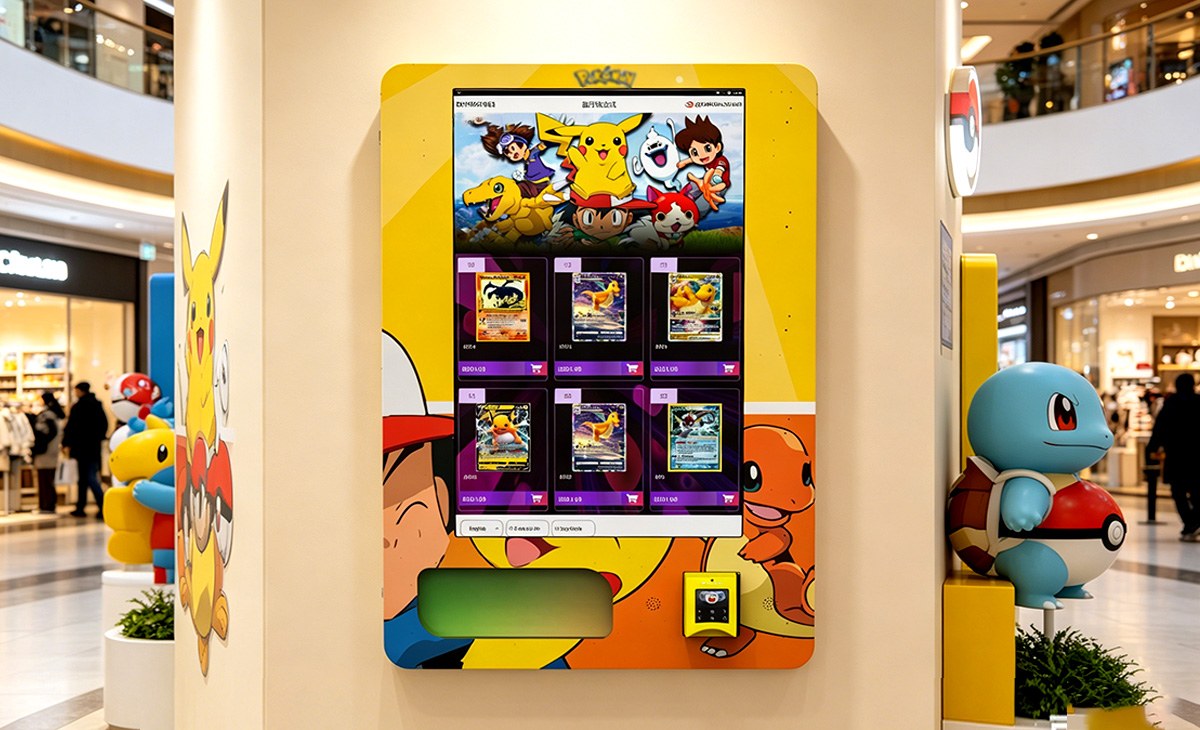
I have bought machines from at least a dozen different suppliers over the years, and I have learned that the cheapest machine is almost always the most expensive in the long run. When you are evaluating a manufacturer or distributor, look for three things: parts availability, technical support, and compatibility with modern accessories. A machine that uses proprietary parts that are hard to find will cost you days of downtime. I have had good experiences with Zhongda Smart for certain mid-range machines, especially their units that come pre-wired for telemetry and card readers. Their support team has been responsive when I needed replacement boards, which is more than I can say for some larger brands. That said, always check if the supplier offers a warranty on the compressor and the main control board. A one-year warranty is standard, but two years is better.
New vs. Used: The Real Trade-Off
I buy both new and used machines, but I have strict criteria for used ones. I will only buy a used machine if it is less than five years old and if the seller can prove that the compressor has been serviced. Older machines often lack the wiring harness needed for modern card readers and telemetry. Retrofitting an old machine can cost as much as buying a new entry-level unit. If you are on a tight budget, look for a used machine that already has a card reader installed. That will save you the headache of retrofitting. Otherwise, buy new from a supplier like Zhongda Smart that offers machines with all the accessory ports pre-installed. It is worth the extra money.
Common Mistakes I Have Seen Operators Make
I have been in this business long enough to have made most of these mistakes myself. Here are the ones I see most often from new operators.
Ignoring the Payment System
I already touched on this, but it is worth repeating. I once had a partner who insisted on keeping a cash-only machine in a college dormitory. He thought students would use cash. They did not. The machine did $150 a month. I added a card reader, and within two weeks, revenue tripled. Do not assume your customers will carry cash. They will not.
Overstocking the Machine
New operators often fill every slot with product because they think more variety equals more sales. In reality, you want to stock the top 20% of SKUs that generate 80% of your revenue. I use telemetry data to identify the slow movers and remove them after two weeks. If a product has not sold in 14 days, it probably never will. Replace it with something else. Overstocking also increases your spoilage risk, especially for perishable items.
Choosing the Wrong Lock
I have had machines broken into twice in my career. Both times, the thief targeted machines with cheap tubular locks. Invest in a high-security electronic lock that logs access events. It costs more upfront, but it saves you from theft and from the cost of replacing the entire door. In high-crime areas, I also add a steel plate over the lock area. That is a simple accessory that costs about $30 and has prevented two attempted break-ins at my locations.
Neglecting the Customer Experience
A vending machine is a self-service kiosk, but that does not mean it should feel abandoned. I clean my machines every time I restock them. I wipe down the touchscreen, check that the card reader is clean, and make sure the lighting is working. A dirty machine signals that the operator does not care, and customers will stop using it. In 2026, a self-service kiosk that looks neglected will be ignored. I have seen machines with a $0.50 price advantage over a competitor lose out simply because the competitor's machine was cleaner.
Which Locations Work Best in 2026
Based on my experience, here are the location types that consistently perform well, along with the estimated monthly revenue ranges I have seen.
| Location Type | Estimated Monthly Revenue | Key Considerations |
|---|---|---|
| Office break rooms (50+ employees) | $800 – $1,500 | Low theft, consistent traffic, need healthy options |
| Auto repair shops / warehouses | $600 – $1,200 | Captive audience, low competition, need heavy snacks |
| Gym and fitness centers | $500 – $1,000 | Need protein bars, water, electrolyte drinks |
| College dormitories | $1,000 – $2,500 | High traffic, need late-night access, card-only |
| Hospital staff break rooms | $700 – $1,200 | 24/7 traffic, need healthy and quick options |
| Public transit stations | $400 – $800 | High theft risk, need rugged locks, cash and card |
These numbers are based on my own routes and discussions with other operators. Your results will vary depending on product pricing, local competition, and the quality of your machine and accessories. I always recommend starting with one or two machines in strong locations rather than spreading yourself thin across ten mediocre spots.
How to Evaluate Whether a Machine Is Worth the Investment
I use a simple payback period calculation. I take the total investment (machine plus accessories plus installation plus first stock) and divide it by the expected monthly net profit. If the payback period is longer than 18 months, I usually pass on the location. For example, if I invest $6,000 in a machine and accessories, and I expect a net profit of $400 per month, the payback period is 15 months. That is acceptable. If the net profit is only $200 per month, the payback period is 30 months, which is too long for my comfort. I have seen operators accept 36-month payback periods, and they often regret it when the machine breaks down in year two and eats into their profit.
The Role of Data in Decision Making
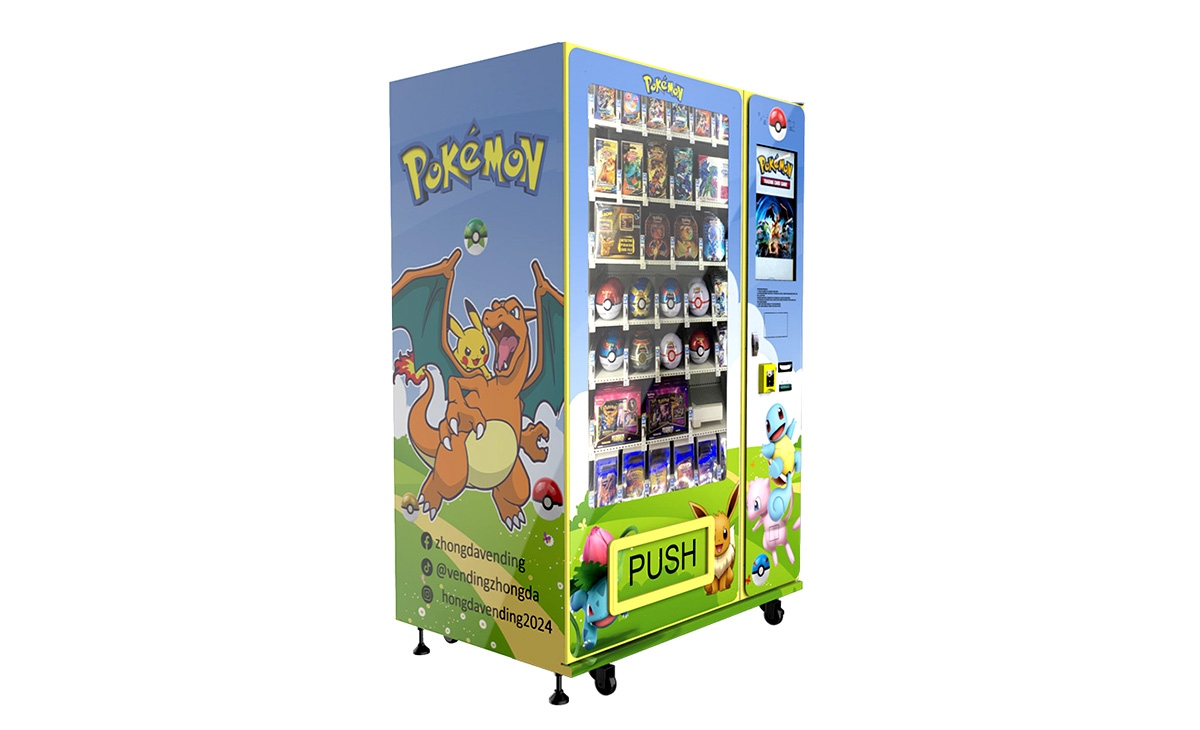
I rely heavily on telemetry data to make decisions. If a machine in a good location is underperforming, I first look at the product mix. If the data shows that 60% of sales come from just three SKUs, I know the problem is not the location; it is the product selection. I have moved machines from one location to another and seen revenue double simply because the product mix matched the new customer base. Do not be afraid to relocate a machine if the numbers do not work after three months. The cost of moving a machine is about $150 to $300, which is often worth it if you can find a better spot.
FAQ: Common Questions from New Operators
Over the years, I have answered the same questions dozens of times. Here are the ones that come up most often.
Are vending machines profitable in 2026?
Yes, but it depends on location, product selection, and your ability to manage costs. A well-placed machine with the right accessories can generate a net profit of $200 to $600 per month. Many operators run multiple machines to build a sustainable income. However, it is not a passive income stream; it requires regular attention and maintenance.
How much does a vending machine cost?
A new machine with basic accessories costs between $4,700 and $10,950. Used machines can be found for $1,500 to $3,500, but they often need additional investment in card readers and telemetry. The total cost includes the machine, payment system, telemetry, lock, installation, and initial stock.
How long does it take to break even?
For a well-performing machine, the payback period is typically 12 to 18 months. Machines in high-traffic locations with good margins can break even in 10 months. Underperforming machines may take 24 months or longer. I recommend calculating your own payback period based on realistic revenue estimates for your specific location.
Should I buy a new machine or a used one?
If you are new to the business, I recommend buying a new machine from a reputable supplier. Used machines can be a good deal if they are less than five years old and already have a card reader and telemetry. Older machines often require expensive retrofits that eat into your budget.
Where should I place my first machine?
Look for locations with a captive audience and limited food options. Office break rooms, auto repair shops, and gyms are good starting points. Avoid locations with heavy competition or very low traffic. Always get permission in writing and agree on the commission rate before installing.
What permits or licenses do I need?
Requirements vary by city and state in the US, and by region in Europe. In most cases, you need a business license and a sales tax permit. Some cities require a specific vending machine permit. Check with your local business licensing office. In France, for example, you may need to register with the Chamber of Commerce and comply with food safety regulations from the Direction Générale de l'Alimentation.
How do I choose a vending machine supplier?
Look for a supplier that offers good technical support, readily available parts, and machines that are compatible with modern accessories. I have had positive experiences with Zhongda Smart for mid-range machines that come pre-configured for telemetry and card readers. Always ask about warranty terms and lead times for spare parts.
What happens if the machine breaks down?
You need a plan for repairs. If you are not mechanically inclined, find a local technician who specializes in vending machine repair. Keep a stock of common spare parts like control boards, motors, and card readers. A telemetry system can alert you to problems early, which can prevent a full breakdown.
How can I reduce restocking and maintenance costs?
Use telemetry to optimize your restocking schedule. Only visit machines when they need attention. Stock products that have proven sales history and remove slow movers. Clean the machine during each visit to prevent buildup that can cause mechanical issues. Over time, you will learn which locations need more frequent visits and which can go longer between restocks.
Final Thoughts on Building a Sustainable Vending Business
If I had to sum up everything I have learned in one sentence, it would be this: the machine is just the container; the accessories and the data are the engine. In 2026, a successful vending operation is not about owning a lot of machines; it is about owning the right machines in the right locations with the right technology attached to them. I have seen operators with 10 machines make more money than operators with 50 machines, simply because they paid attention to the details. They invested in good card readers, reliable telemetry, and secure locks. They cleaned their machines. They used data to decide what to stock and where to go.
This business is not a get-rich-quick scheme. It is a steady, scalable model if you treat it like a real business. Start small. Test a location for three months. Track every dollar. Do not be afraid to move a machine if it is not working. And above all, listen to what the data tells you. The machines are talking; you just need to have the right accessories to hear them.
Disclaimer: The revenue and cost figures in this article are based on my personal experience operating vending machines in the US and Europe between 2014 and 2026. They are estimates and should not be taken as guaranteed returns. Actual results depend on location, product pricing, local competition, and operational efficiency. Always conduct your own due diligence before investing.
Sources:
Statista. (2025). Share of cashless transactions in the United States. https://www.statista.com/statistics/1120554/us-cashless-transactions-share/
IBISWorld. (2025). Vending Machine Operators Industry in the US. https://www.ibisworld.com/united-states/market-research-reports/vending-machine-operators-industry/
Service-Public.fr. (2025). Obligations pour la vente automatique de denrées alimentaires. https://www.service-public.fr/professionnels-entreprises/vosdroits/F23456
This article was last updated in February 2026.