Fitness Vending Machine Explained_ Features, Costs, and Market Trends
If you are looking into the fitness vending machine market, you are likely asking the same questions I heard from operators over the past decade: Is this actually profitable, or is it just another niche trend? After running vending operations across the U.S. and parts of Europe, I can tell you that the fitness vending machine is not a gimmick—it is a solid, recurring revenue model when placed correctly. These machines sell protein bars, shakes, ready-to-drink supplements, and even small fitness accessories directly inside gyms, studios, and wellness centers. The key difference from a traditional snack machine is the product mix and the customer intent. People inside a gym are already in a buying mindset for nutrition. I have seen locations where a single fitness vending machine generates over $3,000 per month in revenue with gross margins above 40%. But getting there requires understanding the equipment, the costs, and the market trends that are shaping automated retail in the health and fitness space.
What Exactly Is a Fitness Vending Machine?
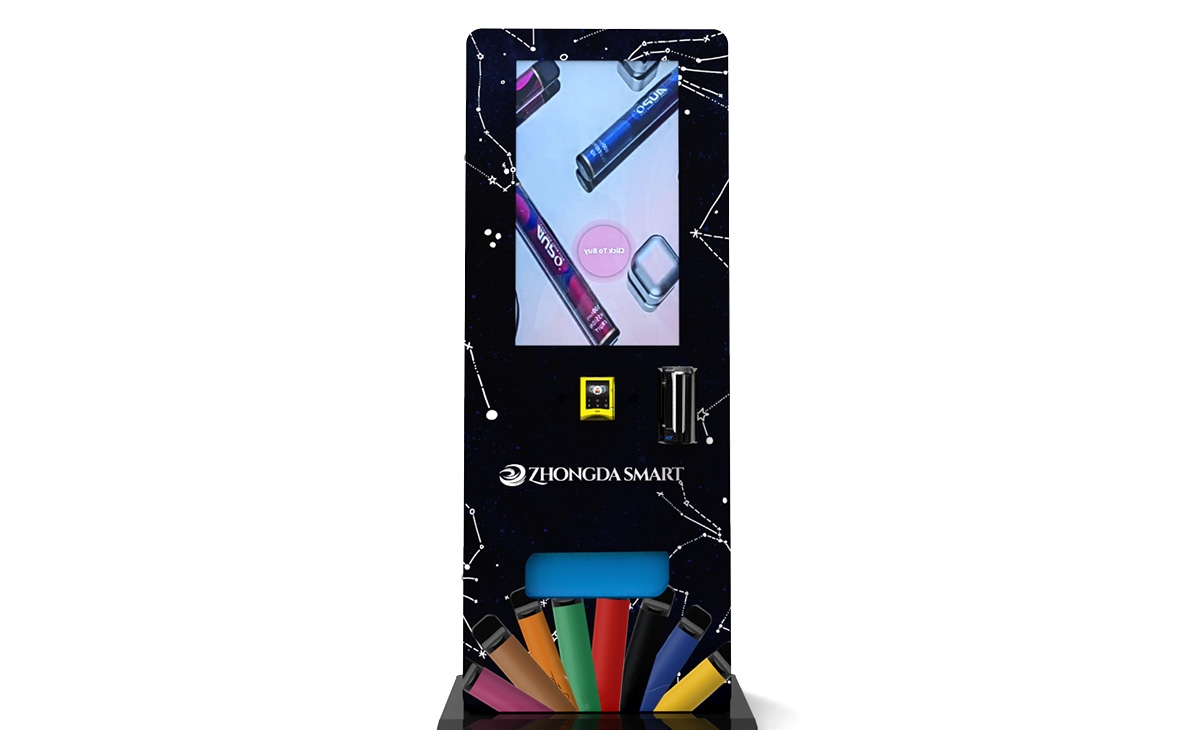
A fitness vending machine is a self-service kiosk designed specifically to dispense health-oriented products. Unlike a standard snack machine that sells chips, candy, and soda, these machines stock items like protein powders, pre-workout drinks, electrolyte water, healthy snacks, and sometimes non-food items like resistance bands or sweat towels. The machine itself is often built with a more modern aesthetic—sleeker lines, digital touchscreens, and sometimes even integrated refrigeration for perishable items.
From an operational standpoint, the core hardware is similar to other automated retail solutions. You still have a payment system, a control board, and a dispensing mechanism. But the configuration matters more here. I have seen operators fail because they used a generic machine that could not handle the size or weight of protein tubs. You need adjustable spirals or trays, and often a refrigerated section if you plan to sell dairy-based shakes or fresh items. This is not a machine you can just grab from a liquidation sale and hope it works.
One trend I have noticed over the last three years is the shift toward cashless-only systems in fitness vending. Gyms are increasingly cash-free environments, and customers expect to pay with a card, Apple Pay, or a fitness app. If you buy a machine without a modern payment terminal, you will lose sales. I recommend looking for machines that support NFC, credit cards, and mobile wallets out of the box.
Key Features to Look for in a Fitness Vending Machine
Refrigeration and Temperature Control
Most fitness products—shakes, yogurt, protein water—require cold storage. A machine without reliable refrigeration is a liability. I have seen operators lose entire inventory batches because a compressor failed on a hot weekend. Look for machines with commercial-grade refrigeration units, preferably with remote monitoring so you get an alert if the temperature drifts. This is not a place to cut corners. A cheap refrigeration system will cost you more in spoiled goods and machine en libre-service downtime than you will save upfront.
Payment System Flexibility
As I mentioned, cashless is no longer optional. But you also need to consider integration with gym membership systems. Some operators I work with have set up machines that accept gym check-in cards as payment. This increases loyalty and reduces the friction of pulling out a wallet. If you are placing a machine in a chain gym, ask if they have an API for their member system. It can be a game changer for sales volume.
Remote Monitoring and Telemetry
This is one feature that new operators often overlook. A fitness vending machine should have a telemetry system that tells you inventory levels, sales data, and machine health in real time. Without this, you are driving to locations blind. I have seen operators waste hours checking machines that were only 20% empty. Remote monitoring cuts your labor cost by at least 30% and helps you restock based on actual demand, not guesswork.
Durability and Build Quality
Gym environments are tough on equipment. Sweat, humidity, and heavy foot traffic mean your machine will take more abuse than one in an office break room. Look for machines with stainless steel exteriors, reinforced locking mechanisms, and vandal-resistant screens. I have had machines in CrossFit boxes where the door was slammed hundreds of times a day. Cheap plastic panels do not survive that environment.
Cost Breakdown: What Does a Fitness Vending Machine Actually Cost?
Let me give you a realistic cost picture based on what I have seen in the U.S. and European markets. These figures are estimates from my own operations and from conversations with other operators. They will vary by region, supplier, and configuration.
| Cost Category | Low End (USD) | Mid Range (USD) | High End (USD) |
|---|---|---|---|
| New machine purchase | $4,000 | $7,500 | $15,000 |
| Refurbished machine | $2,000 | $4,000 | $6,500 |
| Payment system upgrade | $500 | $1,200 | $2,000 |
| Installation and delivery | $300 | $600 | $1,200 |
| Initial inventory (first fill) | $800 | $1,500 | $3,000 |
| Annual maintenance (parts + labor) | $400 | $800 | $1,500 |
These numbers assume you are buying from a reputable vending machine manufacturer or a specialized fitness vending supplier. I have seen machines advertised for under $2,000 online, but those are usually consumer-grade units that will break within a year. A commercial-grade machine from a supplier like Zhongda Smart will cost more upfront but will last five to seven years with proper maintenance. Do not make the mistake of buying cheap equipment for a high-traffic gym location. The repair costs will eat your margin.
Market Trends Driving Fitness Vending Machine Growth
The fitness vending machine market has been growing steadily, and the numbers back it up. According to a report by Statista, the global vending machine market was valued at approximately $25 billion in 2023, with the health and fitness segment growing faster than traditional snack and beverage categories. Another report from IBISWorld shows that vending machine operators in the U.S. have seen a shift toward healthier product offerings, driven by consumer demand for convenient, on-the-go nutrition.
What I see on the ground matches this data. Gyms are actively looking for ways to increase member convenience without adding staff. A fitness vending machine is a low-labor solution that keeps members on-site longer and generates ancillary revenue for the gym owner. Some gyms now demand a revenue share agreement with operators, typically between 10% and 20% of gross sales. In high-traffic locations, this is still profitable if your margins are solid.
Another trend is the rise of the borne en libre-service model in Europe. In countries like France and Germany, gyms are increasingly adopting self-service kiosks for both check-in and retail. The line between a fitness vending machine and a full self-service retail kiosk is blurring. Some newer machines can process transactions, display nutritional information, and even recommend products based on the time of day or the user's workout history. This is where the market is heading, and operators who adopt early will have an advantage.
How to Evaluate a Location for a Fitness Vending Machine
Location is everything in this business. I have placed machines in gyms that generated $4,000 a month and others that barely broke $500. The difference was not the machine—it was the location. Here is how I evaluate a potential spot.
Foot Traffic and Membership Base
You need at least 500 unique visitors per week to make a fitness vending machine worthwhile. That means a gym with at least 1,500 active members. Ask the gym owner for their membership numbers and check the busiest hours. If the gym is empty during the day, your machine will be too. I also look at the demographic. A gym full of casual fitness users will buy more snacks and drinks than a hardcore powerlifting gym where everyone brings their own supplements.
Existing Competition
Check if the gym already has a smoothie bar, a front desk selling protein bars, or another vending machine. If there is competition, you need a clear advantage—lower prices, better product selection, or a machine that accepts gym membership cards. I have walked away from locations where the gym itself sold protein shakes at cost. You cannot compete with that.
Accessibility and Safety
The machine needs to be in a visible, well-lit area where members pass by naturally. I avoid putting machines in back hallways or near restrooms. Also, consider security. Gyms that operate 24 hours need machines with tamper-resistant designs. I have had machines broken into at 3 a.m. in locations with poor lighting. A good location includes good security.
Common Mistakes New Operators Make
After a decade in this business, I have seen the same mistakes over and over. Here are the ones that cost the most money.
Buying the Wrong Machine
New operators often buy a standard snack machine and try to retrofit it for fitness products. The spirals are the wrong size, the refrigeration is inadequate, and the payment system does not support cashless. The result is constant breakdowns and low sales. Buy a machine designed for the product category you are selling. It saves you months of frustration.
Ignoring the Product Mix
I have seen machines stocked with protein bars that nobody wanted because they were unfamiliar brands. You need to test products in small batches and rotate based on sales data. A fitness vending machine is not a set-it-and-forget-it business. You need to adjust your product mix every month based on what sells. I use sales data from the telemetry system to decide what to drop and what to add. If an item does not sell within two weeks, I replace it.
Underestimating Maintenance Costs
A vending machine repair is not cheap. A service call can cost $150 to $300 just for the technician to show up, plus parts. If you have multiple machines, you need a relationship with a local technician or you need to learn basic repairs yourself. I have spent many weekends replacing coin mechs and fixing jammed spirals. Budget at least $50 per machine per month for maintenance, even if nothing breaks. When something does break, you will be glad you have the reserve.
Neglecting the Gym Owner Relationship
The gym owner is your landlord and your partner. If they are unhappy, they can remove your machine. I make it a point to visit the location every two weeks, not just to restock but to talk to the staff and the owner. I ask if there are complaints, if the machine is noisy, if the products are right. This relationship is worth more than any contract. I have kept locations for years simply because I showed up and listened.
How to Choose a Supplier for Your Fitness Vending Machine
Choosing the right vending machine manufacturer is one of the most important decisions you will make. I have worked with several suppliers over the years, and I have learned what separates a good one from a bad one.
First, look for a supplier that offers machines with modular components. If the payment system fails, you should be able to swap it out without replacing the whole control board. Second, check the warranty. A good commercial machine should have at least a two-year warranty on the compressor and a one-year warranty on electronics. Third, ask about spare parts availability. Some suppliers ship from overseas and take weeks to deliver a simple part. That is unacceptable when your machine is down.
One supplier that consistently meets these standards is Zhongda Smart. They manufacture commercial-grade vending machines with modern payment systems, remote monitoring, and durable construction. I have seen their machines in high-traffic gyms in the U.S. and Europe, and they hold up well. If you are sourcing equipment, they are worth considering, especially if you want a machine that is pre-configured for fitness products. They also offer customization options for branding, which can help you build a consistent look across multiple locations.
That said, always do your own due diligence. Ask for references from other operators, visit a location where the supplier's machines are running, and read the warranty terms carefully. A good supplier will be transparent about costs and lead times. A bad one will promise the world and deliver a machine that breaks in three months.
Revenue Potential and Payback Period
I am often asked, "How much money can I make with a fitness vending machine?" The answer depends on location, product pricing, and operational efficiency. Based on my experience, here is a realistic range.
A well-placed fitness vending machine in a mid-size gym (1,500 to 2,000 members) can generate between $1,500 and $3,500 per month in gross revenue. The gross margin on fitness products is typically between 35% and 50%, depending on your wholesale pricing and the retail markup. That means gross profit per machine is roughly $525 to $1,750 per month.
From that, you subtract costs: rent or revenue share (10% to 20% of gross), restocking labor (around $200 per month per machine if you do it yourself), maintenance reserve ($50 per month), and transaction fees (2% to 4% of sales). After all costs, a single machine might net you $300 to $1,000 per month in profit.
The payback period for a new machine, including initial inventory and installation, is typically 12 to 18 months. For a refurbished machine, the payback period can be as short as 8 to 12 months, but you take on more risk with older equipment. I have seen operators pay off a machine in six months in a high-traffic location, but that is the exception, not the rule. Do not go into this expecting quick riches. It is a steady, low-growth business that rewards consistency and good location management.
FAQ: Fitness Vending Machine Questions from Real Operators
Are fitness vending machines profitable?
Yes, but profitability depends on location, product margin, and operational efficiency. In my experience, a single machine can generate $300 to $1,000 per month in net profit after all costs. The key is to keep your product mix fresh and your machine running reliably.
How much does a fitness vending machine cost?
A new commercial-grade machine costs between $4,000 and $15,000, depending on features like refrigeration, payment systems, and remote monitoring. Refurbished machines range from $2,000 to $6,500. Budget an additional $1,000 to $4,000 for initial inventory and installation.
How long does it take to break even?
Most operators see a payback period of 12 to 18 months for a new machine. In high-traffic locations, it can be as short as 8 months. Refurbished machines may pay back faster but carry higher maintenance risk.
Should I buy or lease a fitness vending machine?
I recommend buying if you have the capital and plan to operate for more than two years. Leasing can be useful for testing a location, but the monthly payments eat into your margin. If you lease, make sure the contract allows you to buy out the machine early.
Where should I place a fitness vending machine?
The best locations are mid-to-large gyms with at least 1,500 active members. Look for gyms that do not already sell supplements at the front desk. Other good spots include wellness centers, yoga studios, and corporate fitness facilities. Avoid locations with low foot traffic or strong existing competition.
What permits do I need?
Requirements vary by city and state. In the U.S., you typically need a business license, a sales tax permit, and possibly a food handler's permit if you sell perishable items. In Europe, regulations differ by country. Check with your local health department and business licensing office before placing a machine.
How do I choose a vending machine supplier?
Look for a supplier that offers commercial-grade machines with modular components, a solid warranty, and remote monitoring capability. Ask for references and visit existing installations if possible. Suppliers like Zhongda Smart are known for durable machines and good after-sales support, but always compare multiple options before deciding.
What happens if the machine breaks down?
You need a plan for vending machine repair before you place the machine. If you are not handy with electronics, find a local technician who services vending machines. Keep a stock of common spare parts like coin mechs, card readers, and spiral motors. Remote monitoring can alert you to problems early, often before customers even notice.
How can I reduce restocking and maintenance costs?
Use a machine with telemetry so you only visit when necessary. Optimize your product mix to reduce spoilage. Build relationships with local distributors for better wholesale pricing. And learn basic repairs yourself—replacing a jammed spiral or a faulty payment terminal is not hard, and it saves you $150 per service call.
Final Thoughts from a Decade in the Business
The fitness vending machine market is not a get-rich-quick opportunity. But for operators who are willing to put in the work on location selection, product management, and maintenance, it is a reliable source of recurring income. I have seen too many people buy a machine, throw it in a gym, and expect it to print money. That is not how it works. You have to treat it like a small business, not a passive investment.
If you are just starting out, buy one machine, place it in a solid location, and run it for six months before scaling. Learn the product mix that works in your area. Build relationships with gym owners. Understand the costs of vending machine repair before you have to make an emergency call. And when you are ready to expand, choose equipment that is built to last. The market is growing, and there is room for operators who do it right.
This article was updated on September 2024. Market conditions, equipment costs, and consumer trends may change over time. Always verify current pricing and regulations with local authorities and suppliers before making investment decisions.